

A strong and energetic body starts with proper nutrition, and one of the most essential components of a healthy diet is protein. Proteins are vital macronutrients that help in building and repairing tissues, supporting immunity, and maintaining muscle mass. Including healthy protein foods in your daily diet ensures that your body gets the necessary building blocks for overall health, vitality, and optimal performance. From athletes to busy professionals, everyone benefits from incorporating protein-rich foods into their meals.
Understanding healthy protein foods is not just about maintaining weight; it’s about supporting essential bodily functions. Proteins are composed of amino acids, which are crucial for producing enzymes, hormones, and neurotransmitters. These molecules play significant roles in muscle growth, cognitive function, and metabolism. By consuming high-quality protein sources, you provide your body with what it needs to repair tissues, enhance energy levels, and maintain a balanced diet without consuming excess unhealthy fats or sugars.
Moreover, the variety of healthy protein foods available today allows for a flavorful and enjoyable diet. Whether you prefer animal-based sources like chicken, eggs, and fish or plant-based options such as lentils, quinoa, and tofu, there is something suitable for every preference. In this article, we will explore the top 10 healthy protein foods, their benefits, nutritional profiles, and practical ways to incorporate them into daily meals. By the end of this guide, you will have a clear roadmap to boost your health, enhance energy, and maintain a balanced, protein-rich diet. 💪
What Are Healthy Protein Foods?
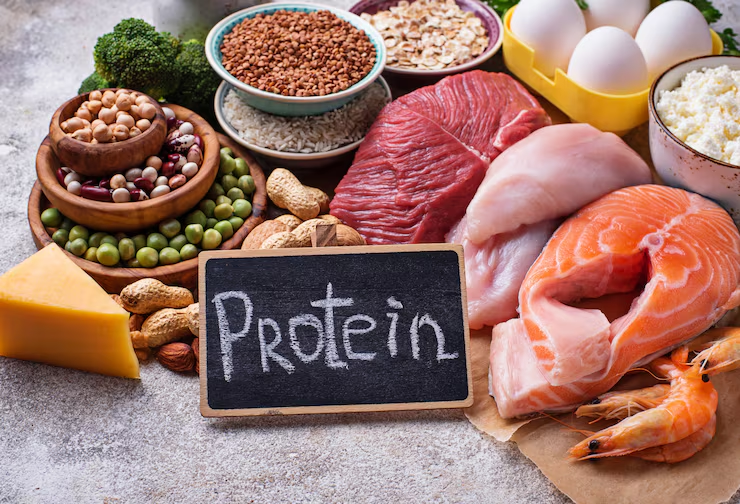
Healthy protein foods are foods that provide protein without excessive unhealthy fats, sugars, or additives. Proteins are essential macronutrients, and since the body cannot produce all essential amino acids, it is crucial to obtain them from diet. These foods often provide complete proteins, meaning they contain all nine essential amino acids necessary for bodily functions. Examples include lean meats, eggs, fish, dairy, legumes, nuts, seeds, and soy products.
The quality of protein in these foods is vital. Complete proteins, such as eggs, fish, and quinoa, provide all essential amino acids, while other sources may need to be combined to meet nutritional needs. Choosing healthy protein foods ensures that your body receives nutrients that support muscle growth, tissue repair, and metabolism efficiently. Additionally, protein-rich foods promote satiety, helping regulate appetite and prevent overeating.
Another characteristic of healthy protein foods is their ability to stabilize blood sugar and support metabolic health. Regular consumption of protein-rich foods can help manage weight, improve energy, and reduce the risk of chronic diseases. By incorporating a variety of protein sources in your diet, you ensure balanced nutrition while supporting overall health and well-being. From lean meats to plant-based options, healthy protein foods are the foundation of a strong, active lifestyle.
Why You Need Healthy Protein Foods
Including healthy protein foods in your daily diet is essential for muscle development, tissue repair, and overall vitality. Proteins serve as building blocks for muscles, skin, hair, and nails. Insufficient protein intake can lead to weakened immunity, slower recovery, and reduced energy. By consuming a variety of healthy protein foods, you provide your body with amino acids necessary for growth, metabolism, and hormone production.
Protein also plays a key role in weight management. High-protein diets increase feelings of fullness, reduce cravings, and support fat loss while preserving lean muscle mass. The thermic effect of protein is higher than fats and carbohydrates, meaning the body burns more calories during digestion. This metabolic boost, combined with sustained energy from protein, helps in achieving long-term health and fitness goals.
Moreover, healthy protein foods support brain function and mental well-being. Amino acids from protein are precursors to neurotransmitters like serotonin and dopamine, which influence mood, focus, and energy. Individuals recovering from illness, seniors, and athletes particularly benefit from incorporating protein-rich foods into their meals. Overall, healthy protein foods are a crucial component of a balanced diet, promoting longevity, strength, and a vibrant lifestyle.
Top Healthy Protein Foods for Maximum Benefit
Eggs 🥚
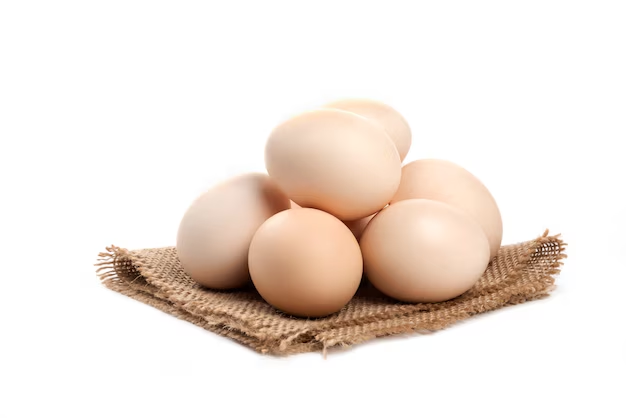
Eggs are one of the most versatile and nutrient-dense healthy protein foods. Each egg provides about 6 grams of high-quality protein, including all essential amino acids needed for muscle repair and tissue growth. Eggs are rich in vitamins B12 and riboflavin, as well as minerals like selenium and phosphorus, which support bone and immune health. They also contain choline, a vital nutrient for brain function and metabolism, helping improve memory and cognitive performance.
Beyond nutrition, eggs play a crucial role in weight management. High-protein content increases satiety, reducing unnecessary snacking and supporting calorie control. The slow digestion of protein in eggs helps maintain blood sugar stability and prolongs energy throughout the day. Antioxidants such as lutein and zeaxanthin also contribute to eye health, preventing age-related degeneration. Regular consumption of eggs can boost overall energy, strengthen muscles, and enhance physical performance.
Eggs are also extremely versatile and accessible. They can be boiled, scrambled, poached, or used in salads, smoothies, and baked dishes. Affordable and easy to prepare, eggs are suitable for all lifestyles. Research indicates that moderate egg consumption does not negatively affect cholesterol in healthy individuals, making them a safe and nutrient-packed choice. Whether for breakfast, snacks, or dinner, eggs remain a top option among healthy protein foods, offering a combination of complete protein, essential nutrients, and practical versatility.
Chicken Breast 🍗
Chicken breast is a lean and highly effective source of healthy protein foods, providing approximately 26 grams of protein per 3-ounce serving. Its low fat content makes it ideal for building and maintaining lean muscle mass. Rich in essential amino acids, chicken breast supports tissue repair, immune function, and metabolic efficiency, making it a staple for fitness enthusiasts and health-conscious individuals.
Including chicken breast in your diet aids in weight management and energy regulation. High-protein meals enhance satiety, reduce cravings, and help regulate calorie intake. Chicken breast’s slow-digesting protein ensures that energy levels remain steady, which is especially beneficial for athletes or people with active lifestyles. It also contributes to improved metabolism and muscle recovery post-workout.
Chicken breast is also versatile and easy to prepare. It can be grilled, baked, or steamed and combined with vegetables, grains, and legumes for balanced meals. Affordable, widely available, and nutrient-dense, chicken breast ensures a consistent source of high-quality protein. Incorporating it regularly helps maintain lean muscle, supports fat loss, and strengthens overall health, making it an essential component of healthy protein foods.
Greek Yogurt 🍶
Greek yogurt is a creamy, protein-packed dairy product and a fantastic choice among healthy protein foods. One cup provides 10–15 grams of protein, supporting muscle growth, repair, and overall bodily function. It is also rich in calcium, potassium, and vitamin B12, promoting bone strength and heart health. Additionally, probiotics in Greek yogurt improve digestive health by maintaining a healthy gut microbiome.
The protein content in Greek yogurt helps in weight management and satiety. High-protein meals keep you full for longer, reducing unnecessary snacking and overeating. Its slow-digesting casein protein stabilizes blood sugar and sustains energy throughout the day. Whether consumed as a snack, part of breakfast, or post-workout meal, Greek yogurt supports metabolism, muscle recovery, and overall well-being.
Greek yogurt is extremely versatile. It can be eaten plain, mixed with fruits, nuts, or honey, or blended into smoothies. Low-fat and fat-free options retain the same nutritional benefits while reducing calorie intake. The combination of probiotics, protein, and micronutrients makes Greek yogurt a top choice for anyone seeking nutrient-rich, convenient, and delicious healthy protein foods.
Lentils 🌱
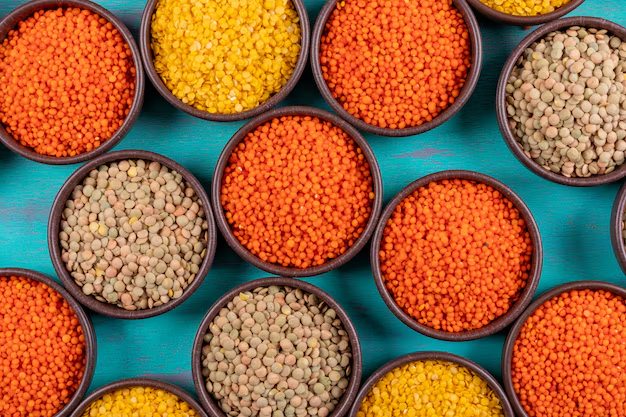
Lentils are a plant-based powerhouse and an essential healthy protein foods option. One cup of cooked lentils contains around 18 grams of protein, along with fiber, iron, and folate. They are rich in complex carbohydrates, which provide sustained energy, and are a perfect choice for vegetarians and vegans seeking complete nutrition.
The fiber and protein in lentils help with weight management and digestive health. Protein promotes satiety, while fiber improves digestion, prevents constipation, and regulates blood sugar levels. Regular consumption supports heart health, aids metabolism, and helps maintain stable energy throughout the day. Lentils also contain antioxidants that fight inflammation and promote overall wellness.
Lentils are versatile and easy to incorporate into meals. They can be added to soups, stews, salads, veggie patties, or even baked dishes. Affordable, nutrient-rich, and environmentally friendly, lentils provide a sustainable protein source. Their combination of protein, fiber, and micronutrients makes them a vital part of any diet focused on healthy protein foods and long-term health.
Almonds 🌰
Almonds are nutrient-dense nuts and a convenient source of healthy protein foods. One ounce (around 23 almonds) provides 6 grams of protein along with fiber, vitamin E, magnesium, and heart-healthy fats. They support heart health, improve brain function, and assist in maintaining healthy cholesterol levels.
Almonds also contribute to weight management and satiety. The combination of protein, fiber, and healthy fats helps control appetite and prevents overeating. They provide a steady source of energy and support metabolism, making them ideal for snacks, pre-workout meals, or on-the-go nutrition. Regular almond consumption has been linked to improved blood sugar regulation and sustained energy.
Almonds are versatile and easy to consume. They can be eaten raw, roasted, or added to cereals, yogurt, smoothies, and baked goods. Affordable, widely available, and nutrient-rich, almonds are a simple yet effective way to include high-quality protein in your diet. Their convenience, taste, and nutritional benefits solidify their place among healthy protein foods.
Quinoa 🍚
Quinoa is a complete plant-based protein, making it an exceptional healthy protein foods option. One cup of cooked quinoa provides 8 grams of protein and all nine essential amino acids. Quinoa is also high in fiber, magnesium, antioxidants, and various vitamins, contributing to overall health and vitality.
The protein and fiber in quinoa support weight management, satiety, and digestive health. High-protein meals keep you full longer, while fiber aids in digestion and stabilizes blood sugar levels. Quinoa also boosts metabolism, provides sustained energy, and helps maintain lean muscle mass. Its complete amino acid profile makes it a reliable source of plant-based protein for vegetarians and vegans.
Quinoa is versatile and easy to prepare. It can be used as a base for salads, grain bowls, breakfast porridges, or even baked dishes. Gluten-free and nutrient-dense, quinoa is suitable for a wide range of diets. Incorporating quinoa into your meals ensures a steady supply of protein, essential nutrients, and energy, making it a must-have among healthy protein foods.
Salmon 🐟
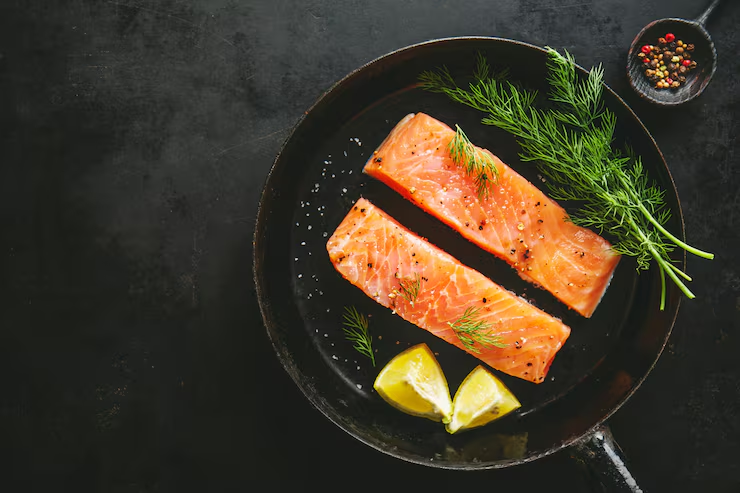
Salmon is an oily fish packed with protein and omega-3 fatty acids, placing it among the best healthy protein foods. A 3-ounce serving provides around 22 grams of protein and healthy fats, which support heart health, cognitive function, and anti-inflammatory processes. Salmon is also rich in vitamins D and B12, essential for bone health and energy production.
The protein and omega-3 fatty acids in salmon aid in muscle growth, weight management, and metabolism. High-protein meals help maintain lean muscle, while healthy fats promote satiety and cardiovascular health. Regular consumption can reduce inflammation, support joint health, and improve overall energy levels. Salmon is particularly beneficial for athletes and individuals with active lifestyles.
Salmon is easy to cook and versatile. It can be baked, grilled, poached, or added to salads and pasta dishes. Combining protein and healthy fats makes it a nutrient-dense option suitable for all ages. Incorporating salmon regularly ensures a balanced intake of protein, omega-3s, and essential vitamins, reinforcing its role as a top healthy protein foods choice.
Cottage Cheese 🧀
Cottage cheese is a high-protein, low-fat dairy option, making it an excellent healthy protein foods choice. One cup contains around 27 grams of protein, calcium, and other essential nutrients. Its slow-digesting casein protein supports muscle repair and growth over extended periods, making it ideal for nighttime consumption.
The high protein content in cottage cheese aids in weight management and satiety. It helps control appetite, stabilizes blood sugar, and supports lean muscle mass retention. Cottage cheese is particularly useful for those engaged in regular exercise or strength training, as it promotes recovery and enhances energy levels.
Cottage cheese is versatile and easy to incorporate into meals. It can be eaten plain, mixed with fruits or vegetables, blended into smoothies, or used in savory dishes. Affordable, nutrient-rich, and convenient, cottage cheese is an ideal addition to a protein-focused diet. Its combination of casein protein, calcium, and vitamins makes it a key player in healthy protein foods.
Chia Seeds 🌾
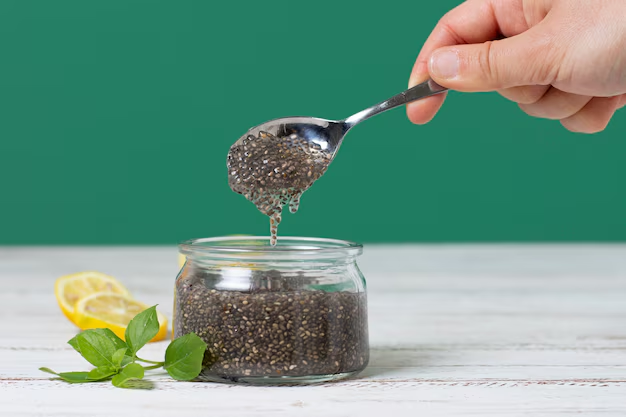
Chia seeds are tiny but nutrient-packed and an excellent source of plant-based healthy protein foods. Two tablespoons provide 5 grams of protein, omega-3 fatty acids, fiber, and antioxidants. Chia seeds help support heart health, brain function, and digestive wellness.
The protein and fiber in chia seeds aid in weight management and satiety. They slow digestion, maintain blood sugar stability, and provide long-lasting energy. Chia seeds are particularly helpful for vegetarians and vegans looking for plant-based protein options that are also rich in micronutrients.
Chia seeds are easy to include in daily meals. They can be added to smoothies, yogurt, oatmeal, or made into puddings. Their versatility, nutritional density, and protein content make chia seeds a powerful addition to any diet focused on healthy protein foods.
Tofu 🍲
Tofu is a soy-based protein and a staple among healthy protein foods for vegetarians and vegans. One cup provides around 20 grams of protein and contains all essential amino acids. It is low in fat, rich in iron and calcium, and supports muscle building, bone health, and overall vitality.
The protein in tofu helps with muscle repair, weight management, and satiety. Its slow-digesting plant protein stabilizes energy levels and supports lean muscle mass. Tofu is an excellent alternative to animal protein for those following plant-based or low-fat diets, offering versatility without sacrificing nutrition.
Tofu is highly adaptable in cooking. It can be grilled, baked, stir-fried, or blended into smoothies. It absorbs flavors easily, making it suitable for a wide variety of dishes. Regular inclusion of tofu ensures a steady supply of complete protein, essential nutrients, and energy, making it one of the top healthy protein foods for long-term health and wellness.
Conclusion
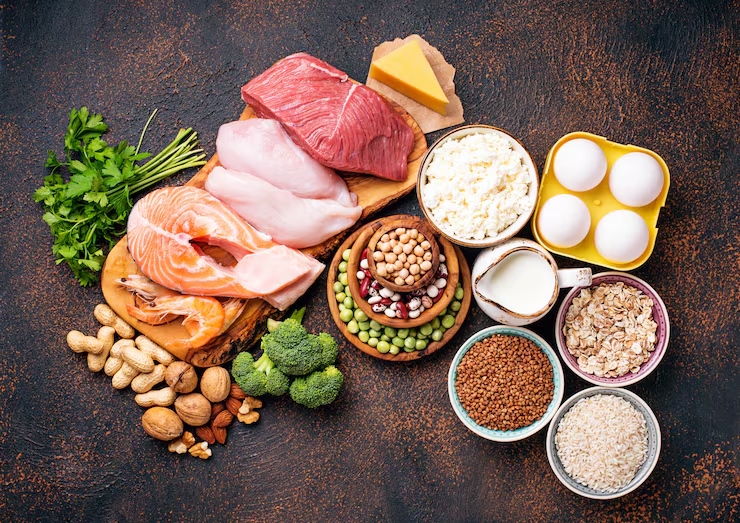
Incorporating healthy protein foods into your diet is a powerful way to maintain strength, energy, and overall health. From eggs and chicken breast to quinoa and tofu, these foods provide essential amino acids, vitamins, and minerals necessary for optimal functioning. Regular consumption supports muscle growth, tissue repair, immune health, and cognitive function, making them indispensable for all ages and lifestyles.
Choosing the right healthy protein foods aids in weight management and overall wellness. High-protein diets increase satiety, reduce cravings, and help maintain lean muscle mass while promoting fat loss. Animal-based and plant-based options allow for variety, ensuring meals are both delicious and nutrient-rich. Incorporating these foods strategically throughout the day supports long-term health goals and provides sustained energy for active living.
Focusing on healthy protein foods is more than dieting—it’s about nourishing your body, improving quality of life, and embracing sustainable health practices. By understanding the benefits, including diverse sources, and balancing intake, you create a diet that promotes vitality, strength, and longevity. Start today by adding these ten amazing protein-rich foods to your meals and enjoy the transformative benefits of a protein-focused, health-boosting diet. 🌟
FAQs
Q1. What are the benefits of consuming protein-rich foods daily?
Consuming protein-rich foods daily supports muscle repair, boosts metabolism, improves immunity, and enhances overall health. Regular intake ensures the body receives essential amino acids, vitamins, and minerals necessary for optimal function. Including protein in every meal also increases energy levels, stabilizes blood sugar, and helps maintain a healthy weight, contributing to long-term well-being.
Q2. Can I get enough protein from plant-based sources?
Yes! Plant-based protein sources like lentils, quinoa, tofu, and chia seeds can provide sufficient protein for daily needs. Combining complementary plant proteins ensures all essential amino acids are obtained. These foods are also rich in fiber, antioxidants, and micronutrients, making them excellent for vegetarians, vegans, or anyone looking for sustainable and nutritious protein options.
Q3. How do healthy protein foods help in weight loss?
Protein-rich foods increase satiety, reduce cravings, and support lean muscle retention during weight loss. High-protein meals require more energy to digest, boosting metabolism naturally. Including foods like eggs, Greek yogurt, chicken breast, or legumes helps control hunger, prevent overeating, and maintain a healthy calorie balance, making weight loss more effective and sustainable over time.
Q4. Are there any risks associated with consuming too much protein?
While protein is essential for health, excessive intake can strain the kidneys, especially in individuals with pre-existing kidney conditions. Balancing protein with carbohydrates, healthy fats, and other nutrients is important for optimal nutrition. Diversifying protein sources and moderating intake ensures safety and effectiveness while providing the full range of amino acids and nutrients the body needs.
Q5. What is the best time to consume protein for maximum benefit?
The body benefits from protein throughout the day. Including protein in breakfast, lunch, and dinner promotes muscle repair, sustained energy, and overall satiety. Pre- and post-workout protein intake, such as eggs or Greek yogurt, supports muscle recovery and performance. Evening protein, like cottage cheese, provides a slow-release source, helping maintain muscle repair overnight and improving long-term results.