


Managing diabetes effectively requires a combination of medical guidance, lifestyle changes, and most importantly, the right dietary choices. Choosing the best foods for diabetes can have a profound impact on blood sugar control, overall health, and long-term well-being. Nutrition plays a pivotal role in stabilizing glucose levels, reducing the risk of diabetes-related complications, and promoting a healthier lifestyle. Understanding which foods are beneficial and how they affect the body is key to successfully managing this chronic condition.
The best foods for diabetes are those that provide essential nutrients without causing sudden spikes in blood sugar. These foods typically include a mix of fiber-rich vegetables, whole grains, lean proteins, and healthy fats. Incorporating such foods into daily meals not only helps regulate blood sugar but also supports weight management, heart health, and sustained energy levels. Making informed food choices empowers individuals to take control of their health and maintain optimal wellness.
In addition, selecting the best foods for diabetes is not solely about restriction; it is about creating a balanced, enjoyable diet that fosters overall vitality. Eating a variety of nutrient-dense foods ensures that the body receives essential vitamins, minerals, and antioxidants necessary for optimal functioning. With consistent dietary planning and awareness, individuals with diabetes can achieve better glycemic control, improve insulin sensitivity, and lead a healthier life. This article explores the most effective and beneficial foods for diabetes, explaining their nutritional benefits, preparation methods, and practical tips for incorporating them into everyday meals.
What Are the Best Foods for Diabetes
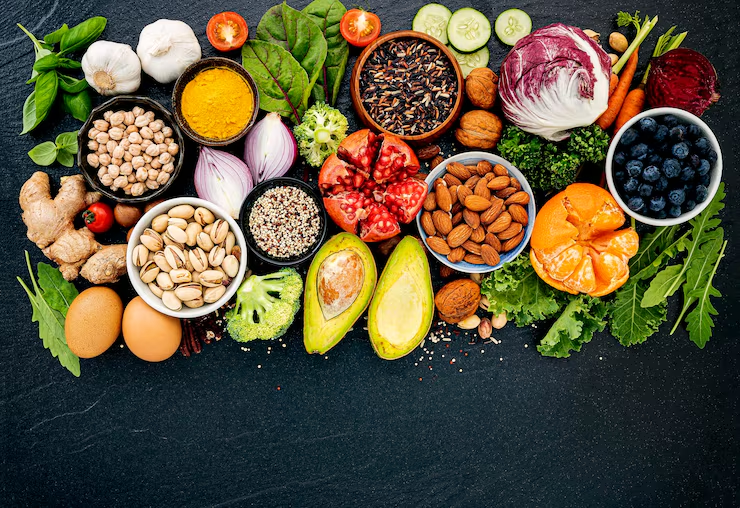
The best foods for diabetes are nutrient-rich options that help regulate blood sugar while providing essential vitamins and minerals. These foods include vegetables, fruits, whole grains, legumes, nuts, seeds, lean proteins, and certain dairy products. Each of these categories offers specific benefits that contribute to blood sugar stability and overall health. Incorporating these foods into a daily diet can reduce the risk of insulin resistance, cardiovascular issues, and other diabetes-related complications.
Vegetables such as spinach, kale, and broccoli are low in carbohydrates but high in fiber, antioxidants, and micronutrients. Fiber is particularly important for managing diabetes because it slows the absorption of sugar in the bloodstream, preventing rapid spikes in glucose levels. Fruits like berries, apples, and citrus fruits provide natural sweetness while offering vitamins, minerals, and polyphenols that support metabolic health. Whole grains, including oats, quinoa, and barley, are excellent sources of complex carbohydrates that release energy gradually, ensuring long-lasting energy and better glycemic control.
Proteins and healthy fats are equally important in a diabetes-friendly diet. Lean meats, fish, legumes, nuts, and seeds provide satiety, stabilize blood sugar, and promote muscle health. Healthy fats, such as those found in avocados, olive oil, and fatty fish, improve insulin sensitivity and support cardiovascular health. Choosing the best foods for diabetes requires understanding the nutritional profile of foods, balancing macronutrients, and adopting a consistent eating pattern that prioritizes both blood sugar control and overall wellness.
Why the Best Foods for Diabetes Are Crucial
The best foods for diabetes are essential because they directly influence blood sugar levels, insulin response, and long-term metabolic health. Consuming the right foods helps prevent hyperglycemia and hypoglycemia, stabilizes energy levels, and reduces the risk of diabetes complications, such as heart disease, neuropathy, and kidney issues. A well-balanced diet also supports weight management, which is a key factor in controlling type 2 diabetes.
Choosing the best foods for diabetes also improves overall quality of life. Proper nutrition can enhance mood, cognitive function, and physical performance, all of which are often impacted by diabetes. High-fiber foods and low-glycemic index options are particularly effective in managing cravings and maintaining satiety throughout the day. Additionally, nutrient-dense foods provide antioxidants that reduce oxidative stress and inflammation, which are common concerns for individuals with diabetes.
Furthermore, the best foods for diabetes contribute to sustainable lifestyle changes. Rather than relying solely on medications, a diet rich in whole, minimally processed foods enables individuals to achieve better blood sugar control naturally. With careful planning, portion control, and mindful eating, incorporating these foods into daily meals can lead to long-term health benefits, lower reliance on medications, and improved overall well-being.
Top Best Foods for Diabetes
Leafy Green Vegetables
Nutritional Benefits:
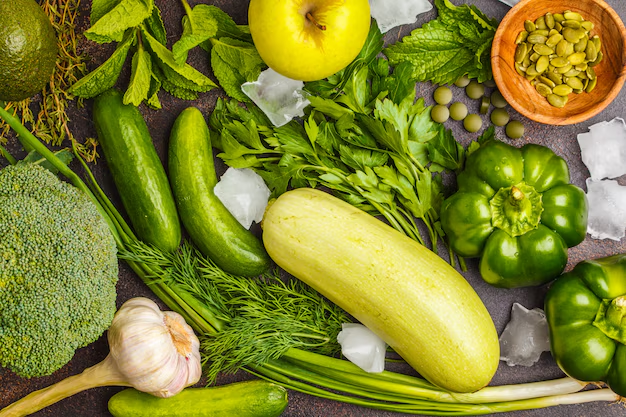
Leafy green vegetables such as spinach, kale, Swiss chard, and collard greens are considered some of the best foods for diabetes due to their extremely low carbohydrate content and high fiber. They are packed with essential vitamins like A, C, and K, along with minerals such as magnesium, iron, and calcium. The antioxidants in leafy greens help combat inflammation and oxidative stress, which are common in individuals with diabetes. Additionally, the fiber content aids in slowing down glucose absorption, leading to better blood sugar control throughout the day.
Leafy greens also contribute to heart health, a critical concern for people managing diabetes. Their potassium content helps regulate blood pressure, while the phytonutrients protect arteries and reduce the risk of cardiovascular disease. Regular consumption of these vegetables supports not only glycemic control but also weight management, as they are low in calories and highly filling. Including a variety of leafy greens ensures a balanced nutrient profile, which is essential for optimal metabolic health in diabetic patients.
How to Make It:
Leafy greens can be enjoyed raw in salads or lightly sautéed with olive oil and garlic. They can also be added to soups, stews, and smoothies for an extra nutrient boost. To maximize the absorption of fat-soluble vitamins like A and K, pair leafy greens with healthy fats, such as avocado or olive oil. Including leafy greens in every meal is a simple and effective way to incorporate one of the best foods for diabetes into your daily diet.
Berries
Nutritional Benefits:
Berries such as blueberries, strawberries, raspberries, and blackberries are some of the best foods for diabetes because they are rich in fiber, vitamins, and antioxidants while having a low glycemic index. The high antioxidant content, including anthocyanins, helps reduce oxidative stress and inflammation, which can negatively impact insulin sensitivity. The fiber in berries slows the release of sugar into the bloodstream, preventing sudden spikes in blood glucose levels.
Regular consumption of berries has also been linked to improved heart health, which is particularly important for diabetic patients. The polyphenols in berries can help lower cholesterol, reduce blood pressure, and improve vascular function. In addition, berries provide natural sweetness, making them a healthy alternative to sugar-laden snacks or desserts. They are versatile, nutrient-dense, and can be easily incorporated into daily meals.
How to Make It:
Berries can be eaten fresh, frozen, or dried without added sugar. They are perfect for breakfast when added to oatmeal or yogurt and make an excellent topping for smoothies or desserts. Pairing berries with protein-rich foods such as Greek yogurt or nuts enhances blood sugar stabilization. Incorporating berries into meals a few times a week is a delicious and practical way to enjoy one of the best foods for diabetes.
Whole Grains
Nutritional Benefits:
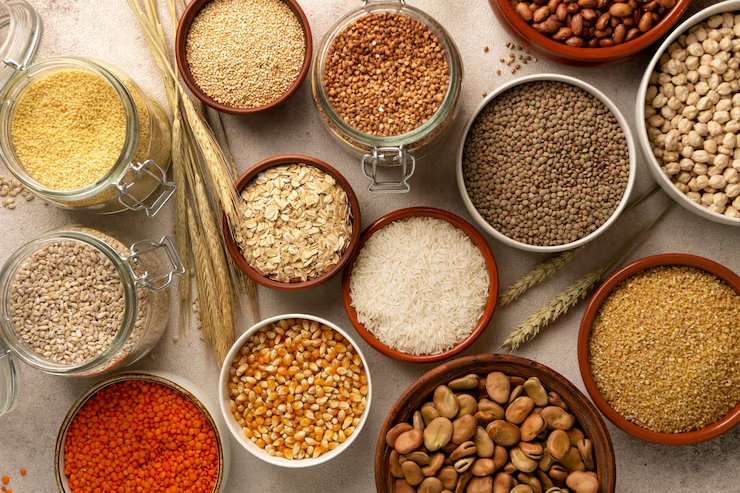
Whole grains, including oats, quinoa, barley, and brown rice, are among the best foods for diabetes due to their high fiber content and complex carbohydrate structure. These grains release glucose slowly into the bloodstream, preventing rapid spikes in blood sugar. Whole grains are also rich in B vitamins, magnesium, and iron, which support energy metabolism and overall health. The fiber in whole grains promotes satiety, helping prevent overeating and supporting weight management—an important factor for diabetes control.
Consuming whole grains regularly also improves gut health and metabolic function. They contain antioxidants and plant compounds that reduce inflammation and protect against insulin resistance. Studies show that diets rich in whole grains can lower the risk of type 2 diabetes and cardiovascular disease. By replacing refined grains with whole grains, individuals can achieve better glycemic control and promote overall metabolic health.
How to Make It:
Whole grains can be incorporated into meals as breakfast oatmeal, quinoa salad, or brown rice bowls. They also work well as a base for stir-fries, soups, and casseroles. Combining whole grains with vegetables, legumes, or lean proteins maximizes nutrient absorption and enhances blood sugar control. Including whole grains in daily meals ensures one of the best foods for diabetes is part of a balanced diet.
Legumes
Nutritional Benefits:
Legumes, including beans, lentils, and chickpeas, are excellent sources of plant-based protein and fiber, making them some of the best foods for diabetes. Their low glycemic index helps maintain steady blood sugar levels, while the fiber content slows digestion and glucose absorption. Legumes are also rich in essential minerals such as iron, magnesium, and potassium, which support metabolic and cardiovascular health.
Regular consumption of legumes can aid in weight management and improve insulin sensitivity. The combination of protein and fiber promotes satiety and reduces the risk of overeating, which is particularly beneficial for individuals with type 2 diabetes. Additionally, legumes contain plant compounds that help reduce inflammation, lower cholesterol, and support overall cardiovascular function.
How to Make It:
Legumes can be cooked into soups, stews, and curries or used in salads and grain bowls. Chickpeas can be roasted for a crunchy snack, and lentils can be blended into spreads like hummus. Incorporating legumes into meals several times a week provides consistent blood sugar support and ensures that one of the best foods for diabetes is included in the diet.
Fatty Fish

Nutritional Benefits:
Fatty fish such as salmon, mackerel, sardines, and trout are some of the best foods for diabetes due to their high content of omega-3 fatty acids and protein. Omega-3s reduce inflammation, improve heart health, and enhance insulin sensitivity. Protein from fish supports muscle health and promotes satiety, which helps maintain stable blood sugar levels. Fatty fish also provide essential vitamins like D and B12, which are important for metabolic and bone health.
Including fatty fish in the diet can reduce the risk of cardiovascular complications, which are more common in individuals with diabetes. Omega-3 fatty acids help lower triglycerides, improve arterial function, and reduce inflammation, supporting overall metabolic health. Consuming fatty fish regularly is associated with better glycemic control and a healthier lipid profile.
How to Make It:
Fatty fish can be grilled, baked, or steamed with herbs and spices. Pairing fish with vegetables or whole grains makes a balanced, diabetes-friendly meal. Consuming fatty fish at least twice a week ensures that one of the best foods for diabetes is included in your diet, providing both heart and blood sugar benefits.
Nuts and Seeds
Nutritional Benefits:
Nuts and seeds, such as almonds, walnuts, flaxseeds, and chia seeds, are considered some of the best foods for diabetes due to their high content of healthy fats, fiber, and plant-based protein. These nutrients help slow digestion, stabilize blood sugar, and provide lasting satiety, reducing the likelihood of overeating or snacking on unhealthy foods. Additionally, nuts and seeds are rich in antioxidants, including vitamin E, which helps combat oxidative stress associated with diabetes.
Regular consumption of nuts and seeds has also been linked to improved cardiovascular health, which is especially important for people with diabetes. Their monounsaturated and polyunsaturated fats help reduce bad cholesterol levels while supporting healthy blood vessels and heart function. Fiber from nuts and seeds also promotes gut health, aids digestion, and contributes to overall metabolic stability, making them essential components of a diabetes-friendly diet.
How to Make It:
Nuts and seeds can be enjoyed as snacks, added to oatmeal, yogurt, or smoothies, or sprinkled over salads for a crunchy texture. They can also be incorporated into baked goods or ground into spreads. Portion control is key since nuts and seeds are calorie-dense; a small handful per day is sufficient. Regular inclusion of these nutrient-rich foods ensures one of the best foods for diabetes is part of your daily routine.
Greek Yogurt

Nutritional Benefits:
Greek yogurt is one of the best foods for diabetes because it is rich in protein, probiotics, and calcium while containing fewer carbohydrates than regular yogurt. The high protein content helps stabilize blood sugar levels and promotes satiety, making it easier to control portion sizes and prevent overeating. Probiotics support gut health, which plays a crucial role in glucose metabolism and overall metabolic function.
In addition to blood sugar management, Greek yogurt is beneficial for bone health due to its calcium and vitamin D content. Its low-fat or unsweetened varieties are ideal for diabetes-friendly diets, as they provide essential nutrients without added sugars. Consuming Greek yogurt regularly can also help improve cholesterol levels and support weight management, further benefiting metabolic health.
How to Make It:
Greek yogurt can be enjoyed as a breakfast or snack by pairing it with berries, nuts, or seeds. It can also be used in smoothies, salad dressings, or as a base for savory dips and sauces. Choosing plain, unsweetened Greek yogurt ensures maximum nutritional benefit while keeping blood sugar stable. Regular consumption of Greek yogurt incorporates a protein- and probiotic-rich food that is excellent for diabetes management.
Avocados
Nutritional Benefits:
Avocados are considered one of the best foods for diabetes because they are high in monounsaturated fats, fiber, and potassium. These nutrients help improve insulin sensitivity, regulate blood sugar levels, and support heart health. The fiber content in avocados slows carbohydrate absorption, reducing spikes in blood sugar and promoting prolonged satiety.
In addition, avocados are rich in antioxidants, such as lutein and zeaxanthin, which support eye health—a vital consideration for individuals with diabetes. Regular consumption of avocados has been linked to improved cholesterol levels, reduced inflammation, and better cardiovascular outcomes. Their nutrient density and versatility make them a valuable addition to a diabetes-friendly diet.
How to Make It:
Avocados can be sliced onto salads, mashed into spreads or guacamole, blended into smoothies, or used as a substitute for butter in recipes. Pairing avocados with high-fiber vegetables or whole grains enhances blood sugar stabilization. Incorporating avocados into daily meals ensures one of the best foods for diabetes is included while providing healthy fats and essential nutrients.
Tomatoes

Nutritional Benefits:
Tomatoes are one of the best foods for diabetes because they are low in carbohydrates while rich in vitamins, minerals, and antioxidants like lycopene. Lycopene is known for its anti-inflammatory and heart-protective properties, which help reduce the risk of cardiovascular complications commonly associated with diabetes. Tomatoes also provide vitamins A, C, and K, along with potassium, supporting overall metabolic and vascular health.
Regular consumption of tomatoes may help reduce blood pressure, lower cholesterol, and improve insulin sensitivity. Their high water and fiber content promote satiety, aiding weight management and helping prevent blood sugar spikes. Including tomatoes in meals contributes to overall nutrient diversity and provides antioxidant support for individuals with diabetes.
How to Make It:
Tomatoes can be consumed raw in salads, roasted as a side dish, or blended into soups and sauces. They can also be added to sandwiches, pasta, or omelets. Combining tomatoes with healthy fats, such as olive oil or avocado, enhances the absorption of fat-soluble vitamins. Including tomatoes regularly in meals provides one of the best foods for diabetes along with heart-healthy benefits.
Garlic
Nutritional Benefits:
Garlic is one of the best foods for diabetes due to its bioactive compounds that help improve insulin sensitivity and lower blood sugar levels. Allicin, a sulfur-containing compound in garlic, possesses anti-inflammatory and antioxidant properties that protect against diabetes-related oxidative stress. Garlic also supports cardiovascular health by helping reduce cholesterol, lower blood pressure, and improve blood vessel function.
Incorporating garlic into the diet can enhance immune function and reduce inflammation, which is important for managing diabetes and preventing complications. Its natural compounds also contribute to better metabolic health, aiding in the regulation of glucose and lipid levels in the body. Regular use of garlic can improve both overall health and diabetes management outcomes.
How to Make It:
Garlic can be used fresh, minced, or roasted to enhance the flavor of meals. It can be added to soups, sauces, stir-fries, or salad dressings. Roasting garlic reduces its pungency while preserving its health benefits. Including garlic regularly in daily cooking ensures one of the best foods for diabetes is part of a flavorful and nutrient-rich diet.
Conclusion
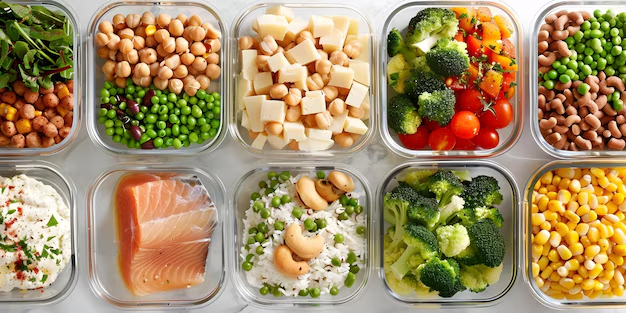
Incorporating the best foods for diabetes into a daily diet is an effective and natural way to manage blood sugar levels, improve insulin sensitivity, and promote overall well-being. Choosing nutrient-dense, low-glycemic foods provides essential vitamins, minerals, and antioxidants that support heart health, reduce inflammation, and protect against diabetes-related complications. Consistency in dietary choices is crucial for long-term health benefits and maintaining optimal glucose levels.
Understanding the nutritional value and preparation methods of the best foods for diabetes enables individuals to create balanced, enjoyable meals. Foods like leafy greens, berries, whole grains, legumes, fatty fish, nuts, seeds, Greek yogurt, avocados, tomatoes, and garlic not only stabilize blood sugar but also contribute to improved energy levels, cognitive function, and digestive health. By incorporating these foods into every meal, individuals with diabetes can achieve better glycemic control while enjoying a varied and satisfying diet.
Moreover, adopting the best foods for diabetes as part of a broader healthy lifestyle can lead to sustainable health improvements. Regular physical activity, adequate hydration, stress management, and sufficient sleep complement a diabetes-friendly diet, enhancing its effectiveness. With mindful planning, portion control, and consistent consumption of these beneficial foods, individuals can reduce reliance on medications, prevent complications, and lead a healthier, more fulfilling life.
FAQs
Q1. What are the most effective best foods for diabetes to stabilize blood sugar?
The most effective best foods for diabetes include leafy greens, berries, whole grains, legumes, fatty fish, nuts, seeds, Greek yogurt, avocados, and tomatoes. These foods are rich in fiber, protein, and healthy fats, which help regulate blood sugar and improve insulin sensitivity.
Q2. Can the best foods for diabetes prevent diabetes complications?
Yes, consistently consuming the best foods for diabetes can reduce the risk of diabetes-related complications. Nutrient-dense foods help stabilize blood sugar, lower inflammation, improve heart health, and support kidney and nerve function, contributing to overall long-term wellness.
Q3. How often should the best foods for diabetes be included in meals?
For optimal results, the best foods for diabetes should be incorporated into every meal and snack. Consistent intake of these foods ensures balanced blood sugar levels, provides essential nutrients, and promotes satiety, which is important for managing type 2 diabetes effectively.
Q4. Are fruits considered the best foods for diabetes?
Certain fruits, such as berries, apples, and citrus fruits, are considered the best foods for diabetes due to their low glycemic index and high fiber content. They provide natural sweetness, essential vitamins, antioxidants, and minerals while supporting blood sugar control.
Q5. Can lifestyle changes combined with the best foods for diabetes improve overall health?
Absolutely. Combining lifestyle changes like regular physical activity, stress management, and proper sleep with the best foods for diabetes enhances blood sugar control, promotes weight management, supports cardiovascular health, and improves overall quality of life.