

A strong and resilient immune system is the cornerstone of maintaining optimal health. In today’s fast-paced world, stress, pollution, and unhealthy lifestyle habits can weaken our natural defense mechanisms, leaving us susceptible to infections and diseases. Including the Top 20 immune-boosting foods in your daily diet can enhance immunity, fight off pathogens, and improve overall vitality. These foods provide essential vitamins, minerals, and antioxidants that support the body’s natural defenses. By choosing the right combination of nutrients, we can ensure that our immune system functions at its peak, protecting us from seasonal illnesses and chronic conditions.
Incorporating Top 20 immune-boosting foods into everyday meals is not only a strategy for disease prevention but also a step toward holistic wellness. Foods such as fruits, vegetables, nuts, seeds, and herbs are rich in compounds that strengthen the immune system. These nutrients help modulate inflammation, improve gut health, and maintain healthy blood cells, which are vital for defending against infections. By making conscious dietary choices, we can create a foundation for long-term health while enjoying delicious and nutrient-dense meals.
Understanding the significance of a well-balanced diet is essential for achieving a strong immune system. The Top 20 immune-boosting foods offer a natural and effective approach to maintaining health without relying solely on supplements or medications. By integrating these foods into your lifestyle, you can enhance energy levels, reduce fatigue, and promote overall well-being. This article provides a comprehensive guide to the best immune-supporting foods, their nutritional benefits, preparation methods, and practical tips for making them a regular part of your diet.
What Are the Top 20 Immune-Boosting Foods
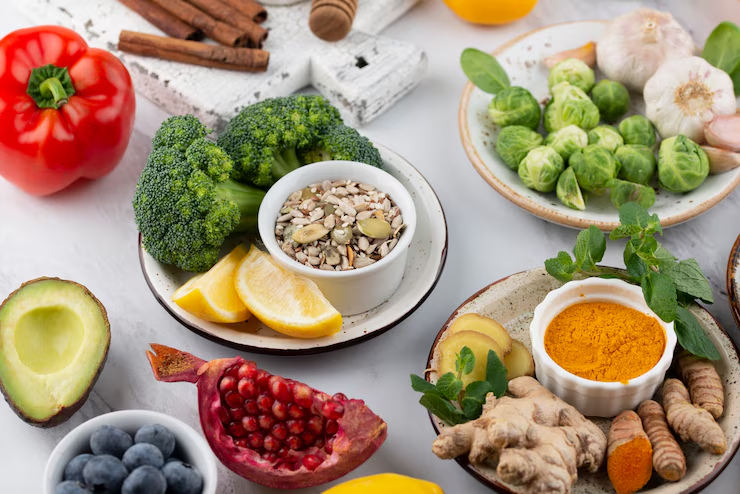
The Top 20 immune-boosting foods are nutrient-rich foods that support immune function, enhance the body’s defense mechanisms, and provide essential vitamins and minerals. These foods are primarily categorized into fruits, vegetables, nuts, seeds, herbs, and other functional foods, each contributing unique compounds that promote health. By including these foods in your diet, you can improve your body’s ability to fight infections and maintain overall wellness. Each food on this list is backed by scientific research, highlighting its role in strengthening immunity and promoting optimal bodily function.
These foods contain compounds such as vitamin C, vitamin A, zinc, selenium, and antioxidants, which are essential for immune cell production and function. For example, citrus fruits provide vitamin C that boosts white blood cell activity, while garlic contains allicin that enhances the body’s defense against pathogens. The Top 20 immune-boosting foods also include nutrient-dense vegetables like broccoli and spinach, which supply phytonutrients that combat oxidative stress and inflammation. Including these foods regularly helps maintain a balanced immune response and supports long-term health.
The Top 20 immune-boosting foods are accessible and versatile, making them easy to integrate into daily meals. They can be consumed raw, cooked, or blended into smoothies, soups, and salads. Understanding the nutritional profile of each food helps in planning meals that are both tasty and immune-supportive. By prioritizing these foods, individuals can build a sustainable diet that not only strengthens the immune system but also improves digestion, energy levels, and overall vitality. The right combination of these foods ensures that your body has the resources it needs to combat illnesses effectively.
Why You Should Include the Top 20 Immune-Boosting Foods in Your Diet
Incorporating the Top 20 immune-boosting foods into your diet is essential for maintaining a healthy and resilient immune system. These foods provide vital nutrients that are directly involved in the production and function of immune cells. For instance, antioxidants in berries neutralize free radicals, reducing oxidative stress and inflammation, which can otherwise compromise immunity. Regular consumption of these foods ensures that the body remains equipped to respond to infections promptly and effectively.
The Top 20 immune-boosting foods also improve gut health, which plays a critical role in immunity. A large portion of the immune system is located in the gut, and a balanced gut microbiome ensures proper immune responses. Probiotic-rich foods, along with fiber-rich fruits and vegetables, help maintain a healthy gut environment, promoting the growth of beneficial bacteria and supporting nutrient absorption. This combination strengthens the body’s natural defenses and enhances overall health.
Moreover, including the Top 20 immune-boosting foods in your diet helps prevent chronic diseases and supports long-term wellness. Nutrient deficiencies can weaken the immune system, making the body vulnerable to infections and inflammation. By consuming a diverse range of immune-supporting foods, you can reduce the risk of illnesses, increase energy levels, and maintain optimal physical and mental health. This proactive approach to diet ensures that your body remains resilient and prepared to face various health challenges.
Top immune-boosting foods
Citrus Fruits
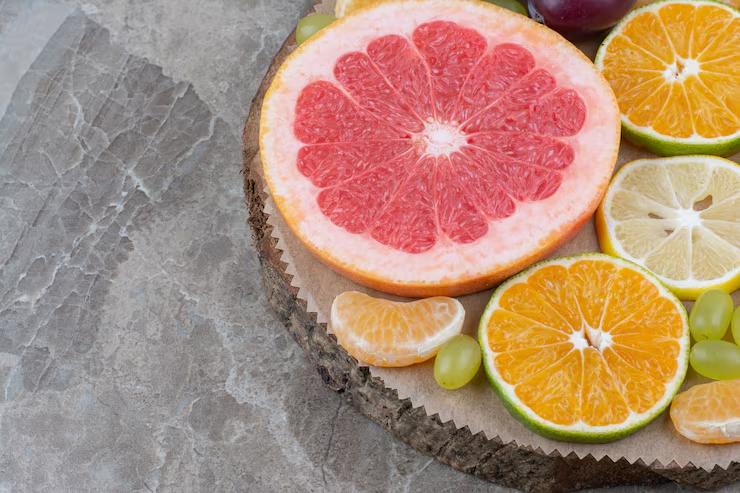
Citrus fruits such as oranges, lemons, grapefruits, and limes are essential members of the Top 20 immune-boosting foods, renowned for their high vitamin C content. Vitamin C is critical for stimulating white blood cell production, which is vital for combating infections and strengthening immunity. Including citrus fruits in your daily diet supports overall immune function, aids in wound healing, and reduces inflammation. Regular intake of these fruits ensures that your body remains resilient against seasonal illnesses.
Nutritional Benefits: Citrus fruits are rich in vitamin C, flavonoids, and fiber. Vitamin C is a powerful antioxidant that boosts white blood cell activity and neutralizes free radicals. Flavonoids have anti-inflammatory properties that help regulate immune responses. The dietary fiber promotes gut health, which is closely linked to strong immunity.
How to Make It: Citrus fruits can be consumed fresh, juiced, or added to salads, smoothies, and desserts. A simple morning routine of drinking freshly squeezed orange juice or adding lemon to warm water can provide a daily immune boost. Combining citrus with other fruits like berries enhances antioxidant intake.
Garlic
Garlic contains sulfur compounds, particularly allicin, that enhance the immune system by activating white blood cells and promoting pathogen-fighting activity. Regular consumption of garlic reduces the risk of infections, supports cardiovascular health, and protects against bacteria, viruses, and fungi. Including garlic in your diet strengthens immunity and provides antioxidant and anti-inflammatory benefits. Its regular intake contributes to a natural and robust defense system, making it one of the Top 20 immune-boosting foods.
Nutritional Benefits: Garlic provides essential nutrients such as vitamin C, manganese, selenium, and sulfur compounds. These nutrients enhance immune cell function, reduce inflammation, and improve overall cellular health. Its antimicrobial properties make it effective against common infections.
How to Make It: Garlic can be used raw in salads, minced in cooking, or roasted for a milder flavor. Combining garlic with vegetables or lean proteins in daily meals maximizes its immune-supporting benefits. Crushing garlic before use enhances the availability of allicin.
Ginger
Ginger is a powerful anti-inflammatory root included in the Top 20 immune-boosting foods for its ability to enhance immunity naturally. Gingerols, the bioactive compounds in ginger, stimulate immune responses, reduce inflammation, and protect against infections. Incorporating ginger into your diet strengthens the body’s defenses and improves overall wellness.
Nutritional Benefits: Ginger contains bioactive compounds with potent antimicrobial, anti-inflammatory, and antioxidant properties. These nutrients enhance digestive health, reduce oxidative stress, and indirectly improve immune system efficiency. Ginger is an essential inclusion in the list of Top 20 immune-boosting foods.
How to Make It: Ginger can be consumed as tea, added to soups, stir-fries, or smoothies. Freshly grated ginger mixed with honey and lemon provides a soothing and immune-boosting drink. Regular incorporation into meals enhances flavor and immunity simultaneously.
Spinach
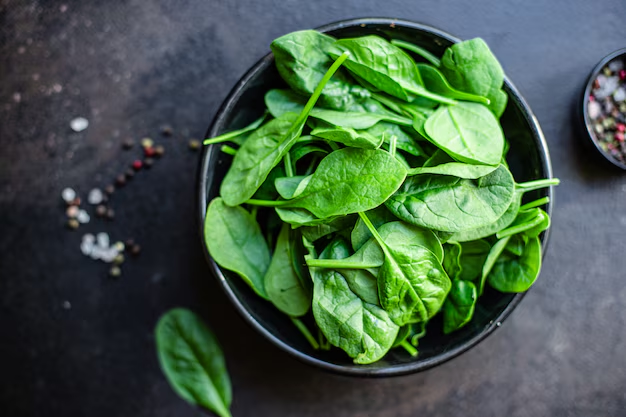
Spinach is a nutrient-dense leafy green and a core member of the Top 20 immune-boosting foods. It is high in vitamins A, C, and K, folate, and iron, all of which enhance immune function. Antioxidants in spinach protect white blood cells from oxidative damage, while magnesium supports immune cell efficiency.
Nutritional Benefits: Spinach is rich in vitamins A, C, K, folate, iron, and antioxidants. These nutrients support immune cell production, reduce inflammation, and improve overall immunity. The fiber in spinach also aids digestion, which is crucial for a healthy immune system.
How to Make It: Spinach can be eaten raw in salads, sautéed with olive oil, or blended into smoothies. Combining spinach with garlic or citrus enhances absorption of nutrients and maximizes immune-supporting benefits.
Almonds
Almonds are an important part of the Top 20 immune-boosting foods due to their high vitamin E content and healthy fats. Vitamin E acts as a powerful antioxidant, protecting immune cells from damage, while monounsaturated fats enhance the absorption of fat-soluble vitamins, boosting overall immunity.
Nutritional Benefits: Almonds, one of the Top 20 immune-boosting foods, provide vitamin E, magnesium, fiber, and healthy fats. Vitamin E acts as a powerful antioxidant, protecting immune cells, while magnesium and fiber improve metabolic health, gut function, and overall immunity, making almonds an essential addition to natural immunity and immune-supporting diets.
How to Make It: Almonds, a key item among the Top 20 immune-boosting foods, can be consumed raw, roasted, or added to smoothies, salads, and oatmeal. Regular snacking on almonds provides a consistent supply of vitamin E, supports natural immunity, and promotes long-term immune health, making them an essential part of any immune-supporting diet.
Turmeric
Turmeric is a golden spice and a prominent entry in the Top 20 immune-boosting foods. Its bioactive compound, curcumin, offers powerful anti-inflammatory and antioxidant effects. Regular turmeric intake supports the immune system, reduces chronic inflammation, and protects cellular health.
Nutritional Benefits: Turmeric is rich in curcumin, manganese, and iron. Curcumin boosts antioxidant activity, regulates immune function, and reduces chronic inflammation. Manganese and iron support enzyme activity crucial for immune health.
How to Make It: Turmeric can be added to curries, soups, teas, or golden milk. Pairing turmeric with black pepper improves curcumin absorption, maximizing its immune-boosting potential.
Yogurt
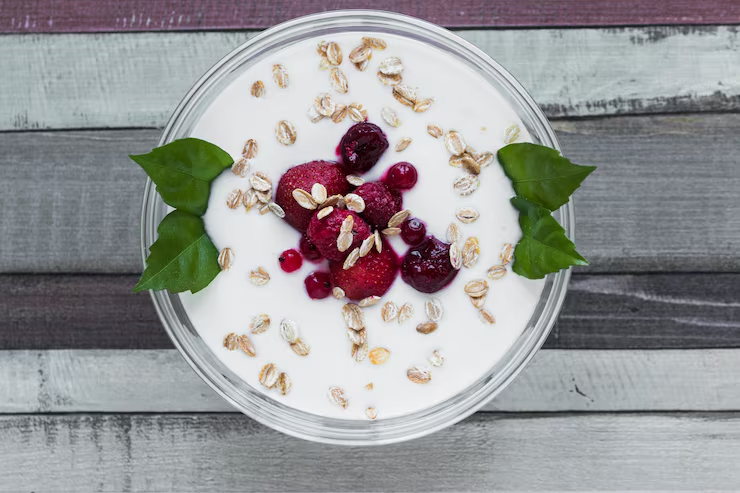
Yogurt is a probiotic-rich food included in the Top 20 immune-boosting foods for its ability to maintain gut health. A healthy gut microbiome is crucial for proper immune function. Probiotics in yogurt enhance immune cell activity and balance gut flora, supporting overall immunity.
Nutritional Benefits: Yogurt contains probiotics, protein, calcium, and vitamin D. Probiotics maintain gut flora, vitamin D supports immune cell function, and protein strengthens overall cellular health.
How to Make It: Yogurt can be consumed plain, with fruits, or as a base for smoothies and dips. Opting for unsweetened yogurt ensures maximum immune benefits while avoiding added sugars.
Blueberries
Blueberries rank among the Top 20 immune-boosting foods because of their rich flavonoid content. These antioxidants improve white blood cell function, reduce inflammation, and enhance overall immune responses. Regular consumption of blueberries strengthens the body’s defense against infections.
Nutritional Benefits: Blueberries provide vitamins C and K, fiber, and flavonoids. These nutrients boost antioxidant activity, support immune cell production, and enhance overall immunity. The fiber also aids gut health, which is essential for strong immunity.
How to Make It: Blueberries can be eaten fresh, added to smoothies, oatmeal, or yogurt. Combining blueberries with citrus fruits increases vitamin C intake, enhancing immune-boosting effects.
Green Tea
Green tea is a significant component of the Top 20 immune-boosting foods due to its high antioxidant content. Catechins in green tea provide antiviral, antibacterial, and anti-inflammatory benefits that strengthen immunity.
Nutritional Benefits: Green tea contains catechins, L-theanine, and polyphenols. Catechins act as antioxidants, L-theanine enhances white blood cell activity, and polyphenols reduce inflammation and oxidative stress.
How to Make It: Green tea can be consumed hot or cold, plain or with a slice of lemon. Drinking green tea daily supports immune health and provides additional metabolic and cognitive benefits.
Red Bell Peppers
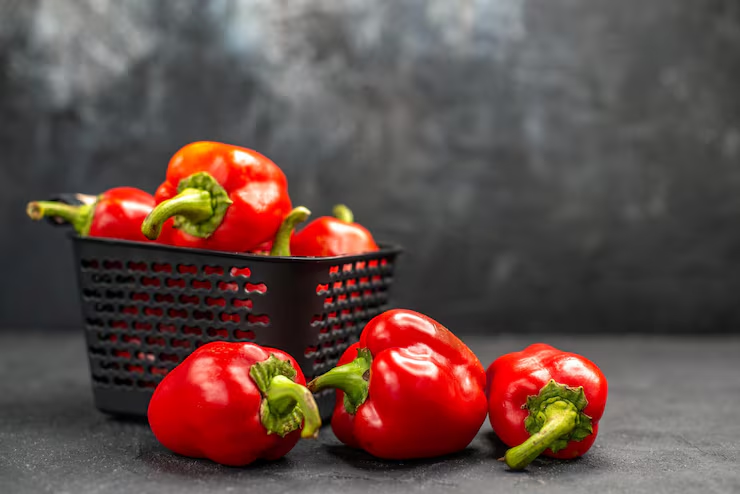
Red bell peppers are included in the Top 20 immune-boosting foods because they are extremely high in vitamin C and beta-carotene. These nutrients strengthen immunity, improve skin and eye health, and protect against oxidative stress.
Nutritional Benefits: Red bell peppers are rich in vitamin C, vitamin A, antioxidants, and fiber. These nutrients enhance white blood cell activity, reduce inflammation, and protect cells from oxidative stress.
How to Make It: Red bell peppers can be eaten raw in salads, roasted, or stir-fried. Combining them with olive oil improves the absorption of fat-soluble vitamins, maximizing immune benefits.
Broccoli
Broccoli is a superfood packed with vitamins C, A, and E, along with fiber and antioxidants that enhance immune function. Regular consumption of broccoli supports detoxification, reduces inflammation, and strengthens the body’s defense against infections.
Nutritional Benefits: Broccoli contains vitamins C, A, E, folate, and sulforaphane. These nutrients improve white blood cell function, neutralize free radicals, and support overall immune health.
How to Make It: Broccoli can be steamed, roasted, or added to soups and salads. Light cooking preserves its nutrients while making it more digestible.
Mushrooms
Mushrooms contain beta-glucans that stimulate immune cell activity and enhance the body’s natural defense. They are also rich in selenium, which supports antioxidant function and helps prevent cellular damage.
Nutritional Benefits: Mushrooms provide beta-glucans, selenium, B vitamins, and antioxidants. These nutrients boost immune responses, reduce oxidative stress, and promote overall cellular health.
How to Make It: Mushrooms can be sautéed, roasted, or added to soups, stews, and salads. Pairing them with garlic enhances immune-supporting properties.
Kiwi
Kiwi is a vitamin C powerhouse that supports immune cell function and improves overall health. It also contains vitamin K, vitamin E, and fiber, which promote digestion and maintain healthy immune responses.
Nutritional Benefits: Kiwi contains vitamins C, K, E, potassium, and antioxidants. These nutrients strengthen white blood cells, reduce inflammation, and protect against infections.
How to Make It: Kiwi can be eaten fresh, added to fruit salads, smoothies, or consumed with a sprinkle of chia seeds for added nutrients.
Papaya
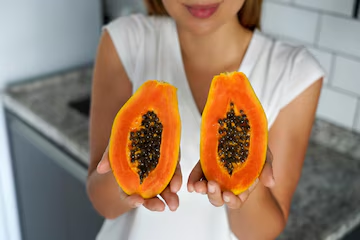
Papaya is a tropical fruit rich in vitamin C, beta-carotene, and digestive enzymes like papain that support immune function and gut health. Its antioxidant properties enhance the body’s ability to fight infections.
Nutritional Benefits: Papaya provides vitamins C, A, folate, and fiber. These nutrients strengthen immunity, reduce oxidative stress, and support digestive health.
How to Make It: Papaya can be eaten raw, in smoothies, or as a topping for salads. Regular consumption improves digestion and strengthens the immune system.
Sunflower Seeds
Sunflower seeds are packed with vitamin E, magnesium, and healthy fats that enhance immune function. Vitamin E acts as a potent antioxidant, protecting immune cells from damage.
Nutritional Benefits: Sunflower seeds contain vitamin E, magnesium, selenium, and protein. These nutrients support immune cell production, reduce inflammation, and promote overall cellular health.
How to Make It: Sunflower seeds can be eaten as a snack, added to salads, oatmeal, or smoothies. Roasting enhances flavor without reducing nutrient content.
Shellfish
Shellfish such as oysters, crab, and mussels are rich in zinc, which plays a crucial role in immune cell development and function. Adequate zinc intake improves the body’s ability to fight infections.
Nutritional Benefits: Shellfish provide zinc, selenium, copper, and protein. Zinc boosts immune responses, selenium acts as an antioxidant, and protein supports overall cellular health.
How to Make It: Shellfish can be steamed, grilled, or added to soups and stews. Consuming shellfish regularly helps maintain strong immunity and overall health.
Carrots
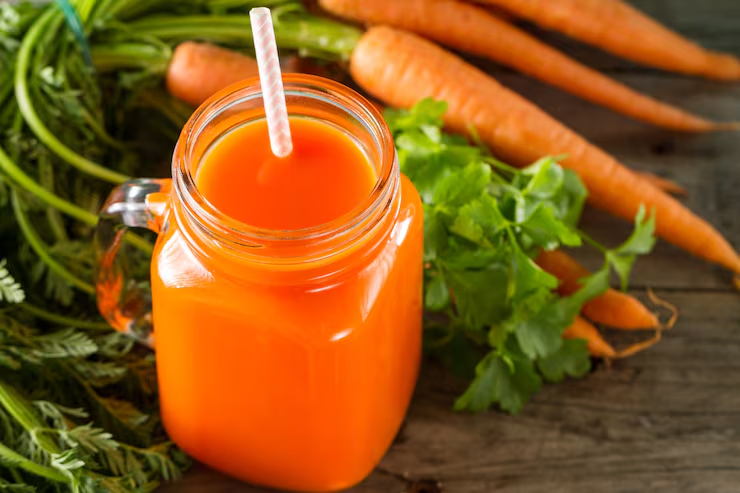
Carrots are rich in beta-carotene, which converts into vitamin A in the body and supports immune function. They also contain antioxidants that protect cells from damage.
Nutritional Benefits: Carrots provide beta-carotene, vitamin A, fiber, and antioxidants. These nutrients enhance immune cell function, improve vision, and reduce inflammation.
How to Make It: Carrots can be eaten raw, steamed, roasted, or blended into smoothies. Combining with healthy fats like olive oil improves vitamin A absorption.
Pomegranate
Pomegranate contains potent antioxidants called polyphenols that reduce oxidative stress and enhance immune responses. Its anti-inflammatory properties support overall immunity and protect against chronic diseases.
Nutritional Benefits: Pomegranate provides vitamin C, fiber, polyphenols, and antioxidants. These compounds boost white blood cell activity, reduce inflammation, and improve cardiovascular health.
How to Make It: Pomegranate seeds can be eaten fresh, added to salads, yogurt, or blended into smoothies for an immune-supporting treat.
Kiwi
Kiwi contains high levels of vitamin C, which supports the production and activity of immune cells. It also contains fiber and antioxidants that promote digestive health and reduce inflammation.
Nutritional Benefits: Kiwi provides vitamins C, K, E, fiber, and antioxidants. These nutrients strengthen immune responses, improve gut health, and reduce oxidative stress.
How to Make It: Kiwi can be consumed raw, added to fruit salads, or blended into smoothies. Pairing with citrus fruits increases vitamin C intake.
Dark Chocolate
Dark chocolate with a high cocoa content is rich in antioxidants that support immune function. Flavonoids in dark chocolate reduce inflammation and enhance the body’s ability to fight infections.
Nutritional Benefits: Dark chocolate provides flavonoids, magnesium, iron, and antioxidants. These compounds reduce oxidative stress, support immune cell function, and improve overall health.
How to Make It: Dark chocolate can be consumed in moderation as a snack or melted into desserts. Pairing with nuts increases nutrient density and immune benefits.
Conclusion
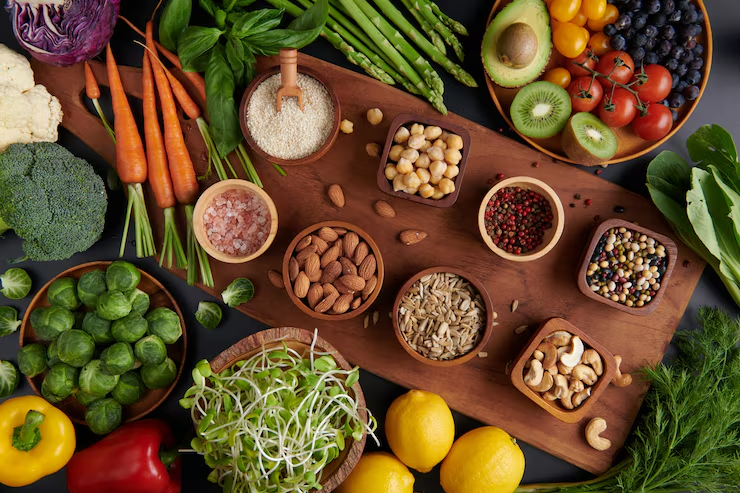
Incorporating the Top 20 immune-boosting foods into your diet is a proactive strategy for maintaining strong immunity and overall wellness. These foods provide essential vitamins, minerals, antioxidants, and bioactive compounds that enhance immune function, reduce inflammation, and improve overall health. By prioritizing these foods, you can strengthen the body’s natural defenses and support long-term vitality.
Regular consumption of the Top 20 immune-boosting foods also contributes to gut health, energy levels, and disease prevention. Including a variety of fruits, vegetables, nuts, seeds, herbs, and functional foods ensures that the body receives a broad spectrum of nutrients necessary for optimal immune responses. This dietary approach not only protects against infections but also promotes holistic wellness.
Adopting a lifestyle that emphasizes the Top 20 immune-boosting foods allows for a sustainable and enjoyable path to health. By integrating these foods into daily meals, preparing them in creative and nutritious ways, and maintaining consistency, individuals can achieve a resilient immune system and improved overall quality of life. Choosing these foods today is an investment in long-term health and vitality.
FAQ’s
Q1. How often should I consume the Top 20 immune-boosting foods for optimal health?
Consuming the Top 20 immune-boosting foods daily or at least several times a week ensures consistent intake of essential nutrients. Regular consumption strengthens immune responses, reduces inflammation, and supports overall wellness. Combining these foods in balanced meals maximizes their effectiveness and promotes long-term immunity.
Q2. Can these foods prevent infections completely?
While the Top 20 immune-boosting foods significantly enhance immunity, they cannot guarantee complete prevention of infections. However, they improve the body’s defense mechanisms, reduce the risk of illnesses, and support faster recovery. Integrating these foods into a healthy lifestyle is key to optimal immune health.
Q3. Are these foods suitable for all age groups?
Yes, the Top 20 immune-boosting foods are generally safe for all age groups, including children, adults, and older adults. Portion sizes and preparation methods should be adjusted according to age and dietary needs. Consulting a nutritionist can help tailor the intake for specific requirements.
Q4. Can I rely on supplements instead of these foods?
Supplements may help in cases of deficiency, but whole foods provide a broader range of nutrients and bioactive compounds. The Top 20 immune-boosting foods offer fiber, antioxidants, and synergistic nutrients that supplements alone cannot fully replicate, making whole foods the preferred choice.
Q5. How can I include all 20 foods in my daily diet?
To incorporate the Top 20 immune-boosting foods, plan meals that combine multiple foods in salads, smoothies, soups, or snacks. Rotating these foods throughout the week ensures variety and consistent nutrient intake. Creative meal planning can make this both enjoyable and sustainable.