

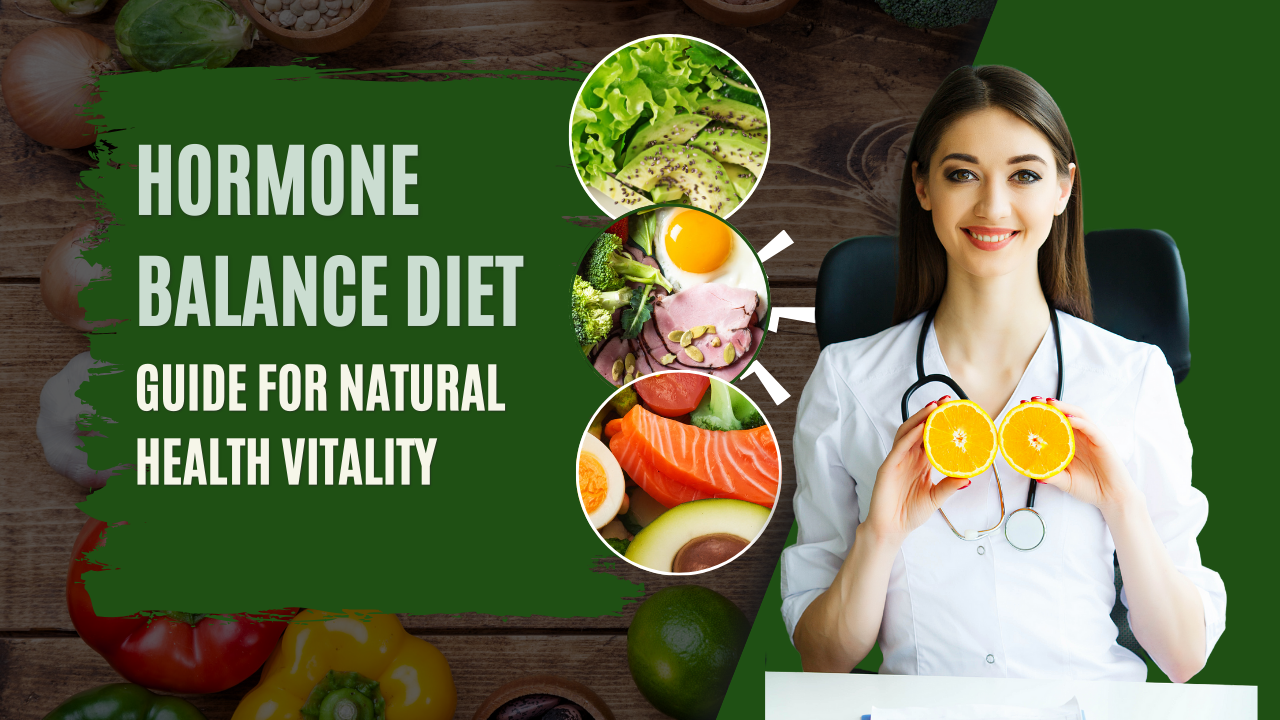
Hormonal health plays a deeply influential role in overall wellbeing, affecting energy levels, metabolism, mood, digestion, sleep quality, skin health, and long-term vitality. When hormones fall out of balance, the body often sends subtle signals such as fatigue, weight fluctuations, emotional instability, or persistent cravings. A thoughtfully planned hormone balance diet offers a natural and sustainable way to support the body’s internal systems and restore equilibrium through everyday food choices.
Unlike short-term dietary trends, a hormone balance diet focuses on nourishing the endocrine system with whole, nutrient-dense foods that work in harmony with the body. This approach emphasizes balance rather than restriction, supporting hormonal communication instead of forcing rapid changes. When followed consistently, this dietary pattern helps the body regulate stress hormones, reproductive hormones, thyroid function, and metabolic processes in a gentle yet effective manner.
In modern lifestyles filled with stress, processed foods, and irregular routines, the importance of a balance diet has grown significantly. By understanding how food interacts with hormones, individuals can make informed choices that promote steady energy, emotional stability, and long-term health. This article explores the meaning, purpose, and practical application of a hormone balance diet, offering in-depth insights to help you build a sustainable and supportive nutritional foundation.

What Is Hormone Balance Diet and Why It Matters
A hormone balance diet is a nutritional approach designed to support the natural production, regulation, and detoxification of hormones in the body. Hormones act as chemical messengers that influence nearly every biological function, and food plays a critical role in how these messengers behave. When meals are built around whole foods, healthy fats, clean proteins, and fiber-rich plants, the body receives the raw materials it needs for hormonal stability.
The importance of a hormone balance diet lies in its ability to address the root causes of imbalance rather than masking symptoms. Blood sugar instability, chronic inflammation, nutrient deficiencies, and digestive issues often disrupt hormone signals. This dietary approach helps stabilize blood sugar, reduce inflammatory responses, and improve gut health, all of which are essential for balanced hormone activity.
Choosing a balance diet also supports long-term prevention. Rather than reacting to health concerns after they arise, this way of eating strengthens the body’s resilience. Over time, it encourages consistent energy, improved focus, balanced appetite signals, and healthier stress responses. By aligning nutrition with the body’s natural rhythms, a hormone balance diet becomes a powerful tool for sustained wellbeing.
Core Principles of Hormone Balance Diet
Whole Food Nourishment as the Foundation
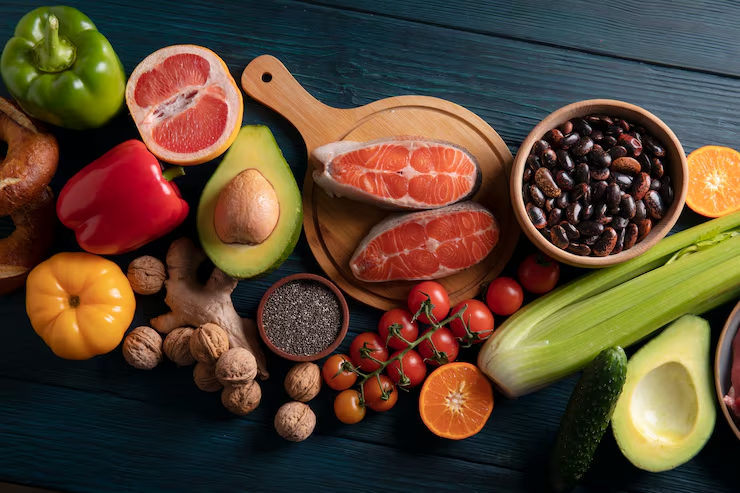
A hormone balance diet begins with the consistent intake of whole, natural foods that support the body at a cellular level. Whole foods provide the essential nutrients required for hormone synthesis, signaling, and detoxification. When the body receives nutrients in their most natural form, hormonal pathways operate more efficiently, reducing internal stress and metabolic confusion. Processed foods often disrupt hormonal communication due to artificial additives and refined ingredients, making whole food nourishment a core principle of a balance diet.
This principle emphasizes consuming foods that remain close to their natural state. Vegetables, fruits, natural proteins, and healthy fats work together to stabilize blood sugar and support endocrine health. A hormone balance diet built on whole foods enhances gut health, which directly influences hormone regulation. Digestive efficiency allows proper absorption of nutrients that contribute to balanced cortisol, insulin, and reproductive hormone activity.
Over time, consistent whole food consumption creates a stable internal environment where hormonal fluctuations become less severe. A hormone balance diet rooted in natural nourishment supports long-term wellness rather than short-term symptom control. The body thrives when it receives clean fuel, making this principle essential for restoring and maintaining hormonal harmony.
Nutritional Benefits:
Whole foods provide vitamins, minerals, antioxidants, and fiber that assist hormone production and detoxification. They reduce inflammation and support gut health, which is vital for estrogen metabolism and insulin balance within a hormone balance diet.
How to Make It:
Choose fresh ingredients, cook meals at home, and limit packaged foods. Focus on variety and seasonality to naturally support a hormone balance diet without restriction.
Blood Sugar Stability as a Core Element
Blood sugar balance plays a crucial role in maintaining hormonal health, making it a foundational principle of a hormone balance diet. When blood sugar fluctuates rapidly, insulin and cortisol levels rise, leading to hormonal disruption. Stabilizing blood sugar supports consistent energy levels and reduces stress on the endocrine system. A hormone balance diet prioritizes steady glucose regulation through balanced meals.
This principle highlights the importance of combining macronutrients in every meal. Protein, fiber, and healthy fats slow digestion and prevent sharp blood sugar spikes. Within a hormone balance diet, this balance helps regulate appetite hormones and improves metabolic efficiency. When blood sugar remains stable, the body experiences fewer cravings and improved emotional stability.
Long-term blood sugar balance supports thyroid health and reproductive hormone function. A hormone balance diet focused on glycemic stability reduces inflammation and improves insulin sensitivity. This creates an internal environment that encourages hormonal cooperation rather than conflict, supporting sustained wellness.
Nutritional Benefits:
Stable blood sugar reduces cortisol spikes and supports insulin efficiency. This balance improves energy, mood, and hormonal signaling throughout the body within a hormone balance diet.
How to Make It:
Include protein and healthy fats in every meal, eat regularly, and prioritize fiber-rich foods to maintain blood sugar balance.
Healthy Fat Integration
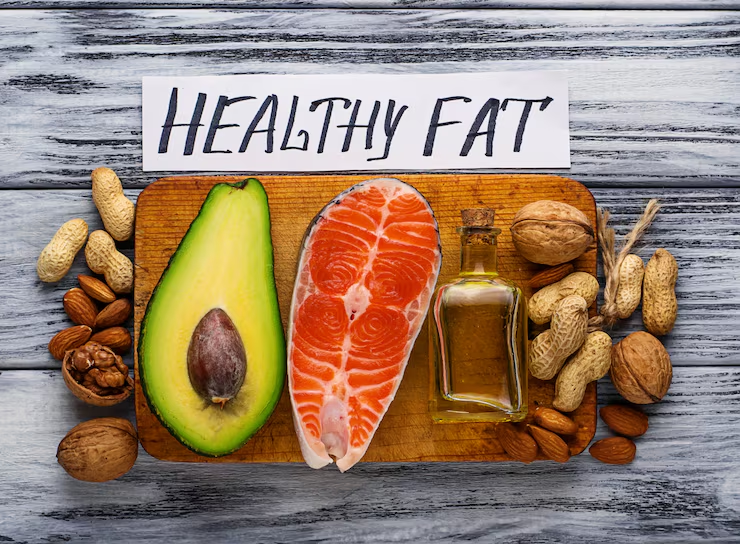
Healthy fats are essential for hormone production, making their inclusion a vital principle of a hormone balance diet. Hormones rely on fat-based compounds for synthesis and cellular communication. Without adequate healthy fats, hormonal signals weaken and balance becomes difficult to maintain. A hormone balance diet ensures consistent intake of nourishing fats.
This principle supports brain health, reproductive hormone function, and inflammation control. Healthy fats also assist in nutrient absorption, allowing fat-soluble vitamins to support hormonal pathways. In a hormone balance diet, balanced fat intake enhances satiety and prevents overeating driven by hormonal imbalance.
Over time, integrating healthy fats stabilizes mood and supports sustained energy. A hormone balance diet that includes appropriate fat sources strengthens cellular integrity and hormonal resilience. This approach encourages long-term balance rather than restrictive dietary patterns.
Nutritional Benefits:
Healthy fats support hormone synthesis, reduce inflammation, and improve nutrient absorption. They also stabilize appetite hormones within a hormone balance diet.
How to Make It:
Incorporate natural fat sources such as seeds, nuts, and plant-based oils while maintaining balanced portions.
Protein Consistency
Protein plays a central role in maintaining hormonal health, making it a core principle of a hormone balance diet. Amino acids from protein are essential for hormone production, enzyme function, and detoxification. Without adequate protein, hormonal imbalances may persist due to insufficient building blocks. A hormone balance diet ensures consistent protein intake.
This principle supports muscle health, metabolic efficiency, and appetite regulation. Protein helps stabilize blood sugar and prevents energy crashes that affect cortisol levels. In a hormone balance diet, evenly distributed protein intake improves hormonal communication throughout the day.
Long-term protein consistency strengthens immune health and supports neurotransmitter balance. A hormone balance diet that prioritizes protein encourages resilience against stress and supports steady hormonal rhythms essential for overall wellbeing.
Nutritional Benefits:
Protein supports hormone synthesis, blood sugar stability, and muscle maintenance. It also promotes balanced appetite hormones within a hormone balance diet.
How to Make It:
Include high-quality protein sources at each meal and adjust portions to individual energy needs.
Fiber-Rich Eating as a Hormone Balance Diet Principle
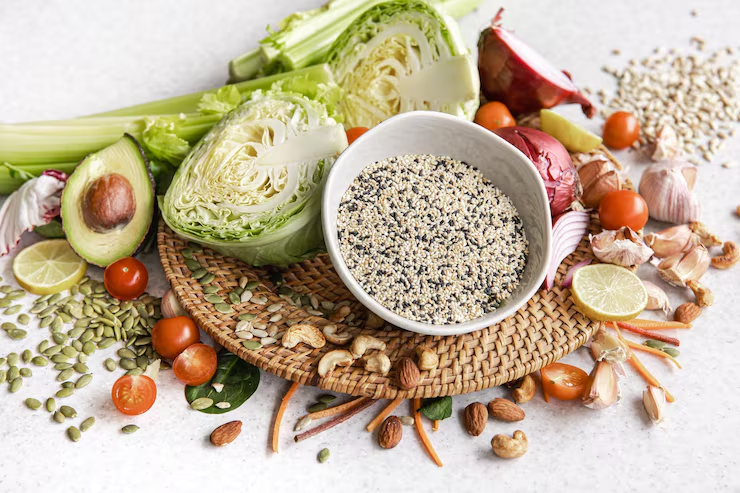
Fiber is essential for hormone detoxification, making it a fundamental principle of a hormone balance diet. It supports digestive health and assists in removing excess hormones from the body. Without adequate fiber, hormonal imbalances may persist due to inefficient elimination. A hormone balance diet emphasizes fiber-rich foods for internal balance.
This principle improves gut microbiome health, which plays a key role in hormone regulation. Fiber helps stabilize blood sugar and supports estrogen metabolism. Within a hormone balance diet, fiber intake contributes to long-term digestive and hormonal harmony.
Consistent fiber consumption enhances nutrient absorption and reduces inflammation. A hormone balance diet that prioritizes fiber supports metabolic health and improves overall vitality through efficient detoxification processes.
Nutritional Benefits:
Fiber supports digestion, hormone clearance, and blood sugar balance. It also promotes gut health essential for a hormone balance diet.
How to Make It:
Increase intake of vegetables, fruits, and whole plant foods gradually to support digestive comfort.
Anti-Inflammatory Focus
Inflammation disrupts hormonal communication, making its reduction a key principle of a hormone balance diet. Chronic inflammation interferes with insulin, cortisol, and reproductive hormone balance. A hormone balance diet emphasizes foods that calm inflammatory responses and support healing.
This principle supports immune function and metabolic health. Anti-inflammatory foods provide antioxidants that protect hormonal pathways. Within a hormone balance diet, reducing inflammation allows hormones to function more efficiently.
Long-term inflammation control supports emotional stability and energy balance. A hormone balance diet that minimizes inflammatory triggers strengthens the body’s ability to self-regulate and maintain equilibrium.
Nutritional Benefits:
Anti-inflammatory foods support hormonal signaling and reduce oxidative stress within a hormone balance diet.
How to Make It:
Choose colorful produce and natural seasonings while limiting inflammatory ingredients.
Digestive Health Support
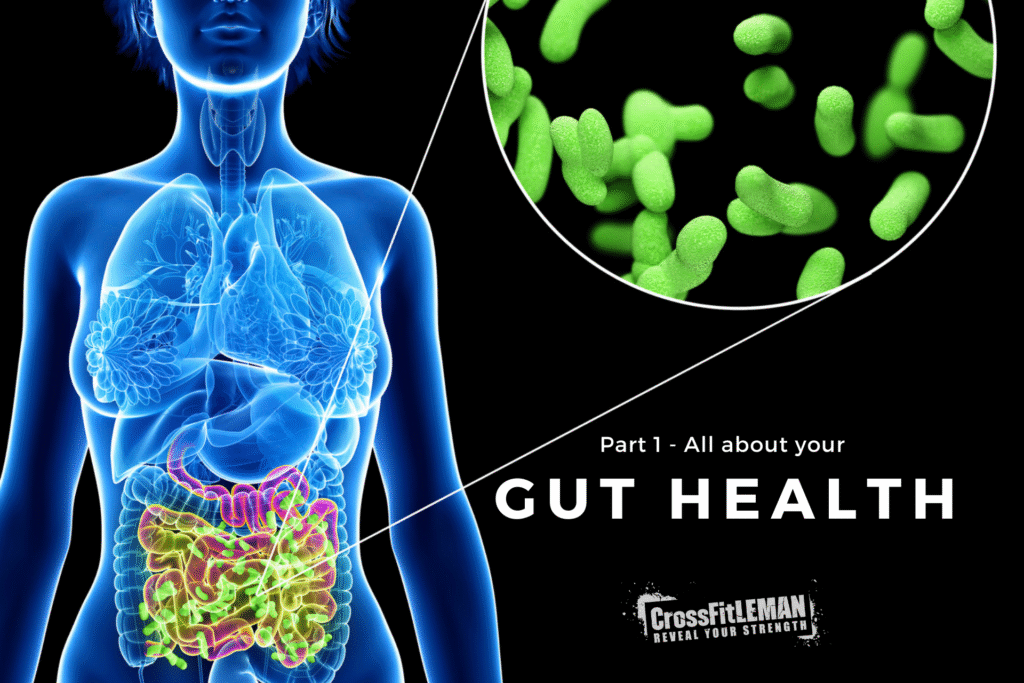
Digestive health directly impacts hormonal balance, making it a vital principle of a hormone balance diet. The gut plays a central role in hormone metabolism and nutrient absorption. A hormone balance diet supports digestive efficiency to enhance hormonal regulation.
This principle emphasizes gut-friendly foods that nourish beneficial bacteria. A healthy gut improves estrogen clearance and reduces hormonal recirculation. Within a hormone balance diet, digestive support strengthens overall endocrine health.
Long-term digestive balance enhances immunity and mental clarity. A hormone balance diet that prioritizes gut health supports sustainable hormonal wellness.
Nutritional Benefits:
Improved digestion enhances nutrient absorption and hormone detoxification within a hormone balance diet.
How to Make It:
Include fermented foods and maintain hydration to support digestive balance.
Stress Regulation Through
Stress has a powerful impact on hormones, making stress regulation a core principle of a hormone balance diet. Nutritional choices influence cortisol production and stress resilience. A hormone balance diet supports calm energy and emotional stability.
This principle emphasizes regular meals and nourishing foods that support the nervous system. Stable nutrition prevents stress-induced hormonal spikes. Within a hormone balance diet, stress management begins with balanced nourishment.
Long-term stress regulation supports reproductive and thyroid hormone health. A hormone balance diet creates a supportive environment for resilience and recovery.
Nutritional Benefits:
Stress-supportive nutrients help regulate cortisol and promote hormonal balance within a hormone balance diet.
How to Make It:
Avoid skipping meals and prioritize calming, nutrient-dense foods.
Detoxification Support

Detoxification is a vital process through which the body removes excess substances and metabolic byproducts that can interfere with internal balance. The liver, digestive system, and kidneys work continuously to filter and eliminate waste, and their efficiency directly affects overall wellbeing. When these systems are supported through proper nutrition, the body is better equipped to maintain internal harmony and reduce the burden caused by environmental and dietary stressors.
Digestive health plays a central role in effective detoxification. When digestion is sluggish or imbalanced, waste products may remain in the body longer than necessary, leading to internal congestion. Fiber-rich foods support regular elimination and help bind substances that need to be removed. Adequate hydration further assists this process by allowing the body to flush out waste efficiently and maintain optimal cellular function.
Supporting natural detox pathways is not about extreme cleanses or restrictive practices, but about gentle, consistent nourishment. Foods rich in antioxidants help protect cells during the detox process, while balanced meals ensure the body has the energy required for daily cleansing functions. Over time, this supportive approach reduces internal stress, promotes clarity, and helps the body maintain a steady state of balance through its own natural systems.
Nutritional Benefits:
Detox-supportive nutrients assist hormone clearance and liver health within a hormone balance diet.
How to Make It:
Consume fiber-rich foods and stay hydrated to support elimination.
Consistency and Balance as the Final Hormone Balance Diet Principle
Consistency and balance are essential for maintaining long-term internal stability and overall wellbeing. The body responds positively to regular routines and predictable nourishment, as sudden changes often trigger stress responses that interfere with natural regulatory systems. When eating patterns are steady and supportive, the body can focus on repair, restoration, and efficient functioning rather than constant adjustment. This steady approach helps create a sense of internal rhythm that supports lasting health.
Balance plays an equally important role because extreme habits can place unnecessary strain on the body. Overemphasis on restriction or excess may lead to nutritional gaps or overload, both of which disrupt internal harmony. A balanced approach encourages variety and moderation, ensuring the body receives a broad range of nutrients needed for optimal function. This principle promotes flexibility, allowing individuals to adapt their choices without feeling confined by rigid rules.
When consistency and balance work together, they create a sustainable lifestyle rather than a temporary effort. Healthy habits repeated over time build resilience and support natural equilibrium. By focusing on long-term patterns instead of short-term results, individuals can maintain stability, energy, and vitality. This principle highlights that true wellness is achieved through steady, mindful choices that support the body day after day.
Nutritional Benefits:
Consistency supports steady hormone signaling and energy balance within a hormone balance diet.
How to Make It:
Maintain regular meals and focus on long-term habits rather than short-term changes.
Conclusion

A hormone balance diet offers a powerful, natural pathway toward improved wellbeing by aligning nutrition with the body’s internal systems. Instead of focusing on restriction or rapid changes, this approach emphasizes nourishment, balance, and consistency. By supporting blood sugar stability, digestive health, and stress regulation, it creates an environment where hormones can function optimally.
The true strength of a hormone balance diet lies in its adaptability. It encourages mindful food choices that evolve with lifestyle demands while maintaining a foundation of whole, nutrient-dense ingredients. Over time, this approach supports steady energy, emotional resilience, and metabolic harmony without the pressure of perfection.
Ultimately, adopting a hormone balance diet is an investment in long-term health. Through intentional nutrition, individuals can cultivate balance from within, empowering the body to restore its natural rhythms and sustain vitality for years to come.
FAQ’s
Q1. How long does a hormone balance diet take to show results
A hormone balance diet supports gradual and sustainable changes. The body responds differently depending on lifestyle, consistency, and individual biology. Many people notice improved energy, digestion, and mood within a few weeks, while deeper hormonal balance develops over time through steady nourishment and routine support.
Q2. Can a hormone balance diet support weight management
Yes, a hormone balance diet naturally supports healthy weight regulation by stabilizing appetite signals and metabolism. Rather than forcing restriction, it helps the body reach balance by improving insulin sensitivity and reducing stress-related weight fluctuations through consistent nutritional support.
Q3. Is a hormone balance diet suitable for long-term use
A hormone balance diet is designed for long-term sustainability. It focuses on nourishment, variety, and balance rather than short-term fixes. This makes it suitable as a lifestyle approach that adapts to changing needs while supporting hormonal health across different life stages.
Q4. Does a hormone balance diet require supplements
While food remains the foundation of a hormone balance diet, some individuals may benefit from targeted supplementation based on personal needs. However, many hormonal improvements occur naturally when nutrient-dense foods and balanced meals become consistent habits.
Q5. Can men benefit from a hormone balance diet
Absolutely. A hormone balance diet supports hormonal health for all individuals by improving energy, metabolism, and stress resilience. Hormonal balance is essential for overall wellbeing regardless of gender, making this dietary approach universally beneficial.