


Proper diet before weight loss surgery is essential for both surgical safety and long-term success. Preparing your body with the right nutrients reduces surgical risks, shrinks the liver, and stabilizes blood sugar, which is crucial for patients with obesity-related conditions. Following a structured pre-surgery diet also helps in building healthier eating habits that continue post-surgery.
A balanced diet before weight loss surgery focuses on high-protein, low-calorie foods, while limiting sugars, refined carbs, and high-fat items. This helps reduce inflammation, maintain energy, and strengthen the immune system, ensuring a smoother recovery. Additionally, the diet can help shrink liver size, making it easier for surgeons to access the stomach safely during surgery.
Beyond physical preparation, this diet supports mental readiness. Adjusting portion sizes, meal frequency, and nutrient intake helps patients manage hunger and cravings, fostering discipline. A successful diet before weight loss surgery sets the stage for effective weight loss and improved long-term health outcomes.

What is Diet Before Weight Loss Surgery ?
A diet before weight loss surgery is a structured eating plan designed to prepare the body for bariatric procedures. It focuses on high-protein, low-calorie foods, limiting sugars and unhealthy fats to reduce liver size and support overall health.
This diet emphasizes nutrient-rich foods like lean meats, eggs, vegetables, and whole grains. By controlling calorie intake and portion sizes, it helps patients lose excess fat around the liver, making surgery safer and more effective. Pre-surgery nutrition also ensures the body has enough vitamins and minerals to promote healing.
In addition to physical preparation, a diet before weight loss surgery trains patients to adopt lifelong healthy habits. Following the diet builds discipline, helps manage hunger, and reduces cravings for unhealthy foods. Understanding “what” the diet entails is the first step toward a successful surgery and long-term weight loss journey.
Why is Diet Before Weight Loss Surgery Important ?
A proper diet before weight loss surgery is critical because it reduces surgical risks and improves recovery. By shrinking the liver and decreasing visceral fat, surgeons can perform procedures more safely.
The diet also stabilizes blood sugar, reduces inflammation, and strengthens the immune system. These benefits minimize complications during and after surgery while promoting faster healing and better energy levels.
Furthermore, following a diet before weight loss surgery instills healthy eating habits, which are essential for long-term weight management. Patients learn portion control, balanced nutrition, and meal planning, which are vital to maintaining results after surgery.
When Should You Start Diet Before Weight Loss Surgery ?
The diet before weight loss surgery should typically begin 2–6 weeks prior to the procedure, depending on the surgeon’s recommendations. Starting early gives the body enough time to adjust and reduce liver fat.
During this period, patients follow a high-protein, low-calorie regimen and avoid sugars, refined carbs, and unhealthy fats. Timing is critical because inadequate preparation can increase surgical risks and prolong recovery.
Starting a diet before weight loss surgery early also provides mental and behavioral preparation. It allows patients to gradually adjust to smaller portions, new food choices, and healthier eating habits, ensuring smoother adaptation after the surgery.
Where Can You Follow Diet Before Weight Loss Surgery ?
A diet before weight loss surgery can be followed at home with proper guidance or in specialized clinics under dietitian supervision. Bariatric centers often provide structured meal plans and nutritional counseling.
Patients can shop for high-protein, low-calorie foods from grocery stores and prepare meals at home, making adherence easier. Some hospitals offer pre-surgery meal kits or online resources to help maintain the diet effectively.
Following a diet before weight loss surgery in a controlled environment ensures better compliance and results. Guidance from professionals reduces errors, ensures nutrient adequacy, and helps patients understand portion sizes and meal timing.
How Does Diet Before Weight Loss Surgery Work ?
The diet before weight loss surgery works by reducing liver size, decreasing visceral fat, and stabilizing blood sugar. High-protein, low-calorie foods provide essential nutrients while minimizing fat accumulation.
It also helps regulate digestion, reduces inflammation, and strengthens the immune system. By preparing the body metabolically and physically, the diet reduces surgical complications and supports faster healing.
Additionally, a diet before weight loss surgery trains patients for post-surgery lifestyle changes. Portion control, meal timing, and healthier food choices during this period make the transition smoother, ensuring sustainable weight loss and improved long-term health.
Top Tips: Diet Before Weight Loss Surgery
Prioritize High-Protein Foods
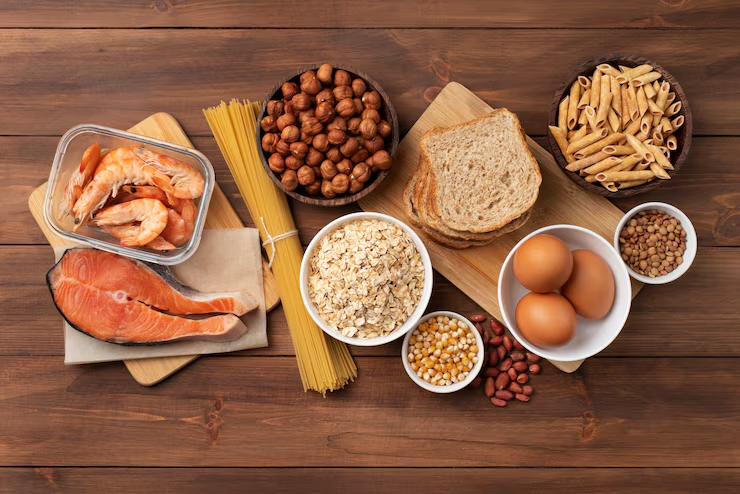
Protein is essential before surgery to maintain muscle mass, boost healing, and stabilize blood sugar. Include lean meats, eggs, Greek yogurt, cottage cheese, tofu, and legumes. Avoid processed meats and fried items.
Eating adequate protein supports tissue repair and strengthens the immune system. Patients are advised to aim for 60–100 grams of protein daily, depending on body weight and surgeon recommendations. Protein shakes can supplement meals when solid foods are limited.
The benefit of a high-protein diet is enhanced recovery, reduced post-surgery muscle loss, and better satiety, which helps manage cravings. Lean proteins also minimize fat intake, making the body easier to operate on during surgery.
Benefits: Enhanced healing, reduced muscle loss, better satiety, and easier post-surgery adaptation. Incorporating protein-rich meals such as scrambled eggs with spinach, grilled chicken salad, or lentil soup ensures nutrient sufficiency and prepares the body efficiently for surgery.
Limit Carbohydrates and Sugars
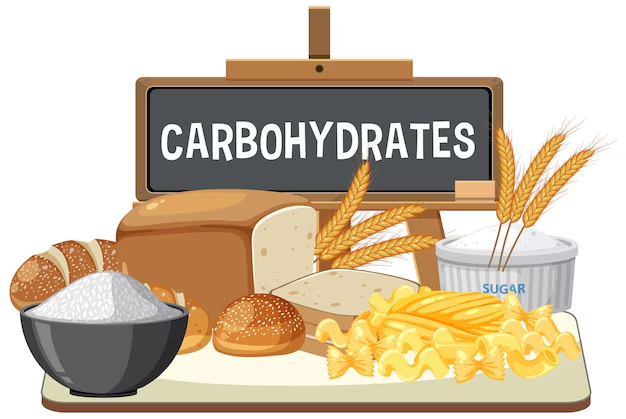
Refined carbs and sugary foods can cause blood sugar spikes, insulin resistance, and inflammation. Minimize white bread, pasta, rice, desserts, and sweetened beverages.
Focus instead on complex carbs like whole grains, oats, quinoa, and vegetables, which provide steady energy without overloading insulin. This stabilizes blood sugar and reduces fat accumulation, particularly around the liver.
Avoiding excessive carbs benefits liver health, reduces surgical risks, and promotes fat loss. Patients often find that controlling carbohydrate intake pre-surgery also decreases cravings and supports long-term weight management.
Benefits: Improved liver health, decreased surgical risk, and effective pre-surgery weight management. Example meals include oatmeal with berries, quinoa salad with vegetables, or roasted sweet potatoes with a side of lean protein to keep meals balanced and satisfying.
Hydrate Properly
Proper hydration is critical before surgery. Water supports kidney function, aids digestion, and helps flush toxins from the body. Aim for 8–10 glasses of water daily unless otherwise directed by a doctor.
Avoid sugary drinks, sodas, and alcohol, as they can dehydrate the body and increase inflammation. Herbal teas and diluted fruit juices in moderation are acceptable alternatives.
The benefits of staying hydrated include reduced post-surgery complications, better energy, improved digestion, and smoother recovery. Adequate hydration also helps manage hunger and supports a healthy metabolism.
Benefits: Enhanced recovery, better energy levels, improved digestion, and fewer complications. Simple ways to stay hydrated include water with lemon, herbal infusions like chamomile or green tea, and keeping a reusable water bottle for daily intake.
Incorporate Healthy Fats
Healthy fats such as avocados, nuts, seeds, and olive oil provide essential fatty acids, which support hormone balance and reduce inflammation. These fats also enhance satiety, making it easier to follow a pre-surgery diet.
Avoid trans fats, fried foods, and processed oils, as they increase fat storage and hinder liver function. Healthy fats should be included in moderation to balance calories and maintain energy.
The benefits of healthy fats include improved heart health, reduced liver strain, and better absorption of fat-soluble vitamins (A, D, E, K), which are crucial for recovery and long-term wellness.
Benefits: Improved heart and liver health, reduced inflammation, better vitamin absorption, and sustained energy. Examples: avocado toast with whole-grain bread, chia pudding, or grilled salmon with roasted vegetables.
Eat Fiber-Rich Foods
Fiber helps with digestion, reduces constipation, and supports gut health. Include vegetables, fruits, whole grains, and legumes in meals. Fiber-rich foods also help maintain steady blood sugar levels.
Avoid low-fiber processed foods, white bread, and pastries, as they contribute to constipation and poor digestive function. Fiber helps prepare the digestive tract for post-surgery dietary changes.
The benefits of fiber include better bowel function, reduced bloating, and improved satiety, which is vital when food intake is restricted after surgery. It also supports weight management and metabolic health.
Benefits: Better bowel function, reduced bloating, prolonged satiety, and support for post-surgery digestion. Example meals: lentil soup with vegetables, oatmeal with chia seeds, or a salad with mixed greens, beans, and olive oil.
Small, Frequent Meals
Eating smaller, more frequent meals helps control hunger, stabilize blood sugar, and reduces stress on the digestive system. Aim for 5–6 small meals per day instead of 2–3 large ones.
Focus on balanced meals containing protein, fiber, and healthy fats. Avoid large portions of carbs or high-fat foods, which can spike blood sugar or cause bloating.
The benefits include better nutrient absorption, reduced nausea, and easier adjustment to post-surgery eating patterns. Frequent meals train the stomach to handle smaller portions efficiently.
Benefits: Improved nutrient absorption, reduced nausea, better adjustment to post-surgery eating patterns, and training the stomach for smaller portions. Small meals like hummus with veggies, protein shakes, and snack-sized portions of nuts help maintain consistency.
Avoid Alcohol and Carbonated Drinks
Alcohol and carbonated drinks increase stomach volume, cause bloating, and strain the liver. These beverages are high in sugar and empty calories, which can interfere with weight loss and liver health before surgery.
Replacing these with water, herbal teas, and low-calorie drinks supports hydration and reduces liver inflammation. Alcohol should be completely avoided 1–2 weeks before surgery.
The benefits include reduced surgical complications, better liver function, and improved digestion. Cutting out these drinks also helps control cravings and supports pre-surgery weight loss goals.
Benefits: Reduced surgical complications, improved liver function, better digestion, and controlled cravings. Herbal teas, infused water, or diluted fruit juices offer flavor while supporting hydration and pre-surgery preparation.
Plan Pre-Surgery Meal Prep
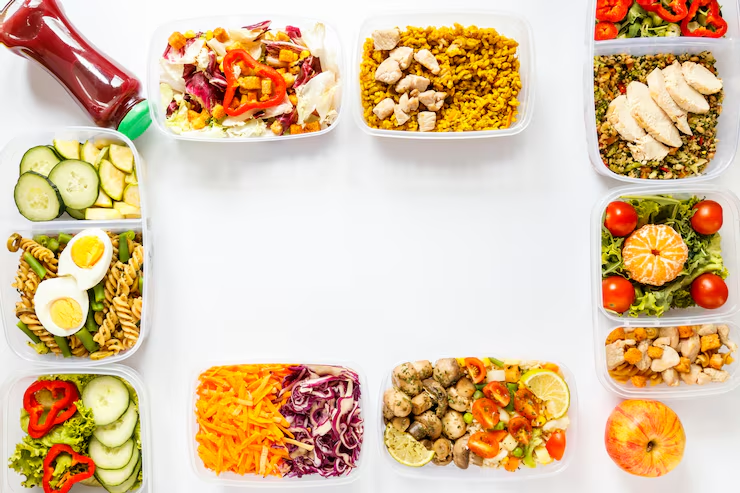
Planning meals ahead ensures compliance with dietary guidelines and prevents impulsive eating of unhealthy foods. Prepare high-protein snacks, portion-controlled meals, and low-calorie recipes in advance.
Keep a variety of healthy foods like lean protein, vegetables, and complex carbs ready. Avoid processed and fast foods that could derail pre-surgery progress.
The benefits of meal planning include stress reduction, better portion control, consistent nutrition, and smoother transition into post-surgery eating habits. It also builds discipline for long-term dietary success.
Benefits: Better portion control, stress reduction, consistent nutrition, smooth transition to post-surgery diet, and long-term discipline. Example: grilled chicken with quinoa and vegetables, boiled eggs with avocado, or pre-portioned snack boxes of nuts and berries.
Additional Tips for Pre-Surgery Nutrition
Include Micronutrient-Rich Foods: Vitamins and minerals are essential in a diet before weight loss surgery. Ingredients like spinach, kale, bell peppers, sweet potatoes, and berries provide antioxidants, vitamin C, magnesium, and potassium. These nutrients support immunity, wound healing, and energy metabolism.
Benefits: Reduced inflammation, improved tissue repair, enhanced immune function, and faster recovery. Example meals: sautéed spinach with garlic, roasted sweet potatoes, and a berry smoothie with Greek yogurt.
Limit Processed and Fast Foods: Highly processed foods contain unhealthy fats, sodium, and additives that can impair liver function and digestive health. Avoid fried foods, packaged snacks, instant noodles, and sugary sauces in a diet before weight loss surgery.
Benefits: Lower liver fat, reduced inflammation, better digestion, and easier adherence to a healthy pre-surgery diet. Example alternatives: homemade baked chips, grilled sandwiches with whole-grain bread, and homemade tomato sauce instead of store-bought sauces.
Monitor Portion Sizes: Portion control is a cornerstone of a diet before weight loss surgery. Use smaller plates and measure servings to prevent overeating and help train your stomach for post-surgery restrictions.
Benefits: Controlled calorie intake, reduced bloating, stable blood sugar, and smoother adaptation post-surgery. Example: 3–4 ounces of lean protein, ½ cup of grains, and 1 cup of vegetables per meal.
Mindful Eating Practices: Eating slowly and chewing food thoroughly improves digestion and helps identify fullness cues. Practicing mindful eating supports the diet before weight loss surgery by preventing overeating and reducing stress.
Benefits: Better nutrient absorption, reduced digestive discomfort, and long-term eating habit development. Tips: avoid distractions like TV or phones, eat at a table, and savor each bite.
Pre-Surgery Supplements: Sometimes, surgeons recommend vitamin or mineral supplements in a diet before weight loss surgery to prevent deficiencies. Common supplements include vitamin D, iron, calcium, and a multivitamin.
Benefits: Supports immunity, strengthens bones, prevents anemia, and prepares the body for faster healing. Always follow professional guidance for dosage and timing.
Maintain a Food Journal: Tracking meals, snacks, and fluids ensures adherence to a diet before weight loss surgery. It helps identify patterns, portion errors, or nutrient gaps, allowing adjustments before surgery.
Benefits: Improved compliance, self-awareness, easier consultation with dietitians, and enhanced long-term dietary habits. Tools: apps, notebooks, or spreadsheets for daily tracking.
Avoid Late-Night Eating: Late-night meals can disrupt metabolism, cause bloating, and negatively impact liver health. A diet before weight loss surgery should prioritize early dinners and avoid snacking close to bedtime.
Benefits: Improved digestion, better sleep quality, reduced acid reflux, and enhanced liver function. Strategy: plan evening meals 2–3 hours before sleep and focus on light, protein-rich options.
Prepare for Post-Surgery Transition: The diet before weight loss surgery is also a training phase for post-surgery nutrition. Practice smaller portions, balanced meals, and nutrient-dense foods to adapt to the restricted post-op diet.
Benefits: Smoother transition, reduced complications, faster weight loss, and sustainable healthy habits. Example: small protein smoothies, half-cup vegetable servings, and frequent hydration.
Mindful Lifestyle Habits to Complement the Diet
Gentle Physical Activity: In a diet before weight loss surgery, incorporating light exercise like walking, stretching, or yoga is highly beneficial. These activities improve circulation, support metabolism, and help maintain muscle mass while losing weight pre-surgery.
Benefits: Enhanced cardiovascular health, better digestion, reduced stress, and improved insulin sensitivity. For example, a 20–30 minute daily walk or beginner yoga session supports energy levels and prepares the body for surgery.
Adequate Sleep: Sleep is critical for recovery and weight management in a diet before weight loss surgery. Aim for 7–9 hours of sleep per night to regulate hunger hormones like ghrelin and leptin.
Benefits: Reduced cravings, better energy, enhanced immunity, and improved mental health. Tips: maintain a consistent sleep schedule, avoid screens before bedtime, and practice relaxation techniques like deep breathing.
Stress Management: High stress can trigger overeating and negatively affect metabolism. Practicing meditation, deep breathing, or journaling complements a diet before weight loss surgery.
Benefits: Lower cortisol levels, better appetite control, improved digestion, and enhanced emotional well-being. Daily 10–15 minutes of meditation or mindfulness can reduce stress and improve adherence to the diet.
Conclusion

A well-planned diet before weight loss surgery is critical for surgical success and long-term weight management. High-protein, low-fat, low-sugar meals prepare the body physically and mentally for the procedure, reduce complications, and optimize recovery.
Following these dietary guidelines improves liver function, supports digestion, stabilizes blood sugar, and ensures adequate nutrient intake. Incorporating small meals, fiber-rich foods, and healthy fats while avoiding alcohol, processed foods, and sugary drinks maximizes benefits.
Ultimately, adhering to a diet before weight loss surgery instills lifelong healthy eating habits, making post-surgery nutrition easier to follow. Patients who follow pre-surgery dietary instructions experience smoother recovery, faster weight loss, and improved overall well-being. Planning meals, staying hydrated, and focusing on nutrient-dense foods lay the foundation for sustainable, successful weight management.
FAQs
Q1. What is the diet before weight loss surgery ?
It is a structured, nutrient-rich, low-calorie diet designed to shrink the liver, stabilize blood sugar, and prepare the body for surgery.
Q2. Why is this diet important ?
It reduces surgical risks, supports healing, improves liver health, and prepares the digestive system for post-surgery changes.
Q3. When should I start this diet ?
Typically 2–6 weeks before surgery, depending on your surgeon’s recommendations and your health status.
Q4. Where can I get guidance ?
Registered dietitians, bariatric clinics, or your surgeon provide personalized pre-surgery meal plans and guidance.
Q5. How does it affect recovery ?
A proper pre-surgery diet enhances immunity, reduces complications, improves wound healing, and ensures smoother weight loss after surgery.