


liquid diet for rapid weight loss has gained popularity as a convenient and effective short-term strategy. By replacing one or more meals with nutrient-rich liquids such as protein shakes, smoothies, or soups, this approach simplifies eating, controls calorie intake, and can deliver noticeable results in a short period. For those seeking a jumpstart to their weight-loss journey or a way to break through a plateau, a liquid diet offers a structured and easy-to-follow plan.
Despite its appeal, the liquid diet is sometimes viewed as controversial, mainly because it is not designed for long-term use. Done correctly, however, it can act as a reset for healthier eating habits by helping you focus on nutrient-dense foods, portion control, and mindful consumption. A properly balanced liquid plan ensures your body still receives essential proteins, vitamins, and minerals while supporting fat loss.
Before committing to a liquid diet, it’s important to understand how it works and whether it suits your lifestyle and health goals. A liquid diet for rapid weight loss is best used short-term, with careful planning and guidance, and should always transition back to solid, balanced meals to maintain long-term results and overall wellness.

What is a Liquid Diet ?
A liquid diet replaces most or all meals with liquids such as juices, smoothies, broths, soups, protein shakes, or medically formulated drinks. These diets are designed to reduce calorie intake drastically while still providing essential nutrients.
There are generally three types of liquid diets:
Clear Liquid Diet: Includes transparent liquids like water, broth, and clear juices. Often prescribed before medical procedures.
Full Liquid Diet: Includes all liquids plus foods that turn to liquid at room temperature (e.g., milk, cream soups, yogurt, protein shakes).
Meal Replacement Liquid Diet: Commercial or homemade smoothies or shakes replace one or more meals daily. Often balanced for protein, carbs, fats, and micronutrients.
Why People Choose Liquid Diets for Weight Loss
✔️ Rapid Results: Liquid diets can lead to a significant calorie deficit, resulting in noticeable weight loss within days or weeks.
✔️ Detoxification: Some liquid diets promote detoxing by flooding the body with fluids, fiber, and antioxidants.
✔️ Simplicity: Liquid diets reduce meal planning stress and decision fatigue.
✔️ Medical Needs: Often recommended before/after surgeries or for patients with specific digestive conditions.
How Does a Liquid Diet for Rapid Weight Loss Work ?
A liquid diet for rapid weight loss works primarily by reducing overall calorie intake while still providing essential nutrients. By replacing one or more solid meals with low-calorie, nutrient-dense liquids—such as protein shakes, smoothies, soups, or broths—you naturally limit the amount of energy your body consumes. This calorie deficit prompts your body to burn stored fat for fuel, leading to weight loss over a short period.
Beyond calorie reduction, liquid diets help regulate hunger and cravings. Protein-rich liquids, fiber from vegetables or seeds, and low-glycemic fruits keep you full and satisfied longer, preventing overeating. The liquid form also allows faster digestion and absorption of nutrients, keeping energy levels steady and supporting daily activities or workouts.
Additionally, a liquid diet can act as a detoxifying reset for your digestive system. It encourages better hydration, simplifies meal planning, and helps you become more mindful of your food choices. When followed correctly, a liquid diet for rapid weight loss can jumpstart fat loss while supporting muscle retention, metabolic function, and overall wellness.
Top Tips for Liquid Diet for Rapid Weight Loss
Choose the Right Type of Liquid Diet for Your Goal

Not all liquid diets are created equal, especially when aiming for effective fat loss. A liquid diet for rapid weight loss should focus on nutrient-dense options rather than overly restrictive clear liquids. Clear liquid diets—like broths, water, or gelatin—are primarily intended for medical procedures or short-term digestive rest. While they drastically cut calories, they lack sufficient protein, fiber, and essential vitamins, making them unsuitable for sustained weight loss.
A better approach is a full liquid or meal replacement plan. These options provide proteins, healthy fats, and essential nutrients while keeping calories controlled. By choosing the right type of liquid diet, you ensure your body receives the fuel it needs to maintain energy and protect muscle mass during weight loss.
For example, replace breakfast and dinner with protein shakes but retain a small, healthy solid lunch. This hybrid plan makes the diet more satisfying, sustainable, and easier to stick with over several days or weeks.
👉 Example: Replace breakfast and dinner with protein shakes but keep a small solid lunch. This hybrid approach is more sustainable and satisfying.
Include Enough Protein in Every Liquid Meal
Protein is the cornerstone of a successful liquid diet for rapid weight loss. It helps preserve lean muscle mass, which is crucial since rapid fat loss can also affect muscles. Consuming adequate protein also increases feelings of fullness, reduces cravings, and helps regulate blood sugar. Without enough protein, your body may break down muscle tissue for energy, slowing metabolism and making weight loss less efficient.
Aim for at least 60–100 grams of protein per day, adjusting based on your body size and activity level. Options include whey or plant-based protein powders, Greek yogurt-based smoothies, and bone broth for additional amino acids. Protein-packed liquids are versatile, easy to prepare, and help maintain strength during workouts or daily activities.
Including protein in every meal ensures that your liquid diet for rapid weight loss is not just about cutting calories but also supporting overall health. Balancing protein with fiber and healthy fats enhances satiety, prevents energy crashes, and makes it easier to stick with the diet.
Aim for at least 60–100g of protein per day depending on your body size and activity level. Use:
Whey or plant-based protein powders
Greek yogurt-based smoothies
Bone broth (for amino acids)
Avoid Sugar-Laden Juices and Store-Bought Smoothies

Many people attempting a liquid diet for rapid weight loss make the mistake of relying on store-bought juices or smoothies. While convenient, these often contain added sugars, syrups, and extra calories that can spike blood sugar, trigger cravings, and slow fat loss. Consuming too many of these “empty” calories can sabotage your results even on a strict liquid diet.
Instead, make your own nutrient-packed smoothies at home. Use unsweetened almond or oat milk, low-glycemic fruits like berries, leafy greens, and healthy protein and fiber sources such as chia seeds, flaxseed, or nut butter. This approach gives you control over ingredients, reduces hidden sugars, and keeps calorie intake within your target.
By preparing your liquids thoughtfully, you turn your liquid diet for rapid weight loss into a balanced, health-promoting plan rather than just a calorie-cutting method. Homemade recipes also allow variety and prevent diet fatigue, making it easier to sustain your weight-loss efforts.
👉 Instead: Make your own smoothies with:
Unsweetened almond or oat milk
Low-glycemic fruits (like berries)
Leafy greens
Protein and fiber sources (chia, flaxseed, nut butter)
Hydrate Smartly — But Don’t Overdo It
Hydration is essential on any liquid diet for rapid weight loss, but more water isn’t always better. Proper hydration supports metabolism, digestion, and energy levels, especially when consuming fewer calories. Drinking too much plain water without electrolytes can cause imbalances, leading to fatigue, headaches, or cramps.
To stay balanced, incorporate electrolyte-rich drinks like coconut water or add a pinch of sea salt to your water. Herbal teas, green tea, and lemon water can also help boost metabolism, support detoxification, and keep you feeling full between liquid meals. Aim for 3–4 liters of fluids per day, including your liquid meals, to stay hydrated without overwhelming your system.
By drinking smartly, your liquid diet for rapid weight loss works efficiently, keeping energy steady and reducing the risk of dizziness or nutrient imbalance. Hydration also enhances exercise performance and improves overall well-being during rapid weight loss.
Try to drink:
3–4 liters per day, including liquid meals
Herbal teas, green tea, or lemon water to promote metabolism and detox
Set a Time Limit for the Liquid Diet
A liquid diet for rapid weight loss is meant to be short-term, not a permanent lifestyle. Extended use can cause nutrient deficiencies, slow metabolism, and even contribute to disordered eating patterns. Setting a clear timeframe helps prevent negative effects while allowing you to achieve your weight-loss goals safely.
Beginners can start with 3–7 days, using it as a detox or jump-start to healthier habits. Experienced dieters, under professional supervision, may follow a liquid diet for 2–3 weeks. Whatever the duration, it’s crucial to monitor your body’s response and adjust as needed.
Planning the diet within a specific period also makes transitioning back to solid foods easier. A controlled timeframe ensures that your liquid diet for rapid weight loss delivers results without compromising long-term health or sustainable eating habits.
A realistic, safe timeframe:
3–7 days for beginners or as a detox
2–3 weeks for experienced dieters under professional supervision
Transition slowly back to solid foods after completion.
Supplement Smartly
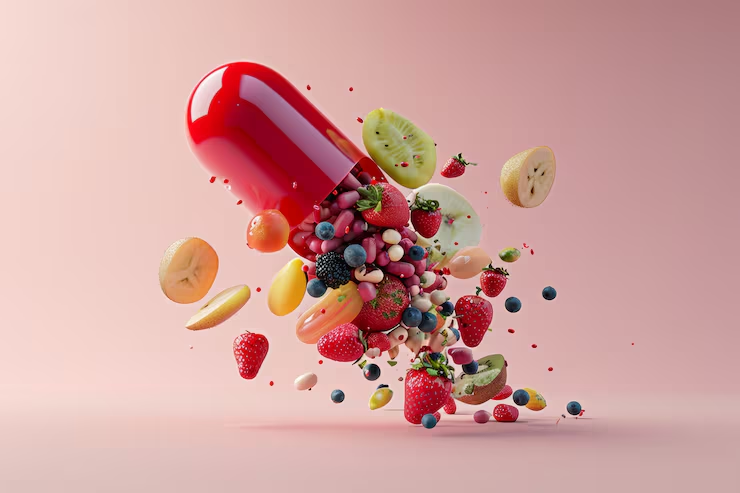
Even well-planned liquid diets for rapid weight loss may lack essential vitamins and minerals. When calories are restricted, it’s easy to fall short on key nutrients like vitamin D, magnesium, omega-3 fatty acids, and fiber. Supplements can help prevent deficiencies and support overall health during the diet.
Consider adding a high-quality multivitamin, omega-3s, and magnesium, particularly if your liquid intake is below 1,200 calories daily. Fiber supplements can also improve digestion and maintain gut health when solid foods are limited. Always consult a healthcare professional before starting supplements to ensure safety and correct dosages.
Smart supplementation ensures that your liquid diet for rapid weight loss remains nutritionally balanced. It protects energy, mood, and metabolic function, making your rapid fat-loss journey healthier and more sustainable.
Multivitamins
Omega-3 fatty acids
Magnesium
Fiber supplements
Especially if you’re consuming fewer than 1200 calories per day, talk to a healthcare provider about what to add.
Monitor Your Body and Energy Levels
Rapid weight loss through a liquid diet for rapid weight loss can stress the body if not carefully monitored. Common side effects include fatigue, dizziness, headaches, or digestive disturbances. Tracking daily energy levels, mood, and bowel movements helps identify any issues early.
Weigh yourself daily but avoid obsessing over minor fluctuations. Pay attention to overall well-being—if you feel persistently weak, bloated, or unwell, it’s a signal to modify or stop the diet. Listening to your body ensures you lose weight safely without compromising long-term health.
Monitoring your progress allows the liquid diet for rapid weight loss to be effective without risking harm. Adjustments based on how you feel help maintain a balance between rapid fat loss and overall wellness.
Daily weight (not obsessively)
Energy and mood
Bowel movements
If you feel weak, bloated, or experience persistent headaches, it may be time to stop the liquid diet or modify it.
Plan Your Exit Strategy
One of the biggest mistakes in a liquid diet for rapid weight loss is returning to solid foods too quickly. Jumping straight into heavy meals can cause bloating, digestive discomfort, and even rapid weight regain. Planning a gradual reintroduction ensures long-term success and comfort.
Start with soups and pureed vegetables on day one, followed by soft foods like oats, eggs, or mashed vegetables over the next two days. By day four onward, gradually add lean proteins, whole grains, and other solid foods. This slow transition gives your digestive system time to adjust and helps maintain the weight loss achieved.
A clear exit plan allows your liquid diet for rapid weight loss to be a safe, temporary strategy while minimizing rebound weight gain. It also establishes healthier eating habits for the long term, supporting ongoing wellness and energy levels.
Your reintroduction plan should look like this:
Day 1: Soups and pureed veggies
Day 2–3: Add soft foods like oats, eggs, and mashed veggies
Day 4 onward: Reintroduce lean proteins and whole grains gradually
Sample 3-Day Liquid Diet Plan for Rapid Weight Loss
| Time | Meal | Details |
|---|
| 8:00 AM | Warm lemon water or green tea | Boosts metabolism |
| 9:00 AM | Protein smoothie | 1 scoop whey, almond milk, spinach, ½ banana |
| 12:00 PM | Soup | Blended lentil or vegetable soup |
| 3:00 PM | Herbal tea + coconut water | Hydration + electrolytes |
| 5:00 PM | Protein shake | Low-carb, high-protein |
| 7:00 PM | Bone broth or veggie juice | Light and easy on digestion |
| 9:00 PM | Chamomile tea or warm almond milk | Promotes sleep |
✅ Pros:
Quick weight loss
Easier digestion
Detoxifying benefits
Can break bad food habits
❌ Cons:
Hard to sustain
Nutritional deficiencies if poorly planned
Muscle loss risk
Social and lifestyle disruptions
Who Should Avoid a Liquid Diet?
Pregnant or breastfeeding women
People with diabetes or kidney disease
Children or teens
Anyone with a history of eating disorders
Always consult a doctor before starting any extreme diet.
Conclusion

A liquid diet for rapid weight loss can be a powerful short-term strategy for those looking to kickstart their weight-loss journey or overcome a plateau. By replacing one or more meals with nutrient-rich liquids, you simplify your eating routine, control portion sizes, and reduce overall calorie intake. This approach can jumpstart fat loss while providing essential nutrients if done correctly, making it an appealing option for beginners or those needing a quick reset.
Beyond calorie reduction, a liquid diet can help detoxify the body and improve digestion. Smoothies, protein shakes, and nutrient-packed soups deliver vitamins, minerals, and protein in an easily digestible form. This controlled intake helps stabilize blood sugar, curb cravings, and keep energy levels steady throughout the day. When executed mindfully, a liquid diet for rapid weight loss can support both physical and mental focus on your weight-loss goals.
However, it’s important to remember that a liquid diet is not a permanent solution. Long-term results require transitioning back to solid, balanced meals and maintaining healthy habits like regular exercise and mindful eating. Without these lifestyle changes, weight lost on a liquid diet for rapid weight loss may quickly return. Using this approach strategically, with proper planning and professional guidance if needed, ensures safe, effective, and sustainable results.
FAQs
Q1. Can I lose 10 pounds in a week on a liquid diet ?
Yes, it’s possible to lose up to 10 pounds in a week, especially if you’re overweight or new to dieting. However, much of the initial weight loss may be water weight, not fat. Sustainable fat loss takes longer.
Q2. Is it safe to be on a liquid diet for 30 days ?
Not without medical supervision. Prolonged liquid diets can cause nutrient deficiencies, muscle loss, and metabolic damage. It’s safer to do intermittent liquid fasting or limit it to 1–2 weeks.
Q3. Can I exercise while on a liquid diet ?
Yes, but stick to light to moderate workouts like walking, stretching, or yoga. Intense exercise may lead to fatigue or dizziness due to reduced calorie intake.
Q4. How do I prevent muscle loss during a liquid diet ?
Consume at least 60–100g of protein daily
Use resistance bands or bodyweight exercises
Limit the duration of the diet
Q5. Will the weight come back after I stop the liquid diet ?
It can—if you return to old habits. The key is to transition properly, maintain a calorie deficit, and use the liquid diet as a reset, not a miracle cure.