


Managing diabetes while following a vegan lifestyle can feel daunting, but with careful planning, it is entirely achievable. A diet rich in whole plant-based foods—such as vegetables, fruits, legumes, nuts, seeds, and whole grains—can help stabilize blood sugar levels and support overall health. Focusing on low-glycemic foods, high fiber content, and balanced macronutrients is key for people with diabetes. Incorporating vegan diabetic diet recipes into daily meals ensures a variety of flavors while keeping blood sugar under control, making the diet both enjoyable and sustainable.
One of the main benefits of vegan diabetic diet recipes is their potential to improve heart health and assist with weight management. Plant-based meals are naturally low in saturated fat and cholesterol while providing essential vitamins, minerals, and antioxidants. For example, dishes featuring lentils, chickpeas, tofu, and quinoa are excellent protein sources that do not spike blood sugar. Pairing these with non-starchy vegetables and healthy fats like avocado or olive oil can create meals that are nutrient-dense and satisfying, helping to prevent the energy dips often associated with diabetes.
Planning ahead is essential when creating vegan diabetic diet recipes that are both convenient and healthful. Meal prepping can save time and reduce the temptation to choose less optimal options, while ensuring consistent nutrient intake. Snacks such as roasted chickpeas, hummus with vegetable sticks, or a handful of nuts can keep blood sugar stable between meals. By focusing on whole foods, balanced nutrition, and mindful portion sizes, individuals can effectively manage diabetes without compromising the ethical and environmental values of a vegan lifestyle. With a little creativity and knowledge, vegan diabetic diets can be both delicious and empowering.
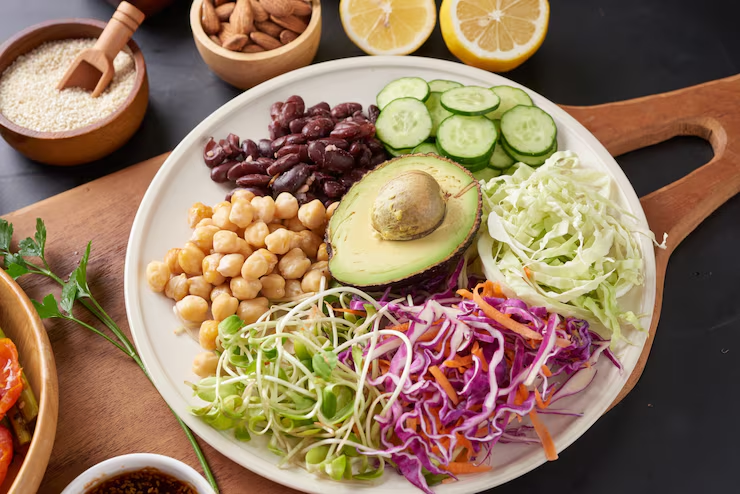
Understanding Diabetes and Vegan Nutrition
Understanding diabetes and its management is crucial for maintaining long-term health, especially for those adopting a vegan lifestyle. Diabetes is a chronic condition characterized by high blood sugar levels due to the body’s inability to produce or effectively use insulin. Managing blood sugar requires a careful balance of carbohydrates, proteins, and fats. For individuals following a plant-based diet, it is essential to focus on nutrient-dense foods that provide fiber, vitamins, and minerals without causing spikes in blood glucose. Incorporating vegan diabetic diet recipes can simplify meal planning while ensuring a balance of nutrients that support both diabetes management and overall wellness.
A well-structured vegan diet can offer multiple benefits for people with diabetes, including improved heart health, better weight management, and reduced inflammation. Foods like lentils, beans, tofu, whole grains, and non-starchy vegetables are excellent choices for stabilizing blood sugar levels. Healthy fats from nuts, seeds, and avocados help maintain satiety and prevent sudden energy crashes. Thoughtfully prepared vegan diabetic diet recipes make it easier to include these foods in everyday meals, providing variety, taste, and nutrition. By emphasizing low-glycemic foods and fiber-rich ingredients, these recipes support steady glucose control and long-term metabolic health.
Planning and consistency are key when adopting a vegan diet for diabetes management. Meal prepping, portion control, and mindful eating can reduce blood sugar fluctuations and make healthy eating more convenient. Simple snacks like hummus with vegetable sticks, roasted chickpeas, or nut-based energy bites can complement meals while keeping glucose levels stable. By integrating vegan diabetic diet recipes into daily routines, individuals can maintain a diet that is not only ethical and plant-based but also practical and effective for managing diabetes. With proper guidance, a vegan lifestyle can be fully compatible with optimal blood sugar control and overall well-being.
Before diving into recipes, it’s essential to understand the connection between diabetes management and diet. Diabetes primarily affects your body’s ability to regulate blood sugar (glucose). A balanced diet rich in fiber, lean protein, healthy fats, and low glycemic index (GI) carbohydrates can stabilize blood sugar levels.
A vegan diet excludes all animal products, including meat, dairy, and eggs. For diabetic vegans, this means focusing on plant-based proteins, fiber-rich vegetables, whole grains, nuts, seeds, and legumes. When planned properly, a vegan diet can reduce the risk of complications related to diabetes and improve overall health.
Top Tips for Vegan Diabetic Diet Recipes
Focus on Low Glycemic Index Foods
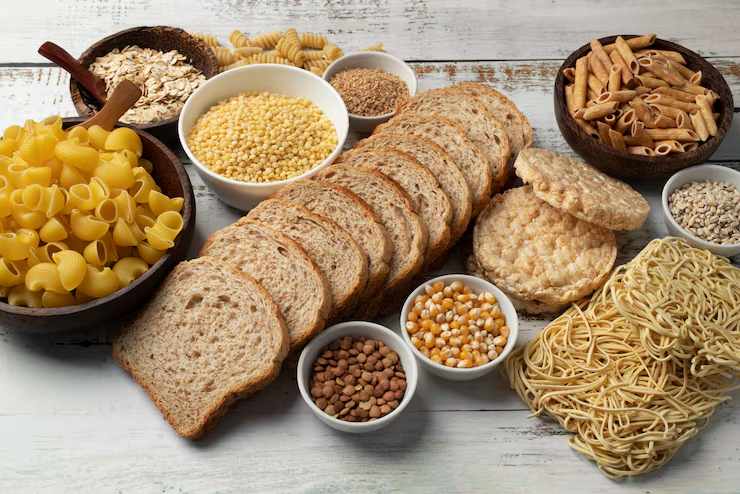
Managing diabetes effectively involves focusing on foods with a low glycemic index (GI), which release glucose slowly into the bloodstream, helping to maintain stable blood sugar levels. Low-GI foods include whole grains, legumes, non-starchy vegetables, and most fruits. For those following a plant-based lifestyle, integrating these foods into daily meals can prevent sudden spikes in blood sugar while providing essential nutrients. Vegan diabetic diet recipes that prioritize low-GI ingredients can make meal planning simple and enjoyable while supporting overall health.
Incorporating low-GI foods into breakfast, lunch, and dinner can improve satiety and reduce cravings, which is particularly beneficial for weight management in diabetes. Examples include oatmeal with chia seeds and berries, lentil salads, or quinoa and vegetable stir-fries. Using vegan diabetic diet recipes that balance protein, fiber, and healthy fats ensures that each meal is nutrient-dense and supports steady glucose levels throughout the day. These recipes not only stabilize blood sugar but also provide variety and flavor, making it easier to stick to a plant-based diabetes-friendly diet.
Planning ahead with low-GI meals can prevent last-minute unhealthy choices and support consistent blood sugar control. Snacks such as roasted chickpeas, nuts, or vegetable sticks with hummus can help maintain energy between meals. Utilizing vegan diabetic diet recipes focused on low-GI foods ensures that every meal contributes to long-term diabetes management, heart health, and overall well-being, proving that a plant-based lifestyle can be both practical and effective for diabetes.
The glycemic index (GI) measures how quickly a food raises blood sugar levels. Low-GI foods, such as lentils, chickpeas, quinoa, oats, and most vegetables, release sugar slowly, preventing spikes in blood glucose.
Incorporate High-Fiber Ingredients
Managing diabetes effectively requires a diet rich in high-fiber ingredients, which help slow digestion and regulate blood sugar levels. Foods such as lentils, beans, whole grains, vegetables, and fruits provide soluble and insoluble fiber that support glucose control and improve digestive health. For those following a plant-based lifestyle, using vegan diabetic diet recipes that emphasize fiber makes it easier to create balanced meals that promote satiety and steady energy levels throughout the day.
High-fiber meals can also support heart health and weight management, both of which are important for people with diabetes. Dishes like chickpea and vegetable stews, quinoa salads, or oatmeal with seeds and berries provide essential nutrients while keeping blood sugar stable. By focusing on fiber-rich foods, vegan diabetic diet recipes help reduce the risk of blood sugar spikes and provide long-lasting energy. These meals can be flavorful, filling, and diverse, showing that a diabetes-friendly plant-based diet does not have to be repetitive or bland.
Planning meals around high-fiber ingredients ensures consistent glucose control and overall well-being. Healthy snacks such as roasted edamame, vegetable sticks with hummus, or a small serving of fruit with nuts can keep energy steady between meals. Using vegan diabetic diet recipes centered on fiber makes it convenient to maintain a diabetes-friendly lifestyle while enjoying nutrient-rich, plant-based meals every day.
Fiber slows down glucose absorption and improves digestion. Diabetic vegans should prioritize foods like leafy greens, beans, whole grains, chia seeds, and flaxseeds.
Choose Plant-Based Proteins
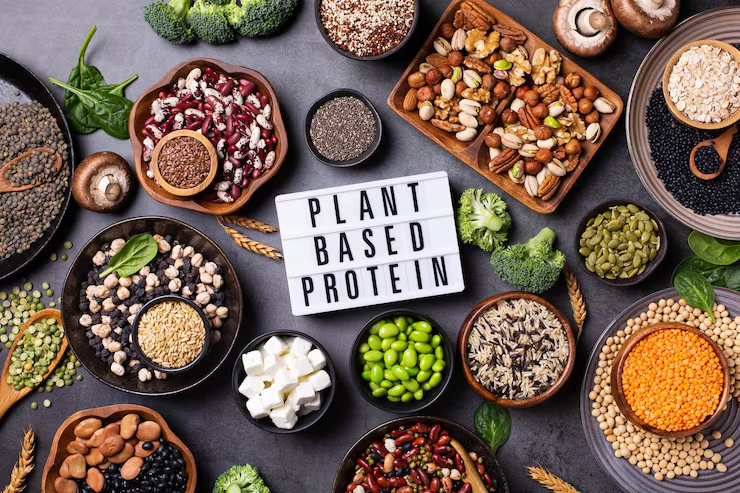
Managing diabetes on a plant-based diet requires careful attention to protein sources, as protein helps stabilize blood sugar levels and promotes satiety. Plant-based proteins such as lentils, chickpeas, tofu, tempeh, seitan, nuts, and seeds provide essential amino acids without the saturated fat found in animal products. Using vegan diabetic diet recipes that highlight these protein-rich foods makes it easier to create balanced meals that support glucose control and overall health.
Protein-rich plant foods can be included in every meal to maintain energy and prevent blood sugar spikes. For example, a tofu and vegetable stir-fry, lentil soup, or chickpea salad delivers both protein and fiber, helping to regulate glucose levels. Vegan diabetic diet recipes designed around plant proteins not only meet nutritional needs but also offer variety and flavor, making it easier to stick to a diabetes-friendly, plant-based eating plan. These meals provide the building blocks for strong muscles, healthy metabolism, and long-term blood sugar management.
Planning meals with plant-based proteins ensures that each dish is both satisfying and diabetes-friendly. Snacks like roasted chickpeas, nut butter with apple slices, or edamame can maintain energy and prevent sudden glucose spikes. Using vegan diabetic diet recipes focused on plant proteins helps maintain steady blood sugar levels while supporting heart health and overall well-being, proving that a plant-based approach can be both practical and effective for diabetes management.
Protein helps control hunger and stabilizes blood sugar. Vegan protein sources include tofu, tempeh, seitan, lentils, chickpeas, black beans, and edamame.
Limit Refined Carbohydrates
Blood sugar control requires limiting refined carbohydrates, which are quickly digested and can cause rapid spikes in glucose levels. Foods like white bread, pastries, sugary snacks, and many processed grains can negatively impact blood sugar. Choosing whole, minimally processed alternatives such as brown rice, oats, quinoa, and whole-grain pasta helps maintain stable glucose levels. Vegan diabetic diet recipes that focus on whole foods instead of refined carbs make it easier to enjoy flavorful meals while keeping blood sugar under control.
Replacing refined carbohydrates with whole-food options can improve overall nutrition and support heart health. Meals such as lentil and vegetable stews, quinoa salads, or whole-grain wraps with tofu provide fiber, protein, and essential nutrients without causing sugar spikes. Vegan diabetic diet recipes that emphasize unprocessed grains and legumes help maintain steady energy throughout the day, making it easier to adhere to a diabetes-friendly plant-based diet. These recipes also encourage creativity in the kitchen while keeping meals satisfying and nutrient-dense.
Meal planning that limits refined carbohydrates ensures more consistent blood sugar control and better long-term health outcomes. Snacks like nuts, seeds, fresh fruit, or roasted chickpeas offer energy without rapid glucose fluctuations. Using vegan diabetic diet recipes focused on whole, unprocessed ingredients allows individuals to enjoy diverse, satisfying meals while effectively supporting diabetes management and overall well-being.
Refined carbs like white bread, white rice, and sugary snacks can cause rapid blood sugar spikes. Opt for whole grains like quinoa, millet, barley, and whole wheat products.
Use Healthy Fats
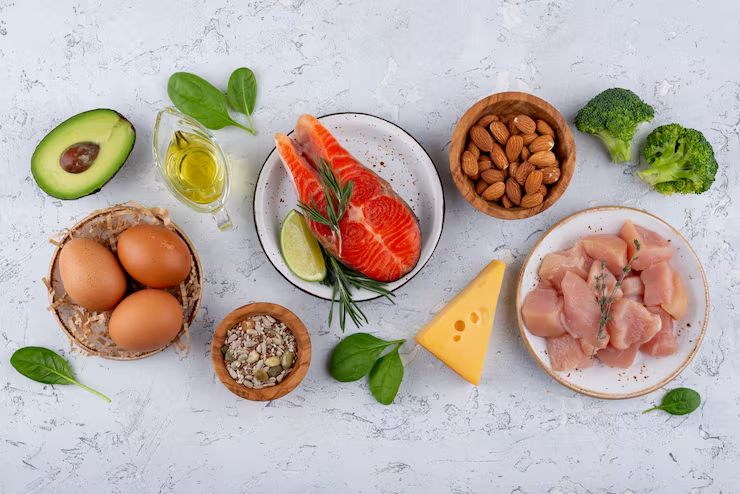
Including healthy fats in a plant-based diet can help stabilize blood sugar levels and support overall health. Sources like avocados, nuts, seeds, and olive oil provide monounsaturated and polyunsaturated fats, which are beneficial for heart health. Using vegan diabetic diet recipes that highlight these fats allows for flavorful meals that keep glucose levels steady while providing essential nutrients and long-lasting energy.
Healthy fats also increase satiety, helping to prevent overeating and support weight management, which is important for people with diabetes. Meals such as avocado and chickpea salads, tofu stir-fries with sesame seeds, or nut-based dressings on roasted vegetables deliver both taste and nutrition. Vegan diabetic diet recipes that balance fats with fiber and plant-based proteins contribute to steady blood sugar control and make plant-based eating more satisfying. These recipes show that fats are not to be avoided but thoughtfully included to enhance both health and flavor.
Planning meals with healthy fats ensures that each dish is nutrient-rich and diabetes-friendly. Snacks like a handful of almonds, chia pudding, or hummus with vegetable sticks provide energy without causing glucose spikes. Using vegan diabetic diet recipes focused on healthy fats allows individuals to enjoy a balanced, satisfying plant-based diet while supporting heart health, blood sugar stability, and overall well-being.
Healthy fats improve heart health and help regulate blood sugar. Sources include avocado, olive oil, nuts, seeds, and coconut. Avoid trans fats and highly processed oils.
Spice it Up with Herbs and Spices
Adding herbs and spices to meals is an excellent way to enhance flavor without increasing sugar, salt, or unhealthy fats. Ingredients like cinnamon, turmeric, ginger, garlic, and cumin not only improve taste but also offer health benefits, including blood sugar regulation and anti-inflammatory properties. Using vegan diabetic diet recipes that highlight these natural flavors can make plant-based meals more exciting while supporting stable glucose levels.
Herbs and spices can transform simple ingredients into flavorful, nutrient-rich dishes. For example, a turmeric and chickpea curry, cinnamon-spiced oatmeal, or garlic-roasted vegetables provide both taste and health benefits. Vegan diabetic diet recipes that incorporate these seasonings help prevent meal fatigue and make it easier to stick to a diabetes-friendly plant-based eating plan. They enhance flavor without relying on refined sugars or processed sauces that can negatively affect blood sugar.
Meal planning with herbs and spices allows for creativity while promoting long-term health. Fresh herbs like basil, cilantro, or parsley can be added to salads, soups, or grain bowls, and spices like paprika, chili powder, or ginger can elevate roasted or sautéed vegetables. Using vegan diabetic diet recipes that focus on herbs and spices ensures meals are both delicious and diabetes-friendly, supporting blood sugar management, heart health, and overall well-being.
Certain herbs and spices have blood sugar-lowering effects, such as cinnamon, turmeric, fenugreek, and ginger. These can enhance flavor while supporting diabetes management.
Plan Balanced Meals
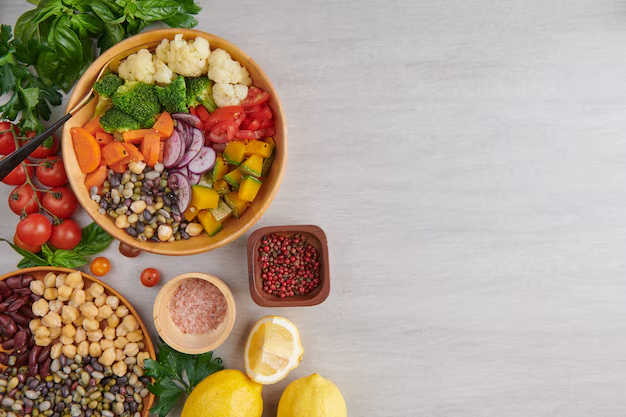
Planning balanced meals is essential for maintaining stable blood sugar levels while following a plant-based diet. A balanced meal combines complex carbohydrates, plant-based proteins, healthy fats, and fiber-rich vegetables to provide sustained energy and optimal nutrition. Using vegan diabetic diet recipes that emphasize this balance makes it easier to create meals that are both satisfying and supportive of blood sugar control.
A well-rounded meal might include a quinoa and lentil salad with mixed vegetables and a drizzle of olive oil, or a tofu stir-fry with brown rice and colorful veggies. Vegan diabetic diet recipes that combine protein, fiber, and healthy fats in each meal help prevent glucose spikes and provide lasting fullness. This approach ensures that all essential nutrients are included while keeping blood sugar levels steady throughout the day. Balanced meals also reduce cravings and promote better portion control, which is important for overall health and diabetes management.
Consistency and planning are key to maintaining a diabetes-friendly diet. Preparing meals ahead of time, using diverse ingredients, and following portion guidelines can make healthy eating more convenient and enjoyable. Using vegan diabetic diet recipes for meal planning provides guidance, variety, and structure, allowing individuals to enjoy nutritious, plant-based meals that support blood sugar management, heart health, and overall well-being.
A balanced meal for a vegan diabetic should include:
40–50% complex carbohydrates (preferably low-GI)
20–30% plant-based protein
20–30% healthy fats
Plenty of fiber and antioxidants from vegetables
Monitor Portion Sizes
Monitoring portion sizes is a crucial strategy for keeping blood sugar levels stable while following a plant-based diet. Even healthy foods can impact glucose if consumed in large amounts. By paying attention to portion sizes, individuals can enjoy nutrient-rich meals without causing spikes in blood sugar. Using vegan diabetic diet recipes that provide clear serving suggestions makes it easier to manage portions while still enjoying flavorful and satisfying meals.
Proper portion control ensures a balanced intake of carbohydrates, proteins, and healthy fats. For example, a serving of brown rice paired with tofu and steamed vegetables or a chickpea and quinoa salad can provide the right amount of energy without overwhelming the body’s glucose regulation. Vegan diabetic diet recipes designed with portion sizes in mind help prevent overeating, maintain steady energy, and support weight management—an important factor in diabetes care. These recipes also make it simpler to plan meals ahead and maintain consistency in daily nutrition.
Snacking wisely is another way to maintain appropriate portion sizes. Options like a small handful of nuts, roasted chickpeas, or fresh vegetable sticks can provide energy between meals without causing glucose spikes. Using vegan diabetic diet recipes that include suggested portions ensures each meal contributes to balanced nutrition, steady blood sugar levels, and overall well-being, making plant-based eating both practical and effective for diabetes management.
Even healthy vegan foods can affect blood sugar if consumed in large amounts. Use measuring cups, food scales, or the plate method (½ vegetables, ¼ protein, ¼ carbs) to keep portions in check.
Best Vegan Ingredients for Diabetes-Friendly Recipes
When creating vegan diabetic meals, focus on the following ingredients:
Vegetables: Spinach, kale, broccoli, zucchini, cauliflower, peppers
Legumes: Lentils, chickpeas, black beans, kidney beans
Whole Grains: Quinoa, oats, barley, millet
Fruits: Berries, apples, pears, citrus (moderate portions)
Nuts & Seeds: Almonds, chia, flax, pumpkin seeds
Plant-Based Protein: Tofu, tempeh, edamame, seitan
Healthy Oils: Olive oil, avocado oil, coconut oil (sparingly)
Herbs & Spices: Cinnamon, turmeric, ginger, garlic, basil, cumin
Conclusion
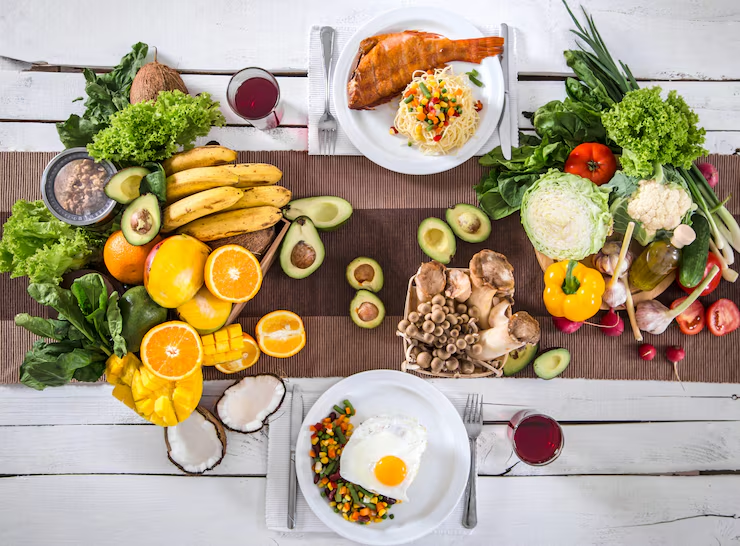
A plant-based diet can be highly effective for managing diabetes when it focuses on balanced nutrition, blood sugar control, and overall health. By choosing whole foods, high-fiber ingredients, plant-based proteins, healthy fats, and low-glycemic carbohydrates, individuals can enjoy meals that are both satisfying and diabetes-friendly. Using vegan diabetic diet recipes makes it easier to plan meals that meet these criteria, offering a variety of flavors and nutrients without causing glucose spikes. These recipes provide a practical framework for anyone seeking to combine a vegan lifestyle with diabetes management.
In addition to promoting stable blood sugar, a well-planned vegan diet can support heart health, weight management, and long-term wellness. Herbs, spices, and portion-controlled meals enhance taste and nutrition while keeping meals exciting and manageable. Vegan diabetic diet recipes emphasize balance and variety, helping prevent meal fatigue and ensuring that essential nutrients are consistently included in the diet. By focusing on nutrient-dense, minimally processed foods, individuals can reduce the risk of complications associated with diabetes while enjoying plant-based meals that are both delicious and satisfying.
Consistency and mindful eating are key to sustaining a diabetes-friendly vegan lifestyle. Planning meals, monitoring portion sizes, and choosing low-glycemic, fiber-rich foods support long-term blood sugar control. Snacks and meals prepared with care, guided by vegan diabetic diet recipes, make it possible to enjoy a wide range of foods while maintaining stable glucose levels. Ultimately, following a structured, plant-based approach allows individuals to take control of their health, manage diabetes effectively, and embrace a lifestyle that promotes overall well-being, vitality, and sustainable nutrition.
A vegan diabetic diet is not only feasible but can be delicious, varied, and highly beneficial for managing diabetes. By focusing on low-GI foods, fiber, plant-based proteins, healthy fats, and portion control, you can maintain blood sugar levels, improve heart health, and enjoy a vibrant, satisfying diet.
Incorporating the top 8 tips mentioned above and experimenting with the sample recipes will help you create a sustainable, diabetes-friendly vegan meal plan. With thoughtful planning, your meals can be both nutritious and exciting, proving that managing diabetes on a vegan diet is entirely achievable.
FAQs
Q1. Can a vegan diet help manage diabetes?
Yes, a well-planned vegan diet can support diabetes management. By focusing on whole grains, legumes, vegetables, fruits, nuts, and seeds, blood sugar levels can be stabilized. Plant-based diets are naturally high in fiber and low in saturated fat, which helps improve insulin sensitivity and heart health. Using vegan diabetic diet recipes can make meal planning easier while ensuring balanced nutrition.
Q2. What are the best protein sources on a vegan diabetic diet?
Plant-based proteins like lentils, chickpeas, tofu, tempeh, edamame, quinoa, nuts, and seeds are excellent choices. They provide essential amino acids and help prevent spikes in blood sugar. Including protein in every meal supports satiety and blood sugar control. Vegan diabetic diet recipes often combine these proteins with fiber-rich vegetables and whole grains for optimal balance.
Q3. Are there any vegan foods to avoid for diabetes?
Refined carbohydrates and sugary processed foods should be limited, as they can cause rapid blood sugar spikes. White bread, pastries, sweetened beverages, and many packaged snacks are best avoided. Choosing whole grains and fiber-rich foods instead helps maintain steady glucose levels.
Q4. How important is portion control on a vegan diabetic diet?
Portion sizes play a critical role in blood sugar management. Even healthy foods can affect glucose if eaten in excess. Using vegan diabetic diet recipes with suggested serving sizes helps maintain balance and prevent overeating.
Q5. Can herbs and spices benefit blood sugar control?
Yes, herbs and spices like cinnamon, turmeric, ginger, garlic, and cumin can enhance flavor while offering health benefits, including improved glucose regulation. They make plant-based meals more enjoyable without adding sugar or salt.