

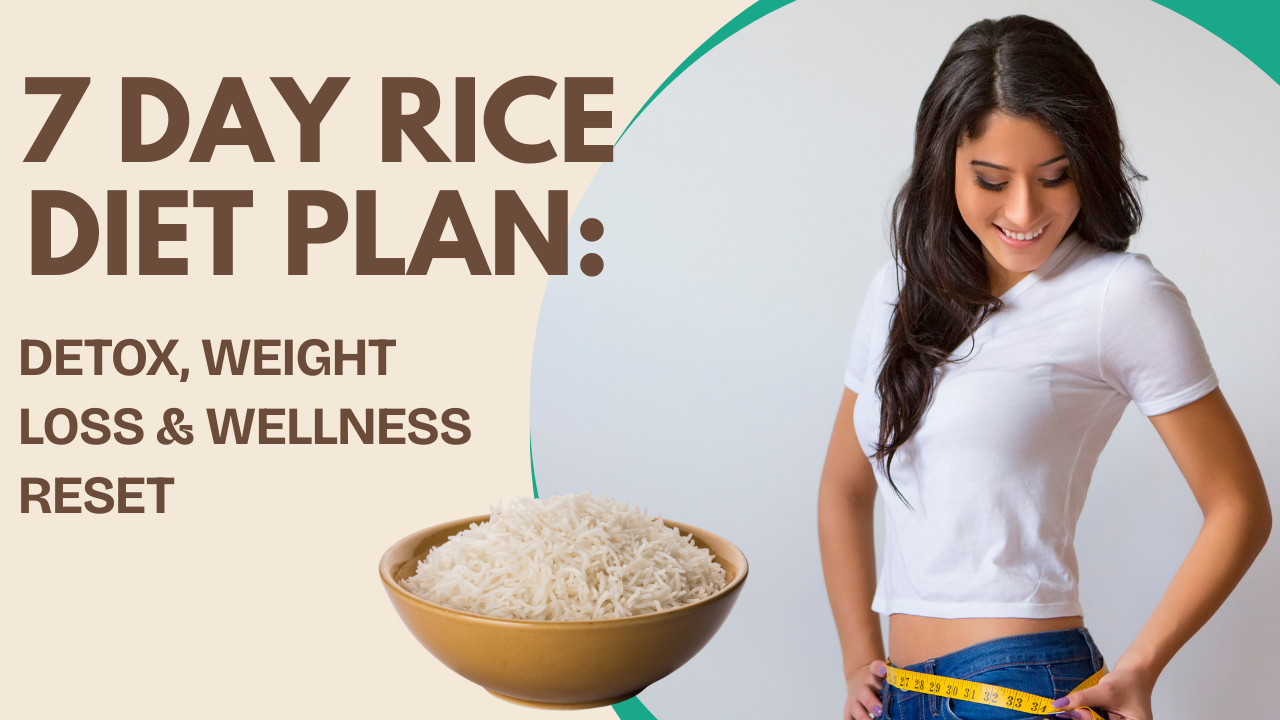
The 7 day rice diet plan has become increasingly popular among individuals looking for a natural approach to weight loss and detoxification. Originally developed in the 1930s as a therapeutic diet for patients with hypertension and kidney disease, it focused on reducing sodium intake and supporting kidney function. Today, the diet has been adapted for wellness and weight management, emphasizing portion control and nutrient balance while still being based around rice as the staple food. Advocates claim that this plan not only helps reduce excess pounds but also improves digestion and eliminates toxins from the body.
Following the 7 day rice diet plan typically involves consuming small portions of rice, fresh fruits, vegetables, and in some cases, lean protein. The first few days often emphasize detoxification with lighter meals, while the later days allow for slightly more variety. By relying on simple, low-fat, and low-sodium meals, the plan helps minimize bloating and water retention, which can contribute to a leaner appearance in just a week. Additionally, the diet’s focus on whole, unprocessed foods supports better gut health, reduces cravings, and promotes mindful eating habits. Many participants also report increased energy levels and improved skin clarity after completing the plan.
While the 7 day rice diet plan may provide quick results, it should be approached with caution and not be seen as a long-term solution. Since it is restrictive in nature, prolonged use could lead to nutrient deficiencies if not properly managed. For sustainable weight loss and overall health, it is best to use this plan as a short-term reset rather than a lifestyle. Combining the rice diet with adequate hydration, light physical activity, and mindful eating practices can help maximize its benefits. Consulting with a healthcare professional before beginning any restrictive diet ensures that it aligns with individual health needs and goals.
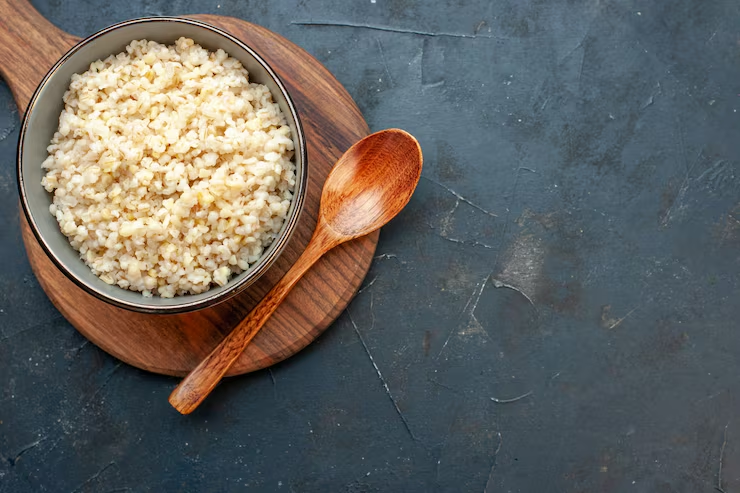
What is the Rice Diet?
The Rice Diet is a specialized eating program that was originally designed in the 1930s as a medical treatment for patients with high blood pressure, kidney disease, and heart problems. It was developed to be extremely low in sodium and fat, focusing primarily on rice and other simple, easily digestible foods to reduce strain on the body. Over time, the diet gained recognition not only for its therapeutic benefits but also for its potential in promoting weight loss and detoxification. Today, many people follow variations of this approach, such as the 7 day rice diet plan, as a short-term method to cleanse the body and shed excess weight.
At its core, the Rice Diet emphasizes whole, unprocessed foods with rice serving as the main staple. Meals typically include rice combined with fruits, vegetables, and sometimes small portions of lean protein or dairy, depending on the version being followed. The simplicity of the plan helps reduce bloating, improve digestion, and eliminate excess water retention. In the 7 day rice diet plan, the first few days often focus on detoxification by limiting meals to rice, fruits, and vegetables, before gradually introducing more food groups for added variety and balance. This structured progression allows the body to reset while still receiving essential nutrients.
While the Rice Diet and its modern adaptations can help achieve quick results, they are not intended for long-term use without professional guidance. Prolonged restriction may lead to nutrient deficiencies, so it is best approached as a short-term wellness reset. The 7 day rice diet plan can be particularly effective for jump-starting weight loss, reducing bloating, and encouraging healthier eating habits. However, for sustainable results, it should be followed by a balanced diet rich in whole grains, lean proteins, and healthy fats. Consulting a healthcare professional before starting ensures that the diet aligns with individual health needs.
The rice diet was first developed in 1939 by Dr. Walter Kempner, a German-born physician at Duke University. Originally, it was prescribed as a treatment for hypertension, kidney disease, and diabetes. The strict regimen mainly consisted of white rice, fruit, fruit juice, and sugar. Over the decades, the plan evolved to include vegetables, lean proteins, and whole grains, making it more sustainable and effective for weight management.
The modern 7-day rice diet plan focuses on:
Detoxifying the body
Reducing sodium intake
Promoting weight loss
Supporting heart and kidney health
Unlike fad diets that deprive you of essential nutrients, the rice diet provides a balance of carbohydrates, fiber, and micronutrients to support short-term cleansing and long-term health improvements.
How Does the 7-Day Rice Diet Work?
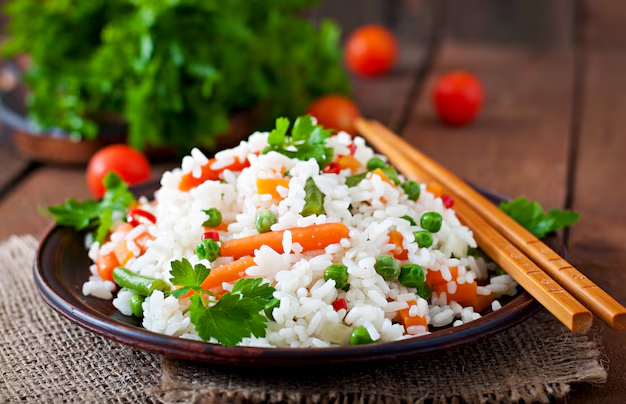
The 7 day rice diet plan works by focusing on simple, low-sodium, and nutrient-rich foods that allow the body to reset and function more efficiently. By centering meals around rice, fruits, and vegetables, the diet limits processed foods, unhealthy fats, and excess salt, which often contribute to bloating, water retention, and weight gain. This approach not only reduces calorie intake but also helps detoxify the body, giving the digestive system a break from heavy, processed meals. As a result, many people experience quick weight loss and an improvement in overall wellness during the program.
During the first phase of the 7 day rice diet plan, the meals are kept very light, often consisting of rice paired with fresh fruits and vegetables. This promotes detoxification and allows the body to eliminate excess sodium and toxins. As the days progress, more variety is introduced, including lean proteins and small amounts of dairy, making the plan more balanced while still being calorie-conscious. The gradual increase in food options helps maintain satiety without compromising the cleansing effect of the diet. This structured progression ensures that the body receives enough nutrients to function while still achieving visible weight loss.
The success of the 7 day rice diet plan also comes from its emphasis on portion control and mindful eating. Since meals are simple and unprocessed, it becomes easier to recognize hunger cues and avoid overeating. Additionally, the diet’s low-sodium nature helps reduce bloating and promotes better cardiovascular health. While the plan can deliver noticeable results in just one week, it is important to remember that it is not a long-term solution. For sustained health and weight management, the rice diet should be followed by a balanced, nutrient-dense eating plan and complemented with regular physical activity.
The rice diet works by:
Calorie Control: The diet emphasizes low-calorie, nutrient-dense foods that naturally put your body in a calorie deficit.
Low Sodium Intake: By eliminating processed foods and salt, the body sheds excess water weight and reduces bloating.
Detoxification: Whole grains, vegetables, and fruits help flush out toxins from the digestive system.
High Fiber Intake: Brown rice and vegetables promote digestion and improve gut health.
Blood Sugar Regulation: Complex carbs and fiber-rich foods prevent sugar spikes and crashes.
Benefits of the Rice Diet
Weight Loss: Helps lose 4–10 pounds in a week, depending on individual metabolism.
Detoxification: Cleanses the digestive system and reduces bloating.
Heart Health: Lowers blood pressure and cholesterol levels.
Kidney Support: Reduces sodium intake, easing kidney strain.
Improved Digestion: Rich in fiber, which improves bowel movement.
Reduced Inflammation: Plant-based foods lower inflammation in the body.
Better Skin Health: Detoxification can lead to clearer skin.
Top Tips for Success on the 7-Day Rice Diet Plan
Choose Brown Rice Over White Rice
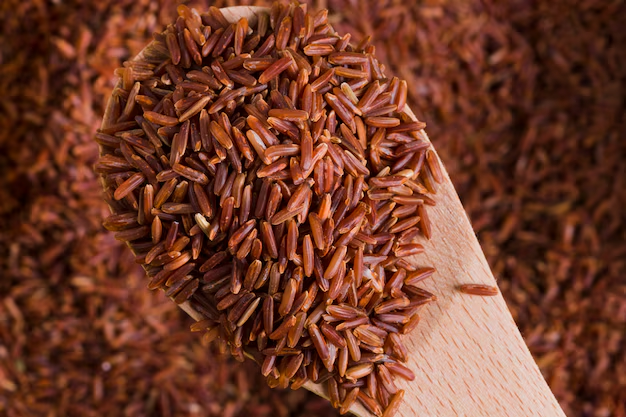
When following the 7 day rice diet plan, choosing brown rice over white rice can significantly enhance the nutritional value of your meals. Brown rice is a whole grain that retains its bran and germ, providing more fiber, vitamins, and minerals compared to refined white rice. This added fiber helps improve digestion, supports a healthy gut, and keeps you feeling fuller for longer, which can make it easier to stick to the diet without experiencing constant hunger.
Another key advantage of brown rice is its lower glycemic index compared to white rice. This means it releases energy more slowly, helping to stabilize blood sugar levels and prevent energy crashes. For individuals using the 7 day rice diet plan to lose weight or reduce bloating, this slow release of energy can also help curb cravings and reduce overeating. Additionally, the antioxidants and magnesium found in brown rice contribute to heart health and overall wellness.
By choosing brown rice as the foundation of the 7 day rice diet plan, you not only maximize weight-loss benefits but also nourish your body with essential nutrients. This simple swap ensures that the diet works as a detox while supporting long-term health goals beyond the seven days.
Stay Hydrated
Staying hydrated is an essential part of the 7 day rice diet plan, as water plays a vital role in supporting digestion, detoxification, and overall well-being. Since the diet is designed to flush out excess sodium and toxins, proper hydration ensures that the body can effectively eliminate waste while maintaining electrolyte balance. Drinking enough water also helps reduce bloating, which is one of the main goals of this rice-based program.
Hydration is particularly important because the 7 day rice diet plan emphasizes whole foods like rice, fruits, and vegetables, which are naturally low in sodium. While this helps reduce water retention, it also means that your body relies more on fluids to stay balanced and energized. Drinking water between meals can also promote feelings of fullness, making it easier to stick to the reduced-calorie structure of the diet without unnecessary snacking.
In addition to water, herbal teas and infused water with lemon, cucumber, or mint can add variety and further support detoxification during the 7 day rice diet plan. Avoiding sugary drinks and sodas is equally important, as they can counteract the cleansing benefits of the program. By prioritizing hydration, you maximize the effectiveness of the diet and support long-term health.
Avoid Processed Foods
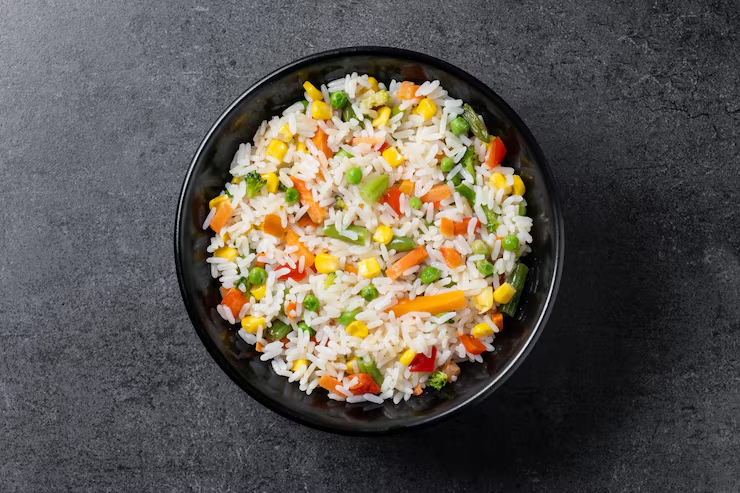
One of the most important principles of the 7 day rice diet plan is avoiding processed foods. Processed items such as packaged snacks, fast food, and sugary treats are often high in sodium, unhealthy fats, and artificial additives that contribute to bloating and weight gain. By eliminating these foods, the body can focus on cleansing and repairing itself, which enhances the detoxifying effects of the rice-based diet.
The 7 day rice diet plan emphasizes whole, natural ingredients like rice, fruits, vegetables, and lean proteins. These nutrient-rich foods not only provide essential vitamins and minerals but also promote better digestion and improved energy levels. In contrast, processed foods often lack fiber and nutrients, leaving you feeling unsatisfied and more likely to overeat. Removing them from your meals ensures that every bite works toward your wellness and weight-loss goals.
Choosing fresh, unprocessed options also helps train healthier eating habits that can last beyond the 7 day rice diet plan. By learning to cook with simple ingredients and appreciating natural flavors, you can reduce dependency on packaged foods in the long run. This not only supports weight management but also boosts overall health and well-being.
Incorporate Exercise
Incorporating exercise into the 7 day rice diet plan can greatly enhance its effectiveness and help you achieve better results. While the diet focuses on detoxification and weight loss through clean eating, adding light to moderate physical activity supports fat burning, improves circulation, and boosts energy levels. Even simple activities like brisk walking, yoga, or stretching can complement the plan without putting too much strain on the body.
The 7 day rice diet plan is naturally lower in calories, which makes choosing the right type of exercise important. Instead of intense workouts that may leave you feeling fatigued, opt for gentle activities that promote movement and balance. Low-impact exercises such as Pilates, cycling, or swimming are excellent choices that help tone muscles while aligning with the diet’s cleansing goals. These activities also improve mood and reduce stress, making it easier to stay motivated throughout the week.
By combining the 7 day rice diet plan with regular exercise, you create a holistic approach to health and weight management. The synergy of proper nutrition and physical activity not only supports short-term results but also sets the foundation for long-term wellness. This balanced routine encourages sustainable habits beyond the seven days.
Limit Salt and Sugar
Limiting salt and sugar is a crucial part of the 7 day rice diet plan, as both can interfere with the body’s natural detox process. Excess salt often leads to water retention and bloating, while high sugar intake contributes to weight gain and energy crashes. By reducing these two elements, the diet allows the body to reset, shed excess water weight, and maintain more stable energy levels throughout the day.
The 7 day rice diet plan emphasizes whole, unprocessed foods that are naturally low in sodium and sugar. Instead of adding table salt or processed seasonings, herbs and spices can be used to enhance flavor without compromising health benefits. Similarly, replacing refined sugars with natural sweetness from fruits helps satisfy cravings while providing essential vitamins, minerals, and fiber. This approach not only supports weight loss but also improves digestion and overall wellness.
Maintaining low salt and sugar intake during the 7 day rice diet plan also encourages healthier habits beyond the week-long program. By training your taste buds to appreciate natural flavors, you reduce reliance on heavily processed foods in the future. This simple yet powerful change makes the diet more effective and promotes long-term health.
Prepare Meals in Advance
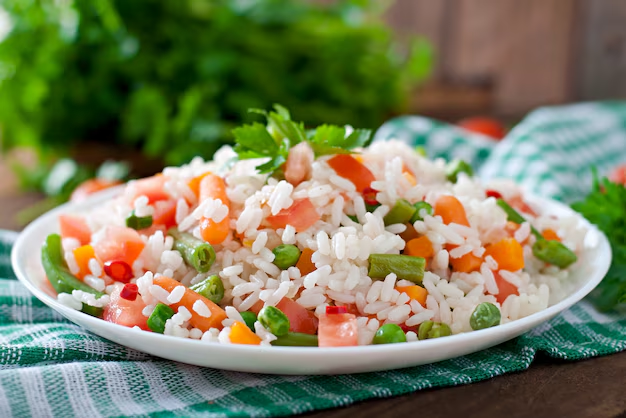
Preparing meals in advance is one of the best strategies to stay consistent with the 7 day rice diet plan. Since the program emphasizes portion control and clean eating, having pre-cooked rice, chopped vegetables, and fresh fruits ready can save time and reduce the temptation to reach for unhealthy options. Meal prepping ensures that you always have nutritious choices on hand, making it easier to follow the plan without added stress.
The 7 day rice diet plan is structured and requires simple, wholesome meals, which makes it perfect for batch cooking. For example, cooking a large portion of brown rice at the start of the week can provide the base for multiple dishes. You can pair it with steamed vegetables, fresh salads, or small servings of lean protein to create variety while sticking to the guidelines. By organizing meals ahead of time, you also minimize food waste and maintain better control over portion sizes.
Another benefit of preparing meals in advance during the 7 day rice diet plan is reduced decision fatigue. When your meals are already planned and ready, you’re less likely to deviate from the diet or indulge in processed foods. This proactive approach not only helps you complete the program successfully but also builds long-lasting healthy habits.
Listen to Your Body
Listening to your body is an essential part of making the 7 day rice diet plan both effective and safe. While the program is designed to promote detoxification, reduce bloating, and support weight loss, everyone’s body responds differently. Paying attention to signals such as hunger, fatigue, or digestive discomfort helps you adjust the plan to your individual needs without compromising your health.
During the 7 day rice diet plan, it’s important to eat mindfully and recognize when you are full rather than eating out of habit. The simplicity of rice, fruits, and vegetables makes it easier to notice natural hunger cues and practice portion control. If you feel unusually weak or tired, adding small amounts of extra fruits or lean protein can provide balance and ensure your body gets the fuel it needs.
By listening to your body throughout the 7 day rice diet plan, you can maximize its benefits while avoiding unnecessary strain. This mindful approach not only helps you succeed during the seven days but also encourages healthier long-term habits. Tuning in to your body’s needs creates a sustainable foundation for maintaining weight loss, improving digestion, and supporting overall wellness even after the plan ends.
Don’t Extend Beyond 7 Days
The 7 day rice diet plan is designed as a short-term program to reset the body, promote detoxification, and jump-start weight loss. It is not meant to be followed beyond a week, as the restrictive nature of the diet can lead to nutrient deficiencies if practiced for too long. Rice, fruits, and vegetables provide essential vitamins and minerals, but extended use without variety may deprive the body of adequate protein and healthy fats.
By limiting the 7 day rice diet plan to just one week, you allow your body to benefit from its cleansing and slimming effects without putting your health at risk. Many participants notice reduced bloating, improved digestion, and weight loss during this period, but continuing beyond seven days could result in fatigue, muscle loss, or weakened immunity. Treating this plan as a temporary reset ensures it remains safe and effective.
After completing the 7 day rice diet plan, it’s best to transition to a balanced, nutrient-rich diet that includes whole grains, lean proteins, healthy fats, and fresh produce. This helps maintain results while supporting long-term wellness. Using the rice diet as a short-term strategy rather than a prolonged routine ensures sustainable and healthy progress.
Conclusion
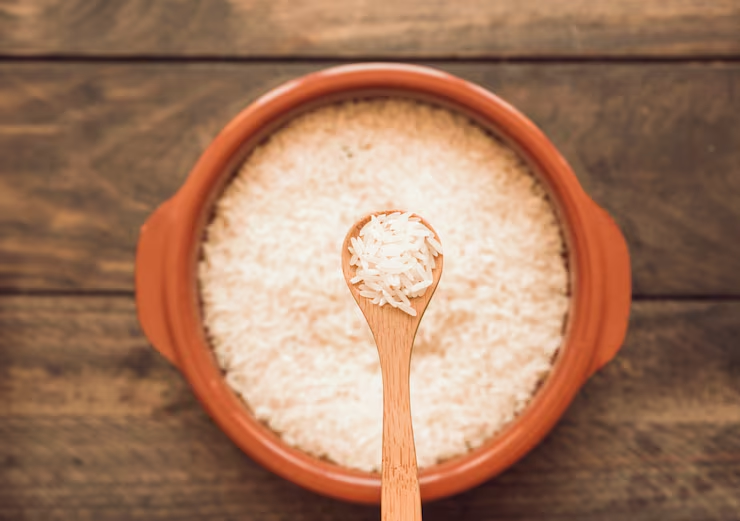
The 7 day rice diet plan offers a simple yet effective way to reset the body, promote detoxification, and achieve short-term weight loss. Rooted in its original medical use for managing hypertension and kidney disease, this plan has evolved into a wellness strategy for people seeking a natural approach to health. By focusing on rice as the staple food, combined with fruits, vegetables, and limited lean proteins, the diet provides essential nutrients while reducing bloating and water retention. Its structured approach encourages mindful eating and portion control, which can lead to visible results in just one week.
One of the strengths of the 7 day rice diet plan lies in its ability to eliminate processed foods, excess salt, and sugar, which are common contributors to poor health and weight gain. Instead, the plan emphasizes whole, nutrient-dense options that support better digestion, improved energy levels, and overall wellness. Complementary practices like staying hydrated, incorporating light exercise, and preparing meals in advance further enhance the benefits of the program. These habits not only help participants succeed during the week but also encourage healthier routines that can extend well beyond the diet itself.
However, it is important to remember that the 7 day rice diet plan is not a long-term solution but rather a short-term reset. Extending the plan beyond seven days could result in nutritional imbalances, as the restricted food choices may not provide all the body’s needs. To maintain results and support sustainable health, transitioning to a balanced diet that includes whole grains, lean proteins, healthy fats, and fresh produce is essential. Used correctly, the rice diet can serve as a valuable tool to kickstart weight loss, reduce bloating, and cultivate mindful eating habits that support long-lasting wellness.
FAQs
Q1. What is the rice diet?
The rice diet is a short-term eating plan that focuses on rice, fruits, vegetables, and limited lean proteins. Originally created as a medical diet for managing hypertension and kidney disease, it has since been adapted for detoxification and weight loss.
Q2. How much weight can I lose in a week?
Results vary depending on body type, activity level, and adherence to the plan. On average, many people may lose between 4 to 7 pounds in a week, primarily due to reduced calorie intake, lower sodium, and decreased water retention.
Q3. Is the rice diet safe for everyone?
This diet is generally safe for healthy adults when followed for a short period. However, it may not be suitable for individuals with specific health conditions, such as diabetes or nutrient deficiencies. Consulting a healthcare professional before starting is strongly recommended.
Q4. Can I exercise while on the rice diet?
Yes, but it is best to stick to light or moderate exercises such as walking, yoga, or stretching. Since the diet is lower in calories, intense workouts might cause fatigue or weakness.
Q5. What should I eat after finishing the diet?
Once the program ends, it’s important to transition to a balanced diet that includes whole grains, lean proteins, healthy fats, and a wide variety of vegetables and fruits. This ensures sustainable weight management and prevents nutrient deficiencies.