


Living with autoimmune conditions can be challenging, affecting your energy levels, digestion, and overall quality of life. Many people often struggle to find a dietary approach that supports their immune system while reducing inflammation. An autoimmune diet meal plan can be a transformative solution for those seeking better control over their symptoms and improved well-being. By carefully choosing nutrient-dense foods, you can support your body’s natural healing mechanisms and enjoy a more balanced lifestyle.
The concept behind an autoimmune diet meal plan focuses on reducing foods that trigger inflammation and eliminating potential irritants while emphasizing whole, nutrient-rich options. This approach helps restore balance to your immune system and supports optimal gut health. Unlike fad diets, it is designed to be sustainable and tailored to individual needs, ensuring long-term benefits without unnecessary restrictions.
Following an autoimmune diet meal is not just about avoiding certain foods; it is also about embracing a holistic approach to wellness. Incorporating anti-inflammatory foods, high-quality proteins, and essential vitamins can dramatically improve energy levels, digestion, and mental clarity. In addition, this plan empowers individuals to take control of their health, reduce autoimmune flare-ups, and live a more fulfilling life with fewer limitations.

What is an Autoimmune Diet Meal Plan?
An autoimmune diet meal plan is a structured dietary approach designed to support individuals with autoimmune conditions. The plan focuses on minimizing inflammation, promoting gut health, and reducing triggers that may exacerbate symptoms. Unlike standard diets, it is tailored to individual needs, considering specific food sensitivities and nutrient requirements.
At its core, an autoimmune diet meal plan eliminates processed foods, refined sugars, and common allergens such as gluten, dairy, and soy. It emphasizes nutrient-dense foods like vegetables, fruits, lean proteins, healthy fats, and bone broth. These ingredients are carefully selected to reduce inflammation, support digestion, and provide essential vitamins and minerals that aid in immune regulation.
Additionally, an autoimmune diet meal incorporates a phased approach. Initial elimination focuses on removing foods that can cause inflammation, followed by a gradual reintroduction to identify personal triggers. This systematic method allows individuals to understand how different foods affect their bodies and make informed decisions about long-term dietary choices.
Why Follow an Autoimmune Diet Meal Plan?
Adopting an autoimmune diet meal plan offers numerous benefits for individuals with autoimmune conditions. First, it can significantly reduce inflammation, a primary factor contributing to autoimmune flare-ups. By avoiding inflammatory foods, individuals often notice decreased joint pain, improved digestion, and increased energy levels.
Second, an autoimmune diet meal promotes gut health. The gut plays a critical role in regulating the immune system, and maintaining a healthy gut lining can prevent autoimmune attacks. Including foods like fermented vegetables, bone broth, and omega-3-rich sources helps restore gut integrity and supports a balanced microbiome.
Third, this diet plan provides a structured approach to nutritional intake, ensuring individuals receive adequate vitamins and minerals. Deficiencies in essential nutrients such as vitamin D, magnesium, and zinc can worsen autoimmune symptoms. Following a carefully crafted autoimmune diet meal plan addresses these deficiencies and supports overall immune function.
How to Follow an Autoimmune Diet Meal Plan

Following an Autoimmune Diet Meal Plan can help reduce inflammation, support gut health, and manage symptoms associated with autoimmune conditions. This diet focuses on nutrient-dense, whole foods while eliminating potential triggers such as grains, legumes, dairy, refined sugar, processed foods, and nightshades like tomatoes, peppers, and eggplants. By prioritizing vegetables, fruits, high-quality meats, fish, bone broth, and healthy fats, you provide your body with the nutrients it needs to support immune function and overall wellness. Understanding the guidelines of an Autoimmune Diet Meal Plan is the first step toward successfully implementing it into your daily routine.
To follow an Autoimmune Diet Meal , planning meals ahead is essential. Structuring your day around protein, vegetables, and healthy fats can simplify adherence. For example, breakfast could include sautéed greens with grass-fed meat, while lunch and dinner might consist of roasted fish or poultry with a variety of vegetables. Snacking on fresh fruit, coconut yogurt, or sliced vegetables with guacamole ensures you maintain steady energy throughout the day. Preparing meals in advance, such as batch-cooking proteins or freezing soups and stews, can save time and make sticking to the plan much easier.
Tracking your progress is another key component of an effective Autoimmune Diet Meal Plan. Keeping a food and symptom journal allows you to monitor how different foods affect your body. After a strict elimination phase, you can gradually reintroduce foods one at a time to identify triggers and tailor the diet to your specific needs. By focusing on nutrient-rich foods, planning meals, and observing your body’s responses, an Autoimmune Diet Meal Plan can become a sustainable and empowering approach to managing autoimmune symptoms and promoting overall health.
Identify Trigger Foods
Begin by recognizing foods that may trigger autoimmune reactions. Common triggers include gluten, dairy, soy, corn, and nightshade vegetables. Eliminating these foods can help reduce inflammation and prevent flare-ups.
Focus on Anti-Inflammatory Foods
Incorporate foods that naturally reduce inflammation, such as fatty fish, leafy greens, turmeric, ginger, and berries. These ingredients support immune function and promote overall health.
Include Lean Proteins
Proteins are essential for tissue repair and immune support. Opt for lean meats, poultry, eggs, and plant-based proteins such as lentils and quinoa to maintain energy and prevent nutrient deficiencies.
Emphasize Healthy Fats
Healthy fats, including olive oil, avocado, nuts, and seeds, are crucial for hormone balance and inflammation control. These fats also provide sustained energy and improve absorption of fat-soluble vitamins.
Support Gut Health
Probiotics and prebiotics play a vital role in gut health. Fermented foods, bone broth, and fiber-rich vegetables promote healthy digestion and strengthen the immune system.
Plan Meals Strategically
Planning meals in advance ensures adherence to the autoimmune diet meal plan. Preparing balanced meals with the right combination of proteins, vegetables, and healthy fats prevents impulsive eating and reduces exposure to trigger foods.
Monitor and Adjust
Track symptoms and progress regularly. Adjust the diet based on personal tolerance and feedback from your body. This ongoing monitoring helps optimize the benefits of the autoimmune diet meal plan.
Key Components of an Autoimmune Diet Meal Plan
An Autoimmune Diet Meal Plan is designed to reduce inflammation, support gut health, and manage symptoms associated with autoimmune conditions. The foundation of this diet is nutrient-dense, whole foods while eliminating potential triggers that may worsen inflammation. Key components include fresh vegetables, fruits, high-quality meats, fish, bone broth, and healthy fats like olive oil and avocado. Foods such as grains, legumes, dairy, processed sugars, nightshades, and industrial oils are typically avoided during the elimination phase. Understanding these core elements is essential for anyone beginning an Autoimmune Diet Meal, as they help create a baseline for symptom management and overall wellness.
Another important component of an Autoimmune Diet Meal Plan is meal planning and preparation. Structuring meals around protein, vegetables, and healthy fats ensures balanced nutrition and makes it easier to follow the plan consistently. Breakfast might include sautéed leafy greens with pasture-raised meat, while lunch and dinner could feature roasted fish or poultry with a variety of vegetables. Snacks like fresh fruit, coconut yogurt, or sliced vegetables with guacamole help maintain energy levels throughout the day. Preparing meals in advance, such as batch-cooking proteins or freezing soups and stews, can save time and increase adherence to the plan.
Tracking and monitoring your body’s response is the final key component of an effective Autoimmune Diet Meal Plan. Keeping a food and symptom journal allows you to identify which foods may trigger inflammation or worsen symptoms. After a strict elimination period, foods can be reintroduced one at a time to determine tolerance. Combining nutrient-rich foods, careful meal planning, and symptom tracking ensures that an Autoimmune Diet Meal is not only effective but also sustainable, helping individuals manage autoimmune symptoms while supporting long-term health.
Vegetables and Fruits
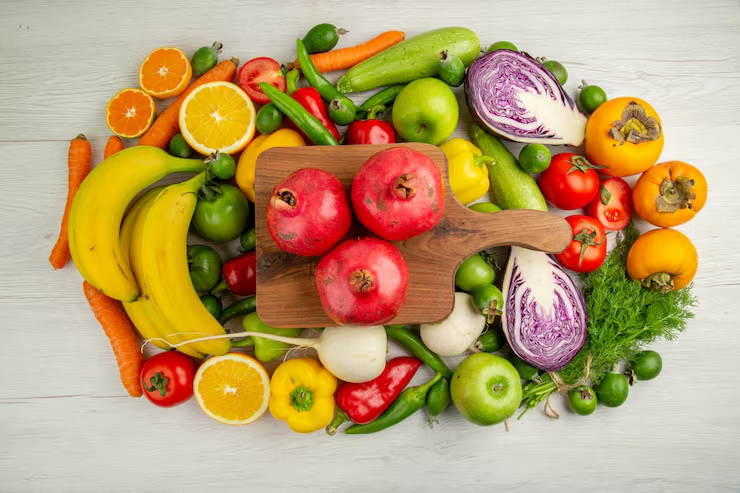
Fresh, seasonal vegetables and fruits are the foundation of an autoimmune diet meal plan. They provide essential vitamins, minerals, and antioxidants that fight inflammation and promote cellular health. Prioritize leafy greens, cruciferous vegetables, and colorful fruits for maximum nutrient intake.
Lean Proteins
Proteins are essential for immune function and tissue repair. Include high-quality sources such as grass-fed meats, organic poultry, fish rich in omega-3s, and plant-based proteins like legumes and quinoa. Ensure protein sources are free from additives and preservatives.
Healthy Fats
Omega-3 fatty acids and monounsaturated fats reduce inflammation and support hormone balance. Avocado, olive oil, flaxseeds, chia seeds, and fatty fish like salmon are ideal inclusions in the autoimmune diet meal plan.
Bone Broth and Collagen
Bone broth is rich in amino acids and collagen, promoting gut healing and joint health. Including bone broth or collagen supplements enhances digestion and reduces autoimmune-related inflammation.
Herbs and Spices
Anti-inflammatory herbs such as turmeric, ginger, garlic, and rosemary provide flavor while supporting immune regulation. Spices enhance nutrient absorption and offer protective compounds against oxidative stress.
Fermented Foods
Fermented foods like sauerkraut, kimchi, kefir, and yogurt promote gut microbiome health. A balanced gut microbiome is essential for managing autoimmune conditions and improving immune resilience.
Hydration and Detoxification
Adequate water intake is critical for nutrient transport, detoxification, and overall cellular function. Herbal teas and water-rich fruits can complement hydration efforts and support the body’s natural detox pathways.
Tips for an Autoimmune Diet Meal Plan
Understand the Principles

An Autoimmune Diet Meal Plan is designed to reduce inflammation, support gut health, and manage autoimmune symptoms. The foundation of the diet focuses on nutrient-dense, whole foods while eliminating potential triggers such as grains, legumes, dairy, nightshades, processed foods, and refined sugars. Understanding these principles ensures you start the plan with clarity and purpose.
The core of an Autoimmune Diet Meal Plan includes vegetables, fruits, high-quality meats, fish, bone broth, and healthy fats like olive oil and avocado. These foods provide essential nutrients that help regulate immune function and reduce inflammation. By knowing what to prioritize and what to avoid, you can build a sustainable eating strategy tailored to your body’s needs.
Implementing the principles of an Autoimmune Diet Meal requires consistency. Tracking what you eat, preparing meals in advance, and avoiding hidden inflammatory ingredients are crucial steps. Familiarizing yourself with the rules makes it easier to stay compliant, helping you experience the benefits of reduced symptoms and improved overall health.
Plan Your Meals in Advance
Meal planning is a key strategy for successfully following an Autoimmune Diet Meal . By planning your meals ahead of time, you can ensure that every dish is nutrient-rich and compliant with the diet’s guidelines. This reduces stress during the week and helps avoid the temptation of quick, non-compliant foods.
An effective Autoimmune Diet Meal Plan should focus on balanced meals that combine protein, vegetables, and healthy fats. For example, a breakfast could include sautéed spinach with turkey, while lunch and dinner could feature salmon with steamed broccoli and avocado. Planning snacks like fresh fruit or coconut yogurt ensures you maintain energy throughout the day.
Preparing meals in advance, such as batch-cooking proteins or freezing soups and stews, is another important aspect of an Autoimmune Diet Meal Plan. This approach saves time, reduces stress, and makes sticking to the diet easier. With a clear meal plan, you are more likely to maintain consistency and see the benefits of this autoimmune-focused diet.
Focus on Nutrient-Dense Foods
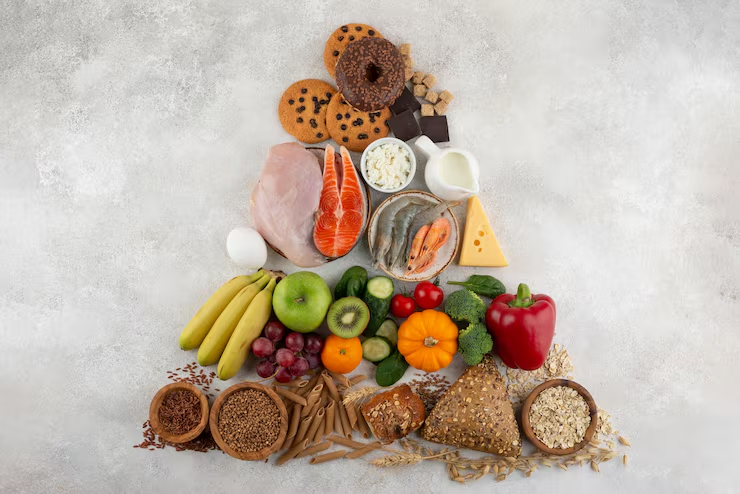
One of the most important tips for following an Autoimmune Diet Meal is prioritizing nutrient-dense foods. These foods provide vitamins, minerals, and antioxidants that support immune function, reduce inflammation, and improve overall health. Vegetables, fruits, high-quality meats, and bone broth are the backbone of this diet.
In an Autoimmune Diet Meal Plan, the goal is to maximize nutrient intake with each meal. Leafy greens, cruciferous vegetables, colorful fruits, and organ meats are excellent choices. Incorporating these foods ensures your body receives essential nutrients like vitamins A, C, D, zinc, and magnesium, which are critical for immune health.
Choosing nutrient-dense foods also helps reduce cravings for processed or inflammatory foods. By focusing on whole, unprocessed ingredients, an Autoimmune Diet Meal Plan becomes more than just a temporary diet—it turns into a lifestyle that supports long-term wellness and helps manage autoimmune symptoms effectively.
Avoid Inflammatory Foods
A crucial component of an Autoimmune Diet Meal Plan is eliminating foods that trigger inflammation. Common culprits include grains, legumes, dairy, nightshades like tomatoes and peppers, processed foods, refined sugar, and industrial oils. Removing these foods gives your body a chance to heal and reduces autoimmune flare-ups.
In practice, following an Autoimmune Diet Meal means reading labels carefully and being mindful of hidden ingredients. For example, many sauces, packaged snacks, and condiments contain dairy, soy, or other inflammatory additives. Being vigilant ensures that your meals remain compliant and effective in supporting immune health.
Avoiding inflammatory foods also allows you to track symptom improvement more accurately. When these foods are removed consistently as part of an Autoimmune Diet Meal Plan, you can better identify triggers and notice reductions in fatigue, joint pain, digestive issues, and other autoimmune symptoms.
Include Healthy Fats
In an Autoimmune Diet Meal Plan, healthy fats are essential for reducing inflammation and supporting hormone and brain function. Sources such as olive oil, avocado, coconut oil, and fatty fish like salmon provide anti-inflammatory benefits that are crucial for managing autoimmune conditions.
Healthy fats also help keep you full and satisfied, which reduces cravings for processed or inflammatory foods. Including fats in every meal of your Autoimmune Diet Meal ensures balanced energy levels throughout the day. For example, drizzling olive oil over vegetables or adding avocado to a salad boosts nutrient absorption and enhances flavor.
Furthermore, an Autoimmune Diet Meal Plan with sufficient healthy fats supports gut healing. Fat-soluble vitamins, such as A, D, E, and K, are absorbed more efficiently when paired with fat. This helps improve overall nutrient intake and supports immune regulation, making fats a key component of any autoimmune-focused diet.
Stay Hydrated

Hydration is often overlooked but is a vital aspect of an Autoimmune Meal Plan. Drinking enough water helps flush out toxins, supports digestion, and aids in nutrient absorption—all of which are essential for managing autoimmune symptoms.
In addition to water, including herbal teas and bone broth can provide added benefits. Bone broth, in particular, contains collagen and amino acids that support gut lining integrity. Proper hydration ensures that the body functions optimally while following an Autoimmune Diet Meal Plan.
Staying hydrated also helps reduce fatigue and joint pain, which are common in autoimmune conditions. By making hydration a regular part of your Autoimmune Diet Meal Plan, you enhance your body’s ability to heal, maintain energy, and support overall wellness.
Track Your Symptoms and Progress
Tracking symptoms is an essential strategy for following an Autoimmune Diet Meal Plan effectively. Keeping a food and symptom journal helps you understand how specific foods affect your body and identify triggers. This makes it easier to fine-tune your diet for maximum benefit.
When using an Autoimmune Diet Plan, record everything you eat, along with any symptoms such as digestive issues, fatigue, or joint pain. Over time, patterns emerge that can guide reintroduction of foods and help maintain long-term symptom relief.
Monitoring your progress also motivates adherence to the plan. Seeing improvements in energy, digestion, or inflammation reinforces the value of an Autoimmune Diet Meal Plan and encourages you to continue making mindful, nutrient-dense food choices.
Reintroduce Foods Carefully
After a strict elimination phase, carefully reintroducing foods is a key part of an Autoimmune Diet Meal Plan. This step allows you to determine which foods trigger symptoms and which can be safely included in your diet.
Reintroduction should be done one food at a time, over several days, while tracking any changes in symptoms. For example, you might reintroduce eggs first and note digestive or inflammatory responses. This systematic approach ensures that your Autoimmune Diet Plan remains personalized and effective.
By carefully reintroducing foods, you can expand your diet without compromising your health. This method makes the Autoimmune Diet Meal Plan sustainable for the long term, helping you manage autoimmune symptoms while enjoying a wider variety of foods.
Conclusion
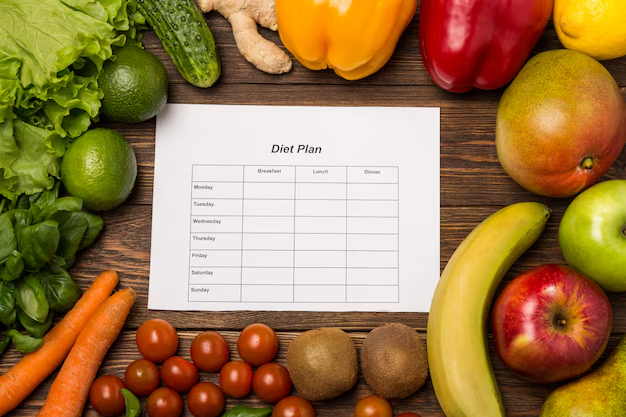
Following an Autoimmune Diet Meal Plan can be a transformative approach for managing autoimmune conditions and improving overall health. By emphasizing nutrient-dense, whole foods and eliminating potential inflammatory triggers such as grains, legumes, dairy, nightshades, and processed foods, this diet supports gut health, reduces inflammation, and promotes immune system balance. The key to success lies in understanding the principles of the diet, planning meals thoughtfully, and committing to consistent, mindful eating. An Autoimmune Meal Plan is not just a temporary regimen—it is a framework for creating sustainable, health-focused habits that help your body function optimally.
Meal planning, preparation, and careful monitoring of your body’s responses are essential components of an effective Autoimmune Diet Meal Plan. Structuring each meal around protein, vegetables, and healthy fats ensures balanced nutrition and steady energy levels throughout the day. Incorporating strategies like batch-cooking, including nutrient-rich foods, staying hydrated, and avoiding hidden inflammatory ingredients makes adherence easier and more practical. Additionally, tracking symptoms and progress allows you to personalize the plan, making it more effective in reducing autoimmune flare-ups and improving quality of life.
Ultimately, an Autoimmune Diet Meal empowers individuals to take control of their health. By carefully eliminating triggers, focusing on nutrient-dense foods, and reintroducing items thoughtfully, you can identify what works best for your body and manage symptoms more effectively. While the journey requires dedication and patience, the long-term benefits of reduced inflammation, improved gut health, and better overall wellness are worth the effort. With consistent practice and mindful choices, an Autoimmune Meal Plan can become a sustainable lifestyle strategy that supports both physical and emotional well-being.
FAQs
Q1. What are the main benefits of following this type of diet?
This dietary approach can help reduce inflammation, improve digestive health, and support overall immune function. Many people also notice increased energy levels and a reduction in symptoms associated with chronic inflammatory conditions.
Q2. How long does it take to see results?
Results vary depending on the individual and the severity of symptoms. Some people notice improvements within a few weeks, while others may take a couple of months. Consistency and careful monitoring of food choices play a key role in seeing positive changes.
Q3. Can I eat out or cook at home while following this diet?
Yes, both options are possible. Cooking at home allows you to control ingredients and avoid potential triggers, while eating out may require careful menu choices and asking about preparation methods to stay compliant.
Q4. Are there any foods that are especially beneficial?
Foods rich in nutrients and anti-inflammatory compounds are most beneficial. These include leafy greens, colorful vegetables, high-quality protein sources, healthy fats, and fermented foods that support gut health.
Q5. Is it safe for everyone to follow this dietary approach?
While generally safe, it may not be suitable for everyone, especially those with specific medical conditions or nutritional deficiencies. Consulting a healthcare professional or a registered dietitian before starting this plan is recommended to ensure it meets individual needs.