

Carbohydrates are often misunderstood in the world of nutrition, with many people associating them with weight gain, sugar spikes, and unhealthy eating patterns. However, when consumed in the right form, carbs play a vital role in supporting energy, brain function, and overall wellness. The key lies in making the right choices and prioritizing healthy carb foods that offer essential nutrients along with slow-digesting energy. These foods not only fuel the body but also support digestion, heart health, and even long-term disease prevention.
In today’s health-conscious world, people are beginning to shift their focus from eliminating carbs altogether to incorporating them in smarter, more beneficial ways. A diet rich in healthy carb foods can help balance blood sugar levels, reduce cravings, and provide sustained vitality throughout the day. Unlike refined carbs that quickly break down into sugar, healthy carbs contain fiber, vitamins, minerals, and plant compounds that nourish the body at a cellular level. From whole grains to fruits, vegetables, and legumes, the range of nutrient-packed carbohydrate sources is wide and versatile.
This article will take a deep dive into healthy carb foods, explaining what they are, why they are important, and how they can be included in your diet for maximum health benefits. With 12 powerful options explained in detail, you’ll discover how these foods can transform your meals, improve your energy levels, and keep you feeling fuller for longer. Whether your goal is weight management, better digestion, or simply living a healthier lifestyle, understanding the value of healthy carb choices is an essential step forward.
What Are Healthy Carb Foods?
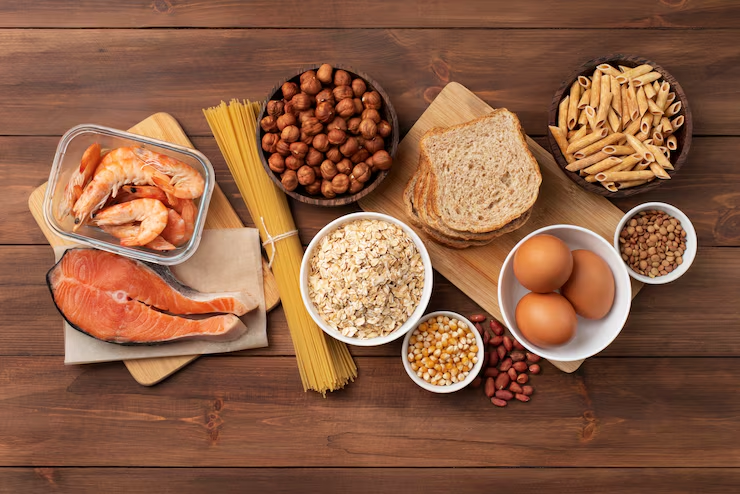
To put it simply, healthy carb foods are carbohydrate sources that are rich in fiber, low in added sugars, and packed with nutrients. They are often whole, minimally processed foods that release energy slowly, preventing blood sugar spikes and crashes. Unlike refined carbs such as white bread or pastries, healthy carbs keep you satisfied and support a steady flow of energy.
The nutritional foundation of healthy carb foods lies in their complex carbohydrate structure. Foods like oats, quinoa, beans, sweet potatoes, and whole fruits provide not only carbs but also proteins, antioxidants, and minerals. The fiber in these foods plays a critical role in slowing digestion, supporting gut health, and maintaining steady glucose levels. In short, they are more than just energy providers—they are functional foods that benefit your body on multiple levels.
Another defining feature of healthy carb foods is their versatility. You can include them in breakfasts, lunches, dinners, or snacks without feeling restricted. For example, a bowl of brown rice with vegetables, an apple with nut butter, or a hearty lentil soup are all excellent ways to integrate healthy carbs into your daily eating routine. They prove that carbs do not need to be feared but embraced in their healthiest forms.
Why Are Healthy Carb Foods Important?
Carbohydrates are the body’s preferred source of energy, and choosing the right ones ensures that your energy supply remains stable throughout the day. Incorporating healthy carb foods helps prevent the rapid sugar spikes associated with processed carbs. This steady energy release improves focus, productivity, and physical performance. For anyone active in sports or regular exercise, carbs are essential to replenish glycogen stores and aid in recovery.
Beyond energy, healthy carb foods are crucial for maintaining digestive health. The fiber content feeds beneficial gut bacteria, supporting microbiome diversity and reducing risks of digestive issues like constipation or bloating. A balanced gut microbiome has been linked to improved immunity, better mood regulation, and reduced risk of chronic diseases.
Furthermore, healthy carb foods can play a significant role in long-term wellness. Regular consumption of whole grains, legumes, and starchy vegetables is associated with reduced risks of type 2 diabetes, heart disease, and obesity. By replacing refined carbohydrates with whole, nutrient-dense options, you give your body the tools it needs for better metabolic health and longevity.
Best Healthy Carb Foods to Add to Your Diet
Oats – The King of Breakfast Carbs 🌾
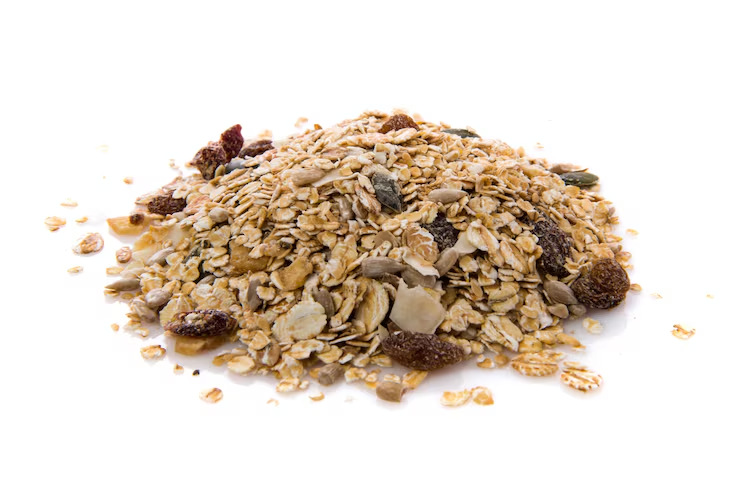
Oats are among the most celebrated healthy carb foods, often recommended as a go-to breakfast option. They are whole grains packed with complex carbs, soluble fiber (especially beta-glucan), vitamins, and minerals. This fiber plays a unique role in lowering cholesterol, improving heart health, and regulating blood sugar levels.
One of the key reasons oats qualify as healthy carb foods is their ability to provide slow-release energy. Unlike sugary cereals, oatmeal keeps you satisfied for hours, making it a great option for those aiming to control appetite and manage weight. The beta-glucan in oats also promotes gut health by acting as a prebiotic, feeding beneficial bacteria.
Oats are highly versatile. You can prepare classic oatmeal with fruits and nuts, make overnight oats for a convenient meal, or even use oat flour in pancakes, muffins, or bread. Whether you choose rolled oats, steel-cut oats, or instant oats, they remain one of the most nutrient-dense sources of healthy carbs. Regularly consuming oats supports heart health, digestion, and weight management, making them a must-have staple in any balanced diet.
Quinoa – The Complete Protein Grain 🌱
Quinoa is often regarded as a superfood, and for good reason. It stands out among healthy carb foods because it is not only high in complex carbs but also a complete protein, containing all nine essential amino acids. This makes it a rare plant-based food that supports both energy and muscle repair.
Quinoa is naturally gluten-free, making it a fantastic option for individuals with gluten sensitivities or celiac disease. Its fiber content aids digestion and helps in maintaining steady blood sugar levels. Compared to refined grains, quinoa provides higher levels of magnesium, iron, and antioxidants, all essential for overall health.
Incorporating quinoa into your diet is simple. You can use it as a base for grain bowls, mix it into salads, or replace rice with quinoa in stir-fries. It can even be used to prepare quinoa porridge for breakfast. Being rich in nutrients, quinoa supports heart health, reduces inflammation, and provides long-lasting energy, making it one of the top healthy foods to enjoy regularly.
Sweet Potatoes – Nutrient-Rich Root Veggies 🍠
Sweet potatoes are another powerhouse in the category of healthy carb foods. They are rich in complex carbs, fiber, and a wealth of micronutrients such as vitamin A (in the form of beta-carotene), vitamin C, and potassium. The natural sweetness of this root vegetable makes it both nutritious and delicious.
The high fiber content of sweet potatoes slows digestion, which helps regulate blood sugar levels and keeps you full longer. Vitamin A supports vision and immunity, while potassium aids in controlling blood pressure. This nutrient density makes sweet potatoes an excellent choice for anyone seeking healthier carb sources.
Cooking methods for sweet potatoes are varied—baking, roasting, mashing, or even air-frying them into crispy fries. They pair well with both savory and sweet dishes, offering versatility in meal planning. Including sweet potatoes as part of your weekly meals ensures that you benefit from their fiber, antioxidants, and slow-releasing carbohydrates, solidifying their place as one of the best healthy carb foods.
Brown Rice – The Whole Grain Classic 🍚
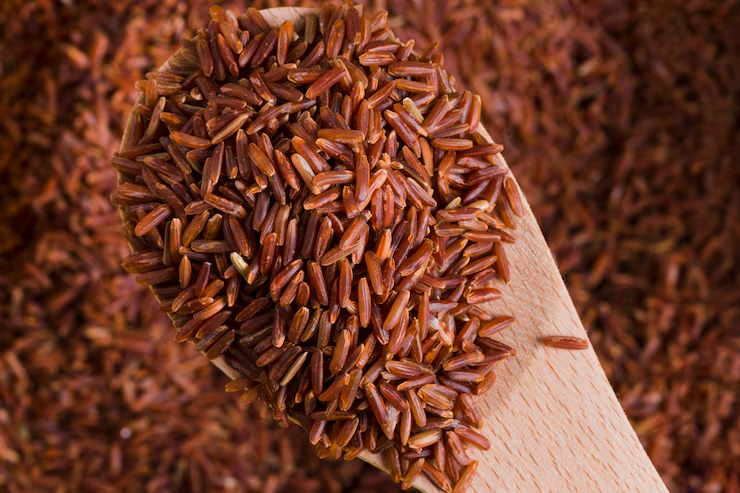
Brown rice is one of the most widely consumed healthy foods, especially in traditional diets around the world. Unlike white rice, brown rice retains its bran and germ layers, which are rich in fiber, vitamins, and minerals. This makes it a more nutrient-dense option and a slower-digesting carbohydrate.
Eating brown rice helps stabilize blood sugar levels and provides a steady stream of energy. Its fiber content supports digestion and may also reduce cholesterol levels. Additionally, brown rice contains magnesium, which plays a vital role in muscle function, bone health, and energy production.
You can easily incorporate brown rice into curries, stir-fries, Buddha bowls, or as a side dish to protein-rich meals. It works as a versatile staple in many cuisines and can replace white rice for a healthier alternative. As one of the top healthy carb foods, brown rice supports weight management, satiety, and balanced nutrition.
Lentils – Protein and Fiber Powerhouse 🌿
Lentils are legumes that rank high among healthy foods because of their unique combination of carbohydrates, plant protein, and fiber. They are particularly beneficial for vegetarians and vegans who need both energy and protein from plant-based sources.
Lentils are rich in folate, iron, magnesium, and potassium, nutrients essential for cardiovascular health and energy production. The high fiber content helps regulate digestion, reduces cholesterol, and promotes steady blood sugar control. Their low glycemic index makes them a smart choice for people managing diabetes.
Cooking with lentils is easy—they can be added to soups, curries, stews, or even salads. From red and green lentils to black and French varieties, they provide delicious and versatile ways to incorporate healthy carb foods into your meals. Regular consumption of lentils supports satiety, muscle recovery, and long-term wellness.
Chickpeas – The Versatile Legume 🥙
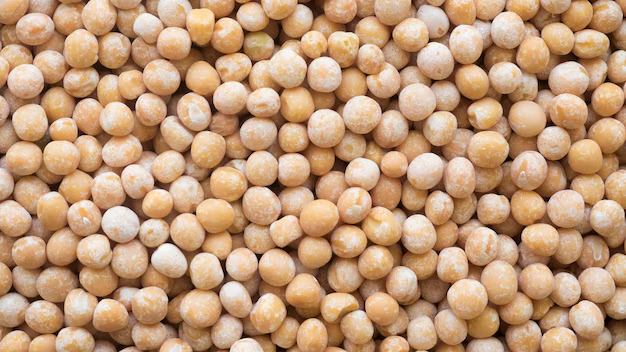
Chickpeas, also known as garbanzo beans, are another excellent source of healthy carb foods. Like lentils, they combine carbohydrates with plant protein, making them a filling and balanced food. Chickpeas are packed with fiber, iron, and B vitamins, which help sustain energy and improve metabolism.
One of the standout benefits of chickpeas is their impact on satiety. Meals containing chickpeas help reduce hunger and cravings, which is beneficial for weight management. Their fiber content also supports gut health and lowers cholesterol levels.
Chickpeas can be enjoyed in numerous ways—roasted as a crunchy snack, blended into hummus, added to salads, or cooked in hearty curries. This versatility makes them easy to include in any diet. By incorporating chickpeas regularly, you can enjoy sustained energy and improved health, reinforcing their role as one of the most valuable healthy carb foods.
Apples – Nature’s Portable Snack 🍏
Among fruits, apples stand out as one of the most popular healthy carb foods. They are rich in natural sugars, fiber, vitamin C, and antioxidants. Their soluble fiber, pectin, helps regulate digestion and keeps you feeling full.
Apples have a low glycemic index, meaning they release sugar slowly into the bloodstream, preventing spikes and crashes. Regular consumption of apples is linked to reduced risks of heart disease, diabetes, and certain cancers, thanks to their antioxidant profile.
As a portable and versatile fruit, apples can be eaten raw, sliced into salads, baked with cinnamon, or paired with nut butter for a balanced snack. Including apples in your diet provides a natural and delicious way to enjoy healthy carb foods while supporting immunity and overall wellness.
Bananas – Energy on the Go 🍌
Bananas are one of the most convenient healthy carb foods, providing quick yet balanced energy. They are rich in potassium, vitamin B6, and fiber. For athletes and active individuals, bananas are excellent for replenishing glycogen stores and preventing muscle cramps.
Their combination of natural sugars and fiber makes bananas a great snack that satisfies hunger without causing drastic sugar spikes. They also support digestive health due to their resistant starch, which acts as a prebiotic.
Bananas can be eaten on their own, blended into smoothies, or used in baking. They’re also a perfect addition to oatmeal or peanut butter toast. Their nutritional profile and ease of use make bananas an essential healthy carb food for people of all ages.
Beans – A Staple for Energy and Fiber 🌮
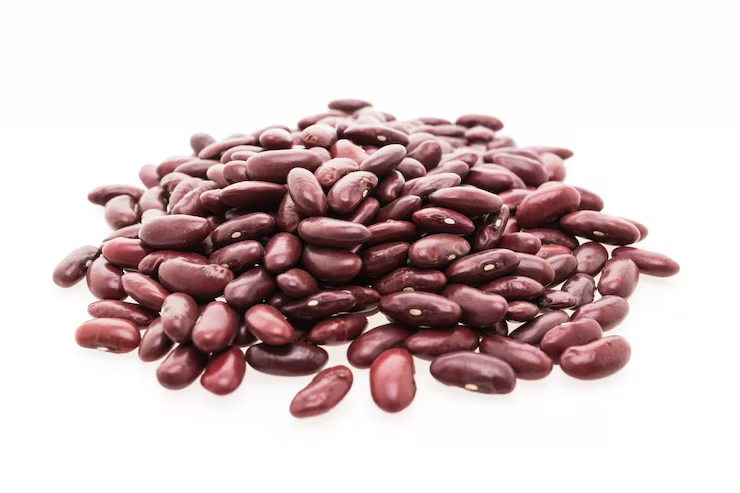
Beans, including black beans, kidney beans, and pinto beans, are nutrient-dense healthy carb foods that offer carbohydrates, plant protein, and fiber. They are especially beneficial for heart health, thanks to their cholesterol-lowering properties.
Beans are rich in iron, folate, and magnesium, making them ideal for boosting energy levels and supporting red blood cell function. Their low glycemic index ensures steady glucose levels, making them suitable for people with diabetes.
You can incorporate beans into soups, stews, burritos, or grain bowls. They are budget-friendly, versatile, and provide long-lasting energy. Including beans regularly in your diet helps promote satiety, supports gut health, and ensures balanced nutrient intake from healthy carb foods.
Barley – The Ancient Grain 🌾
Barley is an underrated but powerful option in the world of healthy carb foods. This ancient grain is packed with fiber, vitamins, minerals, and antioxidants. Its soluble fiber helps regulate blood sugar and cholesterol levels.
Barley provides long-lasting energy due to its complex carbohydrates. It also supports gut health, as its fiber content feeds beneficial bacteria. Regular barley consumption is associated with improved digestion and reduced risks of heart disease.
It can be enjoyed in soups, salads, or as a rice alternative. Barley’s chewy texture and nutty flavor make it a satisfying addition to meals. Including barley as part of your grain rotation ensures diversity in your healthy carb foods intake.
Berries – Antioxidant-Rich Carbs 🍓
Berries such as blueberries, strawberries, and raspberries are delicious healthy carb foods that also offer powerful antioxidants. They are low in calories but high in fiber, vitamin C, and plant compounds that fight inflammation.
The fiber in berries slows down sugar absorption, making them suitable even for people monitoring their blood sugar. Regular consumption is linked to improved brain health, heart health, and reduced oxidative stress.
Berries can be eaten fresh, added to yogurt, oatmeal, or smoothies, or even used in desserts. Their vibrant colors and sweet flavors make them a delightful way to incorporate healthy carb foods into your daily diet.
Whole Wheat Bread – A Smarter Bread Choice 🍞
Whole wheat bread, when made from 100% whole grains, is one of the most practical healthy carb foods for everyday meals. Unlike white bread, it retains the bran and germ, which contain fiber, protein, and nutrients.
Whole wheat bread supports digestion, keeps you full, and helps regulate blood sugar levels. It also provides important minerals such as zinc, iron, and magnesium.
Choosing high-quality whole wheat bread without added sugars or preservatives is key. It can be used in sandwiches, toast, or alongside soups. By making the switch to whole wheat, you ensure your carb intake comes from healthy carb foods that provide long-lasting energy and nutrition.
Conclusion 🌟
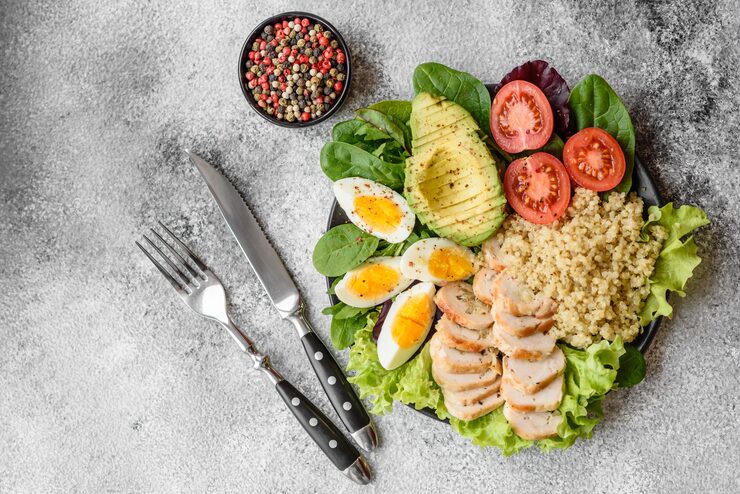
Carbohydrates are not the enemy—they are the body’s natural source of fuel. The key lies in selecting the right kinds of carbs. By focusing on healthy carb foods, you provide your body with long-lasting energy, essential nutrients, and support for overall wellness. These foods ensure stable blood sugar levels, improved digestion, and protection against chronic diseases.
From whole grains like oats and quinoa to legumes like lentils and chickpeas, and fruits such as apples and berries, the choices for healthy carb foods are abundant and versatile. Each food brings unique benefits, from boosting heart health to enhancing energy levels, proving that carbs can indeed be the cornerstone of a balanced diet.
Incorporating healthy carb foods into your meals does not just improve physical health—it also enhances your lifestyle. You’ll experience better focus, greater stamina, and more satisfaction from your meals. Instead of fearing carbs, embrace them in their healthiest forms, and let them be a foundation for your journey toward long-term health and vitality.
FAQs
Q1: What makes healthy carb foods different from unhealthy carbs?
Healthy foods are rich in fiber, vitamins, and minerals, while unhealthy carbs are refined and often stripped of nutrients. The fiber in healthy carbs slows digestion, supports gut health, and prevents blood sugar spikes. In contrast, refined carbs cause quick sugar surges that may lead to energy crashes and weight gain.
Q2: Can healthy carb foods help with weight management?
Yes, healthy foods support weight management because their fiber keeps you full longer and reduces cravings. By replacing processed carbs with nutrient-dense options like oats, quinoa, and beans, you can regulate appetite, balance blood sugar, and consume fewer empty calories while still fueling your body with energy.
Q3: Are healthy carb foods suitable for people with diabetes?
Absolutely. Many healthy carb like lentils, beans, quinoa, and berries have a low glycemic index, which means they release sugar slowly. This helps people with diabetes maintain stable blood sugar levels. However, portion control and balanced meals are important to ensure carbs are consumed in the right amounts.
Q4: How often should I include healthy foods in my diet?
Healthy carb foods can be part of every meal. Incorporating whole grains, legumes, fruits, and vegetables ensures a steady energy supply throughout the day. Ideally, they should make up around 45–55% of your daily calorie intake, depending on your activity level, health goals, and dietary preferences.
Q5: Can healthy carb foods improve athletic performance?
Yes, athletes and active individuals benefit greatly from healthy foods. These carbs replenish glycogen stores, sustain energy during workouts, and aid in recovery afterward. Options like bananas, oats, and brown rice are excellent pre- or post-workout foods that enhance performance and overall endurance.