

When it comes to glowing, youthful, and resilient skin, most people immediately think of expensive creams, serums, or facial treatments. While topical skincare is undeniably important, the real foundation of skin health begins from within. The Skincare Food Diet is a scientifically backed and holistic approach that emphasizes nourishing your skin by eating foods that are rich in vitamins, minerals, antioxidants, and healthy fats. Unlike quick fixes, this method promotes lasting skin health and natural beauty.
The Skincare Food Diet is not just another trendy term. It is a lifestyle that aligns your daily meals with your skin’s biological needs. Your skin is the body’s largest organ, and just like your heart or brain, it requires targeted nutrients to function optimally. A balanced Skincare Food Diet helps in reducing premature aging, fighting acne, evening skin tone, and improving overall radiance. Instead of relying solely on artificial solutions, this dietary strategy provides your body with the essential building blocks to heal and regenerate from the inside out.
In today’s fast-paced world, where processed foods, pollution, and stress dominate our lives, skin problems are more common than ever. But the solution doesn’t always lie in chemical products—it often lies in your kitchen. By carefully selecting foods that promote hydration, collagen production, and cellular repair, the Skincare Food Diet gives you control over your appearance and confidence. This positive approach to skincare emphasizes prevention rather than cure, ensuring that your natural glow shines through consistently. 🌱
What is a Skincare Food Diet?
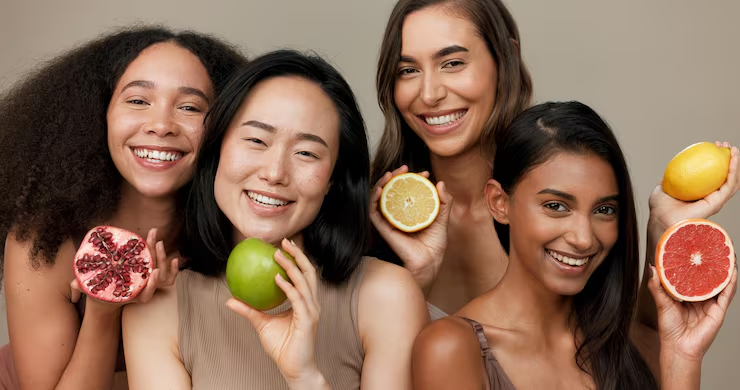
A Skincare Food Diet is a nutritional strategy that focuses on eating foods that specifically benefit skin health. Unlike a general healthy diet, it emphasizes ingredients that are proven to combat free radicals, boost hydration, improve elasticity, and support skin renewal. Think of it as creating a customized menu where every bite contributes directly to enhancing your skin’s vitality.
For example, foods rich in omega-3 fatty acids like salmon or chia seeds reduce inflammation and protect against dryness. Antioxidant-rich berries neutralize free radicals that damage collagen, while vitamin C-rich fruits such as oranges or kiwi boost collagen synthesis. When these foods are consistently included in a Skincare Food Diet, the results show on your face: smoother texture, brighter tone, and fewer fine lines.
Unlike restrictive diets, the Skincare Food Diet is sustainable, flexible, and enjoyable. You don’t have to eliminate entire food groups—instead, you learn to choose wisely and balance your meals in a way that supports both your skin and your overall well-being. Over time, this diet becomes less of a routine and more of a lifestyle that ensures your skin remains nourished, protected, and radiant.
Why Choose a Skincare Food Diet?
The benefits of adopting a Skincare Food Diet extend beyond skin deep. One of the main reasons people struggle with skin problems is nutritional deficiency. Your body prioritizes essential organs like the heart and brain when distributing nutrients. The skin, although important, often gets the leftovers. By intentionally fueling your body with skin-friendly foods, you ensure that your complexion gets the attention it deserves.
Another reason to embrace a Skincare Food Diet is its preventive nature. Instead of waiting for wrinkles, breakouts, or pigmentation issues to appear and then treating them with expensive products, you proactively strengthen your skin’s defense system. This reduces the frequency and severity of skin concerns, making your skincare journey more cost-effective and sustainable.
Lastly, a Skincare Food Diet impacts more than just your appearance—it boosts your confidence and emotional well-being. When your skin looks healthy and radiant, you feel more comfortable in your natural self, reducing the reliance on heavy makeup. This psychological boost is just as valuable as the physical results, making the Skincare Diet a truly transformative lifestyle choice. 🌟
Essential Components of a Skincare Food Diet
Hydration and Water-Rich Foods 💧
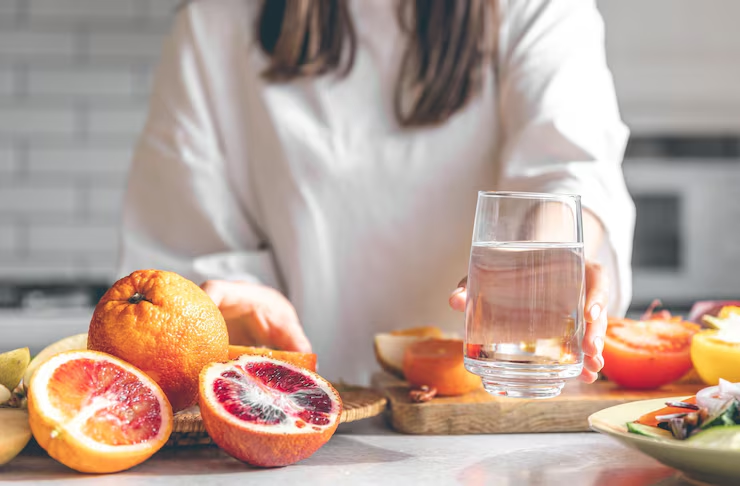
Hydration is the foundation of any effective Skincare Food Diet. Your skin is made up of nearly 64% water, and without sufficient hydration, it becomes dry, flaky, and prone to premature aging. Drinking enough water every day is important, but the real magic lies in combining fluid intake with water-rich foods like cucumbers, watermelons, tomatoes, and oranges. These foods not only quench your thirst but also deliver electrolytes, antioxidants, and vitamins that enhance skin texture and elasticity. By consistently including water-rich foods in your Skincare Food Diet, you create a natural reservoir of hydration within your skin cells.
When your body lacks hydration, toxins accumulate and circulation slows down, which directly impacts skin radiance. Dehydrated skin often appears tired, dull, and older than its actual age. By choosing fruits and vegetables with high water content, you provide your skin with both hydration and essential micronutrients. This ensures that your complexion looks plump, refreshed, and youthful. A properly hydrated body also supports collagen production, which means fewer fine lines and wrinkles in the long term. In this way, hydration becomes one of the most powerful beauty secrets of a Skincare Diet.
Moreover, water-rich foods are low in calories and high in fiber, which makes them a win-win addition to any meal plan. Not only do they aid digestion, but they also help flush out harmful toxins that cause breakouts and uneven skin tone. A cucumber and mint-infused water, a watermelon smoothie, or a bowl of citrus salad are excellent additions to your daily routine. By making hydration a central part of your Skincare Food Diet, you’re not just drinking water—you’re feeding your skin life-sustaining nutrients that keep it glowing naturally.
Omega-3 Fatty Acids for Skin Elasticity 🐟
Healthy fats are essential for radiant skin, and omega-3 fatty acids play a particularly powerful role in any Skincare Food Diet. Found in salmon, chia seeds, walnuts, and flaxseeds, omega-3s help to build and maintain the skin’s lipid barrier. This barrier is responsible for keeping moisture in and irritants out. Without a strong lipid barrier, your skin becomes more prone to dryness, sensitivity, and premature aging. By prioritizing omega-3 foods in your diet, you support smoother, more elastic skin that feels nourished from within.
The anti-inflammatory benefits of omega-3 fatty acids are also crucial for skin health. Inflammation is one of the leading causes of acne, redness, and flare-ups in conditions like eczema or psoriasis. A Skincare Diet rich in omega-3s helps to calm this inflammation, reducing the severity of breakouts and skin irritation. Over time, this reduces the need for strong topical treatments, since your skin begins to repair and balance itself naturally. This is why many dermatologists recommend including fatty fish or plant-based omega-3 alternatives in a skin-focused meal plan.
Furthermore, omega-3 fatty acids support collagen production and reduce oxidative stress caused by free radicals. Collagen is the structural protein that keeps your skin firm and youthful, and when supported by omega-3s, it maintains elasticity and prevents sagging. Incorporating foods like avocado toast topped with chia seeds or grilled salmon with leafy greens into your Skincare Food Diet creates delicious, nutrient-packed meals that directly benefit your complexion. By making omega-3 fatty acids a regular part of your diet, you invest in long-term skin resilience and a naturally radiant glow.
Antioxidant-Rich Fruits and Vegetables 🍇
Antioxidants are the skin’s ultimate defenders, and no Skincare Food Diet is complete without them. Free radicals—unstable molecules caused by pollution, stress, and UV rays—damage skin cells, break down collagen, and accelerate aging. Antioxidants neutralize these harmful molecules, protecting your skin from oxidative stress. Foods like blueberries, strawberries, spinach, kale, and bell peppers are loaded with antioxidants that brighten your skin and keep it youthful. Including these foods daily ensures your skin receives natural protection against environmental damage.
Vitamin C, one of the most well-known antioxidants, plays a critical role in collagen synthesis. Without it, your skin loses firmness and becomes prone to wrinkles. Oranges, kiwis, papayas, and bell peppers are rich in vitamin C and should be central to your Skincare Food Diet. Vitamin E, another powerful antioxidant found in almonds and sunflower seeds, works to repair skin damage and strengthen the protective barrier. When combined, these vitamins make your skin more resilient and give it a healthy, radiant glow.
In addition to vitamins, antioxidant-rich foods provide phytonutrients such as flavonoids and carotenoids that protect against UV-induced damage. Carrots, sweet potatoes, and tomatoes, for example, contain beta-carotene and lycopene, which act as natural sunscreens. Regularly eating a rainbow of fruits and vegetables ensures you get a wide variety of antioxidants working together. By weaving these nutrient-dense foods into your Skincare Diet, you not only protect your skin from premature aging but also give it the energy to repair and regenerate effectively.
Collagen-Boosting Foods 🥩
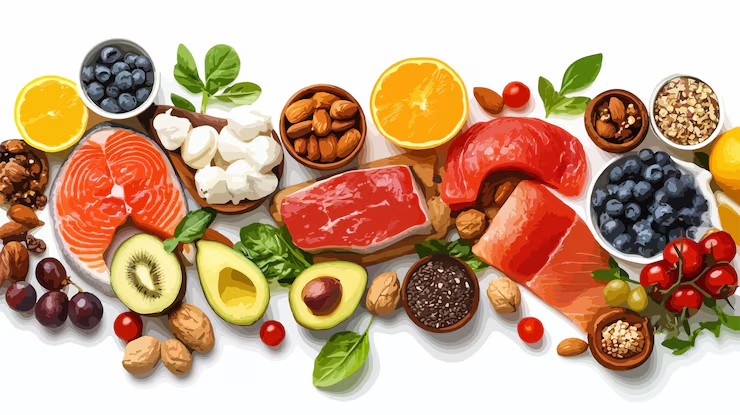
Collagen is the structural protein that gives skin its firmness, elasticity, and youthful appearance. Unfortunately, collagen production naturally declines with age, which results in fine lines, sagging, and wrinkles. A well-structured Skincare Food Diet combats this decline by including foods that either directly provide collagen or stimulate the body’s natural collagen synthesis. Bone broth, chicken skin, fish, and egg whites are excellent natural sources of collagen. Meanwhile, vitamin C-rich foods like oranges, strawberries, and kiwi help your body build collagen more efficiently. By regularly including these foods, your Skincare Diet ensures that your skin retains its strength and resilience as you age.
The importance of collagen goes beyond aesthetics—it also plays a role in wound healing, hydration, and maintaining skin structure. Without enough collagen, your skin loses its ability to repair itself quickly after sun exposure, environmental damage, or acne breakouts. Including collagen-boosting foods in your Skincare Diet not only slows down visible aging but also improves skin recovery and overall texture. You’ll notice fewer stretch marks, tighter skin, and reduced sagging when you consistently supply your body with these essential nutrients.
To make collagen-boosting foods a part of your daily meals, you can enjoy a warm cup of bone broth, add citrus fruits to your breakfast smoothie, or prepare grilled fish paired with leafy greens. These simple yet powerful additions make a long-term difference. When your Skincare Food Diet emphasizes collagen, you give your body the tools to maintain youthful skin naturally—without the need for costly cosmetic treatments. Over time, this nutritional strategy becomes your best ally in achieving radiant, firm, and age-defying skin.
Probiotics and Gut Health 🥛
The connection between your gut and your skin, known as the “gut-skin axis,” is one of the most fascinating areas of modern nutrition and dermatology. A healthy gut supports better digestion, reduces inflammation, and improves nutrient absorption—all of which directly benefit your skin. A Skincare Food Diet that incorporates probiotics ensures that your gut flora remains balanced, which reflects in clearer, calmer, and healthier-looking skin. Foods like yogurt, kefir, kimchi, miso, and sauerkraut are rich in probiotics and should be regular inclusions in your diet.
When your gut is out of balance, it often shows on your skin. Conditions like acne, eczema, rosacea, and dullness can be aggravated by poor digestion or harmful bacteria in the intestines. By adding probiotics to your Skincare Food Diet, you reduce inflammation and strengthen your skin’s natural barrier, which helps protect against sensitivity and breakouts. The nutrients you consume also get absorbed more efficiently, ensuring your skin receives maximum benefits from the food you eat.
Beyond just probiotics, prebiotics such as garlic, onions, bananas, and asparagus feed healthy gut bacteria, helping them thrive. Together, probiotics and prebiotics form a powerful combination that boosts overall skin health. Incorporating probiotic smoothies, yogurt parfaits, or fermented vegetables into your meals not only supports digestion but also enhances your complexion. By making probiotics a staple in your Skincare Food Diet, you align your gut and skin health for long-lasting clarity and radiance.
Whole Grains and Fiber 🌾
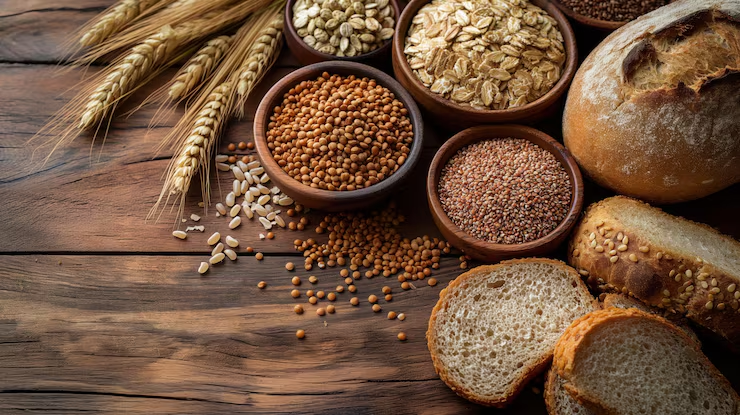
Carbohydrates often get a bad reputation, but when chosen wisely, they can be a powerful ally in your Skincare Food Diet. Whole grains such as oats, quinoa, brown rice, and barley are nutrient-dense, slow-digesting carbs that provide steady energy while keeping blood sugar levels stable. This is important because spikes in blood sugar can lead to inflammation and increased oil production, which in turn trigger acne breakouts. By swapping processed carbs with whole grains, you not only support skin clarity but also improve overall metabolic health.
Fiber is another crucial benefit of whole grains. It aids digestion, promotes detoxification, and ensures waste products are efficiently removed from the body. Poor digestion can lead to toxin buildup, which often manifests as skin problems such as dullness, acne, or uneven tone. A fiber-rich Skincare Food Diet ensures that your gut and skin remain in harmony, reducing the likelihood of flare-ups and supporting a smoother complexion. The minerals in whole grains, such as zinc, magnesium, and iron, also play a direct role in skin repair and renewal.
Adding whole grains to your meals is simple and versatile. Overnight oats topped with fruits, quinoa bowls with vegetables, or brown rice with lean proteins are delicious, skin-friendly options. These foods keep you full longer while delivering vital nutrients that nourish your skin from within. By making whole grains and fiber an essential component of your Skincare Food Diet, you give your skin the ability to stay clear, youthful, and naturally radiant without depending on restrictive diets or harsh topical products.
Lean Proteins for Repair and Renewal 🍗
Protein is often referred to as the building block of life, and for good reason—it plays a crucial role in repairing and renewing skin cells. A Skincare Food Diet that includes adequate lean protein supports collagen production, tissue regeneration, and the formation of enzymes that protect the skin from damage. Foods like chicken, turkey, eggs, lentils, beans, and tofu provide high-quality protein that fuels cell turnover and strengthens the skin’s structure. Without enough protein, your skin can appear dull, lifeless, and slow to heal from blemishes or injuries.
Lean protein also helps balance hormones, which indirectly benefits the skin. Hormonal imbalances are often a root cause of acne and other skin issues. By consuming protein-rich foods, you stabilize your metabolism and support hormone regulation, which leads to fewer breakouts and more balanced skin. A well-planned Skincare Diet ensures that your protein intake comes from healthy sources, avoiding excessive saturated fats that may worsen inflammation.
Incorporating protein into your daily meals can be both delicious and simple. A spinach and egg scramble for breakfast, a grilled chicken salad for lunch, or a tofu stir-fry for dinner are all excellent options. These meals not only satisfy hunger but also provide the amino acids necessary for glowing, youthful skin. When you prioritize lean proteins in your Skincare Food Diet, you set the stage for ongoing repair, renewal, and resilience—qualities that every radiant complexion depends on.
Micronutrients: Zinc, Selenium, and Iron 💊
While vitamins often steal the spotlight in skin nutrition, minerals like zinc, selenium, and iron are equally vital. Zinc regulates oil production, speeds up wound healing, and reduces inflammation—all essential for acne-prone skin. Selenium protects skin cells from UV damage and oxidative stress, while iron ensures that oxygen is efficiently delivered to skin tissues, preventing dullness and fatigue. A Skincare Food Diet rich in these minerals creates an internal balance that directly reflects in your skin’s glow.
Deficiencies in these minerals often manifest as skin concerns. Low zinc can cause acne and slow healing, iron deficiency can lead to pale or tired-looking skin, and lack of selenium can make your skin more vulnerable to sun damage. By intentionally including nuts, seeds, shellfish, leafy greens, and legumes in your Skincare Food Diet, you supply your skin with the micronutrients it needs to function optimally. These small but mighty nutrients play a critical role in maintaining skin balance and resilience.
Meal planning with minerals in mind can be both practical and enjoyable. A spinach and lentil soup boosts your iron intake, a handful of Brazil nuts provides selenium, and pumpkin seeds are an excellent source of zinc. By weaving these into your daily meals, you fortify your body’s natural defenses against environmental stressors. When you prioritize micronutrients in your Skincare Food Diet, you give your skin the tools to remain strong, radiant, and resistant to common skin problems.
Herbal Teas and Natural Detoxifiers 🍵
Hydration isn’t limited to water—herbal teas and natural detoxifiers are a soothing and effective addition to any Skincare Food Diet. Teas like green tea, chamomile, and dandelion are rich in polyphenols and catechins, which protect the skin from free radicals and reduce inflammation. Unlike sugary drinks, these teas hydrate the body while delivering powerful skin-enhancing compounds. Regularly sipping herbal teas not only improves internal balance but also results in clearer, calmer, and more youthful-looking skin.
Green tea, in particular, has been widely studied for its ability to protect against UV damage, reduce acne, and support skin elasticity. Its antioxidant EGCG helps neutralize free radicals and reduce sebum production. Chamomile tea, on the other hand, has calming properties that soothe irritated skin and reduce redness. By incorporating these beverages into your Skincare Food Diet, you provide your skin with consistent nourishment in a form that is both refreshing and beneficial.
Beyond teas, natural detoxifiers like lemon water, apple cider vinegar, and herbal infusions aid digestion and promote toxin elimination. When toxins accumulate in the body, they often show up as acne, dullness, or inflammation on the skin. By adding detoxifying drinks and teas to your daily routine, you enhance your skin’s clarity and radiance. This gentle yet powerful habit makes your Skincare Diet not just about food, but also about smart beverage choices that protect and rejuvenate your skin from within.
Conclusion
The Skincare Food Diet is not just a passing wellness trend—it is a sustainable lifestyle that empowers you to take charge of your skin health naturally. By choosing foods that are rich in hydration, antioxidants, proteins, and minerals, you create an internal environment where your skin can thrive. This dietary approach not only improves your appearance but also enhances overall health, making it a win-win solution.
What makes the Skincare Diet especially powerful is its preventive nature. Instead of waiting for wrinkles, pigmentation, or acne to take over, you proactively strengthen your skin’s defenses. Every meal becomes an opportunity to nurture your body’s largest organ, ensuring long-lasting beauty and vitality. Unlike expensive skincare products that offer temporary fixes, this lifestyle provides a foundation of resilience that shows in your skin every day.
Ultimately, beauty comes from balance—and the Skincare Food Diet perfectly reflects that principle. By blending science, nutrition, and self-care, you unlock your skin’s natural potential. So, whether your goal is to fight aging, reduce breakouts, or simply enjoy radiant skin, embracing this positive and empowering diet will help you glow with confidence. 🌸
FAQs
Q1: How long does it take to see results from a Skincare Food Diet?
A Skincare Food Diet usually shows visible results within 6–8 weeks. Skin renewal cycles take about 28 days, so consistent dietary habits are necessary. Over time, improvements like fewer breakouts, reduced fine lines, and enhanced glow become noticeable, making the wait worthwhile.
Q2: Can a Skincare Food Diet completely replace skincare products?
While a Skincare Food Diet significantly improves skin from within, it does not eliminate the need for topical care. Sunscreen, moisturizers, and gentle cleansers are still necessary to protect the skin externally. The best approach is a balanced combination of both internal and external care.
Q3: Is a Skincare Food Diet suitable for all skin types?
Yes, a Skincare Food Diet benefits all skin types because it addresses universal skin needs like hydration, collagen production, and antioxidant defense. However, individuals with specific skin concerns, such as eczema or severe acne, may need personalized dietary adjustments guided by a nutritionist.
Q4: Can vegetarians and vegans follow a Skincare Diet?
Absolutely. A Skincare Food Diet can be tailored to plant-based lifestyles. Instead of fish or meat, vegans can rely on chia seeds, flaxseeds, tofu, beans, lentils, and plant-based collagen boosters. With smart choices, the diet works perfectly without compromising values.
Q5: Are supplements necessary in a Skincare Food Diet?
Supplements are optional in a Skincare Diet. If your meals consistently include nutrient-dense foods, supplements may not be needed. However, people with specific deficiencies (like vitamin D, zinc, or omega-3) can benefit from supplementation after consulting a healthcare professional.