


In recent years, the keto weight loss diet plan has gained remarkable attention among health enthusiasts and nutritionists worldwide. Rooted in the principle of metabolic adaptation, this dietary strategy emphasizes the reduction of carbohydrates while increasing the intake of healthy fats. The goal is to trigger a physiological state known as ketosis, in which the body shifts from using glucose as its primary fuel source to burning stored fat for energy. This process not only enhances fat metabolism but also provides consistent energy levels throughout the day.
The keto weight loss diet plan appeals to individuals seeking a structured and evidence-based approach to weight reduction. Unlike conventional calorie-restrictive diets that often result in energy crashes and cravings, the keto methodology offers a metabolic advantage. By restricting carbohydrates, the body efficiently utilizes fat stores, leading to improved body composition and reduced fat accumulation. Moreover, studies suggest that the ketogenic diet may positively influence blood sugar regulation, cognitive performance, and hormonal balance — all of which are essential for sustainable weight management.
The growing popularity of the keto weight loss diet plan also stems from its adaptability to different lifestyles. Whether one follows a vegetarian, non-vegetarian, or pescatarian regimen, the keto framework can be tailored to suit various preferences. With an emphasis on nutrient-dense foods, balanced macronutrients, and personalized caloric targets, this approach represents more than a passing trend; it is a scientifically grounded strategy for long-term wellness and effective weight loss.

What Is a Keto Weight Loss Diet Plan?
The keto weight loss diet plan is a low-carbohydrate, high-fat nutritional approach designed to prompt the body into a metabolic state known as ketosis. In ketosis, the liver converts fatty acids into molecules called ketones, which serve as an alternative energy source to glucose. Typically, carbohydrate intake is reduced to about 20–50 grams per day, while fats contribute to approximately 70–75% of daily calories and proteins around 20–25%. This macronutrient distribution compels the body to rely primarily on fat oxidation for energy.
Unlike traditional diets, which often emphasize calorie counting, the keto weight loss diet plan focuses on macronutrient ratios to maintain metabolic efficiency. When carbohydrate intake is drastically reduced, insulin levels drop, signaling the body to break down stored fat. This process leads to both fat loss and improved insulin sensitivity. Over time, individuals on this plan often experience reduced hunger, fewer energy fluctuations, and enhanced cognitive clarity.
Another defining feature of the keto weight loss diet plan is its flexibility. Variations such as the standard ketogenic diet (SKD), targeted ketogenic diet (TKD), and cyclical ketogenic diet (CKD) cater to different fitness and performance goals. For instance, athletes may prefer the TKD to support intense workouts with strategic carbohydrate intake, while beginners often start with the SKD for simplicity. The common denominator among all versions is the goal of achieving ketosis to optimize fat burning and metabolic health.
Why the Keto Weight Loss Diet Plan Works
The keto weight loss diet plan works effectively because it shifts the body’s metabolic engine from burning glucose to burning fat. By depleting carbohydrate stores, the body is compelled to utilize fat reserves for energy production, thereby accelerating fat loss. Additionally, ketone bodies — particularly beta-hydroxybutyrate — serve as a clean, efficient energy source that supports brain and muscle function without the crashes associated with high-carb diets.
One of the most significant advantages of the keto weight loss diet plan is appetite control. Research indicates that ketones help suppress ghrelin, the hunger hormone, while promoting satiety through stabilized blood sugar levels. As a result, individuals tend to consume fewer calories naturally without feeling deprived. This built-in appetite regulation is a major reason why the keto diet often outperforms other weight-loss strategies in long-term adherence and success rates.
Furthermore, the keto weight loss diet plan enhances several metabolic markers beyond weight management. These include reductions in triglycerides, improved HDL cholesterol levels, and enhanced insulin sensitivity. Collectively, these outcomes contribute not only to fat loss but also to a lowered risk of cardiovascular disease and metabolic syndrome. When combined with regular exercise and adequate hydration, the ketogenic approach forms a comprehensive system for sustainable health improvement.
Key Components of an Effective Keto Weight Loss Diet Plan
Choosing the Right Fats
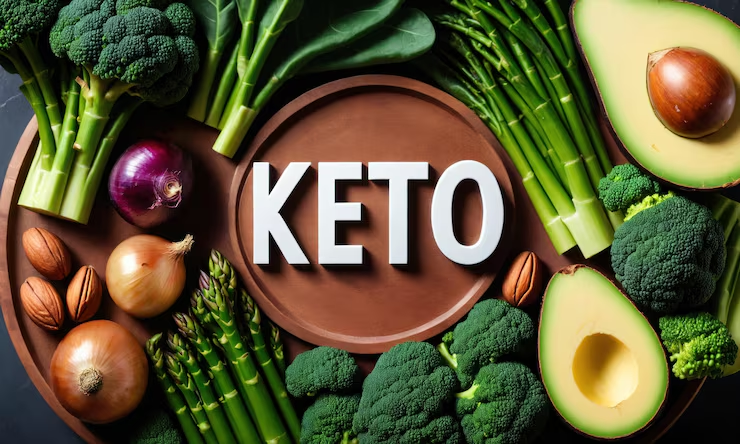
The foundation of the keto weight loss diet plan lies in the strategic selection of healthy fats. Since fat becomes the primary energy source when carbohydrates are drastically reduced, the quality of these fats determines both metabolic efficiency and long-term health outcomes. Not all fats are created equal; the plan emphasizes unsaturated and medium-chain triglyceride (MCT) fats that enhance energy levels, brain performance, and heart health. Incorporating foods such as avocados, olive oil, chia seeds, almonds, and fatty fish ensures that the body receives optimal nutrients while avoiding trans fats and processed oils, which may increase inflammation. The success of the keto weight loss diet plan relies heavily on consistent consumption of nutrient-dense fats that provide steady energy without raising blood sugar levels.
How to Make It:
To successfully apply this component, focus on integrating natural fat sources into every meal. Cook with extra virgin olive oil, add avocado slices to salads, or include coconut oil in smoothies. Avoid processed vegetable oils like soybean or canola oil. Butter or ghee can be used moderately for flavor and richness. The keto weight loss diet plan allows versatility in meal creation, so rotating between different fat sources prevents monotony and ensures diverse micronutrient intake.
Nutritional Benefits:
Healthy fats serve as powerful fuel for both the brain and body. They support hormonal regulation, improve cholesterol balance by increasing HDL levels, and reduce inflammation. Within the keto weight loss diet plan, fats also promote satiety, making it easier to manage appetite and reduce calorie intake without deprivation. Moreover, they facilitate the absorption of fat-soluble vitamins A, D, E, and K, ensuring that the body remains nourished and energetic.
Managing Protein Intake
Protein plays a vital role in the keto weight loss diet plan, yet it must be consumed in controlled amounts. Unlike traditional diets that emphasize high-protein meals, keto requires a moderate intake to maintain ketosis. Overeating protein can lead to gluconeogenesis, a metabolic process where excess protein is converted into glucose, potentially disrupting ketosis. Therefore, individuals must strike a delicate balance—enough protein to preserve lean muscle mass, but not so much that it prevents the production of ketones. High-quality protein sources such as eggs, poultry, fish, tofu, and tempeh are preferred due to their superior amino acid profiles.
How to Make It:
To implement this correctly, calculate daily protein needs based on activity level and body composition—generally 0.8 to 1 gram of protein per pound of lean body mass. Include protein sources evenly across meals. For example, breakfast could feature scrambled eggs, lunch may include grilled salmon, and dinner could consist of tofu stir-fry. In the keto weight loss diet plan, the goal is consistency rather than excess, so portion control remains essential. Avoid protein shakes or processed meats with hidden sugars.
Nutritional Benefits:
Protein is essential for tissue repair, hormone synthesis, and enzyme production. It also prevents muscle catabolism during calorie restriction. Within the keto weight loss diet plan, adequate protein intake maintains metabolic rate, supports muscle tone, and enhances recovery after exercise. Balanced protein consumption also contributes to feelings of fullness, reducing the likelihood of overeating and ensuring stable progress toward fat loss goals.
Limiting Carbohydrates Wisely

Carbohydrate limitation is the core mechanism of the keto weight loss diet plan, as it triggers the body to enter ketosis. By reducing carbohydrate intake to approximately 20–50 grams per day, glycogen stores deplete, forcing the body to utilize fat as its primary fuel source. However, it’s not merely about cutting carbs; it’s about selecting the right kinds of carbohydrates. High-fiber, low-glycemic vegetables such as spinach, kale, zucchini, and cauliflower provide essential vitamins and minerals while keeping net carb intake minimal.
How to Make It:
Implementing this requires a clear understanding of “net carbs,” calculated as total carbohydrates minus fiber. Stick to non-starchy vegetables, avoid grains, and eliminate refined sugars. Planning meals around leafy greens, cruciferous vegetables, and low-carb substitutes like almond flour ensures compliance. The keto weight loss diet plan thrives on precision—reading food labels and meal prepping can prevent accidental carb overconsumption.
Nutritional Benefits:
Limiting carbohydrates stabilizes insulin levels and curbs sugar cravings, leading to improved metabolic flexibility. Within the keto weight loss diet plan, reduced carbs enhance fat oxidation, leading to steady energy levels and decreased hunger. Moreover, controlled carbohydrate intake has been shown to improve cardiovascular markers, reduce inflammation, and increase overall metabolic efficiency.
Staying Hydrated 💧
Hydration is a frequently overlooked yet crucial component of the keto weight loss diet plan. During ketosis, the body excretes more water and electrolytes due to reduced insulin levels, making dehydration a potential risk. Water plays an essential role in metabolic function, nutrient transport, and detoxification. Therefore, adequate fluid intake ensures proper digestion, temperature regulation, and cognitive clarity throughout the keto journey.
How to Make It:
Aim to consume at least 2.5 to 3 liters of water daily. Include electrolyte-rich beverages or supplements to replenish sodium, potassium, and magnesium. Homemade bone broth or mineral water can also be beneficial. Avoid sugary drinks and artificially sweetened sodas, as they can disrupt ketosis. In the keto weight loss diet plan, hydration supports every biochemical process that facilitates fat metabolism and energy production.
Nutritional Benefits:
Proper hydration prevents “keto flu” symptoms such as fatigue, headaches, and dizziness. It aids digestion and nutrient absorption while improving kidney function. Within the keto weight loss diet plan, maintaining electrolyte balance ensures endurance and stamina, particularly during physical activity. Hydration also enhances skin elasticity and cellular regeneration, promoting overall wellness alongside weight loss.
Planning Keto-Friendly Meals

Meal planning is essential to maintaining consistency within the keto weight loss diet plan. Without structured preparation, it’s easy to revert to carb-heavy convenience foods. Effective keto meal planning involves balancing macronutrients, controlling portions, and including a variety of nutrient-rich ingredients. When meals are thoughtfully prepared, it becomes easier to remain in ketosis, achieve satiety, and meet nutritional needs without monotony.
How to Make It:
Start by designing a weekly menu with breakfast, lunch, and dinner options that align with keto macronutrients. Incorporate recipes such as zucchini noodles with creamy sauce, egg-based casseroles, and grilled fish with olive oil dressing. Batch cooking and portioning meals in advance can save time and prevent dietary lapses. The keto weight loss diet plan thrives on structure; consistent preparation ensures success.
Nutritional Benefits:
Meal planning supports calorie control, prevents nutrient deficiencies, and maintains ketosis. Within the keto weight loss diet plan, it minimizes impulsive eating and ensures a steady intake of essential vitamins and minerals. Planning also encourages dietary diversity, ensuring that individuals consume a broad spectrum of nutrients necessary for long-term health and metabolic stability.
Including Micronutrient-Dense Foods
While macronutrients are the foundation, micronutrients determine the sustainability of the keto weight loss diet plan. Low-carb diets can sometimes reduce vitamin and mineral intake, especially from fruits and grains. To counter this, individuals should emphasize leafy greens, seeds, nuts, and avocados. These provide potassium, magnesium, and essential antioxidants that promote metabolic health and immune defense.
How to Make It:
Incorporate spinach, kale, almonds, and pumpkin seeds into daily meals. Consider supplementation if deficiencies occur, particularly magnesium and vitamin D. Rotate vegetables and use herbs and spices for flavor enhancement. The keto weight loss diet plan benefits from diversity, and micro-nutrient inclusion helps sustain energy and overall wellness.
Nutritional Benefits:
Micronutrients support enzymatic activity, bone health, nerve function, and hormone production. They also counter oxidative stress and inflammation. Within the keto weight loss diet plan, ensuring micronutrient sufficiency enhances endurance, mental focus, and long-term metabolic performance.
Tracking Ketosis and Progress
Tracking progress is essential for optimizing results on the keto weight loss diet plan. Ketosis levels can fluctuate based on diet, exercise, and hydration, so consistent monitoring ensures alignment with goals. Measuring ketones via blood, urine, or breath provides feedback about the body’s metabolic state. Regular progress tracking also boosts motivation and accountability.
How to Make It:
Use ketone test strips or blood meters for accuracy. Maintain a food diary or app to record macronutrients and caloric intake. Reassess every two weeks to adjust food portions or meal timing. In the keto weight loss diet plan, data-driven tracking helps fine-tune results and prevent plateaus.
Nutritional Benefits:
Tracking ensures continued fat adaptation and sustained energy. It allows timely corrections to prevent nutrient deficiencies. Within the keto weight loss diet plan, progress monitoring promotes consistency, motivation, and measurable success.
Combining Keto with Exercise 🏋️
Physical activity enhances the outcomes of the keto weight loss diet plan by improving fat utilization and muscle retention. Exercise boosts metabolism, increases insulin sensitivity, and supports cardiovascular health. A blend of resistance training, cardio, and flexibility exercises complements the fat-burning effects of ketosis, leading to improved body composition and endurance.
How to Make It:
Start with moderate activities such as walking, yoga, or cycling. Gradually introduce resistance training once the body adapts to ketosis. Focus on recovery and hydration to prevent fatigue. The keto weight loss diet plan works synergistically with consistent movement, amplifying energy output and fat oxidation.
Nutritional Benefits:
Exercise within keto enhances mitochondrial function and metabolic flexibility. It accelerates fat burning, improves muscle tone, and stabilizes mood through endorphin release. Combined with the keto weight loss diet plan, physical activity maximizes results, supports long-term weight maintenance, and promotes holistic well-being.
Conclusion

In summary, the keto weight loss diet plan represents a scientifically validated approach to efficient fat loss, energy enhancement, and metabolic optimization. By prioritizing healthy fats, moderate protein, and minimal carbohydrates, this strategy reprograms the body’s energy systems to utilize fat as the primary fuel source. Individuals adhering to keto often report improved mental clarity, better appetite control, and consistent weight management results.
Beyond its fat-loss capabilities, the keto weight loss diet plan fosters a holistic sense of well-being. It positively influences hormonal balance, cardiovascular health, and glucose regulation. Its adaptability makes it suitable for diverse lifestyles and preferences, ensuring that long-term adherence remains feasible and enjoyable. Furthermore, its proven benefits extend to medical conditions such as obesity and insulin resistance, providing a comprehensive foundation for metabolic restoration.
Ultimately, the keto weight loss diet plan is more than a short-term dietary trend — it is a structured lifestyle change grounded in nutritional science. When implemented with discipline, balance, and awareness, it empowers individuals to achieve their body transformation goals sustainably. Through mindful eating, regular exercise, and nutrient awareness, keto becomes a pathway not just to a slimmer figure but to lasting health and vitality. 🌿
FAQs
Q1. How long does it take to see results on a keto weight loss diet plan?
Typically, visible weight loss begins within 2–4 weeks of consistent adherence. However, this varies by metabolism, activity level, and body composition. Staying in ketosis and maintaining proper hydration accelerates results while preserving muscle mass.
Q2. Can the keto weight loss diet plan help with diabetes management?
Yes. The keto diet improves insulin sensitivity and stabilizes blood glucose levels. Many individuals with type 2 diabetes experience reduced dependency on medication. However, medical supervision is essential before making dietary changes.
Q3. Are there any side effects of starting a keto weight loss diet plan?
During the initial phase, some may experience “keto flu,” characterized by fatigue, headaches, and nausea. These symptoms subside within days when hydration and electrolytes are maintained. Gradual carb reduction eases the transition.
Q4. What foods should be avoided on the keto weight loss diet plan?
Avoid sugary foods, processed grains, starchy vegetables, and high-carb fruits like bananas or apples. These can disrupt ketosis and slow fat metabolism. Stick to whole, unprocessed, and low-carb alternatives.
Q5. Is the keto weight loss diet plan sustainable long-term?
Yes, with proper planning. The keto diet can be maintained for extended periods by cycling in small amounts of healthy carbs occasionally. Continuous monitoring ensures nutrient balance and metabolic health.