

In today’s fast-paced world, digestive health is more important than ever. Many of us overlook the significance of maintaining a healthy digestive system, but a well-functioning gut is vital for overall health and well-being. One of the most effective ways to improve digestion is through the consumption of high fiber foods. These foods play a critical role in keeping the digestive system running smoothly. This article will explore high fiber foods for digestion, their benefits, and how you can incorporate them into your diet for improved gut health.
Eating the right kind of foods can significantly affect how your digestive system functions. Fiber, particularly soluble and insoluble fiber, acts as a regulator for the digestive system. Soluble fiber helps to absorb water and forms a gel-like substance in the stomach, aiding in smooth digestion. Insoluble fiber, on the other hand, adds bulk to stools and helps them pass through the digestive tract more efficiently. Including more fiber-rich foods in your daily diet can lead to better digestion, fewer gastrointestinal issues, and overall better health.
In this article, we will discuss the top high fiber foods for digestion, their nutritional benefits, and practical tips on how to make them a part of your daily meals. By the end, you’ll understand why fiber is essential for digestive health and how to use it to your advantage.

What Are High Fiber Foods for Digestion?
High fiber foods are foods that are rich in fiber, which is an essential nutrient that helps regulate the digestive system. Fiber is found primarily in plant-based foods such as fruits, vegetables, legumes, whole grains, and nuts. There are two main types of fiber: soluble and insoluble. Soluble fiber dissolves in water and forms a gel-like substance, whereas insoluble fiber does not dissolve in water and helps add bulk to stools, preventing constipation.
High fiber foods for digestion include a variety of fruits, vegetables, grains, and legumes. Some examples of these foods are apples, berries, spinach, beans, lentils, oats, and whole wheat. Each of these foods contains a different amount of fiber, with some providing both soluble and insoluble types. Incorporating these high fiber foods into your daily meals can help keep your digestive system functioning properly, prevent constipation, and reduce the risk of gastrointestinal diseases.
By choosing high fiber foods, you can increase the fiber intake your body needs for optimal digestion. Fiber also helps maintain a healthy weight by keeping you feeling full for longer periods of time, thus preventing overeating. Whether you are looking to improve digestion, support healthy weight management, or prevent digestive disorders, consuming high fiber foods should be a key part of your daily diet.
Why Are High Fiber Foods Important for Digestion?
Fiber plays a crucial role in digestion, and consuming enough fiber is essential for maintaining digestive health. The most important function of fiber is its ability to regulate bowel movements. Insoluble fiber adds bulk to stools, making them easier to pass through the intestines. This prevents constipation and promotes regular bowel movements. Soluble fiber, on the other hand, absorbs water and forms a gel-like substance that helps slow down digestion, which is especially useful for individuals who suffer from diarrhea or irritable bowel syndrome (IBS).
High fiber foods for digestion are also beneficial in preventing certain digestive disorders. Research has shown that fiber can lower the risk of developing conditions such as diverticulitis, colorectal cancer, and hemorrhoids. A high-fiber diet has also been linked to a lower risk of gastrointestinal reflux disease (GERD), as it helps absorb excess stomach acid and keeps the digestive system functioning smoothly.
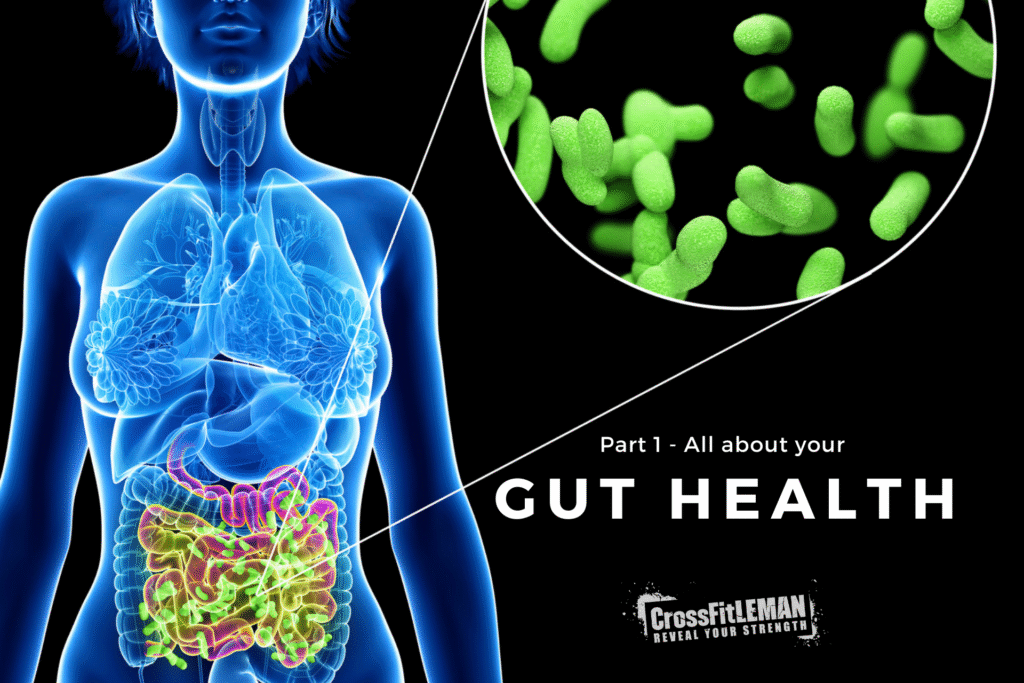
Additionally, fiber helps maintain a healthy gut microbiome. The bacteria in our gut feed on fiber, and this process produces short-chain fatty acids that nourish the cells of the colon. A healthy gut microbiome is crucial for digestion, immune function, and overall health. By consuming high fiber foods, you are supporting the growth of beneficial bacteria in your gut, which improves digestion and boosts immune health.
Best Foods You Must Try for Better Gut Health
High Fiber Foods for Digestion: Fruits (Apples, Berries, and Pears)

Nutritional Benefits:
Fruits like apples, berries, and pears are rich in both soluble and insoluble fiber, making them ideal high fiber foods for digestion. Apples, for example, contain pectin, a form of soluble fiber, which helps to absorb water and form a gel-like substance in the stomach. This gel-like substance aids in slowing digestion, making you feel full longer and improving overall gut health. Pears, similarly, contain high amounts of fiber that support digestion by preventing constipation. Berries, including raspberries, blackberries, and strawberries, are packed with both fiber types, supporting healthy digestion and bowel movement regulation. These high fiber foods for digestion help to keep your digestive system functioning properly.
These high fiber foods for digestion are not just rich in fiber; they are also low in calories and high in antioxidants, which can help reduce inflammation in the digestive tract. The high fiber foods for digestion promote the growth of beneficial gut bacteria, leading to improved gut microbiome health and overall digestion. Additionally, the fiber in these fruits helps regulate blood sugar levels, preventing spikes and crashes that could affect digestive health. By adding fruits like apples, pears, and berries to your diet, you can ensure that your digestive system operates efficiently with the support of high fiber foods for digestion.
How to Make It:
To incorporate these high fiber foods for digestion into your diet, you can enjoy them as a quick snack or use them in smoothies. A simple breakfast smoothie with berries, apples, or pears, blended with spinach or yogurt, can help you start your day with a fiber boost. You can also add sliced apples and pears to your salads for a refreshing crunch. For a filling snack, pair your berries with a handful of nuts or use them as toppings for oatmeal. The key is to make these high fiber foods for digestion a regular part of your meals to enhance digestive health.
High Fiber Foods for Digestion: Vegetables (Spinach, Broccoli, and Carrots)
Nutritional Benefits:
Vegetables such as spinach, broccoli, and carrots are rich in dietary fiber, which plays an important role in digestive health. Spinach, in particular, is an excellent source of fiber and also contains essential vitamins and minerals such as vitamin A, C, and K. The high fiber content in spinach promotes regular bowel movements and prevents constipation. Broccoli is another vegetable loaded with fiber, and it also contains sulforaphane, a compound known for its anti-inflammatory properties. Broccoli can help reduce gut inflammation and improve digestive function by regulating the digestive process. These high fiber foods for digestion are key for supporting a healthy gut.
Carrots are another excellent high fiber food for digestion. They contain both soluble and insoluble fiber, which supports healthy bowel movement and digestive function. The soluble fiber in carrots also helps to lower cholesterol levels and regulate blood sugar. These vegetables are not only essential for digestion but also contribute to overall health, as they are rich in antioxidants that protect the digestive system from oxidative damage. Adding these high fiber foods for digestion to your diet can significantly improve the functioning of your digestive tract.
How to Make It:
You can add spinach to your meals by using it as a base for salads or mixing it into soups and stews. Try blending spinach into a smoothie or using it as a filling for wraps. Broccoli can be steamed, roasted, or added to stir-fries for a healthy addition to any meal. For carrots, you can enjoy them raw as a snack, add them to soups, or make carrot sticks to dip in hummus. A vegetable stir-fry with these high fiber foods for digestion makes for a delicious and nutritious meal that supports digestive health.
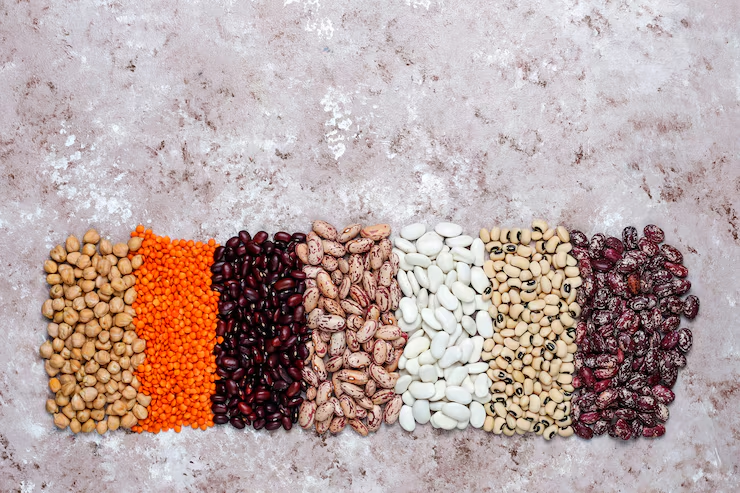
High Fiber Foods for Digestion: Legumes (Beans, Lentils, Chickpeas)
Nutritional Benefits:
Legumes like beans, lentils, and chickpeas are packed with fiber and are among the best high fiber foods for digestion. These foods contain both soluble and insoluble fiber, helping to regulate bowel movements and improve overall digestive health. Beans, such as black beans and kidney beans, are rich in fiber and help to add bulk to stools, preventing constipation. Lentils, on the other hand, are not only high in fiber but also an excellent source of protein and essential minerals. Lentils aid digestion by promoting the movement of food through the intestines, helping to prevent digestive discomfort. These are all excellent high fiber foods for digestion.
Chickpeas are another great addition to your diet for digestion. They are rich in fiber and can help improve digestion by supporting the health of the gut microbiome. The fiber in chickpeas works to slow down digestion, which is beneficial for individuals with conditions like IBS. These high fiber foods for digestion also have prebiotic properties, which help to nourish beneficial gut bacteria and improve gut health. Including a variety of legumes in your diet can have a profound impact on digestive function and overall wellness.
How to Make It:
Legumes can be added to your diet in a variety of ways. You can make bean salads, add them to soups and stews, or blend them into dips like hummus. Try adding lentils to curries, casseroles, or stir-fries for a filling and fiber-packed meal. Chickpeas can be roasted for a crunchy snack, tossed in salads, or blended into a creamy hummus dip. You can also experiment with bean-based pasta or incorporate beans into chili recipes to increase your fiber intake and improve digestion with these high fiber foods for digestion.
High Fiber Foods for Digestion: Whole Grains (Oats, Quinoa, Brown Rice)
Nutritional Benefits:
Whole grains like oats, quinoa, and brown rice are rich in fiber and have been shown to support digestive health. Oats are an excellent source of soluble fiber, which helps to slow digestion and keep you feeling full longer. The soluble fiber in oats, known as beta-glucan, has been shown to help regulate cholesterol levels and promote heart health. Quinoa, another high fiber food for digestion, contains both soluble and insoluble fiber, making it a great addition to your diet for digestive health. It also provides a complete source of protein and is high in essential vitamins and minerals.
Brown rice is a great whole grain option that is packed with fiber. Unlike white rice, which has been stripped of its fiber content, brown rice retains its outer bran layer, which is rich in fiber. Brown rice helps to add bulk to stools, promoting regular bowel movements and preventing constipation. Whole grains also provide essential nutrients like iron, magnesium, and B vitamins, which support overall health. By incorporating these high fiber foods for digestion into your meals, you can support your digestive system and enhance overall health.
How to Make It:
Whole grains can be easily incorporated into your diet. Start your day with a bowl of oatmeal, topped with fruits and nuts for added fiber. Quinoa can be used as a base for salads, stir-fries, or as a side dish to replace rice. Brown rice can be served with vegetables or used in grain bowls with beans, vegetables, and a protein source. Swap refined grains like white rice or pasta with these high fiber foods for digestion for a more nutrient-dense, digestion-friendly option.
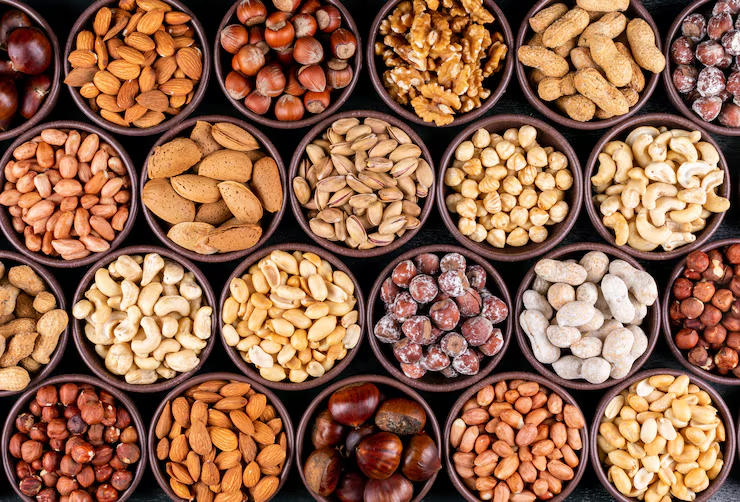
High Fiber Foods for Digestion: Nuts and Seeds (Almonds, Chia Seeds, Flaxseeds)
Nutritional Benefits:
Nuts and seeds, such as almonds, chia seeds, and flaxseeds, are excellent sources of fiber and provide several digestive health benefits. Almonds are rich in fiber, healthy fats, and vitamin E, which helps to reduce inflammation in the digestive tract. The fiber in almonds supports healthy bowel movements by adding bulk to stools and promoting regularity. Chia seeds are packed with soluble fiber, which helps to slow digestion and improve nutrient absorption. Flaxseeds are another great source of fiber and contain lignans, which have antioxidant properties that protect the digestive system.
In addition to their fiber content, these high fiber foods for digestion are high in omega-3 fatty acids, which have anti-inflammatory properties. They also promote the growth of beneficial bacteria in the gut, which is essential for overall digestive health. Consuming nuts and seeds regularly can help improve gut microbiome health, reduce bloating, and promote optimal digestion.
How to Make It:
Nuts and seeds can be easily added to your diet by sprinkling them on top of salads, oatmeal, or yogurt. Chia seeds can be added to smoothies or soaked overnight to create a chia pudding. Flaxseeds can be ground and added to baked goods, smoothies, or sprinkled on salads. Almonds can be enjoyed as a snack or incorporated into energy bars or trail mixes. The key is to incorporate these high fiber foods for digestion into your daily meals for improved digestion.
High Fiber Foods for Digestion: Avocados
Nutritional Benefits:
Avocados are an excellent source of fiber, particularly soluble fiber, which helps slow down digestion and promotes a feeling of fullness. Avocados also contain a good amount of monounsaturated fats, which support overall heart health. The fiber in avocados works to regulate bowel movements, reduce constipation, and prevent digestive discomfort. Additionally, avocados are rich in potassium, which helps balance electrolytes in the digestive system and supports proper muscle function, including the muscles of the digestive tract.
Avocados also contain a variety of vitamins, including vitamin C, vitamin E, and B vitamins, which contribute to overall health. These vitamins support the immune system, reduce inflammation, and enhance digestive function. Including avocados in your diet can help improve digestion by providing essential nutrients and supporting the healthy function of the digestive system.
How to Make It:
Avocados can be added to salads, mashed on toast, or blended into smoothies for a creamy texture. You can also use avocados in place of butter or mayonnaise in recipes for a healthier alternative. Try making guacamole or simply enjoy avocado slices with a sprinkle of salt and pepper as a nutritious snack. Adding high fiber foods for digestion like avocado to your meals is an easy and delicious way to boost fiber intake and support digestive health.
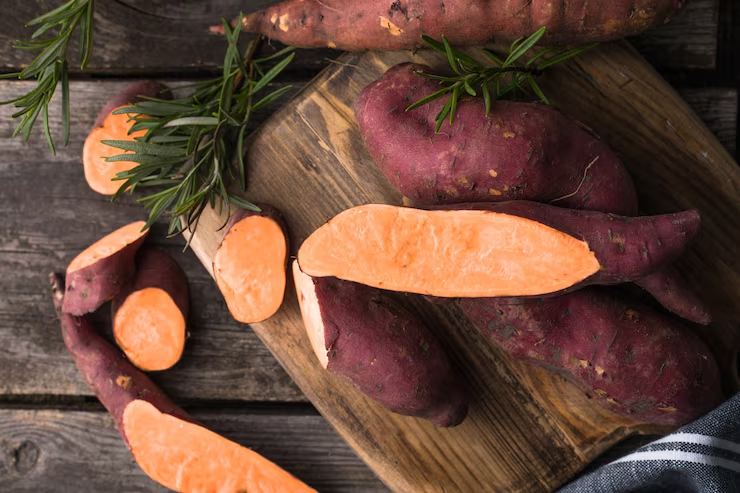
High Fiber Foods for Digestion: Sweet Potatoes
Nutritional Benefits:
Sweet potatoes are rich in both soluble and insoluble fiber, making them a great food for digestion. The soluble fiber in sweet potatoes helps to absorb water in the digestive tract, slowing down digestion and improving nutrient absorption. The insoluble fiber in sweet potatoes adds bulk to stools, which helps prevent constipation and supports healthy bowel movements. Sweet potatoes are also a good source of vitamins A and C, both of which play important roles in supporting immune health and reducing inflammation in the digestive system.
In addition to fiber, sweet potatoes are rich in antioxidants, including beta-carotene, which helps to protect the digestive system from oxidative damage. The anti-inflammatory properties of sweet potatoes can also help reduce symptoms of digestive disorders such as IBS and bloating. Including high fiber foods for digestion like sweet potatoes in your diet can support your digestive health by promoting regularity and reducing digestive discomfort.
How to Make It:
Sweet potatoes can be roasted, mashed, or added to soups and stews for a nutritious and fiber-rich meal. You can also make sweet potato fries or incorporate them into salads for added texture and flavor. For a simple and healthy option, roast sweet potato cubes with olive oil, salt, and your favorite herbs for a delicious side dish. The inclusion of high fiber foods for digestion like sweet potatoes in your meals will provide a great way to improve digestion.
High Fiber Foods for Digestion: Cruciferous Vegetables (Cauliflower, Kale, Brussels Sprouts)
Nutritional Benefits:
Cruciferous vegetables like cauliflower, kale, and Brussels sprouts are excellent sources of fiber and contain compounds that support digestion. Cauliflower is rich in fiber and antioxidants that help reduce inflammation in the digestive tract and support the growth of healthy gut bacteria. Kale is packed with fiber, vitamins A, C, and K, and minerals like calcium, which help promote healthy digestion and reduce bloating. Brussels sprouts are another high fiber food for digestion that helps improve digestion by supporting the movement of food through the intestines and preventing constipation.
These vegetables are also rich in phytochemicals that support detoxification and improve gut health. They have been shown to lower the risk of gastrointestinal disorders such as colorectal cancer and reduce inflammation in the digestive system. Incorporating more high fiber foods for digestion like cruciferous vegetables into your diet can help support overall digestive health.
How to Make It:
Cruciferous vegetables can be steamed, roasted, or sautéed for a delicious and nutritious side dish. Add kale to salads or blend it into smoothies. Brussels sprouts can be roasted or sautéed with olive oil and garlic for a flavorful addition to your meals. Cauliflower can be mashed, roasted, or used as a substitute for rice or pizza crust for a lower-carb option. Adding these high fiber foods for digestion to your diet will provide your digestive system with the nutrients it needs to function optimally.
Conclusion
Incorporating high fiber foods for digestion into your diet is a simple yet effective way to maintain digestive health. By consuming a variety of fiber-rich foods like fruits, vegetables, whole grains, and legumes, you can support regular bowel movements, reduce the risk of digestive disorders, and improve overall health. Fiber plays a crucial role in regulating the digestive system and supporting a healthy gut microbiome, making it an essential part of a balanced diet.
Remember that a gradual increase in fiber intake, along with proper hydration, is key to reaping the digestive benefits of fiber without experiencing discomfort. By making small changes to your diet, such as choosing whole grains, adding more fruits and vegetables, and incorporating legumes, you can significantly improve your digestive health.
In conclusion, high fiber foods for digestion are not only essential for gut health but also offer a wide range of other benefits, including weight management, improved skin health, and better cardiovascular function. Start incorporating these foods into your diet today for better digestion and overall wellness.
FAQ’s
Q1. What are high fiber foods for digestion?
High fiber foods for digestion include fruits, vegetables, whole grains, legumes, and nuts. These foods are rich in both soluble and insoluble fiber, which help improve bowel movements, regulate digestion, and prevent constipation.
Q2. How much fiber should I consume daily for optimal digestion?
The recommended daily intake of fiber varies depending on age and gender. However, it’s generally recommended that adults consume at least 25-30 grams of fiber per day to support digestive health.
Q3. Can high fiber foods help with constipation?
Yes, high fiber foods are essential in relieving constipation. Insoluble fiber adds bulk to stool, making it easier to pass through the digestive system, while soluble fiber helps regulate digestion.
Q4. Are there any side effects of consuming too much fiber?
Consuming too much fiber too quickly can lead to bloating, gas, and digestive discomfort. It’s important to gradually increase fiber intake and drink plenty of water to help the fiber move through your system.
Q5. What are the best sources of soluble fiber for digestion?
Some of the best sources of soluble fiber include oats, beans, lentils, apples, citrus fruits, and chia seeds. These foods help regulate digestion and lower cholesterol levels.