

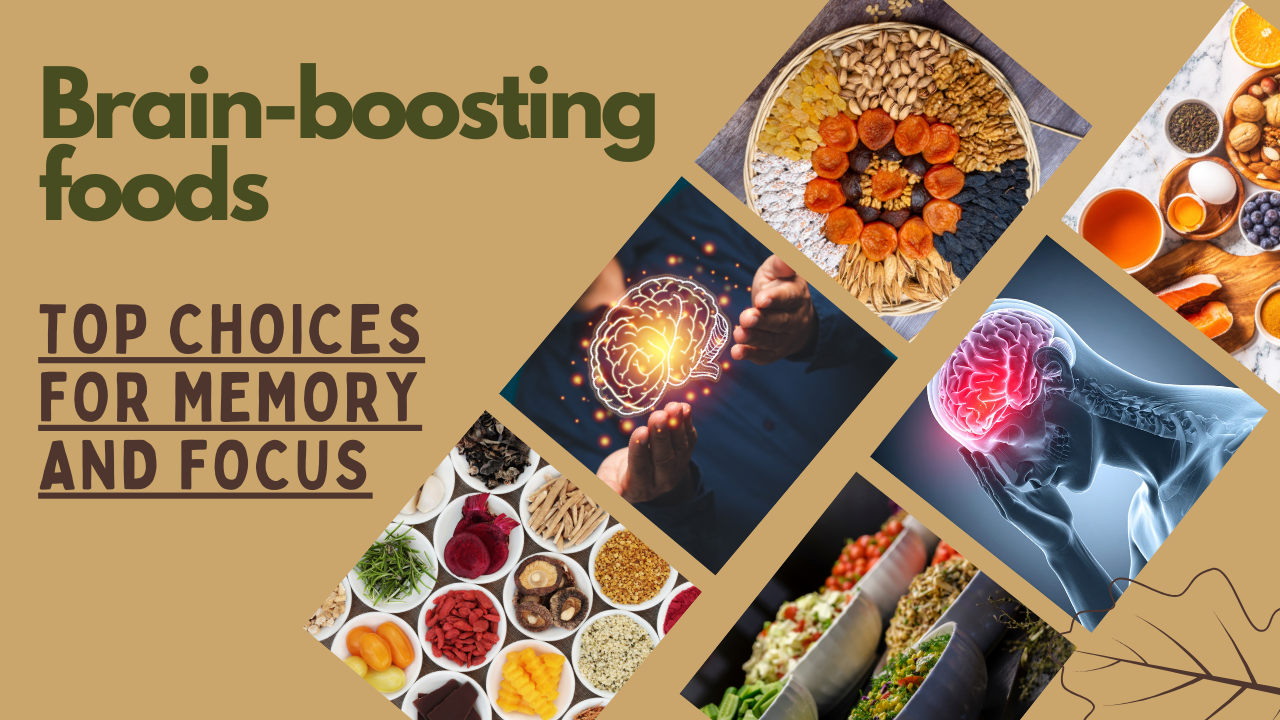
Maintaining optimal brain health is crucial for leading a productive and fulfilling life. The brain, being the control center of the body, requires consistent nourishment to perform at its best. Among various strategies to enhance cognitive function, including memory, focus, and mental clarity, diet plays a pivotal role. Brain-boosting foods are natural allies that provide essential nutrients, antioxidants, and compounds that protect brain cells, enhance communication between neurons, and stimulate mental sharpness. These foods not only support cognitive function but also help reduce the risk of neurological disorders. Understanding which foods positively influence brain health can empower individuals to make conscious dietary choices for long-term mental well-being.
Incorporating brain-boosting foods into daily meals offers more than just short-term benefits. Nutrients such as omega-3 fatty acids, antioxidants, vitamins, and minerals found in these foods contribute to improved memory retention, faster learning, and heightened focus. Regular consumption of such foods strengthens the brain’s resilience against age-related decline and mental fatigue. By making informed food choices, individuals can experience a noticeable improvement in their mental performance, mood stability, and overall cognitive capacity. This proactive approach to brain health creates a foundation for lifelong mental wellness.
The concept of brain-boosting foods extends beyond individual benefits; it encompasses holistic brain care. By integrating a variety of nutrient-dense foods into the diet, one can support the brain’s structural and functional integrity. From leafy greens rich in antioxidants to fatty fish abundant in omega-3s, these foods are scientifically recognized for their cognitive-enhancing properties. Understanding the mechanisms through which brain-boosting foods operate, including neuroprotection, enhanced synaptic function, and inflammation reduction, allows individuals to optimize their mental abilities. This article explores ten powerful brain-boosting foods, their nutritional benefits, preparation methods, and practical ways to incorporate them into daily life.
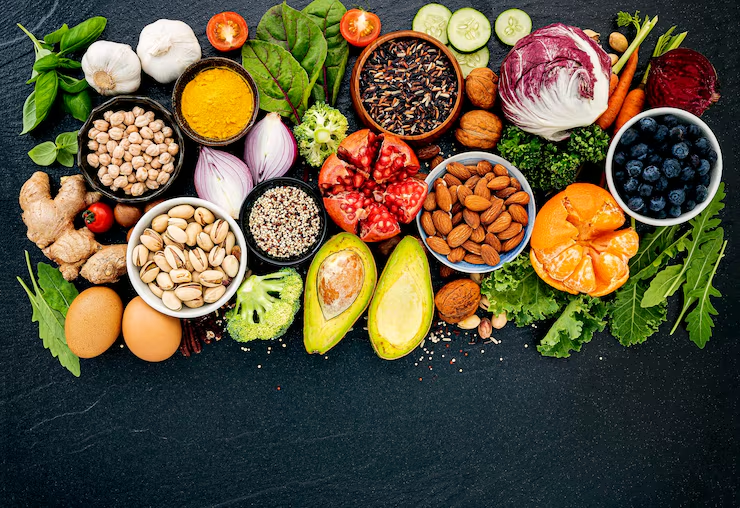
What are Brain-boosting foods?
Brain-boosting foods are nutrient-rich foods that enhance cognitive performance, improve memory, and protect the brain from oxidative stress and age-related decline. These foods contain essential nutrients like omega-3 fatty acids, antioxidants, flavonoids, vitamins, and minerals that support neuroplasticity and neuronal communication. By incorporating brain-boosting foods into daily nutrition, individuals can experience improved concentration, better memory retention, and a lower risk of neurodegenerative diseases. Brain-boosting foods act as natural supplements for mental sharpness, energy, and focus, making them indispensable for overall brain health.
The importance of brain-boosting foods is increasingly recognized in both scientific research and nutritional guidelines. These foods not only contribute to cognitive improvement but also play a protective role against neurological damage caused by free radicals and inflammation. Neuroprotective compounds present in brain-boosting foods reduce oxidative stress, support blood flow to the brain, and enhance the production of neurotransmitters necessary for learning and memory. By regularly consuming these foods, individuals can experience sustained mental clarity, heightened attention span, and enhanced problem-solving skills.
In addition to their cognitive benefits, brain-boosting foods promote overall physical well-being. Many of these foods, including fruits, vegetables, nuts, and fish, are also rich in compounds that support heart health, reduce inflammation, and improve metabolic function. The interconnection between cardiovascular health and brain function emphasizes the importance of incorporating brain-boosting foods into a balanced diet. When the heart and blood vessels are functioning optimally, the brain receives adequate oxygen and nutrients, further enhancing cognitive abilities.
Why are Brain-boosting foods important?
Brain-boosting foods are essential for maintaining optimal cognitive performance throughout life. The brain requires a constant supply of nutrients to support energy production, neurotransmitter synthesis, and synaptic communication. Nutrients such as omega-3 fatty acids, antioxidants, vitamins, and minerals found in brain-boosting foods nourish neurons, protect against oxidative stress, and reduce inflammation. Regular intake of these foods enhances memory, attention, and learning abilities, contributing to improved mental performance in daily activities.
The significance of brain-boosting foods extends to mental resilience and long-term neurological health. Consuming nutrient-rich foods can prevent or delay cognitive decline, reduce the risk of neurodegenerative diseases such as Alzheimer’s, and improve mental clarity. Brain-boosting foods also influence mood regulation by supporting neurotransmitter production, which can alleviate symptoms of anxiety and depression. A diet rich in these foods empowers individuals to maintain emotional balance while improving mental focus and cognitive function.
Furthermore, brain-boosting foods play a crucial role in neuroplasticity, the brain’s ability to adapt, learn, and form new neural connections. By providing essential nutrients that stimulate synaptic growth and neuronal communication, these foods enhance problem-solving skills, creativity, and memory retention. Incorporating a variety of brain-boosting foods into daily meals ensures comprehensive nutrient intake, maximizing cognitive potential. The cumulative effect of consistent consumption of brain-boosting foods translates into improved mental energy, sharper focus, and sustained intellectual performance.
Top Brain-boosting foods to enhance memory and focus
Fatty Fish

Fatty fish such as salmon, mackerel, and sardines are considered some of the most effective brain-boosting foods due to their high concentration of omega-3 fatty acids. Omega-3s are essential for maintaining the structural integrity of brain cells and facilitating effective communication between neurons. Regular consumption of fatty fish supports cognitive processes, enhances memory, and helps improve focus and mental clarity. These brain-boosting foods are particularly beneficial for adults seeking to prevent age-related cognitive decline or maintain optimal mental performance. Scientific research has shown that individuals who consume fatty fish regularly exhibit higher levels of brain-derived neurotrophic factor, which supports learning and memory.
In addition to cognitive benefits, fatty fish contributes to overall neurological protection. Omega-3 fatty acids reduce inflammation, which is a major contributor to neurodegenerative diseases. They also enhance blood flow to the brain, ensuring that oxygen and nutrients reach neurons efficiently. Consuming fatty fish as part of a balanced diet is therefore an effective way to support both short-term mental focus and long-term brain health. As one of the most potent brain-boosting foods, fatty fish combines neuroprotective benefits with heart-healthy advantages, making it an essential addition to any diet aimed at improving cognitive performance.
Nutritional Benefits: Fatty fish are rich in high-quality protein, essential omega-3 fatty acids (EPA and DHA), vitamin D, and B vitamins, all of which contribute to optimal brain function. Omega-3s enhance synaptic plasticity, while vitamin D regulates neurotransmitter function, improving memory retention and cognitive flexibility.
How to Make It: Fatty fish can be grilled, baked, or lightly pan-seared with herbs such as rosemary or dill. For an easy brain-boosting meal, pair it with steamed vegetables or whole grains. Consuming fatty fish two to three times per week provides a consistent source of brain-enhancing nutrients.
Blueberries
Blueberries are widely recognized as a top category of brain-boosting foods due to their high content of antioxidants, particularly flavonoids. Flavonoids reduce oxidative stress in the brain, protect neurons from damage, and enhance communication between brain cells. Consuming blueberries regularly has been linked to improved memory, learning ability, and cognitive flexibility. For individuals seeking to boost focus and mental performance naturally, blueberries are an excellent choice, as their compounds actively support neuronal signaling pathways critical for memory retention.
These small berries also promote long-term brain health. Studies suggest that the flavonoids in blueberries can slow cognitive aging and reduce the risk of neurodegenerative conditions such as Alzheimer’s disease. Blueberries also influence the brain’s plasticity, enabling neurons to adapt and form new connections, which is essential for learning and problem-solving. As a versatile food, blueberries can be easily incorporated into breakfast, snacks, or desserts, making them a practical and highly effective brain-boosting food.
Nutritional Benefits: Blueberries are rich in vitamins C and K, manganese, fiber, and potent antioxidants. These nutrients reduce inflammation, enhance neuronal signaling, and protect brain cells from oxidative stress, which supports overall cognitive function and memory enhancement.
How to Make It: Blueberries can be consumed fresh, added to smoothies, mixed into oatmeal, or sprinkled over yogurt. To maximize brain-boosting effects, consume a handful daily as part of a balanced diet, combining them with other nutrient-rich foods like nuts or seeds.
Turmeric

Turmeric is a golden spice that ranks highly among brain-boosting foods because of its active compound, curcumin. Curcumin crosses the blood-brain barrier and exerts potent anti-inflammatory and antioxidant effects. It enhances neurogenesis, which is the process of forming new neurons, and boosts memory and mood by promoting the production of serotonin and dopamine. Regular inclusion of turmeric in the diet helps improve cognitive function, mental clarity, and focus, making it a powerful natural tool for enhancing brain health.
In addition to cognitive benefits, turmeric supports overall brain protection by reducing oxidative damage to neurons. Chronic inflammation is a key contributor to neurodegenerative diseases, and curcumin in turmeric has been shown to counteract these effects. Research suggests that turmeric supplementation can enhance spatial memory and delay the progression of age-related cognitive decline. For individuals looking for natural brain-boosting foods, turmeric offers a combination of neuroprotective and anti-inflammatory properties that make it highly effective for improving mental performance.
Nutritional Benefits: Turmeric is rich in curcumin, which has potent antioxidant and anti-inflammatory properties. It enhances synaptic plasticity, protects neurons, and supports the production of neurotransmitters that regulate mood and cognitive function.
How to Make It: Turmeric can be added to curries, soups, teas, or smoothies. Pairing it with black pepper significantly improves curcumin absorption. Including turmeric daily in cooking or as a supplement provides consistent cognitive benefits.
Broccoli
Broccoli is one of the most nutrient-dense vegetables and a top contender among brain-boosting foods. It contains high levels of vitamin K and antioxidants, which are essential for cognitive function. Vitamin K supports the synthesis of sphingolipids, vital components of brain cell membranes, thereby enhancing memory and learning capacity. Regular consumption of broccoli helps improve focus, supports mental clarity, and provides long-term neuroprotective effects.
Beyond vitamins, broccoli is rich in compounds such as glucosinolates, which reduce oxidative stress and inflammation in the brain. These effects are critical for protecting neurons and maintaining optimal cognitive function. Including broccoli as part of a daily diet can improve attention span, memory retention, and overall mental performance, making it a valuable addition to any regimen aimed at enhancing brain health.
Nutritional Benefits: Broccoli provides vitamin K, vitamin C, fiber, and anti-inflammatory compounds. These nutrients strengthen neuronal structure, protect brain cells from oxidative damage, and support overall cognitive performance and focus.
How to Make It: Broccoli can be lightly steamed, roasted, or sautéed to retain nutrients. Add it to salads, stir-fries, or soups to create a nutrient-rich brain-boosting meal. Consuming broccoli several times a week ensures consistent intake of cognitive-enhancing nutrients.
Pumpkin Seeds
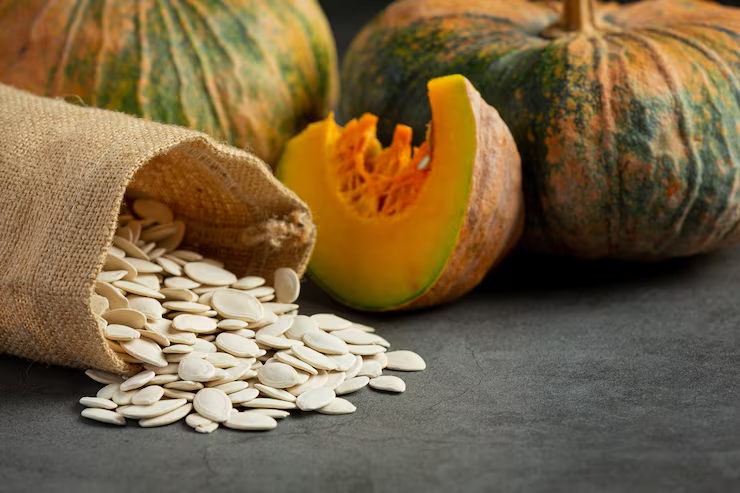
Pumpkin seeds are a compact source of nutrients that make them highly effective brain-boosting foods. They are rich in magnesium, zinc, iron, and antioxidants, all of which play a critical role in maintaining optimal brain function. Magnesium supports learning and memory, zinc enhances communication between neurons, and iron ensures adequate oxygen supply to the brain. These combined effects make pumpkin seeds an excellent food for improving focus, cognitive resilience, and overall mental performance.
In addition to their mineral content, pumpkin seeds contain antioxidants that protect neurons from oxidative stress and inflammation. This neuroprotective action reduces the risk of age-related cognitive decline and improves memory and attention span. Regular consumption of pumpkin seeds can therefore help maintain mental sharpness and support long-term brain health.
Nutritional Benefits: Pumpkin seeds provide magnesium, zinc, iron, protein, and antioxidants. These nutrients enhance synaptic function, support neurotransmitter production, and protect brain cells from oxidative damage, contributing to improved memory and focus.
How to Make It: Pumpkin seeds can be eaten raw, roasted, or added to salads, oatmeal, or trail mixes. Consuming a small handful daily ensures a consistent supply of brain-boosting nutrients.
Dark Chocolate
Dark chocolate is a unique brain-boosting food due to its combination of flavonoids, caffeine, and antioxidants. Flavonoids improve blood flow to the brain, enhancing neuronal function and boosting memory and focus. The mild caffeine content also provides increased alertness without the jitters associated with other caffeinated foods. Regular consumption of dark chocolate supports cognitive function and may help delay age-related decline.
Dark chocolate’s neuroprotective properties are significant. Its antioxidants reduce inflammation and oxidative stress, protecting neurons from damage. Additionally, flavonoids in dark chocolate promote neurogenesis, the formation of new neurons, which is critical for learning and memory. For those seeking brain-boosting foods that are also enjoyable, dark chocolate offers both cognitive benefits and a mood-enhancing effect.
Nutritional Benefits: Dark chocolate contains flavonoids, antioxidants, and small amounts of caffeine. These compounds improve cerebral blood flow, support synaptic plasticity, and enhance memory retention and focus.
How to Make It: Choose dark chocolate with at least seventy percent cocoa. Consume in moderation, alone or with nuts, berries, or yogurt, to create a brain-boosting treat.
Nuts
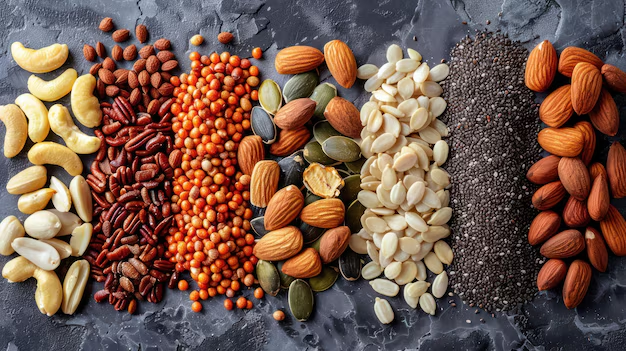
Nuts such as walnuts, almonds, and hazelnuts are essential brain-boosting foods due to their high content of healthy fats, antioxidants, and vitamin E. These nutrients help protect brain cells from oxidative damage, improve communication between neurons, and support overall cognitive function. Consuming nuts regularly enhances memory, focus, and mental clarity, making them a practical addition to any diet aimed at cognitive improvement.
Nuts also provide polyphenols and omega-3 fatty acids, which reduce inflammation and support synaptic plasticity. Studies have shown that regular nut consumption is linked to improved problem-solving abilities, attention, and learning capacity. Including a variety of nuts ensures a wide range of nutrients that benefit the brain and support long-term cognitive health.
Nutritional Benefits: Nuts contain healthy fats, vitamin E, omega-3 fatty acids, and antioxidants. These nutrients protect neurons, improve synaptic function, and support memory retention and focus.
How to Make It: Nuts can be eaten raw, roasted, or added to oatmeal, salads, or smoothies. Incorporating a small portion of nuts daily ensures a steady intake of brain-enhancing nutrients.
Eggs
Eggs are a powerhouse of nutrients that make them highly effective brain-boosting foods. They are rich in choline, which is essential for the production of acetylcholine, a neurotransmitter that supports memory and cognitive function. Regular consumption of eggs helps improve mental clarity, attention, and learning abilities, making them an ideal choice for brain health.
In addition to choline, eggs provide high-quality protein and B vitamins, which support neuronal function and energy metabolism in the brain. These nutrients help reduce fatigue, maintain focus, and enhance overall cognitive performance. Eggs are versatile and easy to include in daily meals, offering a practical solution for individuals seeking to incorporate brain-boosting foods consistently.
Nutritional Benefits: Eggs provide choline, high-quality protein, and B vitamins. Choline supports neurotransmitter production, while B vitamins and protein enhance cognitive performance and brain cell function.
How to Make It: Eggs can be boiled, scrambled, poached, or made into omelets with vegetables. Consuming eggs regularly ensures a consistent supply of brain-boosting nutrients essential for memory and focus.
Conclusion

Incorporating brain-boosting foods into daily nutrition is an effective strategy to enhance cognitive performance, improve memory, and protect the brain from age-related decline. Foods such as fatty fish, blueberries, nuts, and green tea provide essential nutrients, antioxidants, and compounds that stimulate neuroplasticity, improve neurotransmitter function, and reduce oxidative stress. A consistent intake of these foods supports overall mental clarity, focus, and long-term neurological health.
Beyond cognitive benefits, brain-boosting foods contribute to holistic well-being by reducing inflammation, supporting cardiovascular health, and promoting emotional balance. The synergistic effects of these nutrient-rich foods create an optimal environment for brain function, enabling individuals to perform daily tasks more efficiently and maintain mental agility. By making informed dietary choices, individuals can experience sustained mental energy, creativity, and improved problem-solving abilities.
Ultimately, brain-boosting foods are essential for lifelong mental wellness. Regular consumption empowers individuals to protect neurons, enhance learning capacity, and maintain emotional stability. Incorporating a variety of nutrient-dense foods into meals ensures comprehensive brain support, creating a foundation for optimal cognitive function, improved focus, and a healthier, more productive life.
FAQs
Q1. How do brain-boosting foods improve memory and focus naturally?
Brain-boosting foods provide essential nutrients such as omega-3 fatty acids, antioxidants, vitamins, and minerals that support neuronal communication and neuroplasticity. Regular consumption of these foods enhances neurotransmitter function, reduces oxidative stress, and improves blood flow to the brain, leading to better memory retention, mental clarity, and focus throughout the day.
Q2. Can brain-boosting foods prevent age-related cognitive decline?
Yes, brain-boosting foods are rich in compounds that protect neurons from oxidative damage, reduce inflammation, and support synaptic function. Consistent consumption of these foods may slow down age-related cognitive decline, improve memory retention, and lower the risk of neurodegenerative diseases, allowing individuals to maintain mental sharpness as they grow older.
Q3. How often should brain-boosting foods be included in the diet?
For optimal cognitive benefits, brain-boosting foods should be incorporated into daily meals consistently. Including a variety of these foods, such as fatty fish, nuts, fruits, and vegetables, ensures a balanced intake of essential nutrients. Regular consumption strengthens neuronal function, enhances memory and focus, and supports long-term brain health.
Q4. Are there any specific combinations of brain-boosting foods that work best?
Certain combinations of brain-boosting foods can maximize cognitive benefits. For example, pairing fatty fish with leafy greens, berries with nuts, or eggs with vegetables enhances nutrient absorption and provides synergistic effects. Combining foods rich in antioxidants, healthy fats, and vitamins creates a comprehensive approach to support memory, focus, and overall mental performance.
Q5. Can brain-boosting foods improve mood and reduce stress?
Yes, many brain-boosting foods influence neurotransmitter production, including serotonin and dopamine, which regulate mood. Nutrient-dense foods such as dark chocolate, green tea, and eggs help reduce stress, enhance relaxation, and support emotional balance. Incorporating these foods into a regular diet promotes both mental clarity and emotional well-being.