

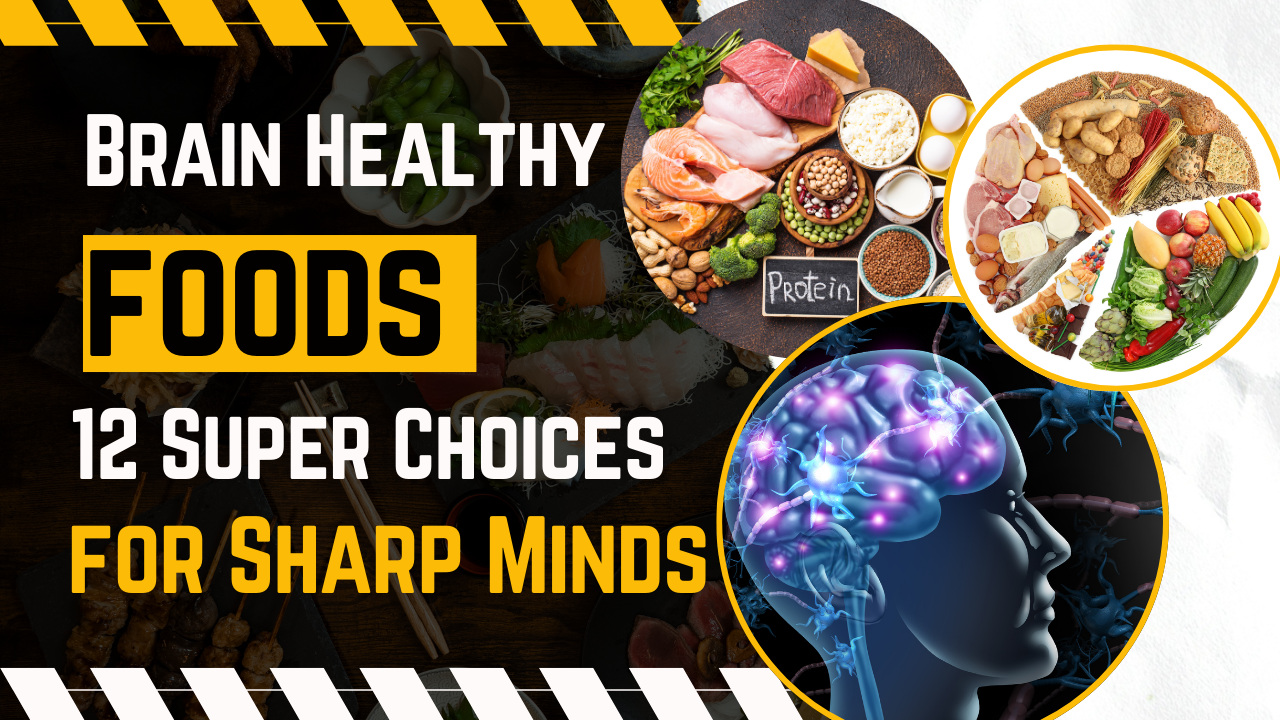
Your brain is the command center of your body — it shapes your thoughts, emotions, creativity, and even your productivity. Just like any other organ, your brain depends heavily on the nutrients you provide through your diet. What you eat doesn’t just fuel your body; it directly impacts how well your brain performs daily. That’s why focusing on brain healthy foods is one of the smartest investments you can make in your future well-being. 🧠
In today’s fast-paced world, mental clarity, focus, and resilience are more important than ever. Students, professionals, and even retirees are seeking ways to keep their minds sharp and energized. Science consistently shows that diet plays a huge role in cognitive function, memory retention, and even mood regulation. Choosing the right brain healthy foods can help you fight brain fog, reduce stress, and lower the risk of neurodegenerative conditions such as Alzheimer’s and dementia.
This article dives deep into the power of nutrition for the brain. We will discuss what brain healthy foods are, why they matter, and provide an in-depth look at 12 powerful foods you should include in your diet for sharper thinking and emotional balance. Each section is designed with user-friendly insights while also being SEO-optimized, so you can learn how to improve your mental health naturally through nutrition. Whether your goal is better concentration at work, improved study performance, or long-term brain protection, the choices you make at the dining table can be transformative.
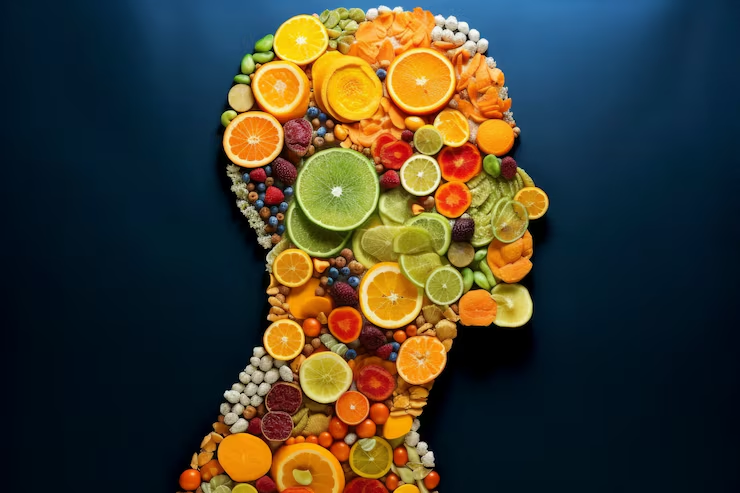
What Are Brain Healthy Foods?
Brain healthy foods are nutrient-dense ingredients that nourish your brain cells, protect neurons from damage, and improve overall mental performance. Unlike junk food that can cause inflammation, sluggishness, and memory lapses, these foods are packed with antioxidants, omega-3 fatty acids, vitamins, and minerals that support neurological health.
For instance, foods like fatty fish, leafy greens, berries, and nuts contain compounds proven to improve memory and learning. Antioxidants in blueberries, for example, neutralize harmful free radicals that can damage brain cells. Omega-3s in salmon help build flexible cell membranes, essential for better communication between neurons. These unique benefits make brain healthy foods essential for people of all ages — from children developing learning abilities to older adults looking to preserve mental sharpness.
The exciting part is that you don’t have to overhaul your diet completely to start reaping the rewards. Incorporating even a handful of these brain healthy foods consistently can make a noticeable difference in focus, creativity, and mental stamina. Think of your diet as an investment account: the more nutrient-rich foods you “deposit,” the bigger the long-term return in the form of a sharper and happier brain.
Why Are Brain Healthy Foods Important?
The importance of brain healthy foods cannot be overstated. The brain consumes about 20% of the body’s total energy, meaning it needs constant, high-quality fuel to perform at its best. If you rely on processed sugars and unhealthy fats, you may experience brain fog, mood swings, and even higher risks of long-term mental decline.
On the other hand, eating foods rich in antioxidants, healthy fats, vitamins, and minerals gives your brain the tools it needs to grow new connections, repair damage, and function efficiently. For example, vitamin E found in nuts helps prevent oxidative stress, while iron-rich foods improve oxygen delivery to brain cells, boosting energy and alertness. These benefits go far beyond short-term memory boosts — they help build long-term resilience.
In today’s digital world, where constant multitasking drains mental energy, eating brain healthy foods has become a survival strategy. Whether you’re preparing for an exam, working long hours at the office, or trying to maintain emotional balance, the right diet can make all the difference. It’s not just about avoiding disease but about thriving mentally and emotionally every single day.
Best Brain Healthy Foods for a Sharper Mind
Fatty Fish (Salmon, Mackerel, Sardines)

Fatty fish top the list of brain healthy foods because they are loaded with omega-3 fatty acids. Omega-3s are crucial for building brain cell membranes and promoting communication between neurons. Research has shown that people who regularly consume fatty fish have higher levels of gray matter, the part of the brain involved in memory, emotion, and decision-making.
These healthy fats also reduce inflammation, which plays a significant role in age-related cognitive decline. Omega-3 deficiency has been linked to depression and learning difficulties, making fatty fish an essential choice for mental health. Eating salmon or mackerel twice a week ensures your brain stays nourished and resilient.
Another key benefit is that fatty fish provide vitamin D, a nutrient often associated with mood regulation. Low vitamin D levels are linked to higher risks of depression and anxiety, so adding fish to your weekly meals can support both brain and emotional health. For vegetarians, flaxseeds and chia seeds can be plant-based alternatives, though fish provides the most bioavailable form of omega-3s.
Blueberries
Blueberries are often called “brain berries” because of their incredible impact on cognitive performance. They are rich in antioxidants known as anthocyanins, which reduce oxidative stress and inflammation in the brain. These compounds help delay brain aging and improve memory retention, making blueberries one of the best brain healthy foods. 🫐
Studies have shown that older adults who consume blueberries regularly perform better on memory tests. The antioxidants in blueberries also encourage the growth of new brain cells, a process known as neurogenesis, which boosts learning and adaptability.
Beyond memory, blueberries help improve communication between brain cells, enhance blood flow to the brain, and protect neurons from damage. Adding a cup of fresh blueberries to your breakfast cereal, smoothie, or yogurt is a simple way to sharpen your mind daily.
Dark Chocolate

Yes, you read that right — dark chocolate is one of the most enjoyable brain healthy foods you can eat. The key is to choose chocolate with at least 70% cocoa, as this contains flavonoids, caffeine, and antioxidants that support brain function.
Flavonoids in dark chocolate concentrate in areas of the brain responsible for memory and learning. They increase blood flow, boost neuroplasticity, and improve reaction time. Regular consumption in moderation has been linked to better attention span and sharper problem-solving skills.
Dark chocolate also stimulates the production of endorphins, improving mood and reducing stress. The small caffeine content gives a mild energy boost without the jitters, making it perfect before a study session or creative project. To enjoy benefits without excess sugar, limit yourself to one or two small squares daily.
Leafy Greens (Spinach, Kale, Broccoli)
Leafy greens are packed with nutrients like vitamin K, lutein, folate, and beta carotene. These compounds help slow cognitive decline and improve mental clarity, making greens essential brain healthy foods. Research even suggests that people who consume leafy greens daily have brains that function as if they were 11 years younger compared to non-consumers.
Vitamin K is critical for forming brain cell membranes, while lutein and beta carotene act as antioxidants protecting neurons from free radical damage. Folate, on the other hand, helps produce neurotransmitters like serotonin and dopamine, which regulate mood and motivation.
Regularly eating salads, steamed spinach, or broccoli stir-fries can significantly improve memory retention, focus, and emotional stability. Adding a handful of greens to your meals is an easy yet powerful way to protect brain function long term.
Nuts and Seeds (Walnuts, Almonds, Flaxseeds, Pumpkin Seeds)
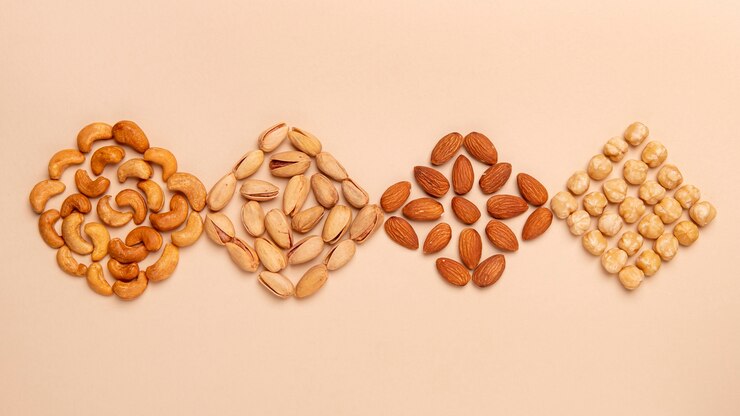
Nuts and seeds are nutrient-dense snacks packed with omega-3 fatty acids, antioxidants, and vitamin E. Vitamin E is especially important because it protects cell membranes from oxidative stress, which otherwise accelerates brain aging. That makes nuts and seeds one of the most convenient brain healthy foods.
Walnuts, in particular, are known for improving memory and concentration because of their high DHA content, a type of omega-3. Almonds are rich in magnesium, which helps regulate mood and reduce stress. Pumpkin seeds provide zinc and iron, both essential for maintaining sharp focus and high energy levels.
Incorporating a small handful of mixed nuts daily not only boosts brain health but also supports heart health — a critical factor since good circulation ensures your brain receives plenty of oxygen and nutrients.
Avocados
Avocados are creamy, versatile, and incredibly beneficial as brain healthy foods. They are rich in monounsaturated fats, which promote healthy blood flow. Good circulation ensures that the brain receives adequate oxygen and nutrients, leading to better focus and sustained energy levels.
Avocados also provide potassium, which helps regulate blood pressure, preventing cognitive decline linked to hypertension. They are packed with folate and vitamin C, both of which contribute to neurotransmitter production and reduced oxidative stress.
Whether sliced on toast, blended into smoothies, or added to salads, avocados can be enjoyed in many ways. Their unique combination of nutrients supports long-term memory and enhances problem-solving skills, making them one of the tastiest brain healthy foods to include in your diet.
Eggs
Eggs are a powerhouse of choline, a nutrient that supports the production of acetylcholine, a neurotransmitter involved in mood and memory regulation. This makes eggs essential brain healthy foods for students, professionals, and older adults alike. 🍳
Egg yolks also provide vitamins B6, B12, and folate, all crucial for regulating homocysteine levels. Elevated homocysteine is linked to cognitive decline and dementia, so eating eggs helps protect your brain from long-term risks.
Apart from memory, eggs provide high-quality protein that stabilizes blood sugar levels and keeps your energy consistent throughout the day. Whether scrambled, boiled, or added to salads, eggs are an affordable and versatile way to nourish your brain.
Whole Grains (Oats, Quinoa, Brown Rice)
Whole grains are slow-digesting carbohydrates that provide steady glucose, the brain’s primary energy source. Unlike refined carbs that cause sugar spikes and crashes, whole grains release energy gradually, keeping your mind sharp throughout the day.
These brain healthy foods are also rich in fiber, B vitamins, and iron. B vitamins help reduce stress and support nerve function, while iron ensures sufficient oxygen reaches brain cells. Quinoa, for example, is a complete protein with all nine amino acids, making it a fantastic choice for brain energy and repair.
Adding oatmeal for breakfast, quinoa bowls for lunch, or brown rice with dinner provides your brain with consistent fuel. This helps improve memory, focus, and long-term resilience against burnout.
Turmeric

Turmeric is a golden spice with powerful anti-inflammatory and antioxidant properties. Its active compound, curcumin, crosses the blood-brain barrier and directly benefits neurons, making it a superstar among brain healthy foods.
Curcumin boosts brain-derived neurotrophic factor (BDNF), a growth hormone that supports the creation of new neurons and synapses. Higher BDNF levels are linked to better learning, memory, and resilience against depression.
Turmeric also improves mood by stimulating serotonin and dopamine production. Regular consumption, whether in curries, golden milk, or turmeric lattes, can significantly improve overall brain performance and emotional well-being.
Coffee and Green Tea
Both coffee and green tea are popular beverages that double as brain healthy foods because of their caffeine and antioxidant content. Caffeine blocks adenosine, a neurotransmitter that makes you feel tired, thereby improving focus and alertness.
Green tea contains L-theanine, which promotes relaxation without drowsiness. Combined with caffeine, L-theanine provides a smoother, more sustained energy boost compared to coffee alone. Both beverages are also loaded with antioxidants that protect brain cells from aging.
Enjoying one or two cups daily can improve mood, sharpen concentration, and support long-term brain health. Just avoid excessive consumption, as too much caffeine can cause jitters or disrupt sleep.
Oranges and Citrus Fruits
Citrus fruits like oranges, grapefruits, and lemons are rich in vitamin C, an essential nutrient for preventing mental decline. Vitamin C is a powerful antioxidant that defends brain cells against oxidative stress and inflammation. This makes citrus fruits one of the simplest brain healthy foods to include in your diet. 🍊
Regular intake of vitamin C has been linked to improved focus, faster processing speed, and stronger memory retention. Oranges also provide fiber and hydration, both of which support overall body function, keeping your brain energized.
A single orange can provide your full daily requirement of vitamin C. Adding citrus segments to salads or drinking freshly squeezed juice is a refreshing way to boost brain power.
Beans and Legumes
Beans and legumes are plant-based protein sources loaded with fiber, iron, magnesium, and folate. These nutrients make them essential brain healthy foods, especially for vegetarians and vegans.
The complex carbohydrates in beans provide steady glucose release, which keeps the brain fueled without sudden crashes. Folate supports neurotransmitter production, while iron enhances oxygen delivery to brain cells. Lentils, chickpeas, and black beans are all excellent choices for daily meals.
Regular consumption improves focus, prevents fatigue, and supports emotional stability. Adding beans to soups, salads, or stews is an affordable and versatile way to feed your brain the nutrients it needs.
Conclusion
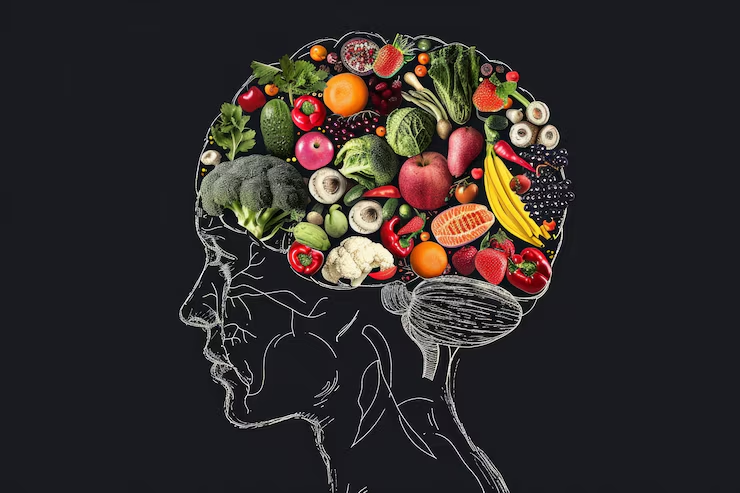
Your brain is your most valuable asset, and the foods you eat have a profound effect on how well it functions. By choosing brain healthy foods consistently, you provide your mind with the nutrients it needs to stay sharp, creative, and emotionally balanced. Whether it’s fatty fish for omega-3s, blueberries for antioxidants, or leafy greens for essential vitamins, each food contributes something unique to your mental well-being.
The good news is that integrating these foods into your diet is both enjoyable and sustainable. From the sweetness of oranges to the richness of dark chocolate, the variety ensures there’s something for every palate. Remember, the goal isn’t perfection but consistency. Small daily choices, like swapping refined carbs for whole grains or adding nuts to your snacks, compound into significant long-term results. 🌟
Ultimately, adopting a lifestyle rich in brain healthy foods empowers you to perform better at work, maintain stronger relationships, and reduce the risk of age-related cognitive decline. The mind thrives on nourishment, and every meal is an opportunity to fuel your future. By investing in these foods today, you set yourself up for a sharper, happier, and more resilient tomorrow.
FAQs
Q1. How often should I eat brain healthy foods to see results?
Consistency is key. Eating brain healthy foods like fish, nuts, or berries just once won’t create lasting effects. Aim to include them in your daily meals. Within weeks, you may notice improved focus, better memory, and reduced brain fog, with long-term benefits showing over months and years.
Q2. Can brain healthy foods prevent Alzheimer’s or dementia?
While no food can guarantee complete prevention, regularly eating brain healthy foods lowers the risk significantly. Nutrients such as omega-3s, antioxidants, and vitamins protect brain cells from damage and support new growth. Combined with exercise and good sleep, they create strong defense against age-related cognitive decline.
Q3. Are brain healthy foods suitable for children?
Absolutely! Children benefit greatly from brain healthy foods because they support learning, memory, and concentration. Foods like eggs, berries, and whole grains are excellent for school performance. Introducing these foods early helps children build lifelong healthy habits that enhance both academic success and long-term brain development.
Q4. Do brain healthy foods help with stress and anxiety?
Yes, many brain healthy foods play a role in regulating mood. For example, omega-3 fatty acids reduce inflammation linked to depression, while magnesium in almonds promotes relaxation. Vitamin C in oranges lowers stress hormones. Eating a balanced diet supports emotional stability and builds resilience against daily stressors.
Q5. Can vegetarians get enough nutrients from brain healthy foods?
Definitely. Vegetarians can rely on plant-based brain healthy foods like walnuts, flaxseeds, chia seeds, beans, leafy greens, and quinoa. While fish provides the most effective omega-3s, plant alternatives still offer substantial benefits. Pairing a variety of nutrient-rich foods ensures vegetarians meet their brain’s nutritional needs effectively.