

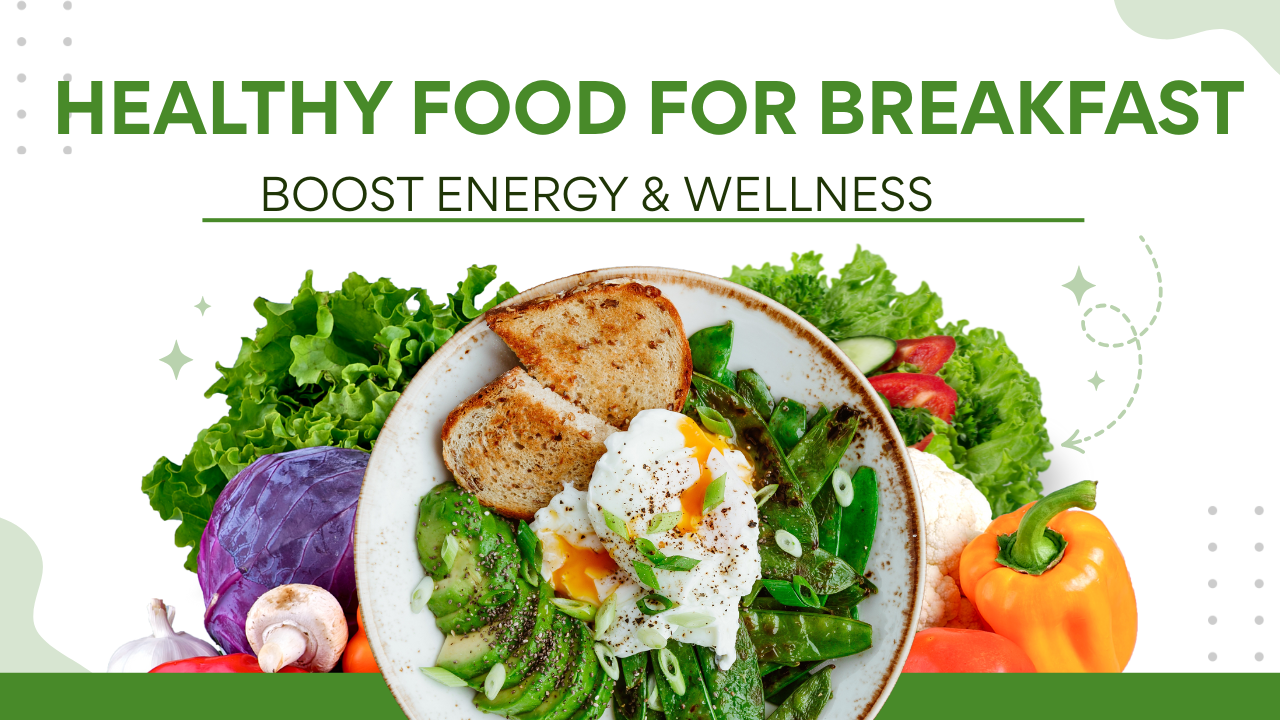
Starting your day with a nutritious and wholesome meal is one of the most important habits for maintaining a healthy lifestyle. Choosing the right breakfast can not only provide the energy you need to tackle your day but also improve mental focus, regulate metabolism, and enhance overall well-being. Incorporating healthy food for breakfast into your daily routine ensures that your body gets the essential nutrients it needs after a long night’s fast, setting a strong foundation for sustained health. Breakfast is often referred to as the most important meal of the day, and for good reason. A proper morning meal can stabilize blood sugar levels, reduce unhealthy cravings throughout the day, and support weight management goals.
Many people tend to skip breakfast or opt for convenience foods that are low in nutritional value. However, prioritizing healthy food for breakfast helps to create a balanced diet and improve long-term health outcomes. The benefits extend beyond physical health; a nutrient-rich breakfast positively influences mood, mental clarity, and cognitive function. By consuming wholesome foods like fruits, whole grains, nuts, and lean proteins, you provide your body with the fuel it needs to perform at its best. Additionally, a well-planned breakfast can help improve digestion and enhance your metabolic rate, allowing your body to efficiently utilize the calories consumed throughout the day.
Furthermore, integrating healthy food for breakfast into your routine is a practical approach to supporting a variety of health goals. Whether you aim to lose weight, boost immunity, enhance energy levels, or simply enjoy better overall health, starting your day with the right foods is a critical step. In this article, we will explore what constitutes a healthy breakfast, why it is important, and provide detailed examples and recipes to help you incorporate the best foods into your mornings. By the end, you will be equipped with practical knowledge and actionable tips to make your breakfast both enjoyable and nutritious, helping you to maintain a balanced lifestyle with ease.
What is Healthy Food for Breakfast?
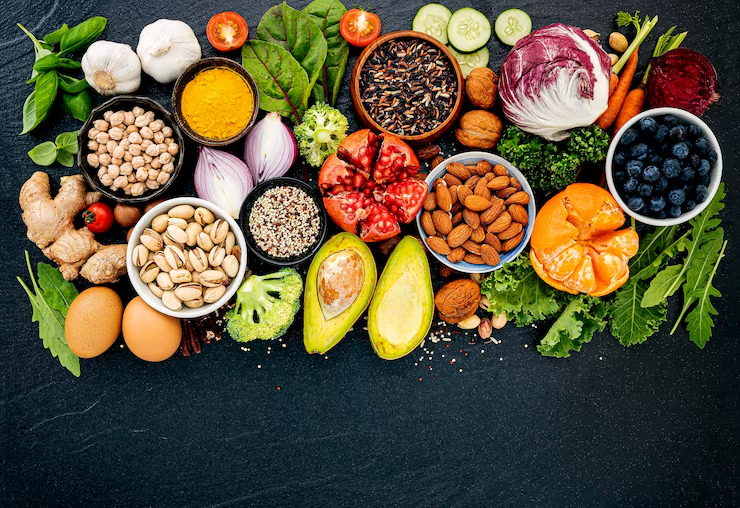
Healthy food for breakfast refers to meals that provide essential nutrients your body needs while avoiding excessive sugars, unhealthy fats, and empty calories. These foods focus on delivering a balance of macronutrients, including carbohydrates, proteins, and healthy fats, alongside vitamins, minerals, and fiber. A nutritious breakfast not only fuels your body but also supports optimal brain function, hormonal balance, and energy levels throughout the morning. Examples of healthy food for breakfast include oatmeal, eggs, yogurt with fruits, whole-grain toast, smoothies, and nut-based options. The key is to ensure variety and portion control while maintaining a nutrient-dense approach.
Choosing healthy food for breakfast involves understanding the nutritional value of different ingredients. Whole grains, for instance, release energy slowly, preventing mid-morning fatigue and maintaining stable blood sugar levels. Proteins, such as eggs, Greek yogurt, and legumes, help repair body tissues and promote satiety, reducing unnecessary snacking. Incorporating fresh fruits and vegetables adds essential vitamins, minerals, and antioxidants that strengthen immunity and support cellular health. Healthy fats from nuts, seeds, and avocados improve heart health, aid in nutrient absorption, and provide lasting energy for your daily activities.
Ultimately, the concept of healthy food for breakfast revolves around mindful eating. It is not just about selecting the “right” foods but also considering timing, portion sizes, and combinations that maximize nutritional benefits. A balanced breakfast sets the tone for the day, ensuring your body and mind are adequately prepared to face daily challenges. Prioritizing nutrient-dense options over processed foods can make a remarkable difference in your energy levels, metabolism, and overall health. By embracing a thoughtful approach to breakfast, you can enjoy delicious meals while supporting long-term wellness and vitality.
Why Healthy Food for Breakfast is Important
Eating healthy food for breakfast is crucial for maintaining energy, concentration, and overall health. After fasting overnight, your body requires replenishment to function efficiently. A nutritious morning meal jumpstarts your metabolism, helping your body burn calories effectively throughout the day. Skipping breakfast or consuming processed foods high in sugar can lead to energy crashes, overeating later, and poor nutrient intake. By prioritizing a wholesome breakfast, you can support weight management, stabilize blood sugar levels, and enhance your body’s natural rhythm for optimal performance.
A morning meal rich in nutrients has a profound impact on cognitive abilities. Healthy food for breakfast fuels the brain with glucose, the primary energy source for mental function. Studies show that individuals who consume nutrient-dense breakfasts demonstrate improved memory, focus, and problem-solving skills compared to those who skip or eat low-quality breakfasts. Furthermore, starting your day with a balanced meal sets a healthy tone, encouraging better food choices throughout the day. Incorporating fiber, proteins, and antioxidants helps prevent fatigue, mood swings, and unhealthy snacking, allowing you to maintain consistent energy and mental clarity.
In addition, healthy food for breakfast contributes to long-term health benefits, including improved heart health, digestion, and weight control. Consuming whole foods like fruits, vegetables, nuts, and whole grains reduces the risk of chronic diseases and supports a robust immune system. Breakfast also plays a vital role in regulating appetite hormones, preventing overeating, and improving insulin sensitivity. In essence, prioritizing a balanced morning meal is not merely a dietary choice—it is an investment in your physical and mental well-being. By making breakfast a nutrient-rich priority, you can cultivate sustainable health habits that enhance vitality and overall quality of life.
Top 10 Healthy Food for Breakfast Options
Oatmeal with Fruits and Nuts
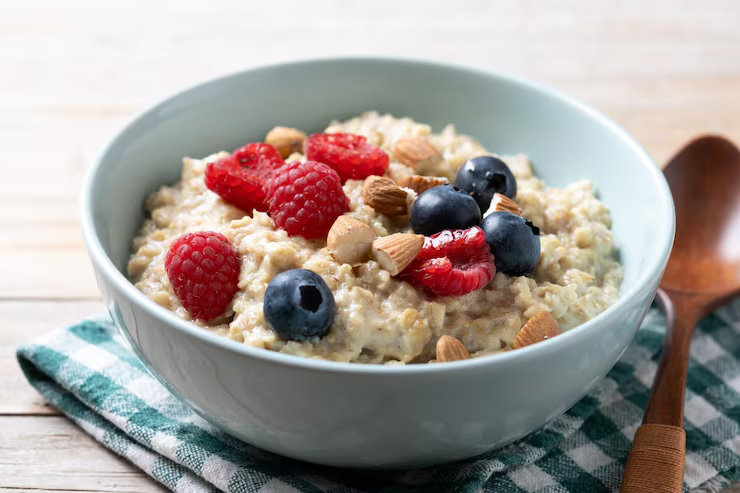
Nutritional Benefits: Oatmeal is rich in soluble fiber, which promotes heart health by lowering cholesterol levels. It provides complex carbohydrates for sustained energy and contains essential vitamins and minerals like iron, magnesium, and B-vitamins. Adding fruits such as berries boosts antioxidant intake, while nuts contribute healthy fats and protein. This combination supports digestion, reduces hunger, and stabilizes blood sugar levels.
How to Make It: Cook rolled oats with milk or water until creamy. Top with sliced fruits like bananas, strawberries, or blueberries, and sprinkle with almonds, walnuts, or chia seeds. For added flavor, drizzle a small amount of honey or cinnamon. Serve warm for a satisfying breakfast that keeps you energized throughout the morning.
Greek Yogurt with Honey and Seeds
Nutritional Benefits: Greek yogurt is an excellent source of protein, probiotics, calcium, and vitamin B12. It supports gut health, aids in muscle repair, and strengthens bones. Adding seeds like flax, chia, or pumpkin enhances fiber content, promotes satiety, and provides essential fatty acids. The natural sweetness of honey offers antioxidants without excessive sugar.
How to Make It: Take a bowl of plain Greek yogurt and mix in a teaspoon of honey. Add a tablespoon of mixed seeds and top with fresh fruit slices like kiwi or mango. Stir gently and enjoy a creamy, protein-packed breakfast that enhances digestion and boosts energy.
Avocado Toast on Whole Grain Bread
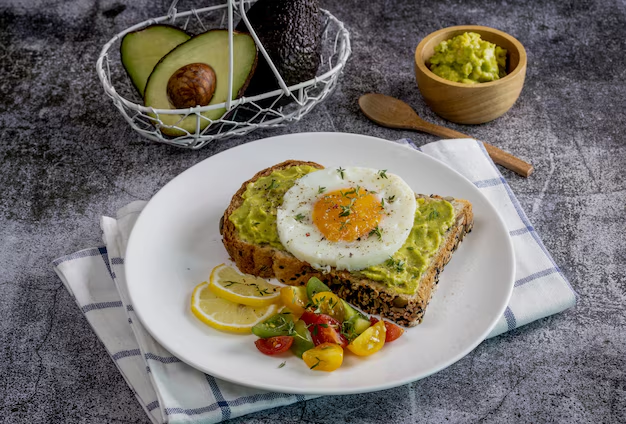
Nutritional Benefits: Avocado is loaded with healthy monounsaturated fats, fiber, potassium, and vitamins C, E, and K. Whole grain bread provides complex carbohydrates and additional fiber for prolonged energy release. This breakfast option improves heart health, supports brain function, and keeps you full longer.
How to Make It: Toast slices of whole-grain bread until golden brown. Mash a ripe avocado and spread it evenly over the toast. Sprinkle with salt, pepper, and optional toppings like cherry tomatoes, poached eggs, or seeds for added flavor and nutrition. This meal is quick, simple, and highly satisfying.
Smoothie Bowl with Spinach and Fruits
Nutritional Benefits: Smoothie bowls combine fruits, vegetables, and protein-rich ingredients in one meal. Spinach provides iron, magnesium, and antioxidants, while fruits like bananas and berries deliver vitamins and natural sweetness. Adding protein powder or Greek yogurt improves muscle recovery, and toppings like granola or nuts enhance fiber intake.
How to Make It: Blend a handful of spinach, a banana, berries, and Greek yogurt until smooth. Pour into a bowl and garnish with granola, chia seeds, or sliced fruits. Enjoy a nutrient-dense breakfast packed with vitamins, minerals, and sustained energy.
Egg and Vegetable Omelette

Nutritional Benefits: Eggs are a complete protein source and rich in essential amino acids, vitamins D, B6, B12, and minerals like zinc and iron. Including vegetables like bell peppers, spinach, or tomatoes adds fiber, antioxidants, and essential nutrients. This breakfast supports muscle health, brain function, and satiety.
How to Make It: Whisk two eggs and season with salt and pepper. Sauté chopped vegetables in olive oil, then pour the eggs over them. Cook until firm and fold the omelette. Serve hot with a slice of whole-grain bread for a balanced and hearty breakfast.
Chia Seed Pudding with Almond Milk
Nutritional Benefits: Chia seeds are rich in omega-3 fatty acids, protein, fiber, and antioxidants. Almond milk provides a dairy-free source of calcium and vitamin E. Together, they promote heart health, regulate blood sugar, and improve digestion while keeping you full for longer.
How to Make It: Mix chia seeds with almond milk and refrigerate overnight. In the morning, stir the pudding and add fruits like mango, berries, or banana. Top with nuts or shredded coconut for added texture and flavor. This no-cook breakfast is nutritious and convenient.
Peanut Butter and Banana Sandwich

Nutritional Benefits: A peanut butter and banana sandwich is a classic yet highly nutritious option for healthy food for breakfast. Peanut butter provides a rich source of protein, healthy fats, and essential minerals such as magnesium and potassium, which support heart and muscle health. Bananas add natural sugars, fiber, and potassium to maintain energy levels and promote proper muscle function. Whole grain bread completes the meal with complex carbohydrates and additional fiber, offering long-lasting energy. The combination ensures a balanced breakfast that is both filling and nutrient-dense.
How to Make It: Take two slices of whole-grain bread and spread a generous layer of natural peanut butter on one slice. Slice a banana and layer the slices evenly over the peanut butter. Top with the second slice of bread to form a sandwich. Optionally, sprinkle chia seeds or flax seeds for additional fiber and omega-3 fatty acids. This simple and quick preparation creates a breakfast that is portable, satisfying, and ideal for busy mornings.
Quinoa Breakfast Bowl
Nutritional Benefits: Quinoa is a superfood that makes an excellent base for healthy food for breakfast. It is a complete protein containing all nine essential amino acids, which supports muscle repair and satiety. Quinoa is also high in fiber, magnesium, iron, and B-vitamins, helping maintain energy levels, regulate digestion, and improve cardiovascular health. When paired with fruits, nuts, or seeds, a quinoa breakfast bowl becomes a nutrient-packed meal that promotes sustained energy, brain function, and overall wellness.
How to Make It: Cook quinoa according to package instructions using water or milk. Allow it to cool slightly, then transfer to a bowl. Top with fresh fruits such as berries, apple slices, or banana. Add nuts like almonds or walnuts and sprinkle with seeds like chia or flax. For added flavor, drizzle a small amount of honey or maple syrup. This easy-to-make bowl provides a wholesome, balanced breakfast that satisfies both taste and nutrition needs.
Whole Grain Pancakes with Berries

Nutritional Benefits: Whole grain pancakes are a nutritious twist on a classic breakfast favorite, making them a great healthy food for breakfast option. Using whole-grain flour adds fiber and complex carbohydrates, ensuring slower digestion and sustained energy. Topping pancakes with fresh berries enhances antioxidant intake and provides essential vitamins such as vitamin C and potassium. Incorporating nuts or seeds increases protein and healthy fats, contributing to satiety and balanced nutrition. This combination of fiber, protein, and micronutrients supports metabolism, heart health, and overall wellness.
How to Make It: Prepare pancakes using whole-grain flour, eggs, and milk or a plant-based alternative. Mix ingredients until smooth and cook on a non-stick pan until golden brown on both sides. Serve pancakes topped with fresh berries such as blueberries, strawberries, or raspberries. Add optional toppings like a drizzle of honey, chopped nuts, or seeds for extra nutrition. This breakfast provides a wholesome, flavorful start to the day while maintaining balance and energy.
Cottage Cheese with Fresh Fruit
Nutritional Benefits: Cottage cheese is a high-protein dairy option that makes for an excellent healthy food for breakfast. It contains essential amino acids, calcium, and B-vitamins, which support muscle repair, bone health, and energy metabolism. Pairing cottage cheese with fresh fruits adds fiber, vitamins, and antioxidants that promote digestive health, boost immunity, and improve overall well-being. Adding nuts or seeds provides healthy fats and additional protein, making this breakfast nutrient-dense, filling, and balanced.
How to Make It: Scoop a generous portion of cottage cheese into a bowl. Top with a mix of fresh fruits like pineapple, berries, or apple slices. Add a tablespoon of nuts or seeds for extra texture, protein, and healthy fats. For sweetness, drizzle a small amount of honey or maple syrup. Stir gently and serve chilled for a quick, nutritious breakfast that can be prepared in minutes.
Conclusion
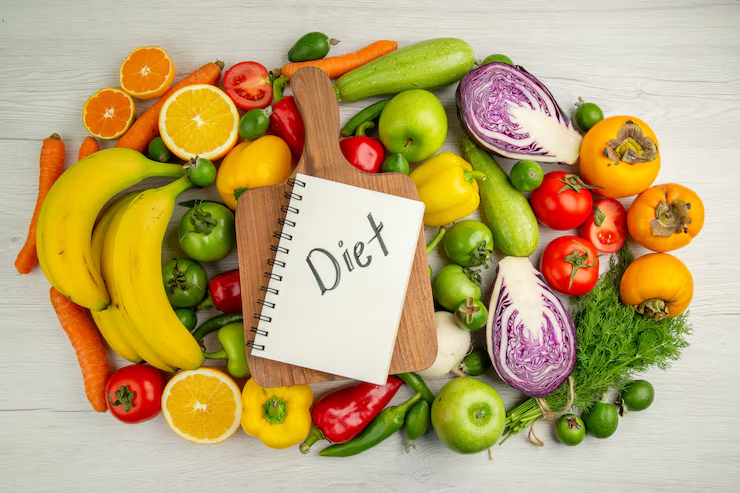
Incorporating healthy food for breakfast into your daily routine is one of the most effective ways to enhance overall health and well-being. A balanced morning meal not only fuels your body with essential nutrients but also improves mental focus, supports weight management, and strengthens the immune system. By prioritizing nutrient-dense options such as fruits, whole grains, nuts, seeds, and lean proteins, you provide your body with the tools it needs to perform optimally throughout the day. Skipping breakfast or opting for processed foods can lead to energy crashes, poor concentration, and unhealthy cravings, whereas a thoughtful breakfast supports long-term health and vitality.
Choosing healthy food for breakfast is not just about the immediate benefits but also about creating lasting habits that promote sustained wellness. Meals like oatmeal with fruits, Greek yogurt, avocado toast, vegetable omelets, and smoothie bowls combine taste with nutrition, making it easier to stick to a healthy lifestyle. Meal prepping and incorporating a variety of foods ensure that breakfast remains enjoyable, quick, and nutritionally complete. These practices empower you to make mindful choices, optimize energy levels, and maintain a balanced diet effortlessly.
Ultimately, investing time in preparing and consuming healthy food for breakfast is a proactive step toward a healthier, more vibrant life. By adopting this habit consistently, you support not only physical health but also mental clarity, emotional well-being, and long-term vitality. Making breakfast a priority transforms it from a routine meal into a powerful tool for improving overall quality of life. Start your day with nutritious, delicious, and thoughtfully prepared breakfast options to experience sustained energy, improved focus, and a positive impact on your health.
FAQs
Q1. Why is eating healthy food for breakfast important for weight management?
Eating healthy food for breakfast helps regulate appetite hormones, stabilize blood sugar levels, and prevent overeating later in the day. A nutrient-dense morning meal keeps you full for longer, reduces cravings for unhealthy snacks, and supports metabolism. Regular consumption of balanced breakfasts is linked to sustainable weight management and better overall health.
Q2. Can healthy food for breakfast improve mental focus and concentration?
Yes, consuming healthy food for breakfast provides glucose and essential nutrients that fuel brain function. Foods rich in protein, whole grains, and healthy fats enhance memory, alertness, and cognitive performance. Studies show that individuals who eat balanced breakfasts have better concentration, problem-solving skills, and overall mental clarity compared to those who skip breakfast or consume sugary foods.
Q3. How can I make healthy food for breakfast quickly in the morning?
You can prepare healthy food for breakfast quickly by opting for simple recipes like overnight oats, smoothie bowls, Greek yogurt with fruits, or avocado toast. Meal prepping ingredients in advance, such as chopping fruits, soaking oats, or pre-cooking quinoa, saves time. These options are nutritious, convenient, and can be ready in under ten minutes.
Q4. Are there vegetarian options for healthy food for breakfast?
Absolutely. Vegetarian options for healthy food for breakfast include oatmeal with fruits and nuts, chia seed pudding, vegetable omelettes, quinoa bowls, and smoothies with plant-based proteins. These meals provide balanced nutrition, including proteins, fiber, healthy fats, vitamins, and minerals, ensuring a wholesome start to the day without relying on meat or animal products.
Q5. How often should I include healthy food for breakfast in my routine?
It is recommended to include healthy food for breakfast every day to maintain energy, mental focus, and overall well-being. Consistently consuming balanced morning meals helps regulate appetite, metabolism, and blood sugar levels. Making breakfast a daily habit ensures that your body receives essential nutrients to support long-term health and vitality.