
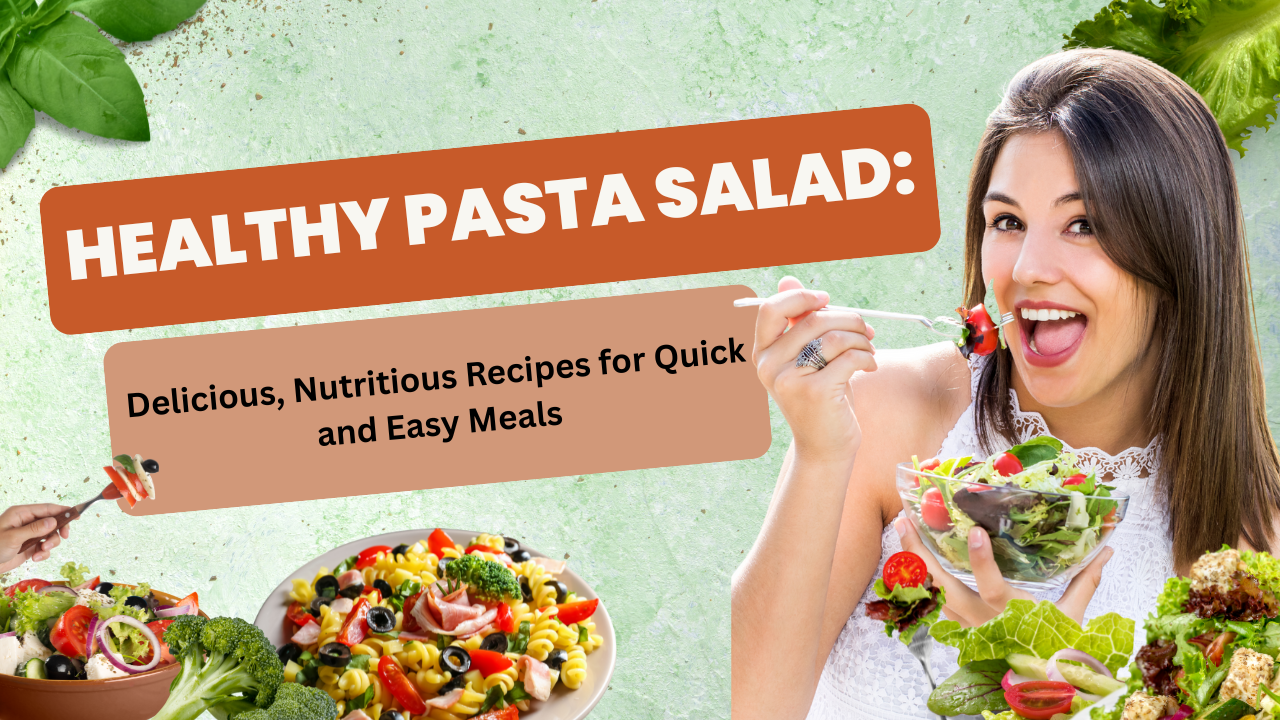
Healthy pasta salad is not just a side dish; it is a vibrant and nutritious meal that can be enjoyed by anyone looking to combine taste and health. In today’s fast-paced lifestyle, people often compromise on nutrition in favor of convenience. However, healthy pasta salad bridges that gap perfectly, offering a balanced mix of carbohydrates, protein, fiber, and essential vitamins. This dish allows you to enjoy the comfort of pasta while infusing it with fresh vegetables, lean proteins, and wholesome dressings. By incorporating a variety of colorful ingredients, you not only enhance the visual appeal of your meal but also ensure a spectrum of nutrients that support overall wellness.
Preparing a healthy pasta salad can be simple yet rewarding. The choice of pasta is crucial, as whole grain or legume-based varieties provide additional fiber and protein compared to traditional refined pasta. Combining pasta with fresh vegetables such as bell peppers, tomatoes, cucumbers, and leafy greens creates a dish that is rich in antioxidants, essential minerals, and vitamins. Furthermore, adding ingredients like lean chicken, shrimp, tofu, or beans increases the protein content, making the salad more filling and balanced. A well-prepared healthy pasta salad can serve as a complete meal that sustains energy levels and promotes digestion.
In addition to its nutritional benefits, healthy salad is versatile and can be adapted to suit different dietary preferences. Whether you follow a vegetarian, vegan, or gluten-free diet, you can easily customize your salad to meet your needs. The dressing plays a pivotal role in flavor enhancement, and opting for olive oil-based or yogurt-based dressings ensures healthy fats without excessive calories. Overall, healthy pasta salad is a celebration of flavor, texture, and nutrition, making it an ideal choice for lunch, dinner, or potluck gatherings. By choosing fresh, wholesome ingredients, you transform a simple pasta dish into a nutrient-packed meal that nourishes your body while satisfying your taste buds.
What is Healthy Pasta Salad?
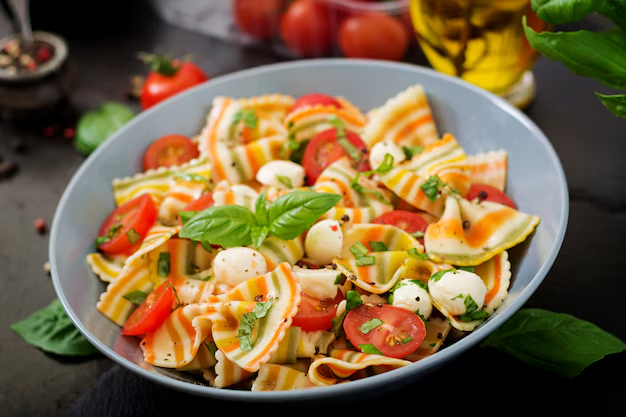
Healthy salad is a culinary creation that blends cooked pasta with fresh vegetables, lean proteins, and nutrient-rich dressings. Unlike traditional pasta salads that are heavy in mayonnaise and processed ingredients, a healthy pasta salad focuses on wholesome, minimally processed components. The base can include whole grain pasta, chickpea pasta, or other alternatives that provide higher fiber content. Fiber is essential for digestive health and maintaining a stable blood sugar level, making healthy pasta salad a smarter choice for those aiming to improve their overall diet.
The vegetables in healthy salad add not only color and texture but also a wide array of vitamins and minerals. Bell peppers contribute vitamin C and antioxidants, while leafy greens supply vitamin K and iron. Tomatoes add lycopene, a powerful antioxidant, and cucumbers contribute hydration and fiber. Adding a variety of vegetables ensures a balance of nutrients and enhances the sensory experience, making each bite refreshing and satisfying. Additionally, herbs and spices such as basil, parsley, or oregano can enhance flavor naturally, eliminating the need for excessive salt or artificial flavoring.
Protein sources further elevate the nutritional profile of healthy pasta salad. Lean chicken, shrimp, boiled eggs, tofu, or beans add satiety, helping to keep you full for longer periods. Healthy fats from olive oil, avocado, or nuts improve heart health and enhance the absorption of fat-soluble vitamins. The dressing, when carefully selected, ties all the ingredients together while maintaining nutritional integrity. Overall, healthy pasta salad is a well-rounded meal that balances carbohydrates, protein, and fat while delivering essential nutrients. It is perfect for people seeking a wholesome, convenient, and flavorful meal that supports long-term health.
Why Healthy Pasta Salad is Beneficial
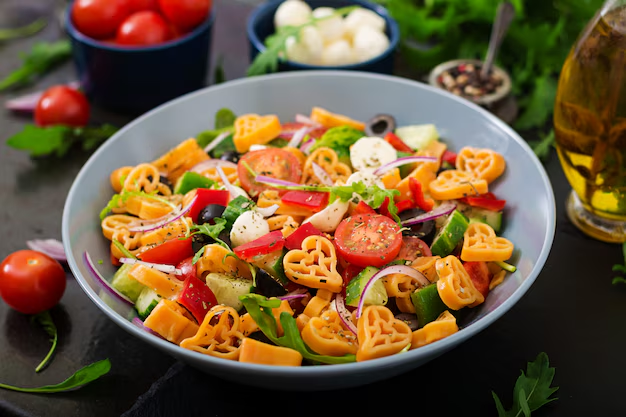
Healthy pasta salad offers numerous benefits that make it an excellent addition to any diet. First, it provides a balanced source of macronutrients. Whole grain or legume-based pasta supplies complex carbohydrates, which are essential for energy. The inclusion of vegetables, proteins, and healthy fats ensures that your meal contains the necessary nutrients to fuel your body efficiently. Unlike processed meals, healthy salad is nutrient-dense, providing vitamins, minerals, and antioxidants that support overall wellness.
Another significant benefit is its role in digestive health. Fiber from whole grains, beans, and vegetables promotes regular bowel movements and helps maintain a healthy gut microbiome. A fiber-rich diet has been linked to a reduced risk of chronic diseases, including diabetes, cardiovascular conditions, and obesity. By consuming healthy pasta salad regularly, you are actively supporting your digestive system while enjoying a satisfying meal. Additionally, the high water content in vegetables contributes to hydration, which is often overlooked but essential for maintaining metabolic processes and skin health.
Healthy salad also supports weight management and satiety. Unlike calorie-dense fast foods or creamy pasta dishes, this salad is low in empty calories and high in nutrients. The combination of protein and fiber slows digestion, keeping you full for longer and reducing unnecessary snacking. Moreover, the variety of fresh ingredients encourages mindful eating, as you savor textures and flavors with each bite. It is also adaptable to various dietary needs, including vegetarian, vegan, and gluten-free diets, making it suitable for anyone aiming to maintain a healthy lifestyle. Overall, incorporating healthy pasta salad into your weekly meal plan is a practical, enjoyable, and nourishing choice.
How to Make Healthy Pasta Salad
Making a healthy pasta salad begins with choosing the right pasta. Opt for whole grain, lentil, or chickpea pasta, which are rich in fiber and protein. Cooking the pasta al dente ensures it maintains texture and absorbs the dressing effectively. Once cooked, rinse with cold water to stop the cooking process and prevent stickiness. This forms a solid foundation for your salad, creating a versatile base for a variety of vegetables, proteins, and dressings.
Next, focus on the vegetables. Select a colorful combination, such as cherry tomatoes, cucumbers, bell peppers, red onions, and leafy greens. Cutting vegetables uniformly ensures even texture and a visually appealing presentation. Adding fresh herbs like parsley, basil, or dill enhances flavor naturally. Including nutrient-dense vegetables boosts the vitamin and antioxidant content, making your healthy pasta salad a powerhouse of nutrients.
Protein is the next key element. Lean proteins such as grilled chicken, shrimp, boiled eggs, tofu, or chickpeas are excellent options. They provide satiety and balance the carbohydrate content of the pasta. For added flavor, consider roasting or marinating proteins with herbs and spices before adding them to the salad. Finally, select a wholesome dressing. Olive oil-based vinaigrettes, yogurt-based dressings, or lemon and herb blends provide healthy fats and enhance flavor without overwhelming the dish. Mix all ingredients gently to ensure even distribution, then refrigerate for a few hours to allow flavors to meld. Your healthy salad is ready to serve as a nutritious and delicious meal.
Top 8 Tips for Healthy Pasta Salad
Choose Whole Grain or Alternative Pasta
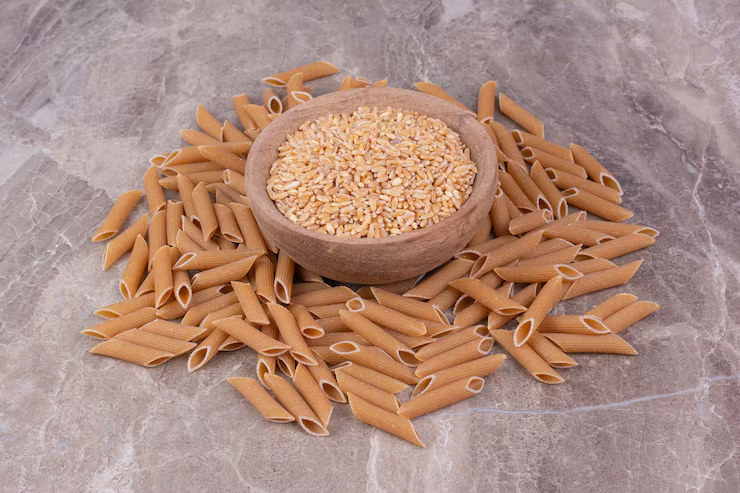
The foundation of a healthy pasta salad starts with the pasta itself. Traditional refined pasta can spike blood sugar levels and lacks fiber. Opting for whole grain, lentil, or chickpea pasta increases the fiber and protein content of your dish. This ensures your healthy salad is more filling and keeps you energized longer. Whole grain pasta also provides essential vitamins like B-complex, iron, and magnesium, which support overall wellness.
Cooking the pasta al dente is crucial for texture and digestibility. Overcooked pasta becomes mushy and can soak up too much dressing, making the salad heavy. Once cooked, rinse it with cold water to stop the cooking process and prevent clumping. This simple step keeps your healthy pasta salad light and maintains the integrity of each ingredient.
Finally, consider portion control when using pasta. A healthy salad should balance carbohydrates with vegetables and protein. By measuring the pasta appropriately and pairing it with fiber-rich and protein-packed additions, you can enjoy a nutrient-dense meal that is both satisfying and supportive of your health goals.
Incorporate a Variety of Fresh Vegetables
Vegetables are the heart of a healthy pasta salad. Using a mix of colorful vegetables not only enhances the visual appeal but also provides a broad spectrum of nutrients. Bell peppers, tomatoes, cucumbers, carrots, and leafy greens bring antioxidants, vitamins, and fiber to your meal. Each bite of your healthy pasta salad delivers essential minerals like potassium, magnesium, and iron that contribute to overall wellness.
Different textures and flavors create a more enjoyable eating experience. Crunchy cucumbers, sweet bell peppers, and tender cherry tomatoes add a contrast that makes your healthy salad exciting to eat. Herbs like basil, parsley, and dill further elevate taste without adding excess sodium or artificial flavorings, keeping the dish light and nutritious.
Additionally, vegetables help maintain hydration because many of them have high water content. This is an often-overlooked benefit in a healthy pasta salad, as staying hydrated aids digestion, supports skin health, and enhances metabolism. By filling your salad with a variety of vegetables, you create a meal that is not only tasty but truly nourishing.
Add Lean Protein for Satiety
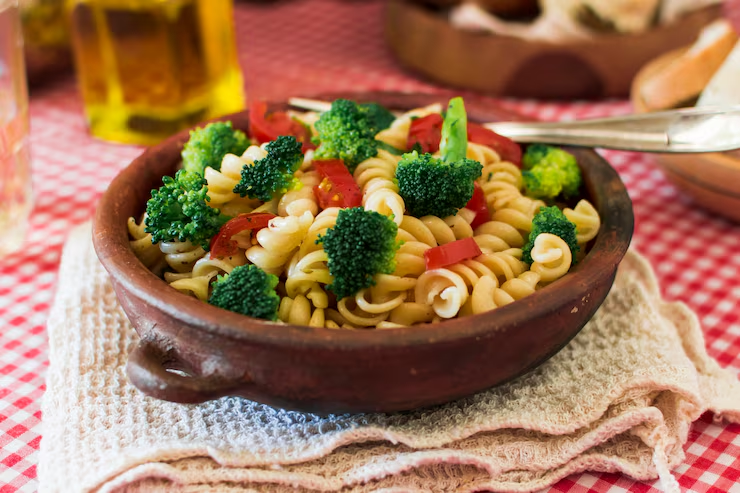
Protein is essential for turning a healthy salad into a complete meal. Including lean options like grilled chicken, shrimp, tofu, or beans increases satiety and balances the carbohydrates from pasta. Protein helps maintain muscle mass, supports metabolic function, and keeps you full for longer periods, reducing unhealthy snacking.
Plant-based proteins such as chickpeas or edamame work perfectly in vegetarian or vegan versions of healthy pasta salad. They are rich in fiber and offer additional vitamins and minerals, making the salad more nutrient-dense. Animal proteins, on the other hand, provide complete amino acids and a savory flavor that complements fresh vegetables and pasta.
Marinating or lightly roasting proteins enhances flavor without adding excessive calories. This step also ensures your healthy pasta salad remains exciting and delicious. By carefully selecting and preparing proteins, you create a balanced meal that satisfies hunger while promoting overall health.
Focus on Healthy Fats
Healthy fats are a vital component of a nutritious pasta salad. Incorporating olive oil, avocado, nuts, or seeds ensures your healthy salad provides essential fatty acids that support heart and brain health. These fats also help the body absorb fat-soluble vitamins such as A, D, E, and K from the vegetables in your salad.
Avoid heavy, creamy dressings that are high in saturated fats and calories. Instead, make simple vinaigrettes with olive oil, lemon juice, or yogurt-based dressings. These dressings enhance flavor while keeping your healthy pasta salad light and nourishing. Adding a few slices of avocado or a sprinkle of nuts gives both texture and richness, making the salad more satisfying.
Finally, healthy fats contribute to sustained energy throughout the day. Including them in a balanced healthy pasta salad ensures you feel full and energized, without the spikes and crashes associated with refined carbs or processed dressings. This makes your salad both delicious and functional as a meal.
Choose the Right Dressing
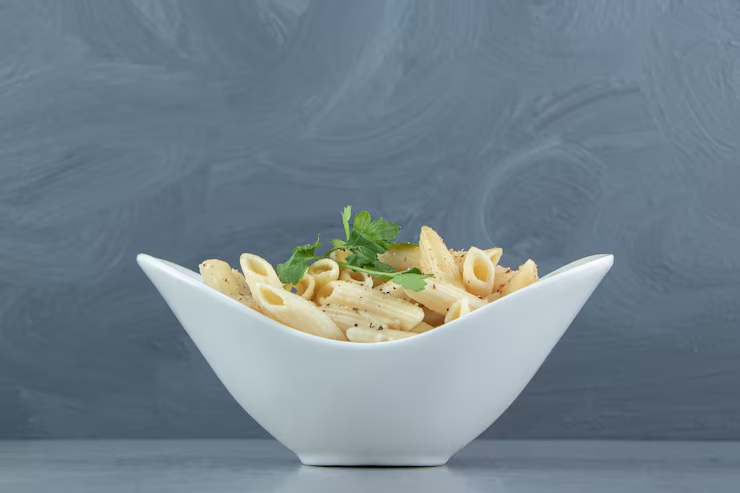
The dressing is the flavor heart of any healthy salad. Opt for olive oil-based vinaigrettes, yogurt-based dressings, or citrus and herb blends that enhance taste without adding excessive calories. Avoid pre-made creamy dressings that are often high in sugar, sodium, and unhealthy fats, which can overshadow the benefits of your healthy pasta salad.
Homemade dressings allow you to control the ingredients and tailor the flavor to your preference. Combining fresh herbs, garlic, lemon juice, and olive oil can create a tangy, aromatic dressing that pairs perfectly with pasta and vegetables. This ensures your healthy pasta salad is flavorful while keeping nutrition intact.
A good dressing also helps bind the ingredients together and distributes flavor evenly. By gently tossing your salad and letting it chill for a few hours, the pasta absorbs the dressing, enhancing the overall taste. A well-made dressing transforms a simple pasta dish into a healthy salad that is both satisfying and nutritionally balanced.
Include Herbs and Spices for Flavor
Herbs and spices are a natural way to elevate the flavor of a healthy pasta salad without relying on salt or artificial additives. Basil, parsley, oregano, dill, and cilantro not only enhance taste but also contribute antioxidants, vitamins, and minerals. Fresh herbs bring vibrancy and a refreshing aroma that makes each bite enjoyable.
Spices such as black pepper, paprika, garlic powder, or chili flakes can add warmth and complexity. Using a variety of spices ensures that your healthy salad is flavorful, keeping it exciting even if you eat it regularly. They also have health-promoting properties, like anti-inflammatory effects, which complement the nutrient-dense ingredients in the salad.
Incorporating herbs and spices encourages mindful eating. By savoring each bite, you notice textures, colors, and flavors more vividly, enhancing the overall dining experience. A well-seasoned healthy pasta salad is a feast for both the eyes and the palate, proving that nutritious food doesn’t have to be bland.
Balance Ingredients for Optimal Nutrition
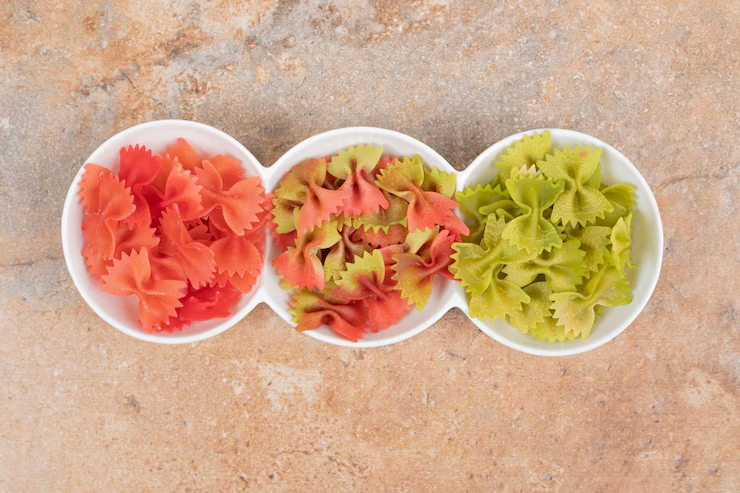
A healthy pasta salad should be balanced in terms of macronutrients. Combining complex carbohydrates from pasta, lean protein, fiber-rich vegetables, and healthy fats creates a meal that sustains energy and promotes fullness. This balance ensures that your healthy salad is not only tasty but also supports overall health goals.
Portioning each ingredient carefully helps maintain the right nutritional ratio. Too much pasta can overwhelm the other components, while too few proteins or fats can leave the salad unsatisfying. By planning the balance thoughtfully, you create a nutrient-dense dish that satisfies both hunger and health needs.
Finally, a balanced healthy pasta salad encourages mindful eating habits. Each bite delivers a combination of flavors, textures, and nutrients, making it easier to appreciate the meal and prevent overeating. The result is a wholesome dish that is delicious, convenient, and truly nourishing.
Chill and Serve for Maximum Flavor
Allowing your healthy salad to chill in the refrigerator for a few hours before serving is essential. This resting time allows the flavors from the dressing, vegetables, and proteins to meld together, creating a more harmonious and delicious salad. Serving immediately after preparation may taste less vibrant as ingredients have not fully absorbed the flavors.
Chilling also helps maintain the salad’s texture. Cold pasta and crisp vegetables provide a refreshing contrast, especially during warm weather. This step ensures that your healthy pasta salad remains crisp, flavorful, and visually appealing when served to family, friends, or at gatherings.
Finally, refrigerated salads are convenient for meal prep. Making a large batch of healthy salad in advance provides ready-to-eat, balanced meals throughout the week. This supports a busy lifestyle without compromising on nutrition, making it easier to enjoy wholesome meals consistently.
Conclusion
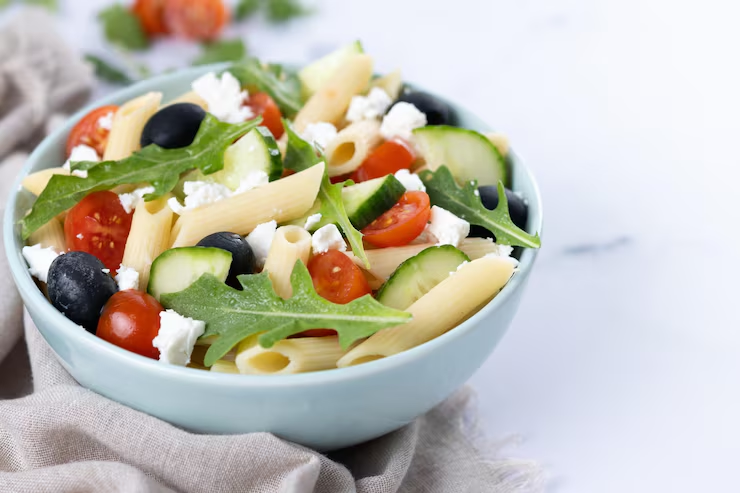
Healthy pasta salad is a versatile, nutrient-rich, and flavorful dish that can be enjoyed by anyone seeking to combine health with taste. By focusing on whole grains, fresh vegetables, lean proteins, and wholesome dressings, you create a balanced meal that provides essential nutrients, supports digestion, and promotes satiety. Its adaptability allows it to suit various dietary preferences, including vegan, vegetarian, and gluten-free options.
Incorporating healthy pasta salad into your regular meal plan offers multiple benefits, including improved digestive health, weight management, and sustained energy. The variety of colors, textures, and flavors not only makes the dish visually appealing but also ensures a diverse intake of vitamins, minerals, and antioxidants. By prioritizing fresh, minimally processed ingredients, you transform a simple pasta dish into a nutrient-dense and satisfying meal.
Ultimately, healthy salad is more than just a meal; it is a lifestyle choice that encourages mindful eating, balanced nutrition, and culinary creativity. Whether enjoyed as a main course, side dish, or potluck contribution, it provides a wholesome, convenient, and delicious way to nourish your body while delighting your taste buds. With the right ingredients and preparation, healthy salad can become a staple in your diet, offering lasting health benefits and endless flavor possibilities.
FAQs
Q1. Can I make this salad ahead of time?
Yes, this type of salad is perfect for meal prep. You can prepare it a day in advance and store it in an airtight container in the refrigerator. Chilling allows the flavors to meld together, enhancing the overall taste. Just be mindful of delicate ingredients like avocado or fresh herbs, which are best added right before serving to maintain their texture and color.
Q2. What’s the best way to store leftovers?
Leftovers should be kept in a tightly sealed container in the fridge for up to three days. Keep any dressing separate if you plan to store it for longer, as mixing too early may make the pasta and vegetables soggy. When ready to eat, give it a gentle toss to redistribute flavors and textures.
Q3. Can I substitute ingredients for dietary preferences?
Absolutely. You can easily adapt the recipe for vegetarian, vegan, or gluten-free diets. Swap meat for plant-based proteins like beans or tofu, and choose gluten-free pasta options. You can also experiment with different vegetables or nuts depending on availability and personal taste preferences.
Q4. How do I keep the pasta from sticking together?
To prevent clumping, cook the pasta al dente and rinse it under cold water immediately after cooking. Tossing it with a small amount of olive oil or your chosen dressing also helps maintain separation. This ensures a light, fluffy texture throughout the salad rather than a sticky, clumped consistency.
Q5. Can this dish be served warm?
Yes, it can be enjoyed either cold or at room temperature. While it’s traditionally served chilled, some prefer it slightly warmed, especially during cooler months. If serving warm, lightly sauté the vegetables or gently reheat the pasta before mixing to maintain the flavors and textures.