

A healthy pregnancy depends on many factors, yet one of the most influential is nutrition. A mother’s diet shapes the foundation of her baby’s growth, both inside the womb and long after birth. Among all nutrients, high protein foods for pregnancy play a significant role because protein supports tissue development, hormone balance, and the formation of essential cells. When an expecting mother focuses on balanced intake, her body gains the strength needed to support the metabolic demands of pregnancy. This article explores high protein foods for pregnancy, why they matter, and how they influence wellness from the early stages of conception through delivery.
Protein helps build muscles, supports oxygen transport, and strengthens the immune system. During pregnancy, these tasks become even more important since the baby relies on the mother’s protein intake for the development of bones, tissues, enzymes, and hormones. Expecting mothers who consistently select high protein foods for pregnancy usually report better stamina, improved recovery, reduced fatigue, and fewer nutritional deficiencies. Healthy protein sources can also help regulate hunger and maintain steady energy levels throughout the day, which is particularly valuable during the first and third trimesters when energy fluctuations are common.
Many mothers are confused about how much protein they need, which sources are best, and how to include them in meals without feeling overwhelmed. This guide simplifies the entire process by offering structured explanations that help you confidently choose the right foods for your body. You will find detailed information on what high protein foods for pregnancy truly mean, why they are essential, and how to prepare them in simple ways. The goal is to make your journey not only healthier but also more enjoyable. Every section is designed to give clarity, support your decisions, and encourage a practical approach to healthy eating during pregnancy.
What Are High Protein Foods for Pregnancy?
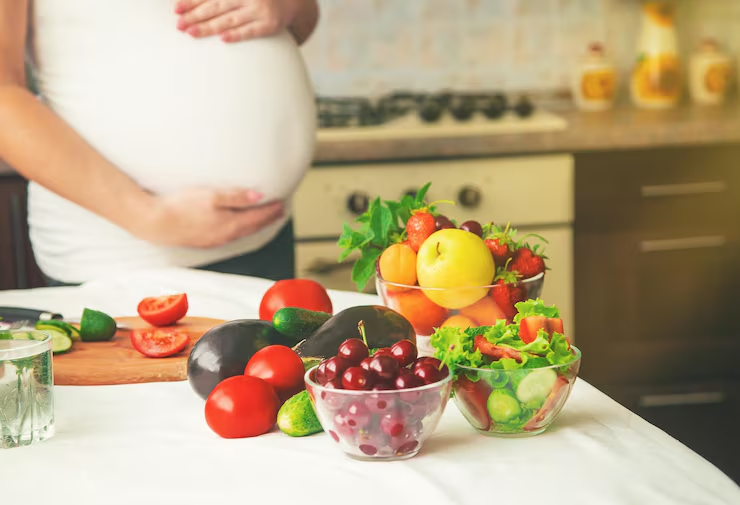
When we talk about high protein foods for pregnancy, we refer to foods that offer a high concentration of essential amino acids required for the mother and the developing fetus. Protein-rich foods include animal-based choices like fish, chicken, eggs, dairy, and plant-based foods like lentils, chickpeas, nuts, and seeds. These foods contain macro and micronutrients that support overall health. Protein in pregnancy is not just about quantity; quality matters. The goal is to choose sources that deliver complete nutrients without unnecessary additives.
Expecting mothers often experience increased nutritional demands because the body requires more support to assist fetal development. This includes forming the baby’s organs, promoting tissue growth, maintaining healthy blood supply, and supporting the placenta. High protein foods for pregnancy contribute directly to these processes. They also help regulate metabolic activities that are vital for healthy digestion, hormonal balance, and brain development. Understanding what qualifies as a high protein food helps mothers build efficient meal plans that nourish both the mother and baby.
The best sources of high protein foods for pregnancy usually combine vitamins, minerals, and fiber along with protein. For example, beans offer fiber that supports digestion, while fish provides omega-3 fatty acids that support brain development. Choosing a variety of foods ensures a full spectrum of nutrition. The body benefits from this diversity, and the baby receives steady, balanced nourishment. Mothers who understand what qualifies as a high protein food often find it easier to maintain a healthy pregnancy. By including sufficient protein daily, the prenatal journey becomes more manageable, energetic, and stable.
Why High Protein Foods for Pregnancy Matter
Protein is the building block of life, which means that during pregnancy, its importance multiplies. High protein foods for pregnancy support the formation of every essential structure within the baby’s body. This includes muscles, bones, skin, hair, nails, and organs. For expecting mothers, protein strengthens the uterus, improves blood flow, and supports the body during major hormonal shifts. Without proper protein intake, both the mother and baby may face developmental challenges or experience fatigue and weakness.
Another critical function of high protein foods for pregnancy is their ability to stabilize blood sugar. Stable blood sugar prevents sudden cravings, mood swings, and gestational diabetes. Protein helps the mother stay full longer, reducing the urge to overeat and promoting healthy weight gain. Many mothers appreciate that protein supports mental clarity and cognitive health, which are often affected by hormonal changes. This nutrient also assists with tissue repair, which is crucial after delivery. Protein empowers the body to recover faster and support breastfeeding demands.
Strong immunity is another benefit connected directly to protein consumption. High protein foods for pregnancy contain essential amino acids that help the body produce antibodies and fight infections. Pregnant women are more susceptible to illness, so having a strong immune system helps both the mother and baby stay safe. Adequate protein also supports iron absorption, which prevents anemia. With a solid protein-focused diet, the pregnancy journey becomes smoother, stronger, and more resilient. This makes protein one of the most impactful nutrients throughout all trimesters.
Top High Protein Foods for Pregnancy
Eggs: A Complete Protein Source 🥚
How to Make It:
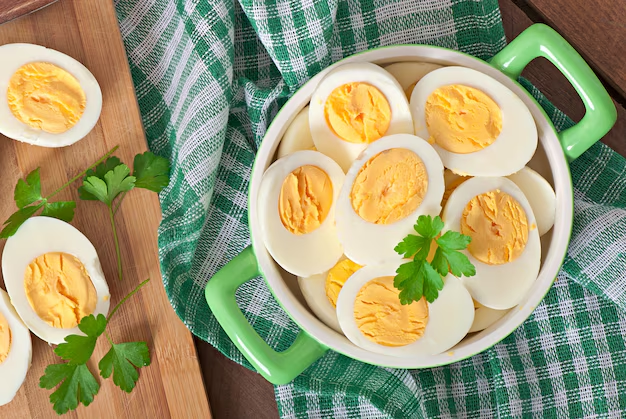
Eggs are one of the simplest high protein foods for pregnancy because they blend easily into many recipes. An expecting mother can boil them for a quick snack, scramble them with vegetables, or prepare a healthy omelet rich in spinach, tomatoes, and bell peppers. Eggs also work well in baked dishes, breakfast bowls, or salad toppings. They require little effort and cook quickly, making them ideal for busy mornings or days when energy levels are low. If you prefer variety, you can try poached eggs or egg muffins with whole grains.
Eggs also help mothers who experience morning sickness because they are easy to digest. Their soft texture makes them gentle on the stomach during the first trimester. Many expecting mothers find comfort in warm, protein-rich dishes, and eggs offer this without feeling heavy. Prepping several boiled eggs at the beginning of the week is an easy way to ensure a consistent intake of high protein foods for pregnancy. The goal is to keep meals simple, nourishing, and satisfying.
Nutritional Benefits:
Eggs contain a full range of essential amino acids, making them a complete protein. They deliver approximately 6 grams of protein per egg, along with vitamins A, D, E, B12, and choline. Choline supports brain development and assists in building healthy neural connections. Eggs also contain healthy fats that support hormone production. Their nutrient density makes them one of the most reliable high protein foods for pregnancy. When included regularly, they contribute to energy stability, cognitive support, and steady fetal development.
Greek Yogurt: Thick, Creamy, and Protein Rich 🥛
How to Make It:
Greek yogurt is a versatile and enjoyable option among high protein foods for pregnancy. You can eat it on its own or pair it with fruits like berries, bananas, or mango. It becomes even more satisfying when mixed with seeds, nuts, or honey. Expecting mothers who prefer cool, refreshing snacks often enjoy Greek yogurt parfaits. Another easy option is to blend yogurt into smoothies, creating thick and nutrient-rich drinks. Greek yogurt also works well as a base for dressings and dips.
Many pregnant women appreciate Greek yogurt for its soothing texture. It helps with digestive issues that often arise during pregnancy. Refrigerated yogurt also provides quick comfort during hot weather or after physical activity. A small serving delivers a significant amount of protein, making it perfect for in-between meals. The simplicity and flexibility of Greek yogurt allow mothers to customize it according to taste preferences.
Nutritional Benefits:
Greek yogurt offers higher protein levels than regular yogurt due to its straining process. A single cup contains about 15 to 20 grams of protein. This makes it one of the richest high protein foods for pregnancy available in dairy form. Greek yogurt also provides calcium for bone health, probiotics for digestion, and potassium for muscle support. It strengthens the immune system and helps maintain stable energy levels. This food is especially valuable during the third trimester when the body demands more protein.
Chicken Breast: Lean and Powerful 🍗
How to Make It:
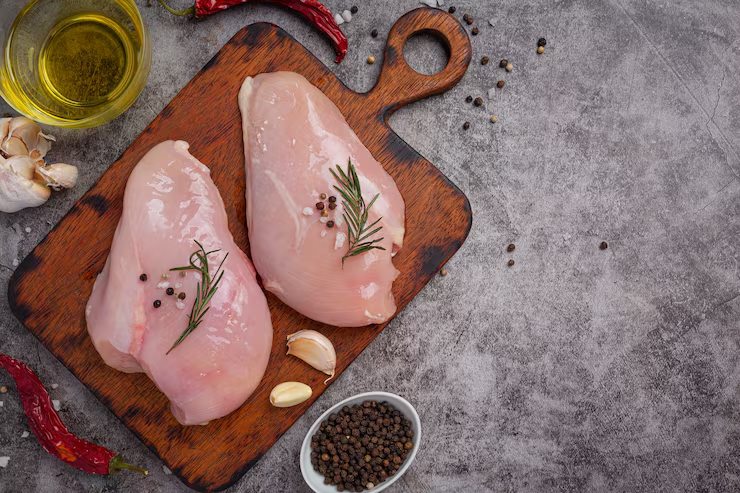
Chicken breast remains one of the most popular high protein foods for pregnancy because it is lean and easy to prepare. You can grill it, bake it, steam it, or cook it in a slow cooker. Season it lightly with herbs and spices to avoid excess sodium. Chicken also pairs well with vegetables, rice, quinoa, and pasta. Preparing large batches makes meal planning simpler and ensures steady protein intake. Expecting mothers often rely on chicken because it fits into countless recipes.
A common approach is to cut chicken breast into strips and cook them with olive oil and vegetables. This produces a fast stir fry that delivers fiber and protein together. Soups with chicken also support comfort during pregnancy, especially on days with nausea. This versatility makes chicken an essential item on many prenatal meal plans.
Nutritional Benefits:
Chicken breast delivers approximately 26 grams of protein per 100 grams. Its lean nature makes it a perfect source of protein without unnecessary fats. Chicken also provides vitamins such as B6, B12, and minerals that support metabolism and red blood cell formation. This powerhouse food strengthens the immune system and supports fetal tissue growth. It is one of the most reliable high protein foods for pregnancy for daily meals.
Lentils: A Plant-Based Powerhouse 🌱
How to Make It:
Lentils cook quickly and offer incredible versatility. They can be added to soups, curries, stews, salads, and rice dishes. For expecting mothers who want vegetarian options, lentils are among the most affordable and convenient high protein foods for pregnancy. You can cook them with vegetables, spices, and herbs to create a balanced meal. They also make a healthy base for lentil bowls with avocado, tomatoes, and spinach.
Many pregnant women appreciate lentils for their gentle flavor. They become a nourishing option when appetite is reduced due to morning sickness. Lentils also work well in pressure cookers, saving time and effort. Meal prepping lentils ensures enough protein throughout the week.
Nutritional Benefits:
Lentils offer about 18 grams of protein per cooked cup. They contain fiber that supports digestion and prevents constipation. They also provide iron, folate, and potassium. These nutrients support fetal development and prevent anemia. Lentils are among the most essential plant-based high protein foods for pregnancy because they offer balanced nutrition in a single ingredient.
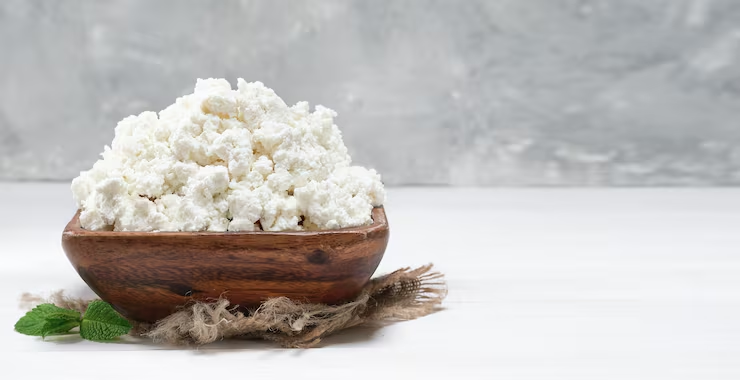
Cottage Cheese: Soft, Light, and Nutritious 🧀
How to Make It:
Cottage cheese can be enjoyed alone or paired with fruit. It works well in smoothies, salads, and grain bowls. Expecting mothers who prefer mild flavors often choose cottage cheese because it is soothing and easy to digest. You can also use it as a topping for toast or pair it with whole wheat crackers.
Its texture makes it suitable during early pregnancy when nausea is common. Cottage cheese also blends into savory dishes such as pasta and stuffed vegetables. This flexibility makes it a valuable part of a protein-rich diet.
Nutritional Benefits:
Cottage cheese delivers approximately 14 grams of protein per half cup. It contains calcium, B vitamins, and selenium. This combination supports bone development and immune health. Among dairy-based high protein foods for pregnancy, cottage cheese stands out for its mild taste and easy preparation.
Chickpeas: Crunchy, Creamy, and Versatile ✅
How to Make It:
Chickpeas can be boiled, roasted, or blended into hummus. They make excellent additions to salads, wraps, and soups. Roasted chickpeas also serve as a crunchy snack. You can season them with simple spices to keep sodium low. Many expecting mothers rely on chickpeas for quick meals due to their convenience.
They also work well in curries and stews. This makes chickpeas a perfect ingredient for flavorful meals that stay gentle on digestion. Their long shelf life ensures that you always have access to nutritious protein.
Nutritional Benefits:
Chickpeas offer about 15 grams of protein per cooked cup. They also deliver fiber, iron, and folate. These nutrients support fetal brain development and blood production. Chickpeas are one of the most reliable plant-based high protein foods for pregnancy.
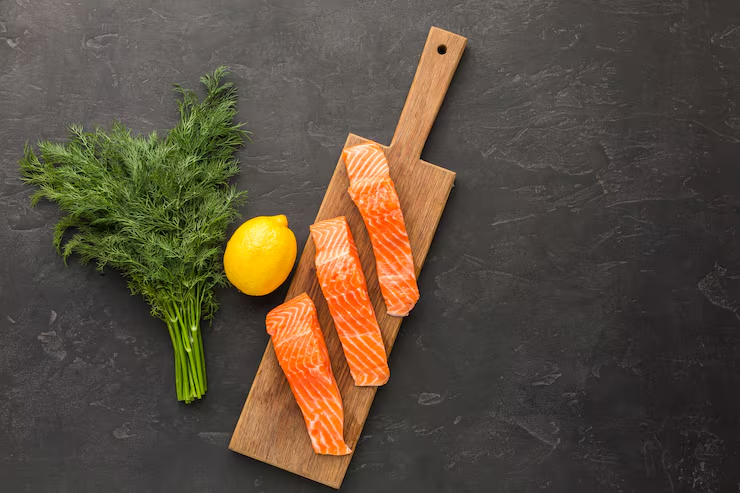
Salmon: Rich, Tender, and Omega-3 Packed 🐟
How to Make It:
Salmon can be baked, grilled, or steamed. You can season it with lemon, pepper, and herbs for a light and healthy flavor. Salmon works well in salads, grain bowls, and pasta dishes. Pregnant mothers often appreciate its softness and rich taste.
It also pairs well with vegetables and whole grains. Salmon meals are easy to prepare and require minimal seasoning. This simplicity makes salmon a trusted choice during pregnancy.
Nutritional Benefits:
Salmon contains 20 grams of protein per 100 grams. It also offers omega-3 fatty acids that support the baby’s brain and eye development. Salmon remains one of the most beneficial high protein foods for pregnancy because it supports cognitive health and reduces inflammation.
Tofu: A Balanced Vegetarian Protein 🍽️
How to Make It:
Tofu absorbs flavors well, making it easy to use in stir fries, curries, and grilled dishes. To prepare, press excess water out and season lightly. You can also add tofu to soups or blend it into smoothies for extra protein.
Many vegetarians rely on tofu as their primary protein source. It offers soft texture and easy digestion. Tofu becomes a reliable option when appetite decreases.
Nutritional Benefits:
Tofu contains about 10 grams of protein per half cup. It also delivers calcium, iron, and magnesium. These nutrients support bone health and fetal growth. Tofu is one of the most dependable plant-based high protein foods for pregnancy.
Conclusion
A healthy pregnancy depends on consistent nourishment, and protein plays a major role in supporting the well-being of both mother and baby. Choosing high protein foods for pregnancy gives the body essential nutrients that help form tissues, regulate hormones, and maintain strong energy levels. The journey becomes easier when meals contain balanced amounts of protein combined with vitamins, minerals, and healthy fats. Mothers experience fewer energy drops, improved digestion, and stronger immunity. Protein intake also supports healthy weight gain and reduces cravings.
A variety of foods ensures complete nutrition, so it is helpful to include eggs, lentils, chicken, Greek yogurt, salmon, and other protein-rich options. These high protein foods for pregnancy support brain development, bone formation, and muscle growth in the developing baby. They also support maternal strength, preparing the body for labor, delivery, and postpartum recovery. Many of these foods offer additional benefits such as omega-3 fatty acids, probiotics, and iron, which contribute to an even healthier pregnancy.
By building a routine that includes high protein foods for pregnancy, mothers can feel confident and empowered throughout their journey. Protein creates a strong foundation for both physical and emotional resilience. It also supports long-term health for both mother and baby. Eating mindfully, choosing balanced meals, and focusing on nutrient-rich foods lead to a smoother, more comfortable pregnancy. With the right choices, every mother can nourish her body while giving her baby the strongest possible start in life.
FAQs
Q1. How often should I eat high protein foods for pregnancy?
You should aim to include protein in every meal to maintain steady energy, balanced blood sugar, and healthy fetal development. Eating high protein foods for pregnancy throughout the day helps prevent fatigue and supports tissue formation. Small, frequent meals make it easier to meet your daily needs without feeling overwhelmed or overly full.
Q2. Can high protein foods for pregnancy help reduce cravings?
Yes, protein helps regulate hunger and reduces the urge for constant snacking. By choosing high protein foods for pregnancy, you can maintain stable blood sugar and avoid sudden cravings. Protein also keeps you full longer, which prevents overeating and helps maintain healthy weight gain during pregnancy.
Q3. Are plant-based high protein foods for pregnancy enough?
Plant-based protein sources such as lentils, beans, chickpeas, tofu, and quinoa can meet your protein needs. These high protein foods for pregnancy offer fiber, minerals, and essential vitamins that support fetal development. A balanced diet with variety ensures that plant-based proteins provide complete nourishment.
Q4. Do I need protein supplements during pregnancy?
Most women can meet their needs through natural high protein foods for pregnancy, as long as meals include a mix of animal and plant proteins. Supplements are only needed when recommended by a doctor. Whole foods provide more vitamins, minerals, and digestive benefits than processed protein powders.
Q5. Can high protein foods for pregnancy help with fatigue?
Protein supports energy production and helps stabilize blood sugar, reducing fatigue. Choosing high protein foods for pregnancy gives your body steady fuel throughout the day. This helps maintain mental clarity, physical strength, and emotional stability, especially during the demanding second and third trimesters.