

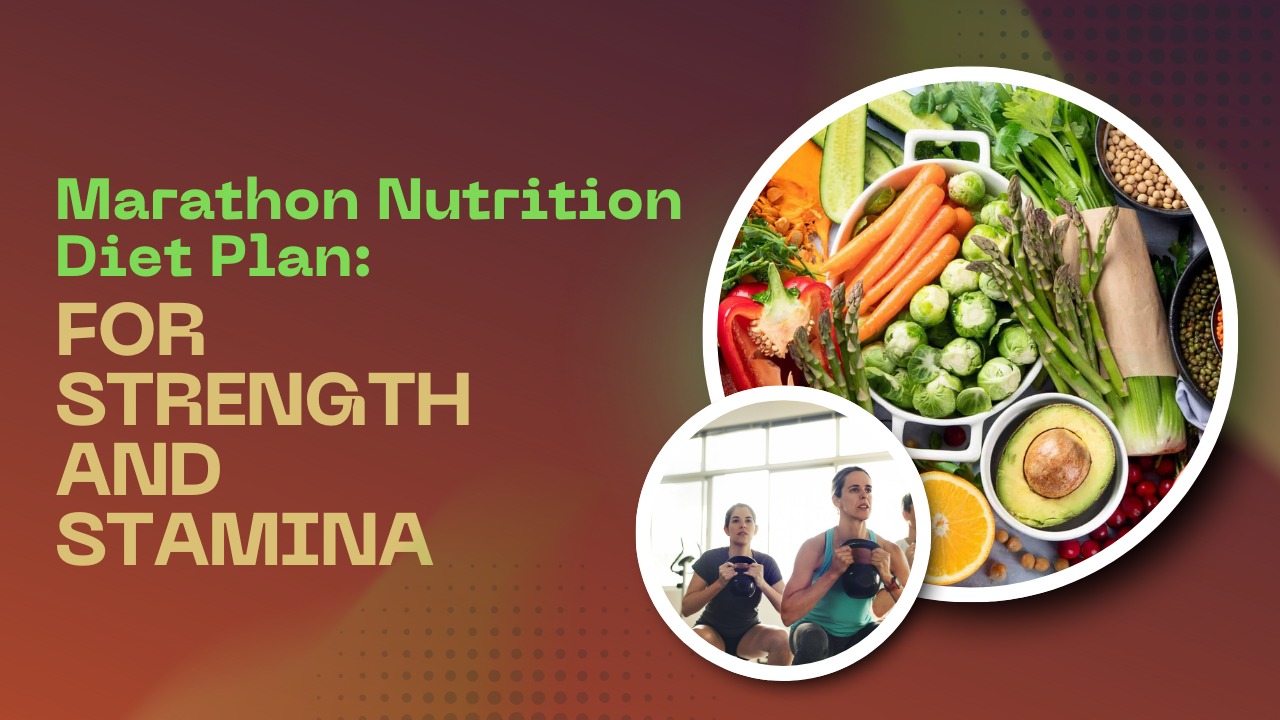
Diet plan go hand in hand when preparing for a marathon. Fueling your body correctly is just as critical as your training sessions. Without a solid nutritional strategy, even the most well-trained athletes can struggle to cross the finish line. Nutrition is not just about what you eat on race day—it’s about building strong eating habits throughout your training journey.
Marathon running demands stamina, endurance, and energy—qualities that are directly influenced by your diet. A proper marathon nutrition diet plan ensures that your body gets the right balance of carbohydrates, proteins, fats, vitamins, and minerals. These nutrients help you train harder, recover faster, and perform better. More importantly, a good diet plan reduces the risk of injuries and fatigue.
Whether you’re a first-time marathoner or a seasoned runner, understanding how to time your meals, hydrate properly, and choose the right foods can dramatically impact your performance. This guide will cover everything you need to know about creating a marathon nutrition diet plan, including top tips, a sample table, ingredients, frequently asked questions, and much more.

What is a Marathon Nutrition Diet Plan ?
A marathon nutrition diet plan is a structured eating and hydration strategy designed to support a runner’s performance and recovery throughout training and on race day. It includes a balanced intake of carbohydrates, proteins, fats, fluids, electrolytes, and essential vitamins and minerals. The plan is tailored to meet the unique energy demands of endurance running, helping the body build stamina, repair muscles, and avoid fatigue.
Unlike regular diets, this plan focuses specifically on timing, quantity, and quality of food around long runs and intense workouts. It includes pre-run meals, mid-run fueling, and post-run recovery. Marathon nutrition is not just about eating healthy—it’s about eating smart and purposefully.
Following a personalized marathon nutrition plan ensures that your body performs at its peak, reduces the risk of hitting the wall during the race, and improves recovery time. It’s a key element of any serious runner’s training toolkit.
Why is a Marathon Nutrition Diet Plan Important ?
A marathon nutrition diet plan is vital because your body needs the right fuel to endure the physical demands of long-distance running. Without proper nutrition, runners risk fatigue, muscle breakdown, dehydration, electrolyte imbalance, and slower recovery. Training alone cannot compensate for a poor diet, especially during peak training weeks or on race day.
Carbohydrates serve as your main energy source, while protein supports muscle repair and growth. Fats provide long-lasting fuel, and micronutrients like iron, magnesium, and calcium help maintain performance and prevent injury. Hydration is equally important, as even slight dehydration can reduce endurance by up to 30%.
Having a solid nutrition plan means your energy levels stay consistent throughout the race. You’re also less likely to experience cramps, dizziness, or gastrointestinal issues. Whether you’re running to finish or aiming for a personal best, good nutrition enhances your stamina, mental clarity, and overall race experience.
When Should You Start a Marathon Nutrition Diet Plan ?
The best time to start a marathon nutrition diet plan is at the beginning of your training cycle—ideally 12 to 16 weeks before race day. This allows your body time to adapt to new foods, hydration routines, and fueling strategies. Early planning gives you a chance to experiment with different types of meals and snacks before long runs.
Incorporating your diet plan from the start helps ensure your energy stores, hydration levels, and muscle recovery are optimized as your mileage increases. Waiting until the last few weeks can lead to digestive issues or ineffective fueling on race day.
Closer to race day, around 3–5 days before the marathon, you should focus on carbohydrate loading and staying fully hydrated. Practicing your race-day nutrition during your long training runs will also help you avoid surprises during the event. Ultimately, your nutrition plan should evolve with your training needs.
How to Create an Effective Marathon Nutrition Diet Plan ?
Creating an effective marathon nutrition diet plan begins with understanding your body’s nutritional needs based on your age, weight, training intensity, and goals. Start by calculating your daily calorie needs, then break that down into appropriate portions of carbohydrates (55–65%), proteins (15–20%), and fats (20–25%).
Meal timing is crucial. Eat a balanced meal 2–4 hours before running and refuel within 30 minutes after finishing. Include pre-run snacks and mid-run fueling like gels or sports drinks during long runs. Hydration should be consistent throughout the day, not just before runs.
Plan your meals around whole foods: complex carbs (brown rice, oats), lean proteins (chicken, tofu), healthy fats (avocados, nuts), and lots of fruits and vegetables. Track your nutrition and energy levels using a journal or app to make adjustments as needed.
Top Tips for a Successful Marathon Nutrition Diet Plan
Carbohydrate Loading – Fuel Your Muscles

Carbohydrate loading is a strategic approach to increase glycogen stores in your muscles before endurance events. By gradually increasing your carbohydrate intake a few days prior to your race, you provide your body with a readily available energy source. This practice helps prevent fatigue during long runs and ensures sustained performance. Including complex carbs like oats, sweet potatoes, and whole grains in your marathon nutrition diet plan can maximize energy storage while maintaining stable blood sugar levels.
A well-structured carbohydrate loading phase should be paired with moderate training tapering. Reducing exercise intensity while consuming carb-rich meals allows your muscles to absorb and store glycogen efficiently. Hydration is equally important, as water helps store glycogen and maintain overall performance. This combination ensures your muscles are fueled for peak endurance during the marathon.
Incorporating carbohydrate loading into your marathon nutrition diet plan enhances stamina, delays exhaustion, and supports overall race readiness. By carefully planning meals and timing carb intake, runners can achieve better results, maintain energy levels, and perform at their best from start to finish.
Ingredients: Whole grain pasta, brown rice, oats, sweet potatoes, fruits.
Carbohydrates are your body’s primary energy source during a marathon. In the week leading up to race day, increase your carbohydrate intake to 70–80% of your total calories. This is known as carbo-loading and it helps maximize glycogen stores in your muscles.
Tip: Begin carb-loading 3–4 days before the race to avoid gastrointestinal discomfort and fatigue.
Prioritize Protein for Muscle Recovery
Ingredients: Chicken breast, tofu, lentils, Greek yogurt, eggs.
Protein helps repair and rebuild muscle tissues that break down during long runs. Aim for 1.2–1.6 grams of protein per kilogram of body weight daily during training.
Tip: Post-run meals should include at least 20–30 grams of high-quality protein for optimal recovery.
Hydration – Don’t Wait Until You’re Thirsty
Ingredients: Electrolyte drinks, coconut water, bananas (potassium), water.
Proper hydration is key to preventing cramps, fatigue, and overheating. Drink water consistently throughout the day, and add electrolytes during long training runs or races.
Tip: Weigh yourself before and after long runs to estimate fluid loss and adjust your intake accordingly.
Pre-Run Meals – Timing Is Everything

Eating the right foods before a long run is crucial for optimal performance. Pre-run meals should focus on easily digestible carbohydrates, moderate protein, and minimal fats to provide sustained energy without causing digestive discomfort. Planning your meals properly ensures your body has the fuel it needs to maintain stamina and avoid fatigue during training or race day. Including a carefully structured marathon nutrition diet plan helps runners understand what to eat and when to eat it for maximum benefit.
Timing plays a critical role in pre-run nutrition. Ideally, a substantial meal should be consumed 2–3 hours before running, giving your body time to digest and convert food into usable energy. For shorter runs, a light snack 30–60 minutes prior can help maintain energy levels without weighing you down. Hydration is equally important, as proper fluid intake supports endurance and prevents cramping.
Integrating these strategies into your marathon nutrition diet plan ensures that energy levels remain stable and performance stays strong. By paying attention to meal composition and timing, runners can optimize endurance, minimize fatigue, and enjoy a smoother, more efficient training and racing experience.
Ingredients: Bagels, oatmeal, peanut butter, bananas, toast with honey.
Eat a high-carb, low-fat, and low-fiber meal 2–4 hours before your run. This helps top off your energy stores without upsetting your stomach.
Tip: Stick to familiar foods before the marathon. Never try something new on race day.
During the Run – Small, Frequent Fueling
Maintaining energy during long runs requires careful attention to fueling. Consuming small amounts of carbohydrates at regular intervals helps keep blood sugar levels steady and prevents fatigue. Energy gels, chews, or easily digestible snacks can provide quick, usable fuel without overloading the stomach. Incorporating these strategies into a well-structured marathon nutrition diet plan ensures runners maintain endurance and performance throughout their run.
Hydration is just as critical as carbohydrate intake. Sipping water or electrolyte drinks frequently helps prevent dehydration and supports optimal muscle function. Combining fluids with small, frequent fueling helps reduce the risk of cramps, dizziness, and mental fatigue, allowing runners to stay focused and maintain their pace over long distances.
A thoughtful approach to fueling during runs is an essential component of any effective marathon nutrition diet plan. By planning what, when, and how much to consume during exercise, runners can sustain energy, avoid “bonking,” and improve overall performance. Consistent in-run fueling supports endurance, strengthens recovery, and enhances the enjoyment of each mile.
Ingredients: Energy gels, sports drinks, raisins, energy bars.
Your body burns 100–150 calories per mile, depending on pace and size. Replenish energy every 30–45 minutes during the marathon with quick-digesting carbs.
Tip: Practice your fueling strategy during training to prevent GI distress on race day.
Post-Run Recovery – The Golden 30 Minutes
After completing a long run, the body enters a critical recovery phase that can significantly influence performance in future sessions. The first 30 minutes post-run are often called the “golden window” because muscles are most receptive to nutrients, allowing for faster repair and glycogen replenishment. Including a balanced mix of carbohydrates and protein immediately after exercise helps restore energy stores and promotes muscle recovery. This practice is a crucial component of any effective marathon nutrition diet plan, ensuring that the body can rebuild and strengthen efficiently.
Hydration is equally important during this recovery period. Replacing lost fluids and electrolytes helps prevent cramping, fatigue, and prolonged soreness. Sports drinks, coconut water, or a simple water-and-salt combination can effectively restore electrolyte balance. Pairing hydration with a post-run snack like yogurt with fruit, a protein shake, or whole-grain toast with nut butter optimizes the recovery process, aligning perfectly with principles of a well-structured marathon nutrition diet plan.
Finally, active recovery strategies such as light stretching or walking enhance circulation, reduce muscle stiffness, and improve overall comfort after running. Prioritizing rest, sleep, and nutrient-rich foods supports long-term training goals, helping runners return to their next session stronger. Following a dedicated marathon nutrition diet plan ensures that every run contributes positively to performance and endurance gains.
Ingredients: Smoothies, chocolate milk, protein bars, turkey sandwiches.
The first 30 minutes after a long run are crucial for recovery. Eat a balanced meal with a 3:1 ratio of carbs to protein.
Tip: Smoothies are an easy and quick way to get recovery nutrients into your system fast.
Micronutrients Matter – Don’t Neglect the Small Stuff

While carbohydrates and proteins often take center stage in a runner’s diet, micronutrients like vitamins and minerals play a crucial role in overall performance and recovery. Iron, calcium, magnesium, zinc, and B-vitamins are particularly important for endurance athletes, as they support oxygen transport, muscle function, and energy metabolism. Deficiencies in these key nutrients can lead to fatigue, poor recovery, and even injury. A well-balanced marathon nutrition diet plan ensures that these small but essential elements are not overlooked, helping runners maintain peak physical condition throughout training.
Incorporating a variety of colorful fruits, vegetables, whole grains, nuts, and seeds is a simple way to meet daily micronutrient needs. Foods rich in antioxidants, such as berries and leafy greens, also help combat oxidative stress caused by long-distance running. By including these foods consistently, athletes can support immune function and reduce inflammation, both critical for sustaining performance. Integrating micronutrient-rich foods into every meal and snack is a cornerstone of an effective marathon nutrition diet plan.
Hydration with mineral-rich fluids, like coconut water or electrolyte beverages, further enhances micronutrient intake while supporting fluid balance. Paying attention to these details allows runners to optimize endurance, recovery, and overall wellbeing. Neglecting micronutrients can compromise results, so following a comprehensive marathon nutrition diet plan that emphasizes both macro- and micronutrients ensures that every aspect of performance is covered.
Ingredients: Leafy greens, nuts, seeds, berries, fortified cereals.
Vitamins and minerals like iron, calcium, magnesium, and B-vitamins are essential for energy production and muscle function.
Tip: Runners, especially women, are at higher risk of iron deficiency—consider getting your levels checked.
Listen to Your Body – Adapt as Needed
Every runner’s body is unique, and what works for one athlete may not work for another. Paying attention to signals like fatigue, hunger, digestive comfort, and energy levels is essential for optimizing performance. Adjusting meals, snacks, and timing according to how your body responds ensures that you get the most out of your training. A flexible marathon nutrition diet plan allows for personal tweaks while maintaining the core principles of balanced fueling and recovery.
During training, some runners may notice they perform better with slightly more carbohydrates before long runs, while others may benefit from additional protein or healthy fats. Experimenting and tracking responses helps refine your approach and avoid common pitfalls like gastrointestinal discomfort or energy crashes. By observing these cues and adjusting accordingly, athletes can prevent overtraining and support steady progress. Incorporating these insights into a structured marathon nutrition diet plan provides a roadmap while leaving room for individual needs.
Recovery is equally important, as your body may require extra calories, hydration, or specific nutrients after particularly intense sessions. By listening carefully and adapting, you can reduce injury risk, enhance endurance, and maintain motivation throughout your training cycle. A responsive marathon nutrition diet plan encourages mindful eating and tailored fueling strategies that evolve with your body’s demands, making preparation more effective and sustainable.
No diet is one-size-fits-all. Pay attention to how your body responds to different foods and fueling strategies. What works for others may not work for you.
Tip: Keep a food and training journal to track what foods boost or hinder your performance.
Sample Marathon Nutrition Diet Plan Table
| Time | Meal | Contents |
|---|
| 6:30 AM (Race Day) | Pre-run Meal | Oatmeal with banana, peanut butter, honey, black coffee |
| During Run | Fueling Every 45 Min | Energy gel, electrolyte drink, water |
| Post-Run | Recovery Meal | Chocolate milk + turkey wrap with spinach and avocado |
| Lunch | Balanced Meal | Grilled chicken, brown rice, steamed broccoli, olive oil dressing |
| Afternoon Snack | Light Snack | Greek yogurt with berries and chia seeds |
| Dinner | Replenishing Meal | Salmon, sweet potato, mixed vegetables, quinoa |
| Evening Snack | Night Recovery | Cottage cheese with almonds and a slice of whole grain toast |
Conclusion

Marathon nutrition diet plan are inseparable when it comes to marathon preparation and performance. While many runners focus solely on mileage and training plans, the food you consume has a direct and powerful effect on your endurance and recovery. A well-balanced diet tailored to your unique body and training load can be the difference between hitting the wall and crushing your goals.
From carb-loading to post-run recovery meals, hydration, and essential micronutrients, every part of your diet plays a role in how well you run and how quickly you bounce back. Implementing these 8 marathon nutrition diet plan tips can transform your training outcomes and help you approach race day with confidence and energy.
Marathon nutrition diet plan strategies require consistency, planning, and personalization. Start experimenting during training to find what works best for your body. With the right fuel in your tank, you’ll not only finish the race—you’ll enjoy the journey every step of the way.
FAQs
Q1. When should I start my marathon nutrition plan ?
Start adjusting your diet at least 8–12 weeks before race day to allow your body to adapt and develop optimal fueling habits.
Q2. What should I eat the night before the marathon ?
Go for a carb-rich dinner with moderate protein and low fat—such as pasta with lean meat and vegetables. Avoid spicy and high-fiber foods.
Q3. How much water should I drink before and during the marathon ?
Drink 16–20 ounces of water 2–3 hours before the race and sip 4–8 ounces every 15–20 minutes during the run, adjusting for heat and sweat rate.
Q4. Are supplements necessary for marathon training ?
Supplements can help if you’re deficient in certain nutrients, but whole foods should be your primary source. Consult a dietitian before adding any supplements.
Q5. What if I feel nauseous during the race ?
This could be due to dehydration, overhydration, or a poorly timed meal. Adjust your fueling strategy, and always test it in training first.