


Oatmeal flour, also known as oat flour, is a wholesome, gluten-free ingredient that has gained popularity among health-conscious cooks and bakers. Made by grinding whole oats into a fine powder, this nutrient-rich flour is packed with fiber, protein, vitamins, and essential minerals. Unlike refined wheat flour, it offers slow-digesting carbohydrates that help sustain energy levels throughout the day. Its naturally mild, nutty flavor also makes it a versatile choice for a variety of baked goods and savory dishes. Because of these qualities, oatmeal flour recipes are often recommended for those who want to maintain a balanced diet without sacrificing taste.
One of the key benefits of oatmeal flour is its role in digestive health. The high fiber content supports gut function and helps regulate blood sugar levels, making it an excellent option for people managing diabetes or trying to improve overall wellness. Additionally, the protein in oatmeal flour helps promote satiety, keeping you full for longer and reducing cravings. Its nutritional profile makes it a powerful substitute for wheat flour in both sweet and savory dishes. From pancakes and muffins to pizza crusts and breads, oatmeal flour recipes open the door to healthier versions of traditional comfort foods without compromising flavor or texture.
Experimenting with oatmeal flour in the kitchen is simple and rewarding. You can use it alone or blend it with other gluten-free flours like almond or coconut flour to create unique flavors and textures. It works well in breakfast favorites such as banana bread, waffles, or cookies, and can even be used to thicken soups, sauces, and smoothies. For anyone looking to eat clean, increase energy, or add more whole grains to their diet, incorporating oatmeal flour recipes into your routine is an easy and delicious way to elevate everyday meals.
Whether you are gluten-intolerant, health-conscious, or simply looking for creative cooking ideas, oatmeal flour recipes can open doors to delicious possibilities. From pancakes and cookies to bread and savory snacks, oatmeal flour can replace or complement other flours in countless ways. In this comprehensive guide, we’ll explore the top 8 tips for making oatmeal flour recipes successful, flavorful, and satisfying.
Why Choose Oatmeal Flour?
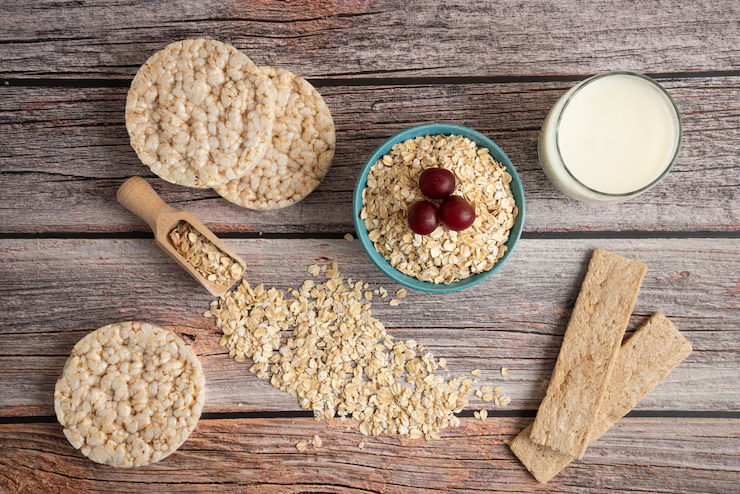
Oatmeal flour is quickly becoming a favorite alternative to traditional wheat flour, and for good reason. Made by grinding whole oats into a soft, fine powder, it retains all the nutrients of oats while offering a light, slightly nutty flavor that works beautifully in many dishes. Rich in fiber, protein, vitamins, and minerals, oatmeal flour supports overall health and provides a slow release of energy, making it a smart choice for anyone who wants to stay energized throughout the day. Whether you’re gluten-sensitive or simply seeking a more nutritious flour option, oatmeal flour recipes are a perfect way to bring wholesome goodness into your kitchen.
Another reason to choose oatmeal flour is its digestive and heart-health benefits. The high fiber content helps regulate blood sugar levels, improve digestion, and promote feelings of fullness, which can assist with weight management. Oatmeal flour is also a natural source of beta-glucan, a type of soluble fiber known to lower cholesterol and support cardiovascular health. For individuals looking to balance their diet or reduce their intake of refined flours, oatmeal flour recipes offer a satisfying and nourishing alternative. From soft baked goods to hearty breakfast options, this flour provides both taste and wellness in every bite.
Versatility is another key reason to embrace oatmeal flour in your cooking and baking. It can be used on its own in simple recipes like pancakes, muffins, and cookies, or blended with other flours to create more complex textures in breads and cakes. Beyond baking, oatmeal flour also works well as a thickener for soups, sauces, and smoothies, adding a boost of nutrients without altering flavors drastically. Choosing oatmeal flour recipes not only allows you to enjoy familiar comfort foods in a healthier way but also inspires creativity in the kitchen, making mealtimes more exciting and nutritious.
Before diving into recipes and tips, let’s understand why oatmeal flour deserves a place in your pantry:
Nutrient-rich – Packed with iron, magnesium, zinc, and B vitamins.
High in fiber – Promotes better digestion and keeps you fuller for longer.
Naturally gluten-free – Perfect for gluten-sensitive individuals (ensure certified gluten-free oats).
Low glycemic index – Helps regulate blood sugar levels.
Versatile texture – Works in both sweet and savory recipes.
Top Tips for Oatmeal Flour Recipes
Start with Homemade Oatmeal Flour
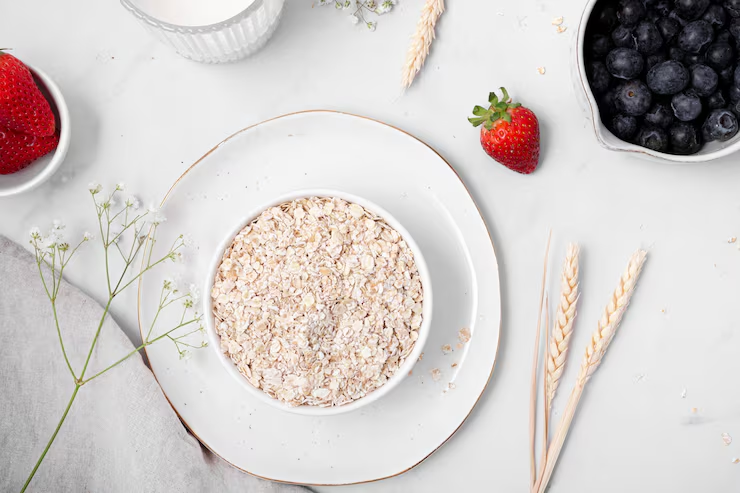
Starting with homemade oatmeal flour is one of the easiest and most rewarding steps you can take toward healthier cooking. All you need is a blender or food processor and a supply of rolled oats. Simply grind the oats until they turn into a fine, flour-like powder, and you have fresh oatmeal flour ready to use. Making it at home ensures freshness, saves money, and allows you to prepare only the amount you need. This simple process makes it easy to incorporate into everyday oatmeal flour recipes without relying on store-bought versions.
Homemade oatmeal flour retains all the natural nutrients found in whole oats, including fiber, protein, and essential vitamins. By preparing it yourself, you can avoid unnecessary additives or preservatives often found in pre-packaged flours. The result is a pure and wholesome ingredient that can be used in both sweet and savory dishes. Oatmeal flour recipes that use homemade flour not only taste better but also provide long-lasting energy and improved digestion, thanks to its rich fiber content.
Once you’ve created your batch, the possibilities are endless. Use it to make fluffy pancakes, chewy cookies, or even hearty bread. It also works perfectly as a thickener for soups or smoothies. By starting with homemade oatmeal flour, you open the door to countless creative and healthy oatmeal flour recipes that can transform your everyday meals into nourishing delights.
One of the best ways to ensure freshness and quality is to make oatmeal flour at home. All you need is rolled oats and a blender or food processor. Grind until the oats form a fine powder, then sift to remove large pieces. Homemade oat flour ensures your recipes have a light texture and maximum nutrition.
Balance Oat Flour with Other Flours
Balancing oat flour with other flours is an important step when experimenting in the kitchen. While oatmeal flour is naturally nutritious and flavorful, it has a softer texture and lacks the gluten found in wheat flour. This means that when used alone, it may not always provide the same structure or rise in baked goods. To get the best results, many bakers combine it with other flours, such as whole wheat, almond, or coconut flour, to achieve the perfect texture and balance. This approach ensures oatmeal flour recipes remain light, fluffy, and enjoyable.
Mixing oatmeal flour with other flours also enhances the overall nutritional profile of your dishes. For example, pairing it with almond flour adds healthy fats and extra protein, while whole wheat flour increases fiber and minerals. This combination not only improves the consistency of your baked goods but also makes them more filling and satisfying. By blending different flours, you can enjoy the health benefits of oats while still achieving the structure and taste you want in recipes like muffins, breads, and cakes.
The key to success is experimenting with different ratios until you find what works best for your preferences. A common starting point is using half oatmeal flour and half of another flour to maintain balance. This simple adjustment helps make oatmeal flour recipes versatile, reliable, and perfect for both everyday meals and special treats.
Oatmeal flour is light and absorbent but lacks gluten, which is necessary for elasticity in baked goods. To achieve the best results, mix it with other flours like almond flour, coconut flour, or even whole wheat flour (if you are not strictly gluten-free). This helps create structure, especially in bread and cakes.
Don’t Forget the Binders
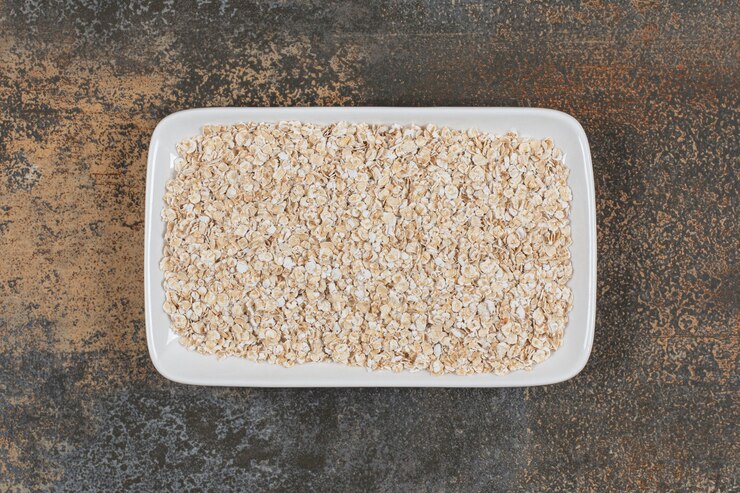
When working with oatmeal flour, it’s important to remember that it does not contain gluten, the protein that provides elasticity and structure in traditional wheat-based baking. Without gluten, baked goods may crumble or fall apart if the right binders aren’t used. This is why adding ingredients like eggs, flaxseed meal, chia seeds, or even applesauce can help provide stability and hold everything together. Including these binders ensures that oatmeal flour recipes turn out soft, moist, and well-structured.
Binders also play a key role in enhancing texture and flavor. For example, flaxseed and chia seeds not only act as natural thickeners but also contribute healthy omega-3 fatty acids and extra fiber. Applesauce adds natural sweetness and moisture, making it perfect for cakes or muffins. Eggs, on the other hand, remain one of the most reliable binders, giving structure and lift to pancakes, cookies, and breads. Choosing the right binder depends on the type of recipe and the dietary needs of those enjoying it.
Experimenting with different binders can elevate your oatmeal flour recipes and make them more versatile. Whether you’re baking a chewy cookie, fluffy muffin, or hearty loaf of bread, using binders ensures the final result is satisfying and delicious. By keeping this step in mind, you can enjoy the full benefits of oatmeal flour while achieving consistent, bakery-quality results at home.
Since oat flour lacks gluten, it’s essential to add binders that help hold recipes together. Popular binders include:
Eggs
Chia seeds or flax seeds (mixed with water to form a gel)
Xanthan gum (commonly used in gluten-free baking)
Adjust Liquid Ratios
One key step when baking with oatmeal flour is adjusting liquid ratios. Because oat flour is highly absorbent, it tends to soak up more liquid than traditional wheat flour. If you substitute it directly without adjusting, your baked goods may turn out dry or dense. To prevent this, simply add a little extra milk, water, or other liquid ingredients to the batter. Making this adjustment allows oatmeal flour recipes to stay moist, tender, and enjoyable.
This added moisture not only balances texture but also enhances flavor. For instance, increasing the liquid in muffin or pancake batters helps create a fluffy, light consistency. Similarly, adding extra liquid to bread or cake recipes ensures they rise properly and don’t become overly crumbly. Paying attention to this small but important detail is what makes oatmeal flour recipes successful, even for beginner bakers. The extra hydration complements the natural nutty taste of oats, resulting in dishes that are both wholesome and satisfying.
Since every recipe is different, the exact amount of liquid needed may vary. A good starting point is to increase liquid ingredients by two to three tablespoons per cup of oatmeal flour used. With practice and experimentation, you’ll quickly learn how to find the right balance for each dish. By adjusting liquid ratios carefully, you can transform your oatmeal flour recipes into moist, flavorful creations every time.
Oat flour absorbs more liquid than wheat flour. If you swap wheat flour for oat flour in a recipe, you may need to increase the liquid (water, milk, or plant-based milk). Without adjustments, the result may be dry or crumbly.
Incorporate Natural Sweeteners & Flavors
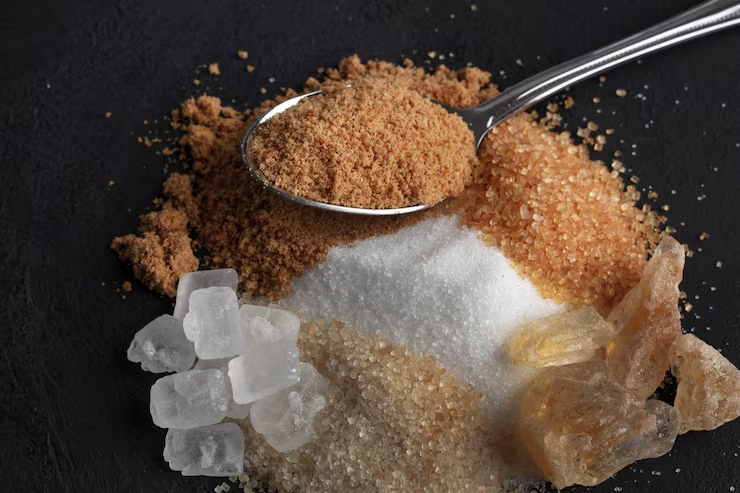
Incorporating natural sweeteners and flavors is a great way to enhance oatmeal flour recipes while keeping them healthy and wholesome. Since oatmeal flour has a mild, slightly nutty taste, it pairs beautifully with natural ingredients like honey, maple syrup, coconut sugar, or mashed bananas. These options not only add sweetness but also bring additional nutrients, making your baked goods more nourishing compared to using refined sugar. This approach allows you to enjoy delicious treats without sacrificing health goals.
Natural flavors also play an important role in creating variety and depth in your cooking. Ingredients such as vanilla extract, cinnamon, nutmeg, or even cocoa powder complement oatmeal flour perfectly and can transform simple recipes into flavorful delights. For example, adding a touch of cinnamon to muffins or a splash of vanilla to pancakes can make your dishes feel warm, aromatic, and comforting. Oatmeal flour recipes benefit greatly from these natural boosters, which bring out the best in the flour’s wholesome flavor.
By combining natural sweeteners and flavors, you can easily customize your oatmeal flour recipes to suit different tastes and occasions. From breakfast staples like waffles and banana bread to indulgent cookies or cakes, these small additions make your dishes both healthier and more satisfying. This simple strategy ensures your meals are not only nutritious but also irresistibly delicious.
Oat flour has a naturally mild, nutty taste. Enhance this by pairing it with natural sweeteners and flavorings:
Honey, maple syrup, or coconut sugar
Cinnamon, nutmeg, or vanilla extract
Fresh fruits like bananas, apples, or berries
Use Oatmeal Flour Beyond Baking
Oatmeal flour isn’t just for baked goods—it’s a versatile ingredient that can be used in many everyday meals. Beyond breads, muffins, and cookies, oatmeal flour works wonderfully as a thickener for soups, stews, and sauces. Its fine texture blends easily into liquids, creating a smooth consistency while adding extra nutrients like fiber and protein. By incorporating it into savory dishes, you can expand the variety of oatmeal flour recipes in your diet and enjoy its benefits in more ways than one.
This flour is also excellent for coating and binding. For instance, you can use it to bread chicken or fish as a healthier alternative to traditional breadcrumbs. It adds a light crunch while keeping the dish gluten-free. Similarly, oatmeal flour can be mixed into veggie burgers or meatballs as a binder, giving them structure without the need for processed fillers. These creative uses show how oatmeal flour recipes go far beyond sweet treats and can enhance savory meals as well.
Even breakfast favorites benefit from this versatile flour. Stir a spoonful into your morning smoothie for added thickness and nutrition, or mix it into yogurt for a hearty boost. With so many applications, using oatmeal flour beyond baking allows you to make every meal more wholesome. Oatmeal flour recipes are truly limitless, helping you create healthy, balanced dishes throughout the day.
While pancakes, muffins, and cookies are classic oatmeal flour recipes, don’t stop there. Oat flour can be used in savory dishes and daily meals:
As a thickener in soups, stews, and sauces
As breading for chicken, fish, or vegetables
For homemade tortillas, flatbreads, or pizza crust
In energy balls, granola bars, or smoothies
Mind the Texture & Density
When working with oatmeal flour, it’s important to be mindful of its texture and density. Unlike wheat flour, oatmeal flour has a finer consistency but also tends to be denser and heavier in baked goods. This can sometimes result in muffins, cakes, or breads that feel thick or compact. To balance this, you may need to adjust your recipes by combining oatmeal flour with lighter flours, adding more liquid, or incorporating ingredients like eggs and baking powder for extra lift. These small changes help oatmeal flour recipes maintain a soft and fluffy texture.
Texture also plays a big role in how oatmeal flour interacts with other ingredients. Its high fiber content makes it absorb more liquid, which can give baked goods a chewy consistency if not balanced properly. For cookies or brownies, this chewiness can be a benefit, but for items like cakes or pancakes, you’ll want a lighter crumb. Paying attention to the texture allows you to fine-tune your oatmeal flour recipes so they turn out exactly as you’d like, whether soft, chewy, or airy.
The key is experimentation and adjustment. Start by replacing only part of the wheat flour in a recipe with oatmeal flour, then gradually increase as you learn how it behaves. This mindful approach ensures oatmeal flour recipes are not only nutritious but also enjoyable in taste and texture, making them a reliable choice for everyday cooking and baking.
Baked goods with oat flour often turn out denser compared to wheat flour recipes. To counter this, consider:
Adding baking powder or baking soda for extra lift
Whipping eggs or aquafaba (chickpea water) for fluffiness
Using applesauce or yogurt for moist texture
Experiment & Customize
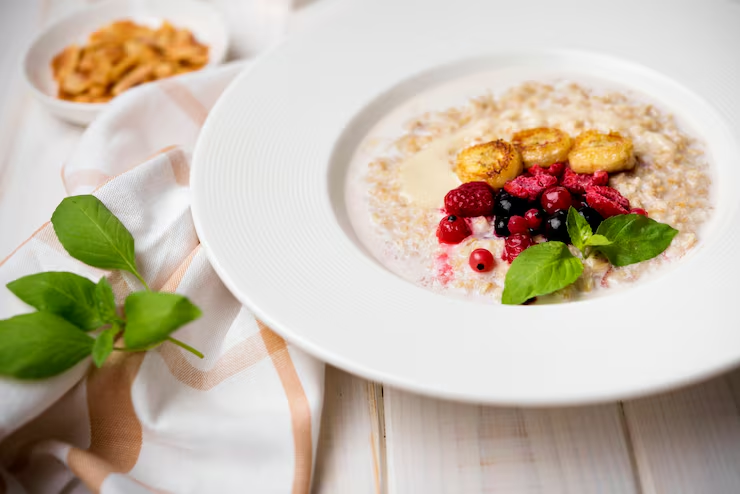
One of the best things about oatmeal flour is how easy it is to experiment and customize recipes to your taste. Its mild, nutty flavor makes it a perfect base for both sweet and savory dishes, giving you plenty of room to get creative in the kitchen. You can start by tweaking classic favorites like pancakes, muffins, or cookies with oatmeal flour to add a wholesome twist. Over time, experimenting with different ingredients and techniques will help you discover unique oatmeal flour recipes that fit your lifestyle and preferences.
Customization also allows you to cater to specific dietary needs. For instance, blending oatmeal flour with almond or coconut flour creates gluten-free options with richer textures. Adding natural sweeteners like honey or maple syrup can make desserts healthier, while incorporating seeds, nuts, or dried fruits boosts nutrition and flavor. With oatmeal flour recipes, you’re not limited to traditional methods—you can adjust ratios, swap binders, or play with spices to achieve exactly the results you want.
Most importantly, experimenting makes cooking with oatmeal flour fun and versatile. You can create everything from hearty breads and pizza crusts to energy bars and smoothies. By customizing oatmeal flour recipes, you’re able to make meals that are not only nutritious but also uniquely yours, ensuring every dish is both healthy and satisfying.
The beauty of oatmeal flour recipes lies in their flexibility. Feel free to customize recipes according to your taste and dietary needs:
Make protein pancakes by adding protein powder.
Try savory herb muffins with oat flour and cheese.
Bake gluten-free brownies with oat flour and almond butter.
Nutritional Benefits of Oatmeal Flour Recipes
Weight management – Keeps you full longer, reducing cravings.
Heart health – Beta-glucan fiber helps lower cholesterol.
Energy boost – Provides slow-releasing carbohydrates.
Improved digestion – High fiber supports gut health.
Blood sugar control – Great for people with diabetes.
Conclusion
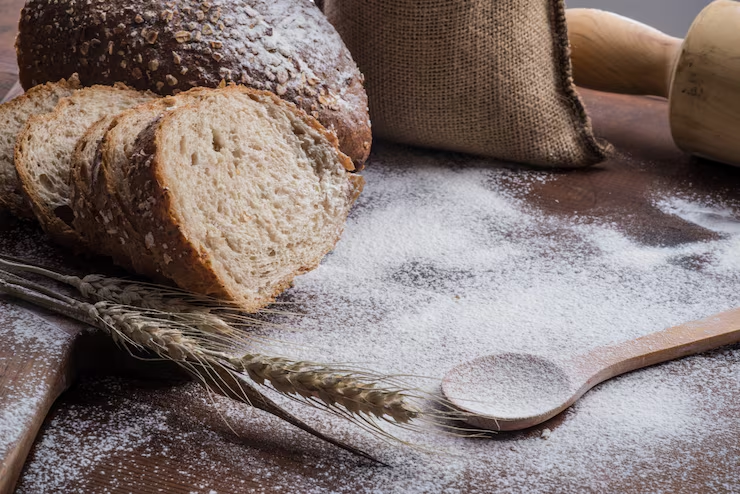
Oatmeal flour is a powerhouse ingredient that brings both nutrition and versatility to the kitchen. Packed with fiber, protein, and essential vitamins, it offers a wholesome alternative to traditional flours. Its mild, nutty flavor pairs well with countless ingredients, making it easy to use in both sweet and savory dishes. By incorporating oatmeal flour recipes into your routine, you can enjoy meals that are not only delicious but also supportive of your overall health and energy levels.
What makes oatmeal flour even more appealing is its adaptability. From homemade flour to combining it with other flours, adjusting liquid ratios, and experimenting with natural sweeteners or binders, there are endless ways to perfect your dishes. These small tweaks allow you to maintain great texture and flavor while reaping the nutritional benefits of oats. Whether you’re making breakfast staples, baked goods, or even savory meals, oatmeal flour recipes offer endless opportunities for creativity.
In the end, choosing oatmeal flour is about more than just a healthier ingredient—it’s about embracing a lifestyle of mindful eating and balance. By experimenting, customizing, and using it beyond baking, you open the door to a wide variety of nourishing and satisfying meals. With so many possibilities, oatmeal flour recipes can easily become a staple in your kitchen, helping you create wholesome dishes every day.
FAQs
Q1. Is oatmeal flour the same as oat flour?
Yes, oatmeal flour and oat flour are the same thing. Both are made by grinding rolled oats, quick oats, or steel-cut oats into a fine powder. The term may vary depending on the brand or recipe, but they are interchangeable in use.
Q2. Can I substitute oatmeal flour for all-purpose flour in recipes?
You can replace part or all of the all-purpose flour with oatmeal flour, but it may change the texture and density of the dish. Since oatmeal flour is gluten-free, it’s often best to blend it with other flours or add binders like eggs, chia seeds, or flaxseeds to achieve structure in baked goods.
Q3. Is oatmeal flour gluten-free?
Naturally, oatmeal flour is gluten-free, but cross-contamination can occur if the oats are processed in facilities that handle wheat. To ensure safety for people with celiac disease or gluten sensitivity, always choose certified gluten-free oatmeal flour.
Q4. What kinds of recipes can I make with oatmeal flour?
Oatmeal flour recipes include pancakes, muffins, cookies, bread, pizza crusts, smoothies, and even savory items like soups and sauces. Its versatility makes it a great ingredient for both sweet and savory dishes.
Q5. How should I store oatmeal flour?
Store oatmeal flour in an airtight container in a cool, dry place. For longer shelf life, keep it in the refrigerator or freezer to prevent it from going rancid, as oats contain natural oils that can spoil over time.