

Indulging in a cheesecake can often feel like a guilty pleasure, but with the right approach, you can enjoy a dessert that is both satisfying and nourishing. A healthy cheesecake recipe allows dessert lovers to enjoy the creamy texture and rich flavors without compromising on nutrition. This type of cheesecake focuses on using wholesome ingredients, reducing sugar, and incorporating elements that provide additional health benefits. The concept of a healthy cheesecake transforms a traditional indulgence into a guilt-free treat that can be enjoyed by anyone, from fitness enthusiasts to casual dessert lovers.
One of the main advantages of a healthy cheesecake recipe is that it combines taste with wellness. Ingredients such as Greek yogurt, low-fat cream cheese, natural sweeteners, and nutrient-dense crusts help maintain the classic cheesecake experience while boosting its nutritional value. Whether you want a dessert that supports weight management, stabilizes blood sugar, or simply fits a balanced diet, healthy cheesecakes offer a practical and delicious solution. This makes it possible to enjoy a dessert without feeling deprived or compromising your health goals.
Moreover, creating a healthy cheesecake recipe at home provides control over every ingredient. Unlike store-bought options, homemade versions allow for customization, catering to dietary preferences such as gluten-free, low-carb, or plant-based alternatives. By choosing natural, high-quality ingredients, you ensure that each slice delivers flavor, texture, and nourishment. Exploring the world of healthy cheesecakes opens up a variety of options for dessert lovers, making it a versatile addition to any recipe collection.
Why Choose a Healthy Cheesecake Recipe
The choice of a healthy cheesecake recipe is not just about avoiding calories; it is about promoting a balanced lifestyle. Traditional cheesecakes often contain high amounts of sugar, refined flour, and saturated fat, which can contribute to weight gain and health complications. A healthy alternative replaces these ingredients with wholesome options, allowing you to enjoy a dessert that supports overall wellness. This makes it easier to maintain a healthy lifestyle without sacrificing the pleasure of eating a delicious dessert.
A healthy cheesecake recipe can also be tailored to individual dietary needs. Whether you are looking for a low-sugar, gluten-free, or protein-rich dessert, these recipes offer flexibility. Using natural sweeteners, whole-grain or nut-based crusts, and low-fat dairy products ensures that your cheesecake meets both your taste and nutritional requirements. This adaptability makes healthy cheesecakes suitable for a wide range of lifestyles and dietary goals, providing a dessert that everyone can enjoy without guilt.
Another significant reason to opt for a healthy cheesecake recipe is the focus on nutrient density. By incorporating ingredients rich in vitamins, minerals, and protein, each bite becomes more than just a treat. Elements such as fresh fruits, nuts, seeds, and Greek yogurt add essential nutrients while enhancing the flavor profile. As a result, healthy cheesecakes can support energy levels, promote satiety, and contribute to overall well-being, making dessert a functional part of your diet rather than a source of empty calories.
What Makes a Cheesecake Healthy
A healthy cheesecake recipe relies on thoughtful ingredient selection to reduce unhealthy fats and sugars while enhancing nutritional value. Key components include low-fat or fat-free cream cheese, Greek yogurt, and natural sweeteners such as honey or maple syrup. These ingredients maintain the creamy texture and sweetness expected from a cheesecake while reducing calories and improving nutrient content. Replacing refined flours with almond meal or oats also increases fiber content, promoting better digestion and prolonged satiety.
The crust of a healthy cheesecake recipe plays an important role in overall nutrition. Using nuts, seeds, or whole grains instead of traditional butter-laden cookies adds healthy fats, protein, and fiber. These substitutions not only improve the nutritional profile but also enhance flavor and texture, making the crust more satisfying and wholesome. Additionally, natural binding agents like dates or nut butters can replace processed sugars or syrups, keeping the cheesecake completely natural.
Another essential factor in a healthy cheesecake recipe is portion control. Even with healthier ingredients, moderation is key to maintaining balance. Pre-portioning your cheesecake into smaller slices ensures that you enjoy the dessert without overindulging. By focusing on mindful eating and proper serving sizes, you can indulge in cheesecake while still supporting your health goals. Combining nutrient-rich ingredients, wholesome crusts, and controlled portions makes a healthy cheesecake both enjoyable and guilt-free.
How to Make a Healthy Cheesecake Recipe
Creating a healthy cheesecake recipe at home requires planning and a few strategic ingredient swaps. Start with selecting a low-fat cream cheese or Greek yogurt base. These options maintain the creamy consistency of traditional cheesecake while reducing saturated fat and calories. Incorporate natural sweeteners like honey, maple syrup, or stevia to achieve sweetness without spiking blood sugar levels. Using a food processor ensures smooth texture and even blending of ingredients.
Next, focus on the crust. A healthy cheesecake recipe can feature a crust made from crushed nuts, oats, or whole-grain cookies, bound together with a small amount of coconut oil or nut butter. Press the mixture into a springform pan to form a sturdy base. The crust not only provides texture and flavor but also increases fiber and protein content, making the dessert more filling and nutritious.
Finally, baking or refrigerating the cheesecake depends on the recipe type. Some healthy cheesecake recipes require no baking, using chilled ingredients to set, while others bake briefly to create a firmer texture. Add fresh fruits, berries, or a light drizzle of natural syrup for added flavor and nutrients. Garnishing with seeds or nuts enhances visual appeal and adds texture. Following these steps ensures that your cheesecake is both delicious and aligned with health-conscious eating habits.
Key Ingredients in a Healthy Cheesecake Recipe
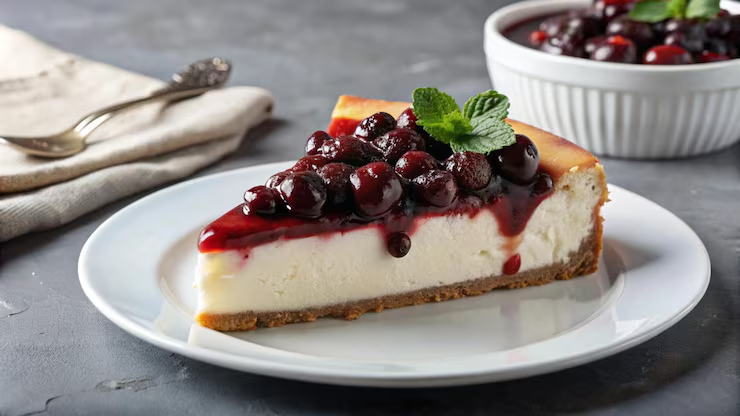
A healthy cheesecake recipe starts with quality, nutrient-rich ingredients that balance flavor and nutrition. Traditional cheesecake is often high in sugar and fat, but a healthier version can use alternatives like Greek yogurt or low-fat cream cheese. These substitutions maintain the creamy texture while reducing calories and saturated fat. Incorporating natural sweeteners such as honey, maple syrup, or stevia instead of refined sugar also enhances flavor without spiking blood sugar levels.
The crust is another important element in a healthy cheesecake recipe. Instead of a traditional buttery graham cracker base, consider using whole-grain oats, almond flour, or crushed nuts. These options add fiber, protein, and healthy fats, promoting satiety and better digestion. Lightly binding the crust with coconut oil or unsweetened applesauce can further reduce unhealthy fat content while maintaining a crisp, satisfying texture.
Finally, flavoring and toppings can elevate a healthy cheesecake recipe without compromising nutrition. Fresh fruits like berries, sliced kiwi, or pomegranate seeds add natural sweetness, antioxidants, and vitamins. A hint of vanilla extract, lemon zest, or cinnamon can provide depth of flavor without added sugar. By choosing wholesome ingredients and smart substitutions, a healthy cheesecake can be both indulgent and nourishing, allowing you to enjoy dessert guilt-free.
Low-Fat Cream Cheese: Reduces saturated fat while maintaining creamy texture, crucial for a guilt-free cheesecake.
Greek Yogurt: Adds protein, improves texture, and enhances nutritional content with probiotics.
Natural Sweeteners: Honey, maple syrup, or stevia provide sweetness without empty calories.
Nut-Based Crusts: Almonds, walnuts, or cashews add fiber, protein, and healthy fats.
Oats or Whole Grains: Offer fiber, improve digestion, and enhance crust structure.
Fresh Fruits: Provide antioxidants, vitamins, and natural flavor while keeping sugar content low.
Eggs or Egg Substitutes: Act as binding agents while adding protein and structure.
Top 8 Tips for a Healthy Cheesecake Recipe
Choose Low-Fat or Greek Yogurt-Based Cheese🧀
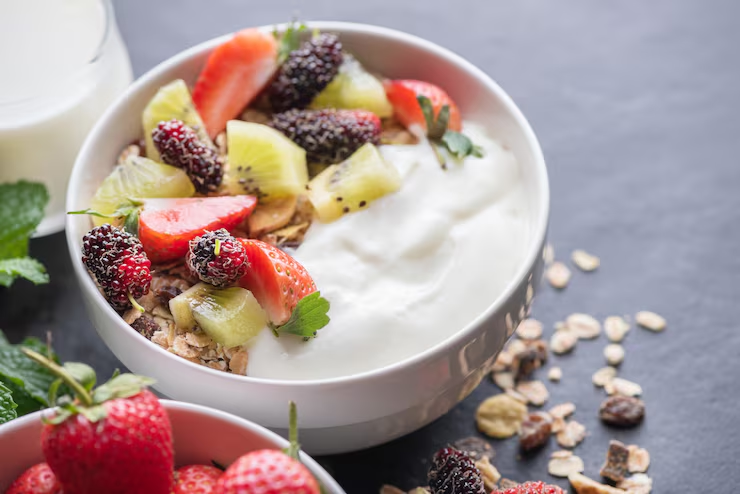
A healthy cheesecake recipe begins with choosing the right type of cheese. Traditional cream cheese is delicious but high in saturated fat and calories. By opting for low-fat cream cheese or Greek yogurt, you can enjoy the creamy texture you love without compromising health. Greek yogurt, in particular, adds a slight tanginess that enhances the flavor profile while also providing a significant protein boost.
Using Greek yogurt in a healthy recipe ensures that the dessert is not only lighter but also more filling. Protein in the yogurt slows digestion, keeping you satisfied for longer and preventing spikes in blood sugar. Additionally, this approach maintains the smooth, velvety consistency that is essential to cheesecake, making it difficult to distinguish from the traditional version.
Incorporating low-fat cheese or yogurt in a healthy cheesecake recipe also makes it a heart-friendly dessert. Reducing saturated fats can lower cholesterol levels, support cardiovascular health, and contribute to overall wellness. This simple substitution proves that you don’t need to sacrifice flavor to create a guilt-free cheesecake.
Replace Refined Sugar with Natural Sweeteners🍯
A healthy cheesecake recipe doesn’t need to rely on refined sugar, which can cause rapid spikes in blood glucose levels. Instead, consider natural sweeteners such as honey, maple syrup, or stevia. These alternatives provide a pleasant sweetness while adding trace nutrients like antioxidants and minerals, depending on the choice of sweetener.
Using natural sweeteners in a healthy recipe also allows for flavor customization. For example, a drizzle of honey adds a floral note, while maple syrup brings a rich, caramel-like flavor. Stevia or monk fruit can be used to lower calories even further without affecting taste, making your cheesecake suitable for those managing weight or blood sugar.
Replacing sugar in a healthy cheesecake recipe is a simple but impactful change. You can maintain the traditional indulgent taste while creating a dessert that supports long-term health goals. This method ensures your cheesecake remains both delicious and mindful.
Opt for Whole-Grain or Nut-Based Crusts🌰
The crust plays a crucial role in a healthy cheesecake recipe. Traditional graham cracker crusts often contain refined flour and sugar, but whole-grain oats, almond flour, or finely crushed nuts provide a nutrient-dense alternative. These ingredients contribute fiber, protein, and healthy fats while maintaining a satisfying crunch.
A nut-based or oat crust in a cheesecake recipe not only improves nutrition but also adds unique flavors. Almonds, walnuts, or pecans introduce a subtle nuttiness, while oats offer a wholesome texture. These elements complement the creamy filling perfectly, enhancing the overall taste experience.
By choosing whole-grain or nut crusts in a healthy cheesecake recipe, you also benefit from slower-digesting carbohydrates. This helps regulate blood sugar, promotes better digestion, and provides lasting energy. A simple crust swap makes a significant difference in both healthfulness and flavor.
Incorporate Fresh Fruits for Flavor and Nutrition🍓
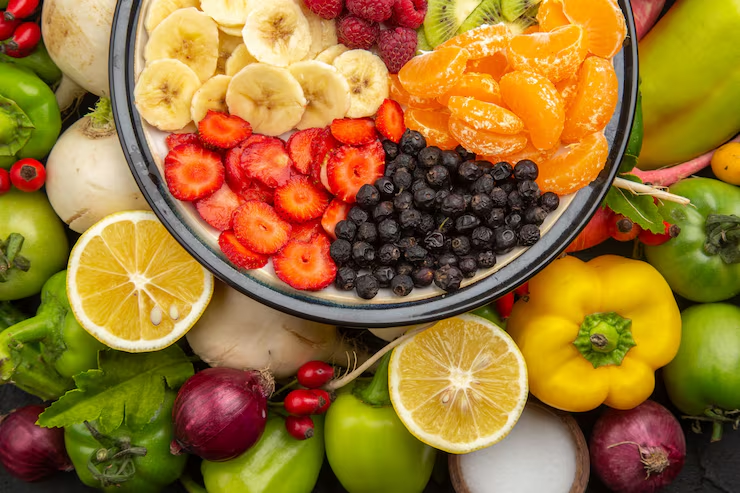
Fresh fruits are an excellent addition to a cheesecake recipe. Berries, kiwi, or pomegranate seeds provide natural sweetness, vibrant color, and an array of vitamins and antioxidants. Fruits enhance both taste and visual appeal, making your cheesecake as beautiful as it is nutritious.
Adding fruits to a healthy cheesecake recipe also introduces additional fiber, which promotes digestive health and supports satiety. The tartness of certain fruits, such as raspberries or cranberries, can balance the creamy richness of the cheesecake, creating a well-rounded flavor profile that delights the palate.
Incorporating fresh fruits into a healthy cheesecake recipe is a versatile choice. You can layer fruits within the filling, swirl them into the mixture, or use them as a decorative topping. These additions transform the dessert into a guilt-free indulgence packed with nutrients.
Limit Added Fats with Healthier Alternatives🥥
A healthy cheesecake recipe doesn’t need to rely on large amounts of butter or heavy cream. You can substitute these with healthier alternatives like coconut oil, unsweetened applesauce, or avocado. These swaps reduce saturated fat while still contributing to a creamy and moist texture.
Using healthier fats in a healthy cheesecake recipe provides benefits beyond calorie reduction. Coconut oil, for example, contains medium-chain triglycerides (MCTs) that can be used as a quick source of energy. Avocado adds healthy monounsaturated fats, which are beneficial for heart health, without compromising taste.
Incorporating healthier fat alternatives in a healthy recipe allows you to enjoy a rich, indulgent dessert without guilt. It’s a simple adjustment that maintains texture, enhances nutritional value, and supports overall wellness.
Portion Control and Serving Size Matter🍴
Even a healthy cheesecake recipe can become high-calorie if serving sizes are too large. Preparing small, manageable slices ensures you enjoy dessert without overindulging. Portion control is essential for maintaining balanced nutrition while still enjoying sweet treats.
Mindful portioning in a healthy recipe encourages moderation. Pairing each slice with a light topping, like fresh berries or a drizzle of natural sweetener, enhances satisfaction and allows you to savor each bite fully. Controlled portions also make it easier to share dessert without excess consumption.
Maintaining appropriate serving sizes in a healthy cheesecake recipe is particularly beneficial for weight management. It ensures that you enjoy the indulgent flavors of cheesecake while staying consistent with your health and dietary goals.
Add Flavor with Natural Extracts and Spices🌿
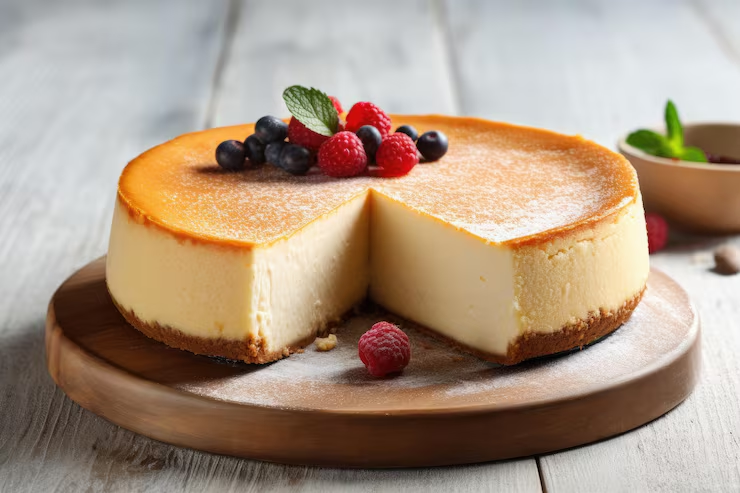
Flavoring a healthy cheesecake recipe doesn’t require extra sugar or fat. Natural extracts such as vanilla, almond, or citrus zest can create depth of flavor, while spices like cinnamon, nutmeg, or cardamom add warmth and aroma.
Using extracts and spices in a cheesecake recipe enhances the sensory experience without increasing calories. They complement the creamy filling and can highlight other healthy ingredients, such as Greek yogurt or fresh fruit, creating a harmonious taste profile.
Incorporating natural flavor enhancers into a healthy cheesecake is a clever way to elevate dessert quality. These simple ingredients allow for creativity while keeping the dessert consistent with health-conscious choices, resulting in a more satisfying and aromatic experience.
Chill Properly for Best Texture❄️
Proper chilling is essential in a cheesecake recipe. Allowing the cheesecake to set in the refrigerator for several hours, or ideally overnight, ensures a firm, creamy texture. Chilling allows the ingredients to meld together, enhancing the overall flavor.
Chilling in a healthy cheesecake recipe prevents issues like a soggy crust or watery filling. It also allows the flavors to intensify naturally, giving you a richer taste experience without the need for extra sugar or fat. Proper refrigeration is key to achieving a professional-quality dessert at home.
Following the chilling step in a healthy cheesecake recipe ensures that your cheesecake maintains its structure and taste. It’s the final, crucial step that transforms a simple dessert into a decadent yet health-conscious treat.
Conclusion
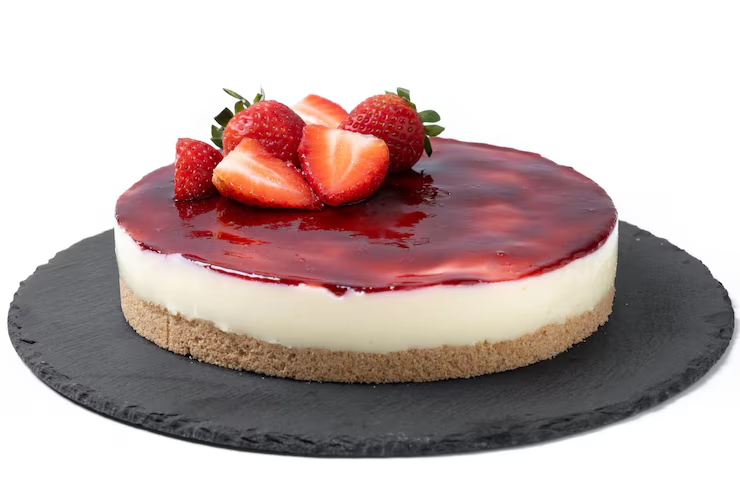
Creating a healthy cheesecakee flavor, texture, and nutrition 🥧. By selecting low-fat or Greek yogurt-based cheese, natural sweeteners, and wholesome crusts, you can enjoy a dessert that feels indulgent without compromising your health goals. The right ingredients make all the difference, ensuring that each bite is creamy, satisfying, and packed with essential nutrients like protein, fiber, and antioxidants 🍓.
Beyond ingredients, thoughtful preparation is key to a successful healthy cheesecake recipe. Incorporating fresh fruits, natural extracts, and spices elevates both flavor and visual appeal, creating a dessert that looks as delightful as it tastes 🌿. Portion control and proper chilling are equally important, as they ensure the cheesecake maintains the perfect texture and allows you to enjoy it guilt-free. Even with lighter alternatives, a well-prepared healthy recipe can rival traditional versions in richness and indulgence.
Ultimately, a healthy cheesecake recipe proves that desserts can be both delicious and nourishing ❤️. With a few simple swaps and mindful techniques, you can create a cheesecake that satisfies your sweet cravings while supporting your wellness journey. Whether for special occasions or everyday treats, this approach transforms a classic dessert into a guilt-free indulgence. By embracing creativity, natural ingredients, and healthy alternatives, you can enjoy the joy of dessert without compromising on health—truly making every slice a rewarding and wholesome experience 🥄.
FAQs
Q1. What makes a cheesecake “healthy”? 🥧
A cheesecake is considered healthy when it uses nutrient-rich, lower-calorie ingredients without compromising taste. A healthy cheesecake typically includes low-fat or Greek yogurt-based cheese, natural sweeteners like honey or stevia, and whole-grain or nut-based crusts. Fresh fruits, spices, and natural extracts can enhance flavor while keeping the dessert guilt-free.
Q2. Can I make a healthy recipe without sugar? 🍯
Yes! You can replace refined sugar with natural sweeteners such as honey, maple syrup, or stevia. These options maintain sweetness and flavor while reducing calorie content and avoiding blood sugar spikes. Using these alternatives is a simple way to enjoy a healthy cheesecake that satisfies your sweet cravings.
Q3. What’s the best crust for a healthy recipe? 🌰
Instead of a traditional buttery graham cracker crust, choose whole-grain oats, almond flour, or crushed nuts. These options are high in fiber and healthy fats, making your cheesecake more filling and nutritious. A well-chosen crust enhances taste and texture while keeping your cheesecake recipe wholesome.
Q4. How can I make my healthy cheesecake recipe creamy without extra fat? 🧀
Using Greek yogurt or low-fat cream cheese helps achieve a creamy texture with less fat. You can also use unsweetened applesauce or coconut oil in small amounts to maintain smoothness. Proper blending and chilling are crucial to get the perfect consistency in your healthy recipe.
Q5. How long should I chill my cheesecake recipe? ❄️
For best results, chill your cheesecake for at least 4–6 hours, preferably overnight. Proper refrigeration allows the flavors to meld and the texture to set perfectly, giving your healthy cheesecake a rich, firm, and creamy finish every time.