

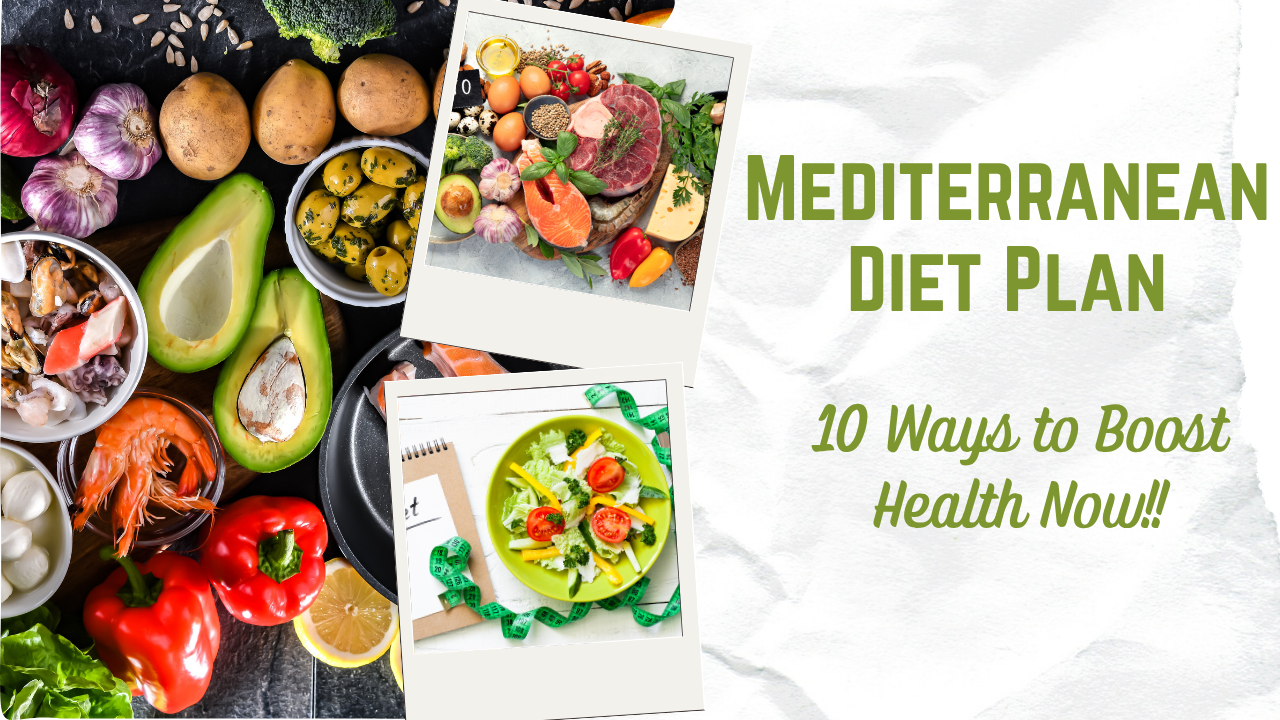
The Mediterranean Diet Plan has become one of the most respected nutritional approaches in the world, appreciated for its ability to support long-term wellness, heart health, and sustainable weight management. This eating style originates from the traditional dietary patterns of Mediterranean countries such as Greece, Italy, and Spain. Over the years, the Mediterranean Diet has gained scientific recognition for its balance, simplicity, and naturally health-boosting foods. In a world full of restrictive diets, this plan stands out because it focuses on abundance — not deprivation. By emphasizing whole foods, flavorful ingredients, and nutrient-rich meals, the Mediterranean Diet Plan provides a positive foundation for healthy living.
Many people today are overwhelmed by complicated diets that require extreme calorie counting or exclude entire food groups. In contrast, the Mediterranean Diet offers a refreshing, flexible, and enjoyable path. Instead of pushing unrealistic rules, it encourages a balanced lifestyle grounded in mindful eating, seasonal produce, healthy fats, and satisfying meals. This is why so many nutritionists recommend the Mediterranean Diet Plan not as a short-term diet but as a sustainable daily approach. It creates a positive relationship with food — one that is pleasurable, nutritious, and easy to maintain long-term. 😊
What makes the Mediterranean Diet even more appealing is its evidence-backed connection to improved longevity and reduced risk of chronic diseases. The Mediterranean region has long been recognized for having populations with low rates of heart disease, obesity, and lifestyle-related illnesses. Their secret lies not in difficult diet rules but in a balanced lifestyle that blends wholesome meals with physical activity, social connection, and relaxed eating practices. By adopting the Mediterranean Diet Plan, individuals across the globe can experience the vibrant and nourishing benefits that Mediterranean cultures have enjoyed for centuries.
What Is the Mediterranean Diet Plan?
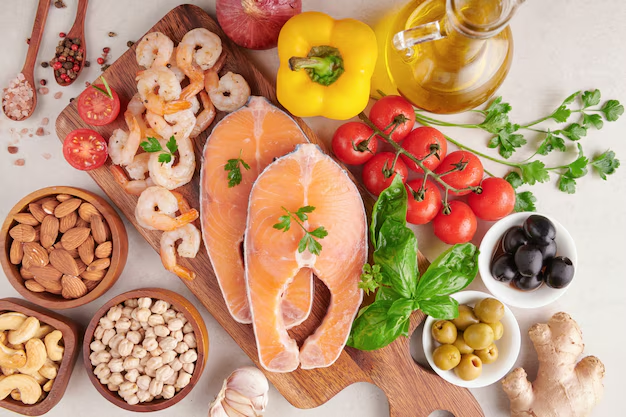
The Mediterranean Diet Plan is a nutritional approach based on the traditional eating habits of people living along the Mediterranean Sea. It focuses on fresh fruits, vegetables, whole grains, olive oil, legumes, lean proteins, herbs, and spices. Rather than viewing food through a restrictive lens, the Mediterranean Diet highlights nourishment and enjoyment. It is designed to support everyday health with minimal rules and maximum flavor. Unlike trend-based diets, the Mediterranean Diet has stood the test of time as one of the most beneficial eating patterns ever studied.
At the core of the Mediterranean Diet Plan is the use of heart-healthy fats, especially extra-virgin olive oil. This healthy fat is packed with antioxidants and has been shown to support cardiovascular health. The plan also emphasizes plant-based foods, encouraging individuals to fill their plates with colorful produce and fiber-rich ingredients. Protein sources such as fish, poultry, beans, nuts, and seeds are preferred over red meat, creating a balanced approach to nutrition that fuels energy and supports long-term wellness.
Another defining feature of the Mediterranean Diet is its emphasis on mindful eating and cultural enjoyment. Meals are often shared with family or friends, promoting emotional well-being alongside physical health. This positive lifestyle component sets the Mediterranean Diet Plan apart from restrictive diets that lead to guilt, stress, or burnout. Instead, this plan encourages relaxed dining, slow eating, and intentional choices — creating a holistic healthy lifestyle that nourishes the body and mind together.
Why the Mediterranean Diet Plan Works
The success of the Mediterranean Diet Plan lies in its powerful blend of nutrition, sustainability, and enjoyment. Many diets fail because they demand unrealistic habits, but the Mediterranean Diet thrives on simplicity. Its focus on whole foods provides the body with essential vitamins, minerals, and antioxidants that support heart health, reduce inflammation, and boost energy. The emphasis on variety and balance prevents nutritional gaps, making it easier to maintain than many one-size-fits-all diets.
Another reason the Mediterranean Diet Plan works is that it naturally reduces processed food intake. By encouraging real, homemade meals with fresh ingredients, it limits added sugars, unhealthy fats, and artificial additives. This shift alone can improve digestion, stabilize blood sugar, and support healthy weight management. Since the Mediterranean Diet allows for flavorful dishes with herbs, spices, and wholesome ingredients, users do not feel deprived, which increases long-term success rates.
The Mediterranean Diet Plan also supports mental well-being by promoting an overall lifestyle approach. Nutrition is only one part of the equation — the plan encourages physical activity, social connection, and stress reduction. These habits work together to create a healthier mindset and a balanced daily routine. By addressing both physical and emotional health, the Mediterranean Diet Plan delivers long-lasting and meaningful results that extend far beyond the kitchen.
Deeply Elaborated Points of the Mediterranean Diet Plan
Olive Oil as the Core Healthy Fat 🫒
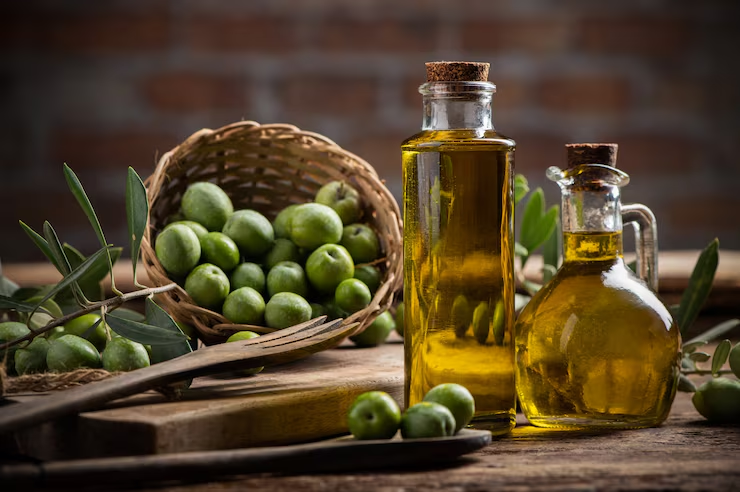
Olive oil is one of the most defining and celebrated components of the Mediterranean Diet Plan, serving as the primary source of healthy fat across countless meals. Its richness in antioxidants and monounsaturated fats makes it an essential element for supporting long-term wellness and heart health. Cultures across the Mediterranean have relied on olive oil for generations, using it not only as a cooking ingredient but also as a finishing touch that enhances the flavor and nutrition of dishes. The use of olive oil in the Mediterranean Diet encourages a shift away from unhealthy fats, creating a foundation that fuels energy while reducing inflammation.
Incorporating olive oil into daily meals encourages a more natural relationship with food, one that prioritizes clean, wholesome ingredients. As part of the Mediterranean Diet Plan, olive oil replaces butter, margarine, and chemically altered oils that often contribute to long-term health issues such as high cholesterol or blocked arteries. Research consistently supports olive oil’s ability to improve cardiovascular function, enhance brain health, and support a healthy metabolism. In Mediterranean households, olive oil is used generously in sautéed vegetables, fresh salads, hearty grain bowls, roasted fish, and even baked dishes.
Another reason olive oil plays such a significant role in the Mediterranean Diet Plan is its cultural importance. Meals in Mediterranean countries are often social and family-centered, and olive oil is considered a symbol of abundance and well-being. Using olive oil can transform even simple dishes into flavorful, satisfying meals. This encourages mindful eating, as each bite carries richness and comfort. Making olive oil a daily staple creates a positive eating experience while nourishing the body, supporting longevity, and offering a protective layer against chronic disease.
How to Make It:
Use extra-virgin olive oil for sautéing vegetables, drizzling over salads, brushing onto whole-grain bread, marinating proteins, or finishing pasta. Choose cold-pressed varieties for the richest antioxidants and smoothest flavor.
Nutritional Benefits:
Extra-virgin olive oil delivers monounsaturated fats that improve heart health, lower bad cholesterol, boost antioxidant intake, and reduce inflammation — all essential benefits in the Mediterranean Diet Plan.
Whole Grains as a Daily Staple 🌾
Whole grains are a central part of the Mediterranean Diet Plan, providing sustained energy, essential nutrients, and digestive support. Unlike refined grains that are stripped of fiber and nutrients, whole grains retain every part of the grain, offering a more complete nutritional profile. Mediterranean cultures traditionally rely on grains such as barley, bulgur, oats, brown rice, farro, and whole wheat to create wholesome meals that keep the body energized throughout the day. In the Mediterranean Diet , whole grains form the base of many dishes, creating balanced meals that promote fullness without excessive calories.
One of the reasons whole grains are so valued in the Mediterranean Diet Plan is their ability to stabilize blood sugar. By providing slow-digesting carbohydrates, whole grains prevent spikes and crashes in energy levels, making them ideal for daily consumption. Many carbohydrate-heavy diets lead to fast absorption and overeating, but the Mediterranean Diet uses whole grains to create lasting fullness and nutritional stability. When paired with vegetables, olive oil, legumes, and lean proteins, whole grains become part of a complete, energizing meal.
For many people transitioning into the Mediterranean Diet Plan, replacing refined grains with whole grains is one of the easiest and most impactful steps. Whole-grain pasta, whole-wheat bread, quinoa bowls, and brown rice dishes are flavorful, satisfying, and easy to prepare. Their versatility allows for endless combinations that keep meals exciting and nourishing. As part of a long-term eating lifestyle, whole grains help maintain a healthy weight, support digestive wellness, and promote a more balanced relationship with carbohydrates.
How to Make It:
Incorporate quinoa, brown rice, whole-grain pasta, barley, or bulgur into salads, bowls, soups, or main dishes. Choose minimally processed grains for maximum nutritional impact.
Nutritional Benefits:
Whole grains offer high fiber, B vitamins, antioxidants, and slow-digesting carbohydrates that support heart health, stabilize blood sugar, and enhance digestive function within the Mediterranean Diet Plan.
Fruits & Vegetables as the Colorful Core 🍇🥦

Fruits and vegetables are the vibrant heart of the Mediterranean Diet Plan, offering a wide range of essential nutrients that support whole-body wellness. Mediterranean cultures prioritize fresh, seasonal produce that delivers vitamins, minerals, fiber, and antioxidants. These foods play a major role in reducing inflammation, strengthening immunity, and supporting heart health. The variety of fruits and vegetables included in the Mediterranean Diet ensures meals are not only nutritious but visually appealing, making healthy eating enjoyable.
The high antioxidant content of fruits and vegetables is one of the strongest reasons the Mediterranean Diet Plan is associated with longevity. These antioxidants combat free radicals, protect cells, and reduce the risk of chronic diseases. Leafy greens such as spinach and kale, colorful vegetables like tomatoes, peppers, and carrots, and fruits like berries, citrus, and grapes all contribute to long-term health benefits. Eating a variety of colors ensures a broad intake of phytonutrients, each offering unique protective properties.
The abundance of produce in the Mediterranean Diet Plan also supports digestive health, thanks to its naturally high fiber content. Fruits and vegetables promote regular digestion, reduce bloating, feed beneficial gut bacteria, and help maintain a healthy metabolism. Their naturally low calorie count makes them ideal for weight management while still providing satisfying portions. With so many options available, the Mediterranean Diet Plan encourages creativity and variety in meals, helping individuals stay consistent and enjoy the journey toward better health.
How to Make It:
Fill half your plate with colorful produce during meals. Eat fruits as snacks, add vegetables to grain bowls, create fresh salads, or blend smoothies with nutrient-rich ingredients.
Nutritional Benefits:
Fruits and vegetables supply antioxidants, vitamins, minerals, and fiber that support immunity, digestion, heart health, and long-term wellness within the Mediterranean Diet Plan.
Lean Proteins, Especially Fish 🐟
Protein plays a vital role in the Mediterranean Diet Plan, with a clear emphasis on lean sources such as fish, poultry, and plant-based proteins. Fish is one of the most valuable protein choices due to its high Omega-3 fatty acid content, which supports brain health, heart function, and reduced inflammation. Mediterranean cultures often consume fish like salmon, sardines, mackerel, and tuna multiple times per week, making it a powerful staple.
Choosing lean proteins helps individuals following the Mediterranean Diet Plan avoid excessive saturated fats found in red meat. This contributes to better cholesterol levels and reduces the risk of heart disease. Fish also provides essential nutrients such as vitamin D, iodine, and selenium, which are often limited in other diets. Poultry offers a lighter alternative for those seeking variety, while plant-based proteins such as lentils, beans, and chickpeas complement the diet with fiber and minerals.
This balanced approach to protein allows the Mediterranean Diet Plan to remain flexible and enjoyable. It encourages individuals to explore grilled seafood dishes, slow-cooked stews with legumes, or oven-baked poultry meals rich in flavor and nutrition. These options are not only heart-friendly but delicious and widely adaptable to personal taste. Lean proteins complete the nutritional profile of the Mediterranean Diet , helping individuals feel satisfied without feeling weighed down or consuming excessive calories.
How to Make It:
Prepare grilled fish with herbs, bake chicken with lemon and olive oil, or add lentils and chickpeas to soups, salads, and bowls for plant-based protein options.
Nutritional Benefits:
Lean proteins support muscle strength, fuel metabolism, enhance brain function, and reduce inflammation — essential advantages within the Mediterranean Diet Plan.
Legumes & Beans as a High-Fiber Powerhouse 🫘
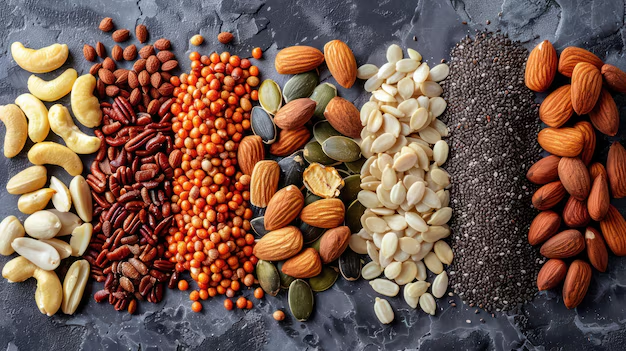
Legumes and beans play an essential role in the Mediterranean Diet Plan, offering plant-based protein, fiber, and a wide range of nutrients. They are budget-friendly, highly nutritious, and incredibly versatile, making them a perfect addition to daily meals. Mediterranean dishes traditionally use lentils, chickpeas, black beans, white beans, and split peas in soups, salads, dips, and main courses. Their rich nutrient profile supports digestion, stabilizes blood sugar, and offers long-lasting energy.
One of the primary nutritional advantages of legumes is their high fiber content. Fiber supports bowel function, reduces hunger cravings, feeds healthy gut bacteria, and helps maintain a healthy weight. The Mediterranean Diet Plan encourages fiber-rich eating because it naturally helps regulate metabolic processes. Legumes also contain plant-based proteins, making them an excellent choice for vegetarians or individuals trying to reduce their meat intake.
Legumes offer versatility that enhances the flavor profile of the Mediterranean Diet Plan. Whether incorporated into hummus, blended into soups, added to salads, or cooked into stews, they elevate meals with texture and substance. Their mild flavors absorb seasonings well, allowing for endless creative combinations using herbs, spices, and olive oil. Regularly consuming legumes supports sustainable eating, reduces environmental impact, and provides a cost-effective method for maintaining healthy nutrition.
How to Make It:
Add chickpeas to salads, cook lentil soups with herbs, blend beans into dips like hummus, or create Mediterranean-style stews with vegetables and olive oil.
Nutritional Benefits:
Legumes supply plant-based protein, fiber, iron, magnesium, and slow-digesting carbohydrates that support digestive health, energy regulation, and heart health within the Mediterranean Diet Plan.
Nuts & Seeds for Essential Healthy Fats 🌰
Nuts and seeds contribute essential nutrients and satisfying texture to the Mediterranean Diet Plan, making them ideal for snacks, toppings, and meal additions. Their healthy fat profile includes monounsaturated and polyunsaturated fats, which support cardiovascular health and help reduce inflammation. Mediterranean cultures simply incorporate nuts such as almonds, walnuts, pistachios, and hazelnuts into everyday eating routines.
One of the greatest strengths of nuts and seeds in the Mediterranean Diet Plan is their ability to support heart health. Walnuts, for example, are rich in Omega-3 fatty acids that help reduce inflammation and improve cholesterol levels. Almonds offer vitamin E and antioxidants, while flax seeds support hormone balance and digestion. These nutrient-rich foods also help regulate appetite by providing fiber, protein, and healthy fats that keep the body satisfied for longer.
Beyond their nutritional advantages, nuts and seeds add texture, crunch, and flavor to meals, enhancing the sensory appeal of dishes. Their convenience makes them easy to incorporate into a daily routine. A handful of nuts or a spoonful of seeds can instantly elevate the nutrient value of meals without requiring additional preparation. This supports the overall philosophy of the Mediterranean Diet Plan, which values simplicity, accessibility, and flavor.
How to Make It:
Use nuts as toppings for yogurt or salads, blend seeds into smoothies, sprinkle sesame on vegetables, or snack on raw nuts throughout the day.
Nutritional Benefits:
Nuts and seeds provide healthy fats, antioxidants, fiber, vitamins, and minerals that support heart health, hormone balance, and energy stability in the Mediterranean Diet Plan.
Herbs & Spices Instead of Salt 🌿

Herbs and spices enhance the flavorful and aromatic experience of the Mediterranean Diet Plan, replacing salt while boosting nutrition. Mediterranean households historically use herbs such as basil, oregano, thyme, rosemary, mint, garlic, and parsley to create dynamic and fragrant dishes. These herbs are not only delicious but also packed with antioxidants and anti-inflammatory compounds that support long-term wellness. Using herbs instead of salt helps reduce sodium intake, lowering the risk of high blood pressure and cardiovascular issues.
The anti-inflammatory properties of herbs are especially valuable. Garlic supports immune health, turmeric reduces inflammation, rosemary enhances brain function, and oregano offers strong antibacterial benefits. These natural healing qualities enhance the overall nutritional profile of meals within the Mediterranean Diet Plan. Many herbs also contain essential oils that boost digestion and support metabolism.
Herbs and spices make the Mediterranean Diet Plan deeply enjoyable by creating vibrant and memorable flavors. They allow individuals to explore a wide range of recipes without relying on heavy sauces or added sodium. Whether preparing grilled vegetables, fish, stews, salads, or whole-grain dishes, herbs elevate meals to restaurant-quality experiences. Their versatility allows for endless experimentation and personalization, ensuring that meals remain exciting and fulfilling.
How to Make It:
Season dishes with basil, oregano, garlic, rosemary, mint, thyme, parsley, paprika, and turmeric. Use fresh herbs whenever possible for maximum flavor and nutrients.
Nutritional Benefits:
Herbs and spices offer antioxidants, anti-inflammatory compounds, immune support, improved flavor, and reduced sodium intake — all vital components of the Mediterranean Diet Plan.
Hydration & Healthy Drinks 💧
Hydration is a critical yet often overlooked part of the Mediterranean Diet Plan, supporting digestion, energy, metabolism, and cognitive function. Water is the primary beverage consumed across Mediterranean regions, often infused with herbs, citrus, or fresh fruits for added flavor and refreshment. Herbal teas and natural infusions also play an essential role, offering antioxidants and hydration without added sugars. Proper hydration ensures that the body functions optimally and supports the diet’s emphasis on natural wellness.
The Mediterranean approach to beverages aligns with the diet’s holistic philosophy — promoting mindfulness and balance. Hydration keeps the digestive system active and reduces overeating, as many people confuse thirst with hunger. By choosing natural beverages, individuals improve their gut health, skin quality, and mental clarity. Hydration also supports nutrient absorption, helping the body make the most of the wholesome foods in the Mediterranean Diet Plan.
Incorporating healthy drinks into daily life enhances the experience of the Mediterranean Diet Plan by offering refreshing options that satisfy without compromising nutrition. Lemon water, mint tea, cucumber-infused water, and herbal blends such as chamomile or hibiscus add variety. Even moderate wine consumption, a traditional Mediterranean practice, is sometimes included — but always in balance and not as a necessity. The key is moderation and an emphasis on natural, beneficial beverages that complement the diet’s nutrient-rich foods.
How to Make It:
Drink 8–10 cups of water daily, add citrus or herbs for flavor, choose herbal teas, and avoid sugary drinks. Enjoy moderate wine only if it fits your lifestyle.
Nutritional Benefits:
Proper hydration improves digestion, energy, nutrient absorption, and metabolic function — vital foundations of the Mediterranean Diet Plan.
Conclusion
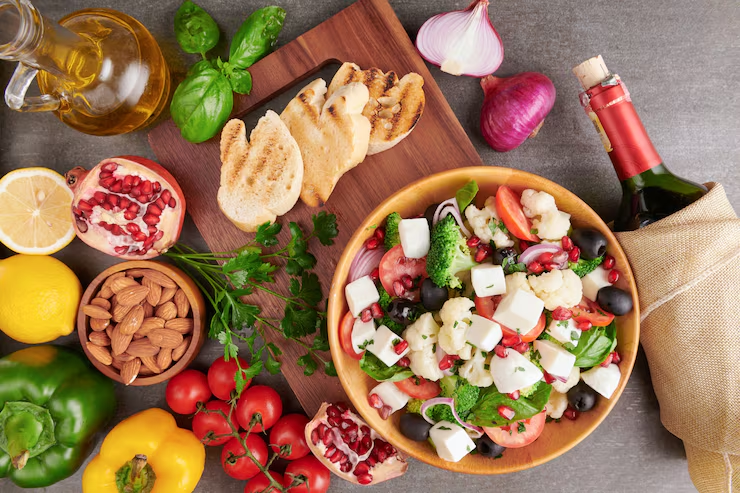
The Mediterranean Diet Plan is more than an eating strategy — it is a positive lifestyle that nourishes the body and mind. Its focus on whole foods, balanced meals, and simple ingredients makes it a sustainable choice for people of all ages. By incorporating olive oil, fruits, vegetables, whole grains, lean proteins, herbs, and mindful eating practices, the Mediterranean Diet offers a refreshing alternative to restrictive dieting trends. Its emphasis on flavor, variety, and nourishment ensures that every meal is enjoyable and fulfilling. 🌞
One of the greatest strengths of the Mediterranean Diet Plan is its proven ability to support long-term wellness. Studies consistently show that this dietary pattern reduces the risk of chronic diseases, improves heart health, supports brain function, and encourages healthy weight management. Because it promotes real, wholesome foods instead of processed items, the Mediterranean Diet helps stabilize blood sugar, improve digestion, and boost overall vitality. Its approach is both simple and adaptable, making it easy for individuals to incorporate into their daily routines regardless of lifestyle or cultural background.
Ultimately, adopting the Mediterranean Diet means choosing a more balanced, joyful, and health-focused way of living. It encourages mindful eating, social connection, and physical activity — essential elements of a vibrant, fulfilling life. With its scientifically backed benefits, delicious ingredients, and flexible guidelines, the Mediterranean Diet Plan stands as one of the most effective and enjoyable approaches to lifelong well-being. By embracing this positive eating pattern, anyone can experience improved health, increased energy, and a renewed appreciation for wholesome, flavorful foods.
FAQs
Q1. Is the Mediterranean Diet Plan suitable for weight loss?
Yes, the Mediterranean Diet Plan is effective for weight loss because it focuses on nutrient-dense foods, healthy fats, and whole grains that keep you fuller for longer. Unlike restrictive diets, it promotes natural portion control, reduces processed food intake, and stabilizes blood sugar, all of which contribute to healthier long-term weight results.
Q2. Can the Mediterranean Diet Plan help reduce the risk of heart disease?
Absolutely. The Mediterranean Diet Plan emphasizes heart-protective foods such as olive oil, fish, nuts, legumes, and leafy greens. These ingredients are rich in Omega-3 fatty acids, antioxidants, and fiber, which help reduce inflammation, improve cholesterol levels, and lower risk factors associated with cardiovascular disease.
Q3. Is the Mediterranean Diet Plan expensive to follow?
Not necessarily. The Mediterranean Diet Plan can be budget-friendly when it focuses on seasonal produce, legumes, beans, grains, and homemade meals. Buying in bulk, limiting packaged foods, and choosing locally grown ingredients help reduce costs while maintaining the diet’s nutritional benefits.
Q4. Can vegetarians follow the Mediterranean Diet Plan?
Yes, the Mediterranean Diet Plan is very vegetarian-friendly. It includes abundant plant-based foods such as fruits, vegetables, legumes, whole grains, nuts, and seeds. Vegetarians can easily replace fish or poultry with tofu, beans, lentils, or plant-based proteins while still receiving balanced nutrition.
Q5. How quickly can results be seen with the Mediterranean Diet Plan?
Results vary by individual, but many people begin to feel increased energy, better digestion, and improved mental clarity within a few weeks of starting the Mediterranean Diet Plan. Long-term benefits such as weight balance, improved heart health, and reduced inflammation become more noticeable over several months.