

In today’s fast-paced world, mental health is often overlooked in the pursuit of physical fitness and success. However, recent studies have revealed a direct link between what we eat and how we feel. Healthy eating habits play a pivotal role in improving mental health by enhancing mood, reducing anxiety, and even boosting cognitive function. This article focuses on healthy eating habits for mental health, offering practical tips and insights to help you feel your best.
Mental health is not just about emotional balance but also about how we nourish our bodies. When we consume nutrient-dense foods, our brain receives the right fuel to function optimally, improving our mood, energy levels, and overall sense of well-being. Adopting a diet rich in whole foods, vitamins, and minerals can lead to better mental clarity and emotional stability, both of which are essential for maintaining a balanced life.
This article delves into the importance of healthy eating habits for mental health and offers actionable strategies to incorporate them into your daily routine. We will explore the various food groups that positively impact brain function, how they contribute to emotional health, and practical tips on how to integrate these foods into your diet. By focusing on nutrition, you can significantly improve both your mental and physical health.
What Are Healthy Eating Habits for Mental Health?
Healthy eating habits for mental health refer to dietary choices that support brain function and promote emotional well-being. These habits include consuming a variety of foods rich in vitamins, minerals, antioxidants, and omega-3 fatty acids, all of which contribute to a balanced mood, reduced stress, and better cognitive performance. By choosing nutrient-dense, whole foods, we can positively influence our brain’s structure and function, making it easier to manage stress, anxiety, and even depression through healthy eating habits for mental health.
A well-balanced diet for mental health includes plenty of fruits, vegetables, lean proteins, whole grains, and healthy fats. Omega-3 fatty acids, found in foods like salmon, walnuts, and flaxseeds, are particularly beneficial for brain health. They help reduce inflammation in the brain and have been shown to improve mood regulation. Incorporating these healthy fats into your diet can support better mental clarity, focus, and emotional stability, all part of adopting healthy eating habits for mental health.
In addition to omega-3s, antioxidants are essential for mental health. These compounds, found in colorful fruits and vegetables like berries, spinach, and kale, help protect the brain from oxidative stress, which can contribute to cognitive decline and mood disorders. Eating a variety of these nutrient-dense foods is an effective way to support your mental health while enjoying delicious and wholesome meals.
Why Are Healthy Eating Habits Important for Mental Health?
The foods we consume directly impact our brain chemistry and the production of neurotransmitters, such as serotonin and dopamine, which regulate mood and emotion. When we feed our bodies with processed foods high in sugar and unhealthy fats, we disrupt these neurotransmitter pathways, which can lead to feelings of anxiety, depression, and even cognitive decline. Adopting healthy eating habits for mental health can prevent such disruptions and support overall emotional well-being.
On the other hand, healthy eating habits for mental health can help regulate these neurotransmitter levels, reducing the risk of mental health issues. For example, foods rich in B vitamins, like leafy greens and whole grains, are essential for maintaining healthy brain function. These vitamins play a crucial role in the production of serotonin, which is often referred to as the “feel-good” neurotransmitter. A deficiency in these nutrients can contribute to feelings of sadness, irritability, and mental fatigue, which are alleviated by consistent healthy eating habits for mental health.
Moreover, a well-rounded diet can provide sustained energy throughout the day, preventing mood swings and fatigue, which are common side effects of poor dietary habits. By consuming nutrient-rich foods at regular intervals, we can stabilize blood sugar levels, ensuring that the brain has a constant supply of energy to function effectively. Healthy eating habits also support better sleep, which is crucial for mental health, as quality sleep allows the brain to repair itself and process emotions.
Healthy Eating Habits for Mental Health
Consume Omega-3 Fatty Acids Regularly

Omega-3 fatty acids are essential for brain health and emotional well-being. These healthy fats have been shown to support mental clarity, reduce depression, and improve overall cognitive function. Regular consumption of omega-3s can help regulate the production of neurotransmitters like serotonin and dopamine, which are vital for mood stability. By incorporating foods rich in omega-3s, such as salmon, walnuts, and flaxseeds, you can significantly enhance your mental health by adopting healthy eating habits for mental health.
In addition to their mood-boosting properties, omega-3 fatty acids also play a crucial role in reducing inflammation in the brain. Chronic inflammation is often linked to mental health conditions like depression and anxiety. By following healthy eating habits for mental health, you can naturally reduce brain inflammation and improve emotional resilience. Omega-3-rich foods help nourish the brain, promoting optimal function and better overall mental health.
One of the most effective ways to integrate omega-3s into your diet is by adding fatty fish like salmon or mackerel to your meals a few times a week. For those who prefer plant-based sources, chia seeds, flaxseeds, and walnuts are excellent alternatives. Whether you’re adding them to smoothies, salads, or baked goods, these nutrient-dense foods can make a significant difference in supporting your mental health. Consistent intake of omega-3 fatty acids is a simple yet powerful way to foster mental well-being through healthy eating habits for mental health.
Incorporate Antioxidant-Rich Foods
Antioxidants play a vital role in protecting the brain from oxidative stress, which can contribute to cognitive decline and mood disorders. By incorporating foods high in antioxidants, such as berries, leafy greens, and dark chocolate, you can improve mental clarity, reduce inflammation, and protect your brain from damage. These nutrient-rich foods help neutralize free radicals, preventing them from damaging brain cells and supporting better cognitive function. Adopting healthy eating habits for mental health by including antioxidant-rich foods in your diet is a powerful strategy for enhancing both brain health and emotional well-being.
Healthy eating habits for mental health include eating a wide variety of colorful fruits and vegetables. Berries, such as blueberries, strawberries, and raspberries, are particularly rich in antioxidants and are easy to incorporate into your diet. You can enjoy them as a snack, add them to your morning yogurt, or blend them into smoothies. These antioxidant-packed foods are not only delicious but also provide a significant boost to brain health and emotional well-being.
In addition to fruits, leafy greens like spinach and kale, as well as cruciferous vegetables like broccoli and Brussels sprouts, are excellent sources of antioxidants. Including a variety of these foods in your meals can help combat the oxidative stress that contributes to mental health issues like anxiety and depression. By making antioxidant-rich foods a regular part of your diet, you are nourishing your body and mind, contributing to healthy eating habits for mental health that support long-term well-being.
Eat a Balanced Diet with Plenty of Fiber

A diet rich in fiber can do wonders for both your physical and mental health. Fiber is essential for maintaining a healthy gut, and research has shown a direct link between gut health and mental health. The gut houses billions of bacteria that produce neurotransmitters like serotonin, which is essential for regulating mood and emotional balance. By consuming a variety of fiber-rich foods, such as whole grains, fruits, and vegetables, you can support gut health and improve mental clarity and mood. These are key components of healthy eating habits for mental health.
Incorporating high-fiber foods into your meals, such as oats, quinoa, and brown rice, is an excellent way to ensure you’re getting the necessary nutrients to support both your digestive and mental health. Fiber also helps regulate blood sugar levels, preventing the crashes and spikes that can lead to mood swings and irritability. Consuming fiber-rich foods regularly is an important part of healthy eating habits for mental health, as it helps stabilize energy levels, making it easier to manage stress and stay focused throughout the day.
By adopting healthy eating habits for mental health, you can ensure that your gut remains balanced and supports the production of important mood-regulating neurotransmitters. Fiber is not only crucial for digestion but also for maintaining overall emotional well-being. Including fiber-rich foods in your diet can promote a healthier gut microbiome, reduce anxiety, and improve your mental health in the long run.
Stay Hydrated
Hydration is often overlooked as a crucial factor in maintaining mental health, but water plays a vital role in brain function. Dehydration can lead to a host of cognitive issues, including difficulty concentrating, mental fatigue, and irritability. To support your mental clarity and emotional well-being, it’s essential to stay hydrated throughout the day. Drinking plenty of water helps nourish the brain, ensuring it functions optimally and reduces feelings of stress and fatigue. Staying hydrated is an essential part of healthy eating habits for mental health.
In addition to plain water, herbal teas and water-rich foods like cucumbers and watermelon can help keep your hydration levels up. Maintaining proper hydration is a simple yet powerful way to boost cognitive function and improve mood stability. When you’re properly hydrated, you’re better equipped to manage stress, make decisions, and think clearly, all of which contribute to healthy eating habits for mental health.
A well-hydrated brain is essential for optimal performance. Drinking enough water and staying hydrated throughout the day can significantly reduce anxiety and promote a calm, balanced state of mind. By making hydration a priority, you are supporting your brain and enhancing your ability to cope with daily stresses, contributing to better mental health. Staying hydrated is a key component of healthy eating habits for mental health.
Limit Processed Foods and Sugars

Processed foods and excessive sugar intake have been linked to a variety of mental health issues, including mood swings, anxiety, and depression. These foods often cause rapid spikes and crashes in blood sugar levels, which can lead to irritability, fatigue, and difficulty concentrating. By reducing your intake of sugary and highly processed foods, you can help stabilize your mood and improve your mental well-being.
Incorporating healthy eating habits for mental health means opting for whole foods that are nutrient-dense and free from added sugars and artificial additives. Instead of sugary snacks, try consuming fruits, nuts, and whole grains to satisfy your cravings while providing your body with the energy it needs to stay balanced. Not only will this improve your physical health, but it will also positively impact your mental state.
Limiting processed foods and added sugars is an effective way to regulate your blood sugar and prevent mood swings and irritability. By replacing these foods with whole, unprocessed options, you can support better cognitive function, reduce anxiety, and foster a more stable emotional state. This is a crucial step in adopting healthy eating habits for mental health that contribute to long-term well-being.
Include Lean Proteins in Your Diet
Proteins are essential for brain function and the production of neurotransmitters that regulate mood, cognition, and emotional balance. Lean proteins, such as chicken, turkey, eggs, and legumes, provide the amino acids needed to maintain healthy brain function. By including lean proteins in your meals, you are supporting optimal neurotransmitter function, which is essential for mental health.
Healthy eating habits for mental health include choosing lean protein sources that are low in saturated fats. These proteins help maintain stable blood sugar levels, provide sustained energy throughout the day, and support cognitive performance. Foods like eggs and chicken breast are excellent choices for anyone looking to boost their mental clarity and emotional stability.
Including lean proteins in your diet can also improve your focus and help you stay energized throughout the day. These foods provide a steady supply of amino acids that are critical for the production of serotonin and dopamine, neurotransmitters that help regulate mood and mental well-being. Consuming lean proteins regularly is an easy way to support healthy eating habits for mental health and improve both your physical and mental state.
Consume Whole Grains for Steady Energy
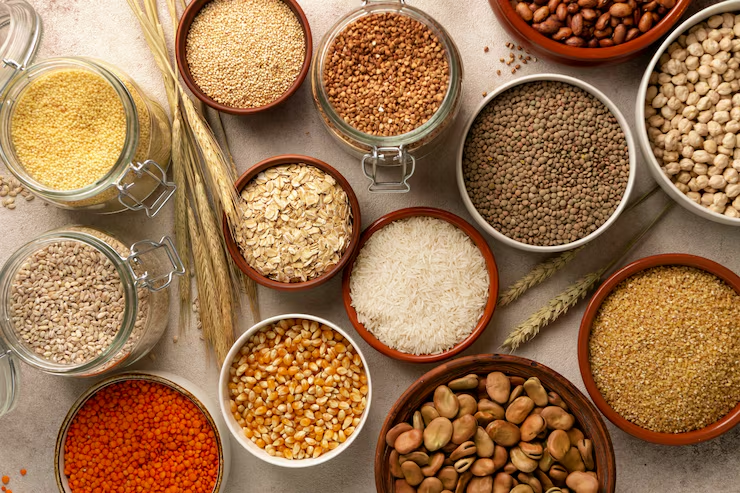
Whole grains like oats, quinoa, and brown rice provide a steady source of energy that can help stabilize mood and cognitive function. Unlike refined grains, which cause blood sugar spikes and crashes, whole grains release glucose slowly into the bloodstream, ensuring a steady flow of energy throughout the day. This steady energy supply helps maintain focus and prevent mood swings, both of which are crucial for mental well-being.
Incorporating healthy eating habits for mental health involves choosing whole grains over processed grains. Whole grains are rich in fiber, vitamins, and minerals, which help regulate blood sugar and support optimal brain function. By consuming a variety of whole grains, you are nourishing your body with the nutrients needed to promote stable energy levels and mental clarity.
Whole grains not only provide sustained energy but also contribute to a healthy gut microbiome, which is crucial for mental health. The fiber in whole grains helps promote the growth of beneficial gut bacteria that produce neurotransmitters, like serotonin, that regulate mood and emotional well-being. By incorporating whole grains into your diet, you are supporting both your physical and mental health.
Practice Mindful Eating
Mindful eating is a practice that involves being fully present during your meals and paying attention to how your food makes you feel. This practice can help you develop a healthier relationship with food, reduce emotional eating, and improve digestion. By eating mindfully, you can avoid overeating and make more conscious food choices that support mental health.
Healthy eating habits for mental health include slowing down and savoring each bite, which helps you become more aware of your body’s hunger cues and emotional triggers. This awareness can help prevent overeating and stress-related eating, both of which contribute to poor mental health. Mindful eating can also promote relaxation and reduce anxiety, creating a more balanced emotional state.
Incorporating mindful eating into your routine can lead to greater satisfaction with meals and a more positive relationship with food. It encourages healthier eating patterns and can contribute to improved digestion, better mental health, and emotional stability. By practicing mindfulness during meals, you can foster healthy eating habits for mental health that benefit both your mind and body.
Conclusion

Adopting healthy eating habits for mental health is a powerful way to support both your physical and emotional well-being. By choosing nutrient-dense foods that fuel the brain, you can improve mood regulation, reduce stress, and enhance cognitive function. Omega-3 fatty acids, antioxidants, lean proteins, and whole grains are just a few examples of foods that can contribute to better mental health.
Incorporating these eating habits into your daily routine can lead to lasting improvements in your mental clarity, focus, and overall happiness. By making conscious food choices, you can take control of your mental health and experience the benefits of a balanced, well-nourished body and mind. Remember, what you eat has a profound impact on how you feel, so nourish yourself with the right foods to achieve optimal mental well-being.
Incorporating healthy eating habits for mental health is not only beneficial for your brain but also for your overall quality of life. It’s an investment in yourself that pays off in the form of improved mood, better energy, and enhanced mental clarity. Start today by making small changes to your diet and witness the positive effects on your mental health. Your mind and body will thank you.
FAQs
Q1. How does a healthy diet impact mental health?
A healthy diet supports brain function, enhances mood regulation, and reduces stress. Nutrient-rich foods like omega-3 fatty acids, antioxidants, and vitamins contribute to better mental clarity and emotional stability, reducing the risk of anxiety and depression.
Q2. What are the best foods for mental health?
Foods rich in omega-3 fatty acids, antioxidants, whole grains, lean proteins, and fiber are excellent for mental health. Incorporating foods like salmon, berries, leafy greens, and nuts into your diet can boost cognitive function and emotional well-being.
Q3. Can eating habits affect anxiety levels?
Yes, eating habits can significantly affect anxiety levels. Diets high in processed foods and sugars can exacerbate anxiety, while nutrient-dense foods like fruits, vegetables, and omega-3-rich foods can help reduce anxiety and improve overall mood stability.
Q4. How often should I eat to support mental health?
Eating regular, balanced meals throughout the day helps maintain stable blood sugar levels, preventing mood swings and irritability. It’s important to avoid skipping meals and to focus on nutrient-dense foods that provide sustained energy.
Q5. Is hydration important for mental health?
Yes, hydration is essential for brain function and mental health. Dehydration can lead to poor concentration, irritability, and mental fatigue. Drinking enough water throughout the day helps maintain cognitive performance and emotional balance.