


Mushrooms are not just a culinary delight; they are a powerhouse of nutrients that can boost your overall health while tantalizing your taste buds. With their rich flavor and versatile nature, mushrooms can easily be incorporated into a variety of dishes, making them perfect for both casual meals and gourmet recipes. In this article, we will explore healthy mushroom recipes that are not only nutritious but also easy to prepare, ensuring that you enjoy every bite without compromising your health. 🍽️
One of the most significant benefits of mushrooms is their ability to enhance immunity and support heart health. Packed with essential vitamins, minerals, and antioxidants, mushrooms contribute to a balanced diet while promoting overall well-being. From soups and salads to main courses and snacks, there are countless ways to enjoy healthy mushroom recipes without feeling restricted in your meal choices.
Moreover, mushrooms are an excellent option for those who are looking to maintain or lose weight. Low in calories but high in flavor and texture, they can be used as a substitute for heavier ingredients in many recipes. By exploring a wide range of healthy recipes, you can make nutritious meals a daily habit, improve your diet, and enjoy the countless health benefits these fungi provide. 🌱
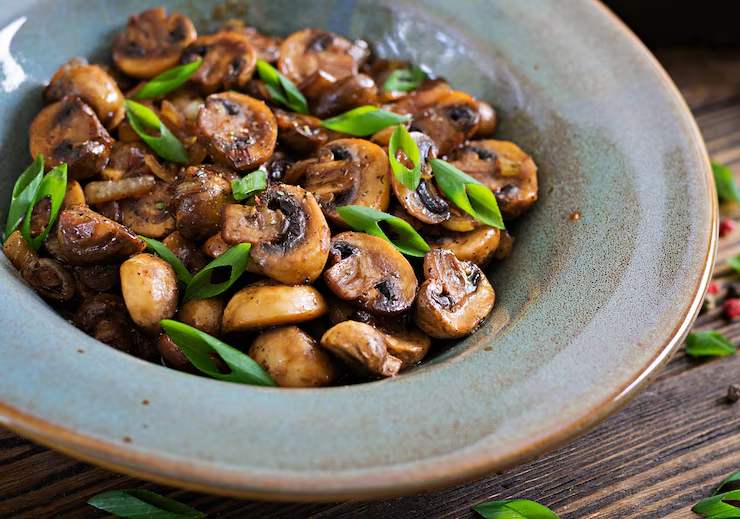
Why You Should Include Mushrooms in Your Diet
Rich Source of Nutrients
Mushrooms are packed with essential nutrients like vitamin D, B vitamins, selenium, potassium, and fiber. These nutrients play a crucial role in maintaining overall health, supporting immune function, and enhancing energy levels. Including mushrooms in your diet through mushroom recipes ensures that you get a nutrient-dense meal that contributes to your wellness.
Boosts Immunity
Mushrooms contain bioactive compounds that help strengthen the immune system. Regular consumption of healthy recipes can support your body’s defense mechanisms, making you less susceptible to infections and illnesses. The antioxidants present in mushrooms also help combat oxidative stress, keeping your cells healthy.
Supports Heart Health
Mushrooms are naturally low in fat and cholesterol, making them ideal for heart-friendly diets. Their fiber content helps reduce cholesterol levels, and potassium helps regulate blood pressure. Incorporating healthy mushroom recipes into your weekly meals can promote cardiovascular health and reduce the risk of heart disease.
Aids Weight Management
Due to their low-calorie content and high satiety, mushrooms are excellent for weight management. Swapping high-calorie ingredients with mushrooms in your dishes makes them lighter yet satisfying. Healthy recipes can be your secret weapon for maintaining a healthy weight without sacrificing flavor.
Enhances Brain Function
Mushrooms contain compounds like ergothioneine that support brain health and protect against cognitive decline. Regular consumption of healthy recipes may improve memory, focus, and overall brain function.
Anti-Inflammatory Benefits
The anti-inflammatory properties of mushrooms help reduce chronic inflammation in the body. Using mushrooms in your meals through healthy mushroom recipes can contribute to better joint health, improved digestion, and reduced inflammation-related ailments.
Versatile and Delicious
Mushrooms are incredibly versatile and can be incorporated into a wide variety of dishes. Whether grilled, sautéed, or added to soups, the possibilities for healthy mushroom recipes are endless, allowing you to enjoy nutritious meals without getting bored.
What Makes Mushroom Recipes Healthy?
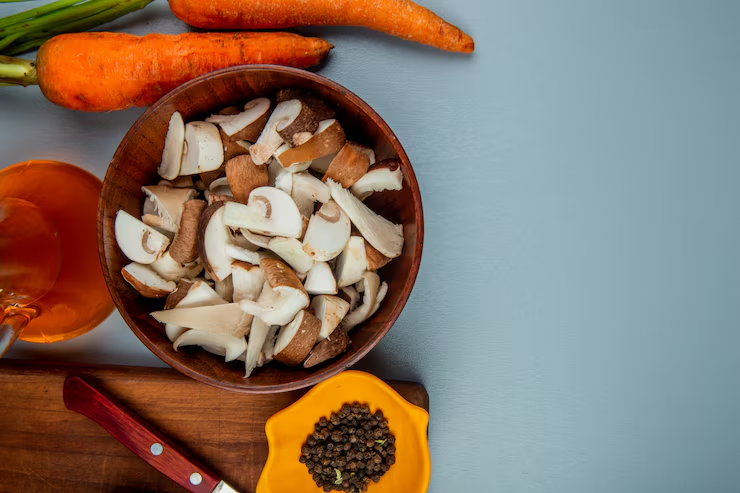
Mushrooms are naturally low in calories, fat-free, and rich in essential nutrients, making them a fantastic choice for nutritious meals. They are packed with vitamins such as B-complex vitamins, vitamin D, and minerals like selenium and potassium, which support immunity, bone health, and overall wellness. The fiber content in mushrooms aids digestion, promotes satiety, and helps maintain healthy blood sugar levels. Incorporating mushrooms into daily meals enhances the nutrient density of dishes without adding excessive calories, which is why healthy mushroom recipes are ideal for anyone looking to maintain a balanced diet.
Beyond their nutrient profile, mushrooms are known for their antioxidant properties, which help combat oxidative stress and reduce inflammation. Healthy mushroom recipes often combine mushrooms with other vegetables, herbs, and lean proteins, maximizing both flavor and nutritional value. Their natural umami taste allows for reduced use of salt, sugar, and high-fat sauces, making meals healthier while still satisfying the palate.
Another factor that makes mushroom recipes healthy is their versatility. From soups and salads to stir-fries and casseroles, mushrooms can be prepared using various cooking methods that preserve nutrients. Including them regularly in meals through mushroom recipes supports heart health, weight management, and overall vitality, making them a valuable addition to any diet.
How to Prepare Healthy Mushroom Recipes
Preparing healthy mushroom recipes starts with selecting fresh, high-quality mushrooms. Look for firm, unblemished mushrooms with smooth caps and a pleasant earthy aroma. Fresh mushrooms not only taste better but also retain more nutrients during cooking. Proper storage is equally important; keep them in a paper bag in the refrigerator to prevent excess moisture, which can make mushrooms slimy and compromise the texture of your healthy mushroom recipes. Choosing the right type of mushroom, whether it’s button, cremini, portobello, or shiitake, allows you to create diverse flavors and nutrient profiles for your dishes.
Cooking techniques play a crucial role in preparing healthy mushroom recipes. Sautéing mushrooms with a small amount of olive or avocado oil enhances their natural umami flavor without adding unnecessary calories. Overcooking mushrooms can lead to nutrient loss and a rubbery texture, so cook them just until tender. For variety, you can also roast, grill, or steam mushrooms, which preserves their nutrients and adds unique textures to your dishes. Combining mushrooms with fresh vegetables, lean proteins, and whole grains ensures that your mushroom recipes are balanced, flavorful, and satisfying.
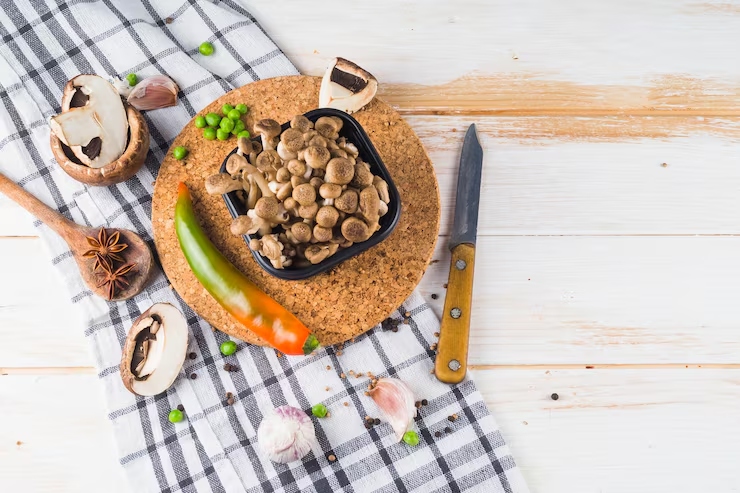
Finally, seasoning is key to making your dishes delicious. Herbs like thyme, rosemary, and parsley, along with spices like garlic and black pepper, can elevate the taste of mushrooms without relying on heavy sauces or salt. These flavor enhancers not only make your healthy mushroom recipes more enjoyable but also boost their nutritional value. By following these simple preparation tips, you can create meals that are both healthful and delicious, turning mushrooms into a versatile and indispensable ingredient in your diet.
Top Tips for Healthy Mushroom Recipes 🍄
Choose Fresh Mushrooms 🍄
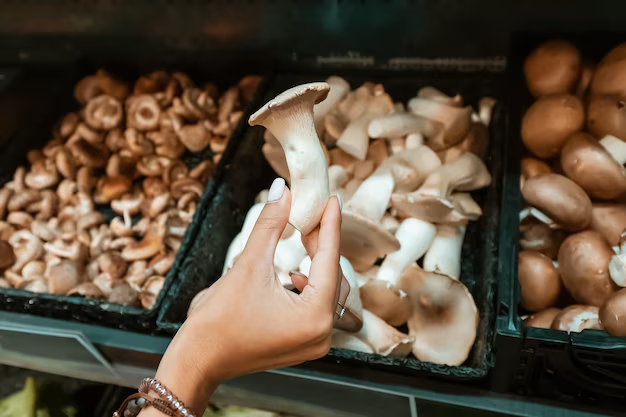
Fresh mushrooms are the foundation of any great dish. When selecting mushrooms for your healthy mushroom recipes, look for firm, unblemished caps with no slimy spots. Fresh mushrooms have a richer flavor and retain more nutrients during cooking, ensuring that your dishes are both tasty and healthy. Avoid mushrooms that appear shriveled or discolored, as they may have lost their nutritional value.
Proper storage is also essential. Keep mushrooms in a paper bag in the refrigerator to prevent excess moisture buildup, which can lead to spoilage. Avoid storing them in airtight containers, as trapped moisture can make mushrooms slimy and affect the texture of your healthy mushroom recipes. Fresh mushrooms not only taste better but also ensure your meals deliver maximum health benefits.
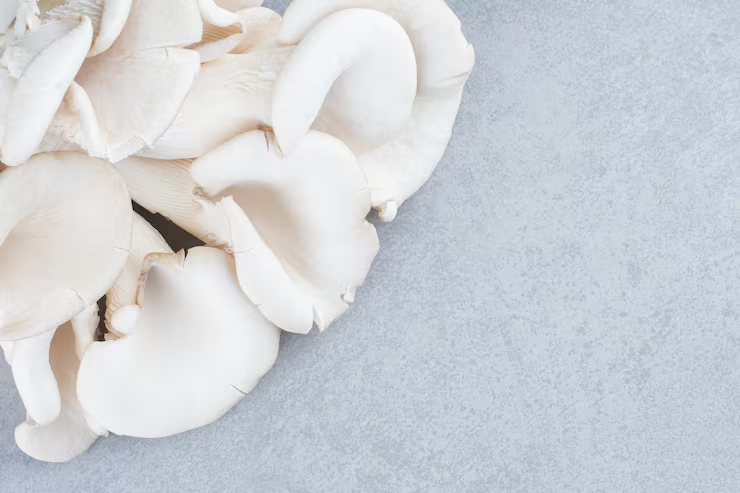
Additionally, consider the variety of mushrooms you use. While common varieties like button, cremini, and portobello are widely available, specialty mushrooms like shiitake, oyster, and maitake can add unique flavors and extra nutrients to your healthy mushroom recipes. Experimenting with different types can keep your dishes interesting while boosting their nutritional profile.
Use Minimal Oil 🥄
Cooking mushrooms with minimal oil is key to keeping your recipes healthy. Mushrooms naturally release water while cooking, so they absorb oil quickly. For mushroom recipes, use small amounts of heart-healthy oils like olive oil or avocado oil to sauté mushrooms. This method enhances the flavor without adding unnecessary calories.
Using less oil also allows the natural umami flavor of mushrooms to shine. Overloading mushrooms with butter or oil can mask their delicate taste, reducing the impact of the rich, earthy flavor that makes healthy mushroom recipes so satisfying. By cooking with minimal oil, you can create dishes that are both flavorful and diet-friendly.
Additionally, opting for minimal oil supports better heart health. Excessive saturated fats from butter or other oils can contribute to cholesterol issues. For healthy mushroom recipes, sticking to a controlled amount of healthy oil maintains a balanced diet while still providing the moisture needed for tender, juicy mushrooms.
Avoid Overcooking Mushrooms 🍳
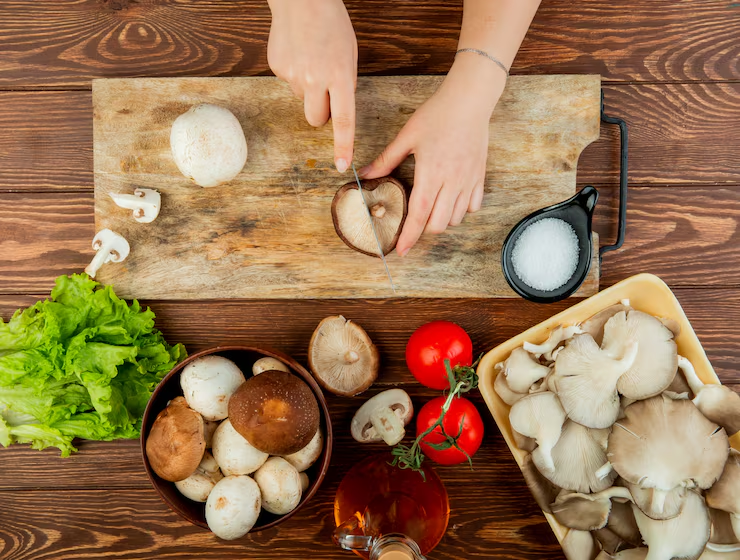
Overcooking mushrooms can result in a rubbery texture and loss of nutrients. For healthy mushroom recipes, it’s best to cook mushrooms just until tender. Sautéing, grilling, or roasting for a short period preserves both flavor and nutrients, ensuring your dishes remain delicious and nutritious.
Mushrooms are delicate, so timing is crucial. Cooking them too long causes water loss and diminishes their umami taste. Properly cooked mushrooms retain their natural sweetness and juiciness, making mushroom recipes more appealing and enjoyable. By paying attention to cooking time, you can maintain the texture and nutritional value of your mushrooms.
Finally, combining mushrooms with other ingredients after they are cooked can enhance your dish. Add sautéed mushrooms to salads, stir-fries, or pasta just before serving to keep them tender. This method ensures that your healthy mushroom recipes are both flavorful and packed with nutrients, giving you the best of taste and health benefits.
Pair Mushrooms with Vegetables 🌿
Mushrooms complement vegetables perfectly in any meal. For healthy mushroom recipes, combining mushrooms with fiber-rich vegetables increases nutrient intake and adds texture to your dishes. Vegetables like spinach, bell peppers, broccoli, and zucchini pair beautifully with mushrooms, creating colorful and healthful meals.
Vegetables not only enhance the visual appeal of mushroom recipes but also contribute essential vitamins, minerals, and antioxidants. Combining mushrooms with vegetables provides a balanced dish that supports digestion, immunity, and overall wellness. This pairing also ensures your meals are low in calories but high in nutrients.
Additionally, experimenting with seasonal vegetables allows for variety in your healthy mushroom recipes. Different textures and flavors can elevate the taste profile of your dishes, making each meal exciting and enjoyable. Pairing mushrooms with vegetables is a simple yet effective strategy to create nutrient-dense meals that satisfy both your taste buds and your health goals.
Incorporate Lean Proteins 🍗
Adding lean proteins to your mushroom dishes makes your meals more balanced and filling. For healthy mushroom recipes, consider proteins like chicken, turkey, tofu, or legumes. These ingredients complement mushrooms while keeping the dish low in saturated fat and high in nutrients.
Proteins work well with the umami flavor of mushrooms, creating a satisfying and hearty meal. By including lean protein in healthy mushroom recipes, you can ensure your dishes provide the essential amino acids needed for muscle maintenance and overall health. This approach also helps you feel full longer, reducing unnecessary snacking between meals.
Moreover, combining mushrooms with proteins allows for versatility in meal preparation. You can create stir-fries, soups, curries, or salads that are both flavorful and nutritious. mushroom recipes with added protein not only taste delicious but also support a well-rounded diet that promotes long-term wellness.
Enhance Flavor with Herbs and Spices 🌿
Herbs and spices are essential for bringing out the natural taste of mushrooms. For healthy mushroom recipes, using garlic, thyme, rosemary, parsley, or black pepper can elevate your dishes without adding extra calories or unhealthy fats. These flavorings complement mushrooms’ earthy taste perfectly.
Herbs and spices also offer additional health benefits. Many, like garlic and rosemary, have antioxidant and anti-inflammatory properties. Incorporating them into healthy mushroom recipes enhances flavor while supporting overall wellness, making your meals both tasty and beneficial.
Experimenting with different combinations of herbs and spices allows you to customize your mushroom dishes according to your preferences. By doing so, your mushroom recipes remain exciting and full of flavor, encouraging you to enjoy nutritious meals regularly without feeling repetitive or bland.
Try Different Cooking Methods 🔥
Exploring various cooking methods can transform the flavor and texture of mushrooms. For healthy mushroom recipes, consider sautéing, roasting, grilling, or even steaming. Each technique brings out different nuances in taste while preserving nutritional content.
Grilling or roasting mushrooms enhances their natural umami flavor, making them a perfect side dish or main ingredient. Sautéing mushrooms with minimal oil maintains tenderness, while steaming preserves moisture and nutrients. Using different methods ensures your mushroom recipes are versatile and enjoyable for a variety of meals.
Additionally, rotating cooking methods can prevent meal fatigue. By experimenting with techniques, your healthy mushroom recipes stay interesting and appealing, encouraging consistent consumption of this nutrient-dense ingredient. Variety in preparation also maximizes the health benefits of mushrooms while keeping your meals exciting.
Serve Mushrooms Fresh in Salads and Wraps 🥗
Mushrooms are delicious even when served fresh. For healthy mushroom recipes, incorporating raw or lightly cooked mushrooms into salads, wraps, and sandwiches adds flavor, texture, and nutrients without extra calories. This method preserves antioxidants and keeps the dish light and refreshing.
Fresh mushroom dishes are perfect for quick meals and provide a balance of vitamins, minerals, and fiber. Including mushrooms in salads or wraps ensures that your mushroom recipes are nutrient-dense, easy to prepare, and visually appealing. They can be combined with leafy greens, tomatoes, cucumbers, or grains for a wholesome and satisfying meal.
Serving mushrooms fresh also encourages mindful eating. The natural flavor and texture of mushrooms are more pronounced, allowing you to enjoy every bite. By adding mushrooms to salads and wraps, your healthy mushroom recipes remain versatile, convenient, and packed with essential nutrients for a healthy lifestyle.
Conclusion
Healthy mushroom recipes offer a perfect blend of taste, nutrition, and versatility. They provide essential vitamins, minerals, fiber, and antioxidants that support immunity, heart health, and overall well-being. Including mushrooms in meals throughout the day—from breakfast to dinner, soups, salads, and snacks—ensures a nutrient-dense diet that is both satisfying and wholesome.
The variety of mushroom types and cooking techniques allows for endless culinary creativity. From roasted portobello mushrooms to creamy soups and hearty stir-fries, these recipes cater to all tastes while maintaining a focus on health. Their natural umami flavor enhances meals, reducing the need for unhealthy additives. By incorporating mushrooms into your daily diet, you not only enjoy flavorful dishes but also invest in long-term wellness.
Incorporating healthy mushroom recipes into your lifestyle is an effective and enjoyable way to support overall health. With their nutrient density, low calorie content, and culinary flexibility, mushrooms serve as a cornerstone of balanced eating. Regular consumption can improve immunity, promote weight management, and elevate your meals with both flavor and nutrition. Embracing these recipes ensures a delicious, health-conscious journey toward optimal well-being.
FAQs
Q1. How should I store mushrooms?
Store mushrooms in a paper bag in the refrigerator. Avoid airtight containers to prevent moisture buildup, which can make them slimy. Use them within a few days for the best freshness.
Q2. Can I eat mushrooms raw?
Yes, many mushrooms can be eaten raw, such as button or cremini. They are safe to consume, add crunch and flavor to salads, and retain more nutrients compared to cooked mushrooms.
Q3. How do I clean mushrooms properly?
Gently wipe mushrooms with a damp cloth or rinse quickly under cold water. Avoid soaking them, as mushrooms absorb water easily, which can affect their texture and cooking results.
Q4. Are all mushrooms edible?
No, not all mushrooms are safe to eat. Some wild mushrooms are toxic. Only consume mushrooms purchased from trusted stores or properly identified by experts.
Q5. Can mushrooms be frozen?
Yes, mushrooms can be frozen after cleaning and slicing. Blanching or lightly cooking them before freezing helps maintain texture, flavor, and nutritional quality for later use in meals.