


Korean weight loss diet is more than a passing trend—it’s a lifestyle embraced for glowing skin, slim physiques, and overall wellness. Rooted in traditional Korean eating habits, this diet emphasizes natural, whole foods such as vegetables, lean proteins, fermented foods, and low-glycemic grains. Portion control and balance are central, helping followers achieve sustainable weight loss without extreme restrictions or processed foods.
The beauty of the Korean weight loss diet lies in its focus on nutrient-dense meals that support metabolism, digestive health, and energy levels. Many people are drawn to it not just because of its effectiveness, but also due to the cultural emphasis on mindful eating and meal variety. Fermented foods like kimchi provide probiotics, while soups, stews, and fresh vegetables ensure satiety and proper nutrition.
Whether inspired by Korean celebrities’ flawless appearances or a desire for healthier habits, the Korean weight loss diet offers practical, realistic strategies for lasting results. This guide covers core principles, actionable tips, and answers common questions to help anyone embrace this vibrant, health-transforming way of eating.
What is the Korean Weight Loss Diet ?
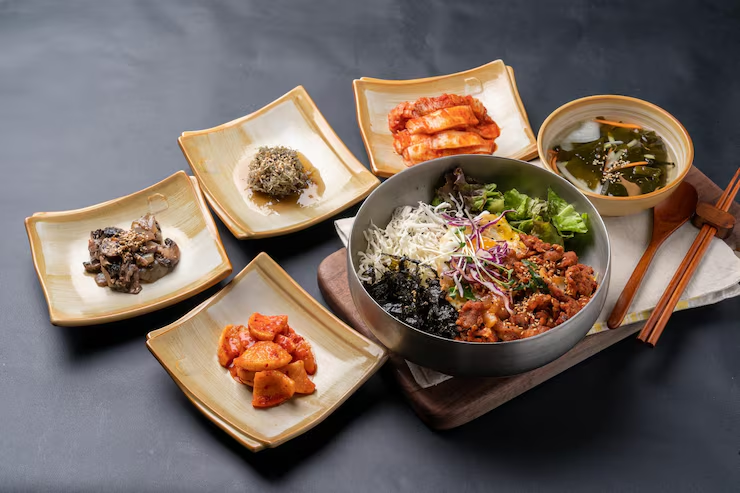
The Korean weight loss diet is a balanced, traditional way of eating based on whole, minimally processed foods such as vegetables, rice, fermented dishes, and lean proteins. Unlike restrictive fad diets, it allows for full meals with diverse flavors while promoting portion control and healthy digestion.
Korean meals are centered around side dishes, which naturally encourage eating a variety of nutrients without overindulging in one food group. There’s a cultural focus on balance—sweet, salty, spicy, and fermented tastes blend together, keeping meals satisfying and nutritious.
At its core, the Korean weight loss diet is about sustainability and wellness. It doesn’t cut out entire food groups but instead encourages moderation and mindful choices. This makes it more effective for long-term weight maintenance and overall health, rather than quick fixes or short-term results.
Why is the Korean Weight Loss Diet So Effective ?
The Korean weight loss diet is effective because it’s rooted in real food, cultural discipline, and nutritional balance. Instead of relying on calorie counting or cutting carbs, it promotes natural weight loss by prioritizing fiber-rich vegetables, fermented foods, and low-fat cooking techniques.
Its effectiveness also stems from portion control and a culture of shared meals. Eating with others and using smaller plates helps you eat slowly, recognize fullness, and avoid emotional eating. These habits support long-term weight control and reduce the risk of binge eating.
Additionally, fermented foods and teas help regulate gut health, which influences metabolism and fat storage. The Korean weight loss diet works not just because of what you eat—but how you eat it, creating an environment where weight loss happens naturally and consistently.
When Should You Start the Korean Weight Loss Diet ?
You can start the Korean weight loss diet anytime, but the best time is when you’re ready to embrace lifestyle changes, not just a temporary fix. It’s ideal for people who want to lose weight while still enjoying flavorful, satisfying meals without extreme restriction.
It’s particularly helpful if you’re struggling with bloating, digestion issues, or sugar cravings. The fermented foods and low-oil cooking help detox your system and rebalance your gut. Starting this diet after the holidays or before summer can help you feel lighter and more energetic.
There’s no perfect moment—just commit to small changes. Try adding kimchi to your meals, replacing sugary drinks with barley tea, or preparing banchan-style side dishes. The Korean weight loss diet is flexible and forgiving, making it suitable for gradual adoption or full immersion.
How Do You Follow the Korean Weight Loss Diet ?
To follow the Korean weight loss diet, begin by building your meals around vegetables, fermented dishes like kimchi, and a small portion of rice. Avoid processed and fried foods, and instead focus on steamed, boiled, or grilled options with natural flavorings.
Next, switch your beverages to traditional Korean teas like barley or corn tea. These support digestion and reduce sugar cravings. Practice mindful eating—slow down, chew thoroughly, and enjoy the experience of each meal without distractions. Incorporate physical activity, such as walking or light dance routines.
Start small. Maybe one Korean-style meal a day, then increase over time. Focus on consistency rather than perfection. The Korean weight loss diet is less about counting calories and more about choosing wholesome, nutrient-rich, and satisfying foods that naturally support weight loss and wellness.
Does the Korean Weight Loss Diet Work for Everyone ?
The Korean weight loss diet can work for most people because it focuses on natural foods, moderate portions, and healthy habits. It’s not about drastic restriction, so it’s easier to stick with over the long term. That said, results may vary based on your metabolism and lifestyle.
If you’re used to high-fat or processed foods, your body may take some time to adjust. The increase in vegetables and fermented foods may also cause temporary digestive changes. But most people find it easier to lose weight and maintain it using this gentle, sustainable method.
Before starting any new diet, consult with a healthcare provider, especially if you have underlying health conditions. That said, the Korean weight loss diet is generally safe, nutritious, and suitable for anyone seeking a holistic, flavorful way to improve their body and lifestyle.
Top Tips for an Effective Korean Weight Loss Diet
Embrace Kimchi and Fermented Foods

The heart of the Korean weight loss diet lies in its traditional dishes, and kimchi tops the list. Made from fermented cabbage and radish with chili pepper, garlic, and ginger, kimchi is not only low in calories but also packed with gut-healthy probiotics. These probiotics aid digestion, reduce inflammation, and enhance your body’s ability to burn fat naturally.
Eating kimchi and other fermented Korean foods like doenjang (fermented soybean paste) and makgeolli (rice wine) helps balance the gut microbiome, which plays a key role in metabolism and weight regulation. A balanced gut promotes better absorption of nutrients and reduces bloating and water retention.
Adding at least one fermented food to your daily meals is a simple yet powerful tip in the Korean weight loss diet. It supports both your digestive and immune systems while helping you achieve and maintain your ideal weight in a flavorful way.
Ingredients: Kimchi (fermented cabbage and radish, chili, garlic, ginger), doenjang (fermented soybean paste), makgeolli (rice wine)
Benefits:
Packed with gut-friendly probiotics that improve digestion and reduce bloating
Boosts metabolism and supports fat burning
Reduces inflammation and promotes a healthy immune system
Fermented foods balance the gut microbiome, enhancing nutrient absorption and aiding weight regulation. Adding at least one fermented food to your daily meals supports digestion and overall health while helping maintain a healthy weight.
Base Meals Around Vegetables
One of the defining features of the Korean weight loss diet is the generous use of vegetables. From spinach and zucchini to mushrooms and bean sprouts, vegetables form the bulk of every meal. These are typically steamed, stir-fried with minimal oil, or fermented, offering high fiber, low calories, and a satisfying texture.
The Korean philosophy encourages filling half your plate with vegetables. Not only does this ensure a variety of vitamins and minerals, but it also increases satiety, helping you eat less overall. A colorful plate is also psychologically satisfying and encourages mindful eating—a key component of sustainable weight loss.
Making vegetables the star of your plate allows you to eat more volume while consuming fewer calories. This strategy is a cornerstone of the Korean weight loss diet, supporting both fat loss and long-term health through nutrient-rich, low-calorie meals.
Ingredients: Spinach, zucchini, mushrooms, bean sprouts, cabbage, bell peppers
Benefits:
High fiber content promotes fullness and reduces overeating
Low in calories, nutrient-rich, supports weight loss
Encourages mindful eating and portion control
Vegetables form the bulk of every Korean meal, often steamed, stir-fried with minimal oil, or fermented. Filling half your plate with vegetables ensures satiety, provides vitamins and minerals, and supports sustainable fat loss.
Avoid Fried and Oily Foods

Unlike many Western diets, the Korean weight loss diet minimizes fried and oily foods. Traditional Korean cooking techniques like boiling, steaming, grilling, and stir-frying with minimal oil keep meals light yet flavorful. Excess oil, especially trans fats, leads to unnecessary calories and can slow down your metabolism.
Deep-fried foods are rarely part of the Korean dining table, especially for those mindful of their weight. Instead, dishes like samgyeopsal (grilled pork belly) are enjoyed grilled without excess oil, often wrapped in lettuce and served with garlic and fermented sauces for a low-calorie, high-protein meal.
To follow the Korean weight loss diet, reduce or eliminate deep-fried snacks and oily fast food from your meals. Choose lighter cooking methods, and let herbs, spices, and fermented sauces add flavor instead of heavy fats. This single change can significantly reduce your daily calorie intake and support faster fat loss.
Ingredients: Steamed, boiled, grilled, or lightly stir-fried foods; herbs, spices, fermented sauces
Benefits:
Reduces excess calorie intake from unhealthy fats
Supports metabolism and prevents fat accumulation
Encourages healthy cooking techniques that preserve nutrients
The Korean weight loss diet limits deep-fried foods. Choosing lighter cooking methods while seasoning with herbs, spices, and fermented sauces keeps meals flavorful and low-calorie, helping accelerate fat loss.
Eat Small Portions and Multiple Side Dishes (Banchan)
In Korea, meals are typically served with multiple small side dishes, or banchan, encouraging variety and portion control. Instead of piling food onto a single plate, the Korean weight loss diet emphasizes balance and diversity, allowing you to enjoy many different flavors without overeating.
Banchan usually includes vegetables, fermented foods, and small amounts of protein, keeping meals light yet satisfying. The psychology behind small plates and varied dishes naturally promotes slower eating, giving your brain time to recognize fullness, which reduces the risk of overconsumption.
Practicing portion control is critical in any weight loss plan. The Korean weight loss diet excels at this through cultural habits that encourage mindful eating. Incorporating banchan into your meals gives you the joy of multiple tastes while keeping calorie intake in check—perfect for anyone aiming to lose weight healthily.
Ingredients: Small portions of vegetables, fermented foods, lean proteins
Benefits:
Promotes portion control and reduces overeating
Encourages slower, mindful eating
Offers variety and balance in every meal
Banchan, the traditional small side dishes, allows for multiple flavors without excess calories. This structure naturally supports weight loss while keeping meals satisfying.
Eat More Rice, Less Bread and Pasta
While low-carb diets dominate the West, the Korean weight loss diet takes a different route. Steamed white or brown rice is preferred over bread or pasta. Unlike processed wheat products, rice is easier to digest and often consumed in smaller portions alongside nutrient-rich side dishes.
Rice complements the fiber-filled vegetables and lean proteins commonly found in Korean meals. It provides sustained energy without the sugar spikes associated with processed carbs. Koreans also tend to consume multi-grain rice, which includes barley, black rice, and beans for extra fiber and nutrients.
Switching from white bread or pasta to steamed rice as your main carbohydrate source aligns with the principles of the Korean weight loss diet. It’s a more balanced and digestible way to enjoy carbs while keeping your insulin levels stable and supporting fat burning throughout the day.
Ingredients: Steamed white or brown rice, multi-grain rice with barley, black rice, beans
Benefits:
Provides digestible carbohydrates and sustained energy
Supports stable insulin levels and prevents sugar spikes
Complements fiber-rich vegetables and lean proteins
Replacing bread and pasta with steamed or multi-grain rice aligns with Korean dietary principles, supporting fat burning while keeping meals balanced.
Drink Barley Tea or Corn Tea Instead of Sugary Drinks

Beverage choices significantly impact weight loss. In Korea, boricha (barley tea) and oksusu cha (corn tea) are common drinks. Naturally caffeine-free and low in calories, they promote hydration without added sugars. The Korean weight loss diet recommends these teas over sodas or sweetened beverages.
Barley tea has antioxidants and aids digestion, while corn tea helps flush out toxins and reduce bloating. These drinks are often served with meals to enhance digestion and reduce cravings. Their mild flavor also makes them a soothing replacement for sugary coffee drinks or energy drinks.
Replacing sugary drinks with traditional Korean teas aligns with the Korean weight loss diet’s focus on natural, health-promoting habits. This simple switch can help reduce your calorie intake, support detoxification, and improve your digestion—all essential for healthy, long-term weight loss.
Ingredients: Boricha (barley tea), Oksusu cha (corn tea)
Benefits:
Low-calorie hydration without added sugar
Supports digestion, reduces bloating, and aids detoxification
Antioxidants in tea improve overall health
Switching from sodas or sweetened drinks to traditional teas reduces calorie intake and enhances the effectiveness of the Korean weight loss diet.
Practice Slow and Mindful Eating

In Korean culture, meals are a time to connect and reflect—not rush. The Korean weight loss diet encourages eating slowly and chewing food thoroughly. This allows better digestion and gives your body time to signal fullness, preventing overeating.
Mindful eating is more than just slowing down—it’s about appreciating your food. In Korea, meals are often shared, and there’s a ritual of gratitude that fosters awareness of what and how much you’re eating. This contrasts with the Western habit of eating on the go or in front of screens.
By taking time with your meals, you’ll notice you’re full sooner and satisfied with less. The Korean weight loss diet supports this by offering smaller portions and encouraging a balanced, thoughtful approach to every bite. It’s not just what you eat, but how you eat that makes the difference.
Ingredients: All meals—focus on chewing thoroughly, appreciating flavors
Benefits:
Helps the body recognize fullness faster, reducing overeating
Improves digestion and nutrient absorption
Supports sustainable, mindful eating habits
Slow eating, a key cultural practice in Korea, pairs perfectly with smaller portions and a balanced diet, maximizing satiety and weight loss.
Incorporate Regular Physical Movement
Although not strictly part of diet, regular movement is essential in the Korean weight loss diet lifestyle. In Korea, people often walk to destinations, take stairs, or engage in low-impact exercise like K-pop dance routines, yoga, or hiking. These activities complement the diet and accelerate weight loss.
Unlike aggressive gym workouts, the Korean approach to fitness is more about consistency than intensity. Daily walks, stretching, or dancing can help maintain muscle tone and improve metabolism. These activities also improve mental health, supporting a balanced lifestyle.
Pairing physical activity with a structured meal plan like the Korean weight loss diet boosts results significantly. It keeps your metabolism active and supports calorie burning while promoting an overall sense of well-being. Sustainable fitness, combined with a nourishing diet, is the key to lasting transformation.
Ingredients: Walking, hiking, yoga, K-pop dance routines, low-impact exercises
Benefits:
Boosts metabolism and promotes fat loss
Maintains muscle tone and improves cardiovascular health
Enhances mental health and overall energy
Consistent daily movement complements the Korean weight loss diet. Simple activities like walking or dancing help maintain metabolism, support weight loss, and improve overall wellness.
Conclusion
The Korean weight loss diet is more than just a trend—it’s a time-tested approach rooted in culture, health, and balance. From fermented foods and vegetable-based meals to mindful eating and daily movement, this lifestyle promotes sustainable, enjoyable weight loss without deprivation.
With its focus on real, unprocessed ingredients and cultural practices that support moderation, the Korean weight loss diet offers a refreshing and effective path to wellness. Whether you’re looking to lose a few pounds or completely revamp your eating habits, it’s a plan worth trying.
Start with one tip today—maybe a cup of barley tea or a side of kimchi—and slowly build habits that transform your health and your waistline. Your journey with the Korean weight loss diet starts now.
FAQs
Q1. What foods are typically included in a Korean weight loss diet ?
Traditional Korean foods like vegetables, fermented dishes (e.g., kimchi), rice, lean proteins (fish, tofu, chicken), seaweed, soups, and teas.
Q2. Can I eat rice on the Korean weight loss diet ?
Yes, rice is allowed but typically consumed in moderate portions and often paired with vegetables and protein.
Q3. Is kimchi good for weight loss ?
Yes, kimchi is low in calories, high in fiber, and contains probiotics that may aid digestion and metabolism.
Q4. Are dairy products included in the Korean weight loss diet ?
No, most Korean diets limit or exclude dairy products, relying instead on plant-based calcium sources.
Q5. How many meals do people typically eat on this diet ?
Usually three meals a day, with minimal snacking and a focus on home-cooked, balanced portions.