


When people talk about achieving better health, losing extra weight, or simply feeling more energized, the word metabolism always comes into play. At the heart of this lies the importance of metabolism boosting foods, which play a vital role in keeping your body active, alert, and functioning at its best. Your metabolism is the process by which your body converts what you eat and drink into energy, and it is influenced by a variety of factors such as age, gender, physical activity, and diet. Including the right metabolism boosting foods in your routine can make a significant difference in the way you feel each day.
Unlike temporary solutions or crash diets, adopting metabolism boosting foods is a natural and sustainable way to encourage fat burning, increase energy expenditure, and promote overall wellness. Think of it this way: your body is like a machine, and these foods act like premium fuel. The better the quality of your fuel, the smoother your machine runs. By focusing on nutrient-rich options like lean proteins, whole grains, green vegetables, and certain spices, you can ignite your metabolism in a safe, effective, and long-term manner.
More importantly, metabolism boosting foods are not just about weight management—they contribute to balancing hormones, stabilizing blood sugar levels, and supporting a healthy digestive system. Whether you are someone aiming for weight loss, muscle gain, or simply improved vitality, integrating these foods can transform your health journey. In this article, we will deeply explore the most effective metabolism boosting foods, explain why they work, and provide insights into how you can practically add them to your daily meals for sustainable results. 🌱
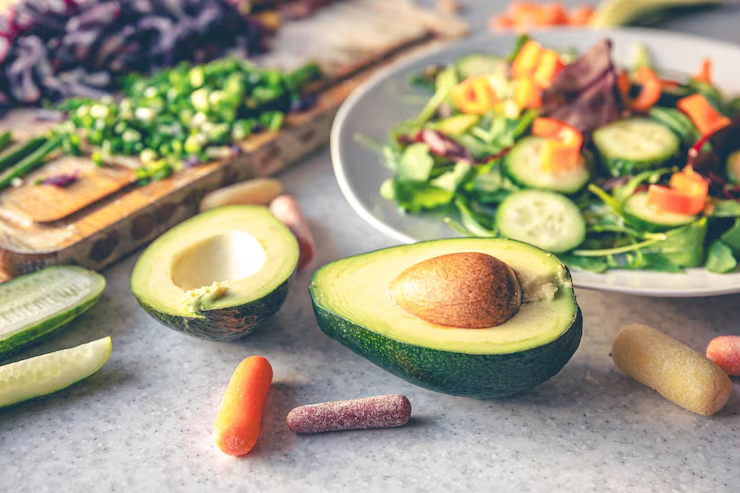
What Are Metabolism Boosting Foods?
Metabolism boosting foods are specific nutrient-dense options that stimulate your metabolic rate and allow your body to burn calories more efficiently. These foods encourage thermogenesis—the process where your body produces heat and energy by digesting food. Essentially, they help your body work harder without you even realizing it.
When you consume metabolism boosting foods, you give your body the advantage of naturally increasing calorie expenditure. This is not about gimmicks or miracle solutions but about selecting foods that have scientifically proven properties to enhance metabolic activity. For instance, proteins require more energy for digestion compared to fats and carbohydrates, while spicy foods like chili peppers temporarily raise body temperature, leading to increased calorie burning.
These foods are crucial because metabolism is not solely determined by genetics. While genetics play a role, lifestyle and food choices have a greater impact. By regularly incorporating metabolism boosting foods, you empower your system to work more efficiently. Think of them as allies in your daily diet that support weight management, energy production, and long-term wellness. In the following sections, we’ll cover why these foods are essential and highlight some of the most effective ones you can start using immediately.
Why Should You Focus on Metabolism Boosting Foods?
The simple answer: because metabolism boosting foods help your body function at its optimal level. Here are three main reasons why you should prioritize them:
First, they promote natural weight management. Unlike restrictive diets that often backfire, metabolism boosting foods encourage your body to burn calories more efficiently. This means you can enjoy sustainable weight control without starving yourself or giving up the foods you love.
Second, these foods support higher energy levels throughout the day. Since your metabolism determines how efficiently your body converts food into energy, adding foods that stimulate it ensures you feel more active, productive, and alert. Imagine reducing that mid-afternoon slump just by making better meal choices—this is exactly what metabolism boosting foods can do.
Third, these foods protect long-term health. They are typically rich in vitamins, minerals, antioxidants, and fiber, which not only boost metabolism but also strengthen immunity, improve digestion, and support cardiovascular health. By focusing on metabolism boosting foods, you’re not only aiming for weight loss or energy—you’re investing in your overall well-being.
Top Metabolism Boosting Foods and Their Benefits
Lean Protein Sources: Chicken, Turkey, and Fish 🐟
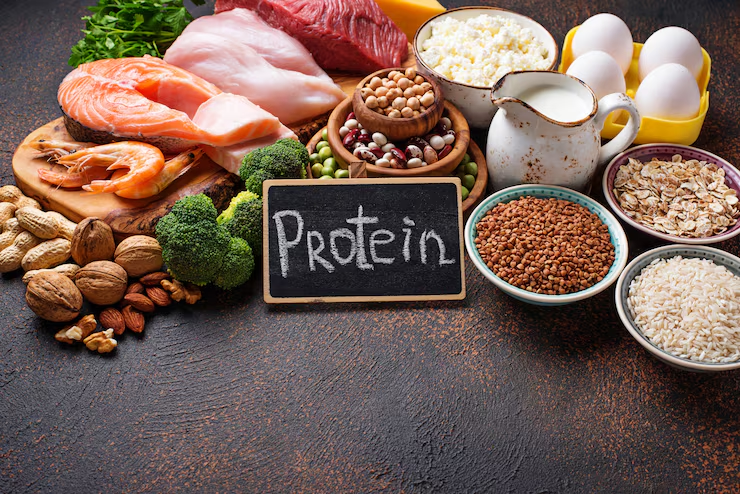
Protein is known as the king of metabolism boosting foods, and for good reason. When you consume lean protein sources like chicken, turkey, or fish, your body requires significantly more energy to break them down compared to fats or carbs. This phenomenon is known as the “thermic effect of food” (TEF), which can increase your calorie burn by up to 30%.
Lean proteins also help preserve and build muscle mass, which is critical because muscles are metabolically active tissues. The more muscle you have, the more calories you burn—even at rest. For example, consuming grilled chicken breast after a workout not only aids recovery but also keeps your metabolism humming.
Moreover, protein-rich metabolism boosting foods stabilize blood sugar levels, preventing energy crashes and sugar cravings. This makes them ideal for individuals aiming to lose weight or manage conditions like insulin resistance. By replacing refined carbs with protein-based meals, you ensure steady energy and enhanced fat oxidation.
Incorporating lean proteins into your diet can be as simple as adding fish to salads, preparing turkey wraps, or enjoying grilled chicken with vegetables. Aim for at least one protein-rich food in every meal to maximize benefits.
Whole Grains: Oats, Brown Rice, and Quinoa 🌾
Whole grains rank high among metabolism boosting foods because they are fiber-rich and require more energy for digestion compared to processed grains. The high fiber content slows down digestion, stabilizes blood sugar levels, and keeps you full for longer, preventing overeating.
When you consume options like oats, brown rice, or quinoa, your body expends more calories breaking them down due to their complex structure. This is in contrast to refined grains such as white bread or pasta, which digest quickly and spike insulin levels. By choosing whole grains, you help your body work harder, thereby increasing your metabolic rate.
Additionally, whole grains are packed with essential nutrients like B vitamins, iron, and magnesium. These nutrients play critical roles in energy metabolism, ensuring your body efficiently converts food into fuel. Studies show that people who consume more whole grains tend to have healthier body weights and lower risks of chronic diseases.
To include these metabolism boosting foods, start your morning with oatmeal topped with fruits, substitute white rice with brown rice, or try quinoa as a side dish with lean protein. These simple swaps can lead to lasting improvements in metabolism and overall health.
Green Tea and Matcha 🍵

Among the most famous metabolism boosting foods, green tea and its concentrated form, matcha, stand out as scientifically backed solutions for accelerating fat burning and improving energy levels. Green tea contains catechins, particularly epigallocatechin gallate (EGCG), which enhances thermogenesis—the process by which your body produces heat and burns calories. This thermogenic effect means that simply drinking green tea regularly can contribute to higher calorie expenditure even at rest.
Matcha, a powdered form of green tea, is even more potent because it contains the entire leaf, delivering higher concentrations of antioxidants and caffeine. The combination of caffeine and catechins creates a powerful synergy that enhances both fat oxidation and metabolic activity. Studies suggest that consuming green tea or matcha before physical activity can increase fat burning during exercise, making them excellent companions for fitness enthusiasts.
Another advantage of including green tea and matcha in your list of metabolism boosting foods is their ability to regulate blood sugar and improve insulin sensitivity. This prevents sudden energy crashes and cravings, supporting steady energy throughout the day. Unlike sugary beverages, green tea is a calorie-free drink, making it a smart replacement for sodas and juices that slow metabolism due to excess sugar.
Incorporating these drinks into your routine is simple. Start your morning with a warm cup of matcha instead of coffee, sip green tea between meals, or use matcha powder in smoothies. Over time, the consistent use of these metabolism boosting foods can enhance fat loss, improve concentration, and promote longevity thanks to their high antioxidant content.
Chili Peppers 🌶️
Chili peppers deserve a spotlight in the category of metabolism boosting foods because of their unique compound called capsaicin. This bioactive ingredient is responsible for the heat you feel when eating spicy foods, and it plays a critical role in boosting thermogenesis. When consumed, capsaicin temporarily raises body temperature, leading to an increase in calorie expenditure. This process, often referred to as the “afterburn effect,” ensures that your body continues burning calories even after the meal is over.
Beyond calorie burning, chili peppers help suppress appetite. Research shows that capsaicin reduces hunger hormones, making you feel fuller and less likely to overeat. By reducing overall calorie intake while increasing calorie expenditure, chili peppers create a double benefit for weight management. This is why they are often highlighted in discussions about natural metabolism boosting foods.
Additionally, chili peppers are rich in vitamins A and C, which support immunity and overall health. The antioxidants present in peppers help combat oxidative stress, reducing inflammation that can slow down metabolism. Spicy foods also stimulate better circulation, aiding in nutrient delivery and waste removal.
Incorporating chili peppers into your diet doesn’t mean every meal has to be fiery hot. You can add fresh peppers to salads, sprinkle chili flakes on eggs, or cook meals with hot sauces made from natural ingredients. Even small amounts of capsaicin consumed regularly can contribute to metabolic improvements. For individuals who enjoy spicy foods, chili peppers are not only delicious but also one of the most accessible metabolism boosting foods you can add to your kitchen.
Eggs 🍳
Eggs have long been considered a nutritional powerhouse, and they are undoubtedly among the most effective metabolism boosting foods. Rich in high-quality protein, eggs trigger a strong thermic effect of food, meaning your body works harder to digest them compared to simple carbohydrates or fats. This elevated calorie burn contributes to a more active metabolism throughout the day.
In addition to protein, eggs are packed with essential nutrients such as B vitamins, choline, and selenium. B vitamins, in particular, are vital for converting food into energy efficiently. They play a direct role in breaking down fats, proteins, and carbohydrates, ensuring your metabolism functions at its peak. Consuming eggs regularly helps support the production of enzymes that regulate energy balance in the body.
Eggs also support muscle development and repair, which is crucial since muscle mass directly influences metabolic rate. The more muscle you build, the higher your resting metabolic rate, meaning you burn more calories even while sleeping. This is why eggs are often recommended in high-protein diets that focus on sustainable weight management.
One of the greatest advantages of eggs as metabolism boosting foods is their versatility. You can prepare them boiled, scrambled, poached, or baked into a variety of dishes. Starting your morning with eggs instead of refined cereals provides steady energy and reduces mid-morning cravings. They also pair well with vegetables, creating nutrient-rich meals that keep metabolism active.
Legumes: Beans, Lentils, and Chickpeas 🌱
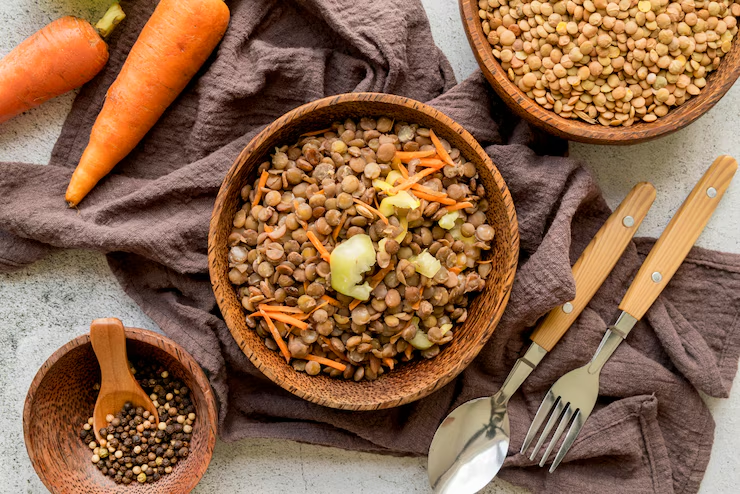
Legumes, including beans, lentils, and chickpeas, are not only affordable and accessible but also rank high among metabolism boosting foods due to their rich protein and fiber content. Like lean meats and eggs, legumes create a strong thermic effect of food, meaning your body expends more energy digesting them compared to simple carbohydrates.
The high fiber content in legumes plays an equally important role. Fiber slows down digestion, stabilizes blood sugar levels, and promotes feelings of fullness, preventing overeating. This dual effect of protein and fiber makes legumes ideal for enhancing metabolism and supporting weight management. For individuals looking for plant-based options, legumes are excellent alternatives to animal proteins.
Legumes are also nutrient-dense, offering a variety of vitamins and minerals such as iron, magnesium, and potassium. These nutrients are crucial for energy production, oxygen transport, and muscle function—all of which impact metabolic efficiency. Regular consumption of legumes also supports a healthy gut microbiome, which emerging research suggests has a significant influence on metabolic health.
Adding legumes to your diet can be simple and enjoyable. Use lentils in soups and stews, prepare bean salads, or make hummus with chickpeas. By including them in meals a few times a week, you benefit from one of the most sustainable and versatile metabolism boosting foods.
Nuts and Seeds 🥜🌻
Nuts and seeds are nutrient-rich metabolism boosting foods packed with healthy fats, proteins, and fiber. Despite their calorie density, these foods can actually support weight management and improve metabolism when consumed in moderation. Their high protein content increases the thermic effect of food, while fiber aids digestion and stabilizes energy levels.
Almonds, walnuts, chia seeds, flaxseeds, and sunflower seeds all provide essential fatty acids that support hormonal balance. Hormones such as thyroid hormones and insulin are directly linked to metabolism, and maintaining their balance is essential for effective calorie burning. The omega-3 fatty acids found in walnuts and flaxseeds, in particular, reduce inflammation, allowing the body to function more efficiently.
Furthermore, nuts and seeds provide magnesium, a mineral necessary for over 300 enzymatic reactions in the body, many of which regulate energy production. Without adequate magnesium, metabolism may slow down, leading to fatigue and weight gain. This makes nuts and seeds essential components of a diet focused on metabolic health.
Incorporating these metabolism boosting foods can be as easy as snacking on a handful of almonds, adding chia seeds to smoothies, or sprinkling flaxseeds over yogurt. Their convenience and portability make them excellent choices for on-the-go nutrition.
Leafy Greens: Spinach, Kale, and Swiss Chard 🥬
Leafy greens are not just low in calories; they are also among the most powerful metabolism boosting foods thanks to their rich nutrient profile. Spinach, kale, and Swiss chard are loaded with iron, calcium, and magnesium—all of which are critical for energy metabolism and overall vitality.
Iron, in particular, is vital for transporting oxygen to muscles and tissues. Without adequate oxygen supply, your body cannot efficiently burn calories during physical activity. Calcium has also been shown to influence how fat is stored and broken down, while magnesium supports energy production at the cellular level. Together, these nutrients ensure a smooth-running metabolic system.
Leafy greens are also high in dietary fiber, which aids digestion and helps regulate blood sugar levels. The more stable your blood sugar, the more consistent your energy levels, which prevents fatigue and supports metabolic health. Antioxidants like vitamin C and beta-carotene further protect cells from oxidative stress, ensuring long-term metabolic efficiency.
Adding leafy greens to your diet is simple. Use them in salads, smoothies, stir-fries, or as side dishes with lean proteins. The more colorful and varied your plate, the greater the nutritional benefits you’ll gain.
Conclusion

In today’s fast-paced world, many people search for quick solutions to improve energy, burn fat, and achieve better health. However, true and lasting results come from building sustainable habits, starting with what you eat. Incorporating metabolism boosting foods into your daily diet is one of the most effective ways to support calorie burning, stabilize blood sugar, and fuel your body with essential nutrients. Unlike fad diets or extreme restrictions, these foods work with your body’s natural processes, making them both practical and sustainable for long-term wellness.
The variety of metabolism boosting foods ensures there is something for everyone. From protein-rich options like eggs and legumes to antioxidant-packed choices such as green tea, matcha, and leafy greens, each category offers unique benefits for energy and fat metabolism. Nuts and seeds provide healthy fats to balance hormones, while chili peppers increase thermogenesis for greater calorie burn. By consistently including these nutrient-dense foods in your meals, you not only enhance metabolic efficiency but also enjoy better digestion, improved concentration, and reduced cravings. This makes weight management less about restriction and more about nourishment, balance, and enjoyment.
Still, nutrition is only one part of the bigger picture. For the best results, pair your intake of metabolism boosting foods with regular exercise, quality sleep, proper hydration, and stress management. This holistic approach ensures your metabolism runs smoothly, while also supporting overall vitality and resilience. Small, consistent changes—like replacing sugary drinks with green tea or adding legumes to your weekly meals—can create lasting transformations over time. By stocking your kitchen with these powerful foods and making mindful lifestyle choices, you set the stage for a healthier, more energized, and confident version of yourself.
FAQs
Q1: How often should I eat these foods to see results?
To see consistent results, aim to include them in every meal rather than occasionally. Making them part of your daily diet helps keep your metabolic rate elevated throughout the day. Over time, this consistency leads to noticeable improvements in energy, weight management, and overall wellness.
Q2: Can these foods help with weight loss without exercise?
Yes, they can support weight loss even without exercise because they naturally increase calorie expenditure. However, pairing them with regular physical activity enhances results significantly. While these foods help raise your resting metabolic rate, exercise builds muscle, which burns more calories even at rest.
Q3: Are these foods safe for everyone, including people with health conditions?
In general, they are safe since they include natural items like lean proteins, whole grains, vegetables, and spices. However, individuals with specific health conditions such as thyroid disorders, diabetes, or digestive issues should consult a healthcare professional before making major dietary changes to ensure safety.
Q4: How quickly will I notice changes after adding them to my diet?
Results vary from person to person. Some notice increased energy within just a few days, while weight management benefits may take several weeks. Because these foods promote gradual and sustainable changes, the key is patience and consistency. Over time, you’ll likely experience better digestion, more stable energy, and healthier weight control.
Q5: Do I need supplements if I already eat these foods?
In most cases, supplements are unnecessary if your diet already includes a wide variety of nutrient-dense options such as proteins, whole grains, fruits, and vegetables. Whole foods provide a balanced mix of nutrients that your body absorbs more effectively. Supplements should only be considered if recommended by a healthcare professional for specific deficiencies.