


Maintaining a healthy brain is essential for overall well-being, mental clarity, and cognitive performance. The foods we consume play a significant role in how our brain functions daily. Unfortunately, certain foods can negatively impact memory, focus, and overall mental health. By understanding which foods to avoid, you can actively protect your brain from damage and enhance cognitive functions. In this article, we will explore the worst foods for brain health, shedding light on their adverse effects and offering practical alternatives for better brain nutrition.
It is important to recognize that a diet rich in processed foods, unhealthy fats, and added sugars can disrupt brain function. Studies have shown that poor dietary choices are linked with cognitive decline, mood disorders, and even neurodegenerative diseases. Learning about the worst foods for brain health will help you make informed decisions and prioritize nutrient-rich meals that support mental performance. Avoiding these foods can also improve energy levels, focus, and memory retention over time.
Understanding the connection between diet and brain health empowers individuals to take charge of their mental wellness. This article is designed to provide a detailed guide on the worst foods for brain health, highlighting the specific types of food that should be limited or eliminated from your diet. By following the advice provided, you can foster a lifestyle that promotes cognitive longevity, reduces brain fog, and enhances overall mental clarity.
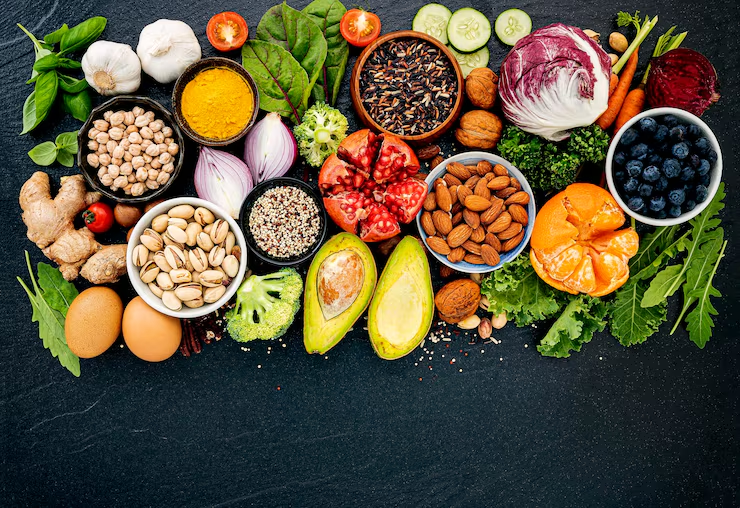
What Are the Worst Foods for Brain Health?
The term “worst foods for brain health” refers to foods that have been scientifically proven to impair cognitive function, hinder memory, and increase the risk of neurodegenerative diseases. These foods often contain high amounts of unhealthy fats, refined sugars, or artificial additives that disrupt the brain’s delicate balance of chemicals and energy supply. Consuming these foods regularly can lead to long-term damage to neurons and affect the brain’s ability to process information effectively.
Most of the worst foods for brain health are highly processed and readily available in the modern diet. These include sugary beverages, fried foods, refined grains, and certain processed meats. Although these items may taste appealing, they often lack essential nutrients that support brain function. Over time, their consumption can result in reduced memory capacity, poor focus, and even mood disturbances. Recognizing these foods and avoiding them is a crucial step toward maintaining optimal mental performance.
Identifying the worst foods for brain health allows individuals to make healthier dietary choices that enhance cognitive abilities. Instead of relying on empty calories, it is beneficial to consume foods rich in antioxidants, omega-3 fatty acids, and essential vitamins. By replacing harmful foods with nutrient-dense alternatives, you provide your brain with the tools it needs to function efficiently and protect against age-related decline.
Why Avoid the Worst Foods for Brain Health
The brain is one of the most energy-demanding organs in the human body, and its proper functioning depends heavily on nutrition. Eating the worst foods for brain health can disrupt neurotransmitter function, increase inflammation, and impair blood flow to critical areas of the brain. These effects can result in diminished mental clarity, slower cognitive processing, and even emotional instability. Avoiding these foods is essential for maintaining optimal brain health.
Regular consumption of foods high in trans fats, refined sugars, and additives can contribute to oxidative stress and inflammation in the brain. Oxidative stress damages neurons and leads to premature aging of the brain. By steering clear of the worst foods for brain health, you reduce the risk of cognitive decline and support the brain’s ability to regenerate and maintain healthy neural connections. This proactive approach is crucial for long-term mental wellness.
Choosing to avoid the worst foods for brain health not only enhances cognitive function but also improves overall physical health. Poor dietary habits are linked with obesity, diabetes, and cardiovascular issues, all of which negatively affect the brain. By understanding the dangers of these foods and making conscious dietary adjustments, you ensure that your brain receives the nutrients it needs to operate at peak performance while reducing the risk of neurological disorders.
Top Worst Foods for Brain Health and Their Effects
Sugary Beverages

Sugary beverages, including sodas, energy drinks, and sweetened juices, are among the worst foods for brain health. These drinks contain high levels of refined sugar, which cause rapid spikes in blood glucose followed by sudden crashes. This unstable blood sugar pattern can negatively affect memory, concentration, and overall cognitive function. Over time, regular consumption of sugary beverages is associated with a higher risk of neurodegenerative diseases and mood disorders, making them a major threat to mental performance.
Consuming sugary drinks regularly leads to inflammation in the brain and damages neurons responsible for learning and memory. Research indicates that diets high in sugar reduce the production of brain-derived neurotrophic factor (BDNF), a protein essential for the growth of new neurons and synapses. As a result, individuals who frequently consume sugary beverages may experience brain fog, poor focus, and difficulty retaining information. Recognizing these beverages as one of the worst foods for brain health is vital for maintaining mental clarity and cognitive longevity.
Nutritional Benefits: Sugary beverages provide minimal to no nutritional value. They mainly supply empty calories with no essential vitamins or minerals necessary for brain function. The high sugar content overwhelms the body, leaving little room for nutrient absorption that supports cognitive performance.
How to Make It: Replace sugary drinks with natural alternatives like infused water, unsweetened herbal teas, or fresh fruit juices without added sugar. These options maintain hydration, supply antioxidants, and support stable energy levels, reducing the negative impact on the brain while enhancing focus and memory retention.
Fried and Processed Foods
Fried foods such as French fries, fried chicken, and packaged snacks are widely regarded as some of the worst foods for brain health. These foods are high in trans fats and unhealthy saturated fats, which impair neural communication and decrease cognitive flexibility. Consuming fried and processed foods regularly can increase oxidative stress and inflammation in the brain, weakening the structures responsible for memory and learning.
In addition, processed foods often contain artificial additives and preservatives that interfere with neurotransmitter function. Regular intake of these foods has been linked to diminished memory capacity, slower processing speed, and increased risk of neurodegenerative diseases like Alzheimer’s. By avoiding fried and processed items, you provide your brain with the stability it needs to function efficiently and maintain optimal mental performance.
Nutritional Benefits: Fried and processed foods generally offer little nutritional value. They are calorie-dense but nutrient-poor, lacking essential vitamins, minerals, and antioxidants necessary for brain health.
How to Make It: Prepare baked, grilled, or steamed alternatives using healthy oils like olive or avocado oil. Incorporating fresh vegetables, whole grains, and lean proteins in meals reduces reliance on fried foods while supplying nutrients that support memory, focus, and overall cognitive function.
Refined Carbohydrates

Refined carbohydrates, including white bread, pastries, and pasta made from white flour, rank among the worst foods for brain health. These foods are digested quickly, causing rapid blood sugar spikes followed by crashes, which negatively affect brain function and mood regulation. The consistent consumption of refined carbs can contribute to insulin resistance, a condition linked to cognitive decline and a higher risk of dementia.
High intake of refined carbohydrates also reduces the availability of nutrients necessary for neurotransmitter synthesis, affecting memory, focus, and attention span. By replacing refined carbs with whole grains, you provide the brain with a slower, more stable energy source, supporting improved cognitive function and reducing the risk of mental fatigue.
Nutritional Benefits: Refined carbs are low in fiber, vitamins, and minerals. Unlike whole grains, they fail to provide nutrients that protect brain cells from oxidative stress or promote neurotransmitter function.
How to Make It: Opt for whole grains such as brown rice, quinoa, and whole wheat bread. These options provide fiber, B vitamins, and essential minerals that enhance brain health, stabilize energy, and improve memory and concentration.
Artificial Sweeteners
Artificial sweeteners, such as aspartame and saccharin, are considered some of the worst foods for brain health. These chemicals can alter brain chemistry, disrupt neurotransmitter activity, and negatively affect mood and cognitive function when consumed excessively. Long-term use may increase the risk of memory impairment and mental fatigue.
Studies suggest that artificial sweeteners can interfere with the brain’s ability to process natural signals of hunger and reward, potentially contributing to brain fog and reduced mental clarity. They also lack essential nutrients needed for neuronal health, making them poor substitutes for natural sugars. Recognizing artificial sweeteners as detrimental allows individuals to prioritize natural, brain-friendly sweeteners.
Nutritional Benefits: Artificial sweeteners provide zero nutritional benefits. They do not supply vitamins, minerals, or antioxidants necessary for cognitive health and may even interfere with metabolic processes affecting the brain.
How to Make It: Replace artificial sweeteners with natural options like honey, stevia, or pure maple syrup in moderation. These alternatives provide minimal sugars while supporting brain function without causing rapid blood sugar fluctuations or neurotransmitter disruption.
Highly Processed Meats

Highly processed meats, including sausages, bacon, and hot dogs, are among the worst foods for brain health due to their high content of preservatives, nitrates, and unhealthy fats. These additives increase oxidative stress and inflammation in the brain, reducing cognitive function over time. Consuming processed meats regularly is associated with memory impairment, decreased learning ability, and a higher risk of neurodegenerative disorders.
Processed meats also contain high levels of saturated fats, which negatively impact blood flow to the brain and hinder the delivery of oxygen and nutrients necessary for optimal mental performance. Minimizing intake of these meats helps preserve cognitive function and supports the long-term health of neurons.
Nutritional Benefits: While processed meats provide protein, the presence of harmful additives and saturated fats outweighs their benefits. They do not contribute significant vitamins or antioxidants for brain health.
How to Make It: Choose lean, unprocessed proteins such as chicken, turkey, or fish. These alternatives supply essential amino acids for neurotransmitter production without harmful chemicals that threaten cognitive health.
Trans Fats
Trans fats, often found in margarine, packaged baked goods, and fried foods, are recognized as some of the worst foods for brain health. They impair memory, reduce cognitive performance, and increase brain inflammation. Regular consumption has been linked to reduced brain volume and a higher risk of Alzheimer’s disease.
Trans fats also negatively affect cardiovascular health, which directly impacts brain function by reducing blood flow and oxygen delivery. Eliminating trans fats from the diet allows the brain to maintain proper neuronal activity, improving focus, attention, and overall cognitive function.
Nutritional Benefits: Trans fats provide no nutritional value and are harmful even in small quantities. They do not support brain health and contribute solely to long-term damage.
How to Make It: Replace trans fats with healthy fats from nuts, seeds, avocados, and fatty fish. These options support memory, neurotransmitter function, and reduce inflammation, offering a protective effect for cognitive health.
Excessive Alcohol

Excessive alcohol intake is considered one of the worst foods for brain health because it acts as a neurotoxin. It disrupts neurotransmitter balance, reduces brain volume, and impairs learning and memory functions. Chronic alcohol consumption increases the risk of cognitive decline, dementia, and other neurological disorders.
Alcohol also interferes with nutrient absorption, depleting the brain of essential vitamins like B1 (thiamine), which are necessary for proper neural function. This deficiency can exacerbate cognitive impairments and lead to long-term brain damage if alcohol consumption is not moderated.
Nutritional Benefits: Alcohol provides minimal nutrients and does not support cognitive health. Its primary effect is damaging rather than nourishing, making it detrimental when consumed in excess.
How to Make It: Limit alcohol intake or replace it with antioxidant-rich beverages such as green smoothies, herbal teas, or fresh juices. These alternatives promote brain health while providing essential nutrients and hydration.
Highly Salted Foods
Excessively salted foods, particularly processed and packaged items, are among the worst foods for brain health. High sodium intake increases blood pressure, reduces blood flow to the brain, and negatively affects memory and cognitive function. Over time, excessive salt consumption contributes to vascular problems and age-related cognitive decline.
High sodium levels also exacerbate inflammation in the brain, impairing neurotransmitter function and reducing mental sharpness. Avoiding highly salted foods supports better circulation, improved neuronal activity, and overall brain health.
Nutritional Benefits: Sodium is essential in small amounts, but excessive salt provides no additional benefits and can harm brain function. Moderation is key to preserving cognitive health.
How to Make It: Use natural herbs, spices, and fresh ingredients for flavoring instead of salt. Fresh fruits, vegetables, and whole foods naturally enhance taste while maintaining healthy sodium levels, protecting brain function and cognitive clarity.
Conclusion

Avoiding the worst foods for brain health is a critical step toward maintaining mental clarity, cognitive performance, and long-term brain function. Sugary beverages, fried and processed foods, refined carbohydrates, artificial sweeteners, processed meats, trans fats, excessive alcohol, and highly salted foods all pose serious risks to brain health. Recognizing these foods and understanding their impact empowers individuals to make informed dietary choices that support mental well-being.
Replacing harmful foods with nutrient-rich alternatives provides essential vitamins, minerals, antioxidants, and healthy fats that enhance neurotransmitter function, improve memory retention, and reduce inflammation in the brain. Whole grains, lean proteins, nuts, seeds, fatty fish, and fresh fruits and vegetables are excellent choices for nourishing the brain and promoting cognitive longevity.
Adopting a diet that avoids the worst foods for brain health not only improves cognitive function but also supports overall physical wellness. By making conscious decisions and prioritizing brain-friendly foods, you protect against age-related decline, mood disturbances, and memory loss. A commitment to brain-healthy nutrition lays the foundation for lifelong mental clarity, energy, and well-being.
FAQs
Q1. What are the most common foods classified as the worst foods for brain health?
The most common foods considered the worst foods for brain health include sugary beverages, fried and processed foods, refined carbohydrates, artificial sweeteners, processed meats, trans fats, excessive alcohol, and highly salted foods. These items negatively impact memory, focus, and overall cognitive performance when consumed regularly.
Q2. How do the worst foods for brain health affect cognitive function?
These foods disrupt neurotransmitter activity, increase oxidative stress, and cause inflammation in the brain. Over time, their consumption can lead to memory problems, decreased focus, mood swings, and even heightened risk of neurodegenerative diseases like Alzheimer’s, emphasizing the importance of avoiding them.
Q3. Can replacing the worst foods for brain health improve mental clarity?
Yes, replacing harmful foods with nutrient-rich alternatives supports neurotransmitter function, enhances memory, and stabilizes energy levels. Consuming whole grains, healthy fats, lean proteins, and antioxidant-rich foods strengthens the brain, improves focus, and promotes long-term cognitive health.
Q4. Are sugary beverages really harmful to the brain?
Sugary beverages are among the worst foods for brain health because they cause rapid blood sugar spikes and crashes, leading to brain fog, decreased focus, and increased risk of cognitive decline. Replacing them with water or natural juices is highly recommended for brain health.
Q5. How often should one avoid the worst foods for brain health?
For optimal cognitive function, the worst foods for brain health should be minimized or eliminated from the diet as much as possible. Consuming them occasionally may be unavoidable, but frequent intake significantly increases the risk of memory impairment and long-term brain damage.