

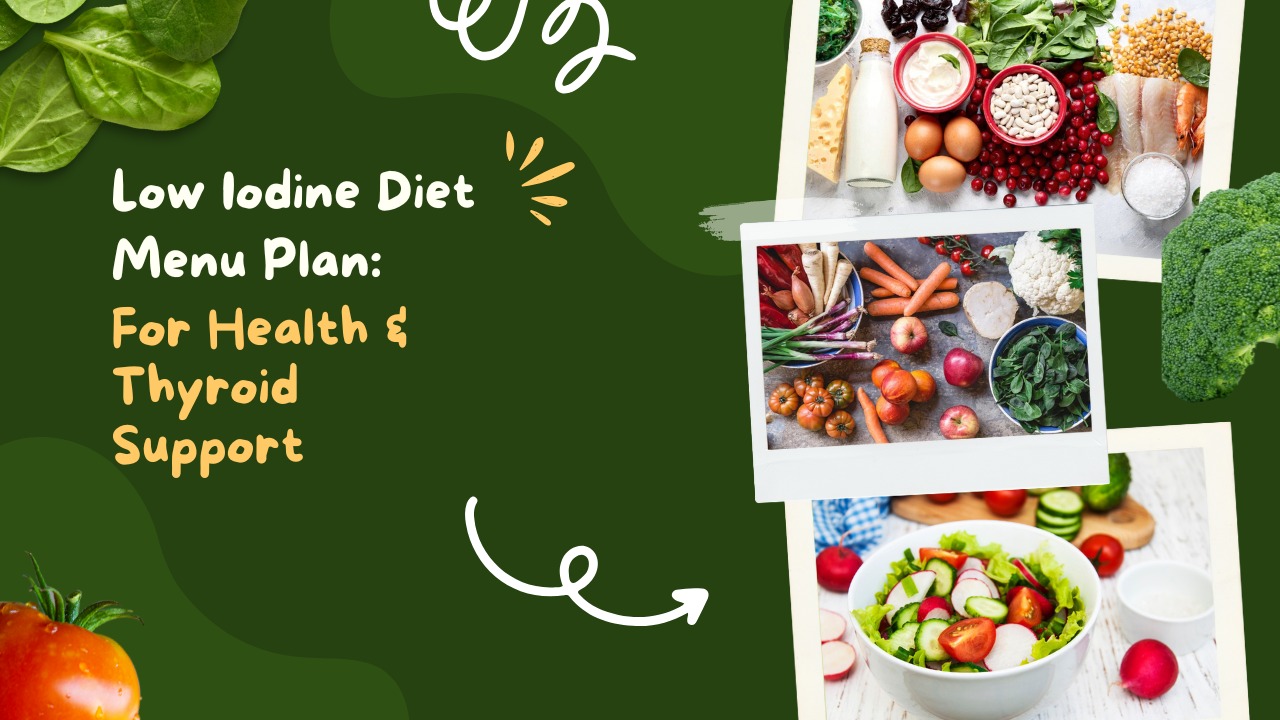
Low iodine diet menu plan is a specialized eating regimen primarily recommended for patients preparing for radioactive iodine therapy, often due to thyroid cancer or hyperthyroidism. It involves temporarily eliminating or reducing iodine-rich foods to enhance the effectiveness of upcoming treatment. This medically advised plan helps ensure that thyroid cells, including potentially cancerous ones, absorb maximum radioactive iodine, making the treatment more successful.
Following a low iodine diet menu plan requires careful selection of foods and ingredients, as iodine is found in many common items like dairy, seafood, and iodized salt. Even though this diet is short-term, usually lasting 1-2 weeks, it plays a crucial role in diagnosis and treatment effectiveness. While strict, it is manageable with the right guidance.
Understanding the structure of the low iodine diet menu plan—what foods to include, avoid, and how to create balanced meals—is essential for maintaining energy, nutrition, and emotional well-being. With proper knowledge, this temporary but important dietary shift can be followed efficiently, making a significant impact on your treatment journey.

What is a Low Iodine Diet Menu Plan ?
A low iodine diet menu plan is a specialized, temporary diet often prescribed to patients prior to undergoing radioactive iodine (RAI) therapy. The main goal of this diet is to minimize iodine intake, allowing the thyroid tissue—both normal and cancerous—to better absorb the radioactive iodine administered during treatment. By lowering the body’s iodine levels, the therapy becomes more effective, targeting thyroid cells efficiently while reducing unnecessary exposure to surrounding tissues.
Following a low iodine diet menu plan requires careful attention to food choices. Patients are advised to avoid iodine-rich foods such as dairy products, seafood, iodized salt, and certain processed foods containing additives like calcium iodate or potassium iodide. Instead, the diet emphasizes fresh fruits, vegetables, grains, and lean meats, providing necessary nutrients while keeping iodine intake minimal. This approach ensures that patients maintain adequate nutrition and energy levels while preparing for RAI therapy.
Adhering strictly to a low iodine diet menu plan can significantly enhance the effectiveness of radioactive iodine treatment. By reducing iodine stores in the body, thyroid tissue absorbs the radioactive iodine more efficiently, improving treatment outcomes. Healthcare providers often provide detailed guidelines to help patients follow this diet safely and successfully during the preparatory phase.
Why is a Low Iodine Diet Important ?
The main goal of a low iodine diet menu plan is to make the thyroid gland iodine-deficient, which increases its absorption efficiency when exposed to radioactive iodine (RAI). By reducing iodine intake beforehand, thyroid cells become “hungry” for iodine, ensuring that the RAI treatment or scan targets thyroid tissue more effectively. This targeted approach is essential for both therapeutic and diagnostic purposes, particularly in cases of thyroid cancer or hyperthyroidism.
Following a low iodine diet menu plan involves careful selection of foods and avoidance of high-iodine items such as dairy, seafood, iodized salt, and certain food additives. Patients are encouraged to focus on fresh fruits, vegetables, grains, and lean meats that are naturally low in iodine. Cooking from scratch is recommended to maintain control over ingredients and avoid hidden iodine sources. Proper adherence to the diet helps optimize thyroid uptake of radioactive iodine, improving the accuracy of scans and the effectiveness of treatment.
Consistency and attention to detail are key when following a low iodine diet menu plan. By combining reduced iodine intake with adequate nutrition, patients can maintain energy levels and overall health while preparing for RAI therapy. Consulting with a healthcare professional ensures the diet is followed safely and effectively, enhancing treatment outcomes.
When Should You Follow the Low Iodine Diet Menu Plan ?
Doctors typically recommend that patients start a low iodine diet menu plan one to two weeks before undergoing radioactive iodine (RAI) therapy or diagnostic scans. This preparatory period allows the body to reduce its iodine levels effectively, which is essential for maximizing the absorption of radioactive iodine by thyroid cells. By following the diet in advance, the thyroid becomes more “hungry” for iodine, improving the accuracy and effectiveness of the treatment or scan.
The exact duration of the low iodine diet menu plan may vary depending on individual medical conditions, treatment plans, or the recommendations of your endocrinologist. Some patients may need to follow the diet slightly longer or shorter based on lab results and their overall health. It is crucial to adhere strictly to your healthcare provider’s instructions to avoid interference with RAI uptake or diagnostic accuracy.
Following this diet correctly helps ensure safety and enhances treatment outcomes. A carefully planned low iodine diet menu plan includes avoiding high-iodine foods such as dairy, seafood, iodized salt, and certain processed foods while focusing on fresh fruits, vegetables, lean proteins, and whole grains. Consistency during this period supports optimal thyroid function and maximizes the benefits of your therapy.
How to Follow a Low Iodine Diet Menu Plan
Following a low iodine diet menu plan requires careful attention to the foods you consume. High-iodine foods such as dairy products, seaweed, iodized salt, egg yolks, soy, and certain breads must be avoided, as they can interfere with radioactive iodine (RAI) therapy or diagnostic scans. The goal of this diet is to lower iodine levels in the body so the thyroid cells become more receptive to RAI, enhancing treatment accuracy.
Top Tips for Following a Low Iodine Diet Menu Plan
Avoid Iodized Salt and Commercial Seasonings

When following a low iodine diet menu plan, one of the most important steps is avoiding iodized salt. Many people choose to eliminate added salt completely, while others switch to non-iodized salt when seasoning their meals. This small change ensures you’re not accidentally consuming iodine, which is crucial for people preparing for certain medical treatments.
Processed foods are another area of concern. These often contain hidden iodized salt, preservatives, or additives that can interfere with the purpose of a low iodine diet. By choosing fresh, whole foods instead of packaged items, you can better control what goes into your meals. This makes it easier to stick to your plan without worrying about hidden ingredients.
The low iodine diet menu plan encourages simple, natural eating habits that not only help with medical needs but can also support overall health. By focusing on fresh fruits, vegetables, and whole grains while avoiding salt-laden processed items, you’ll create a diet that is both safe and nutritious.
Ingredients to avoid: Iodized salt, table salt, seasoned salt, bouillon cubes, store-bought sauces.
Eliminate Dairy Products
When following a low iodine diet menu plan, one of the key adjustments is avoiding dairy products. Dairy foods like milk, cheese, yogurt, and butter are naturally high in iodine, which can interfere with the effectiveness of treatments that require reduced iodine intake. Even small amounts can make a difference, so it’s best to stay cautious and remove them entirely.
Instead, individuals can choose dairy-free alternatives that are safe and iodine-free. Options such as almond milk, oat milk, or coconut-based products can provide a satisfying substitute without adding iodine to the diet. However, it’s important to check labels carefully to ensure that these alternatives do not contain added iodine or ingredients like carrageenan, which should also be avoided.
The low iodine diet menu plan focuses on providing a balance of nutrients without relying on dairy or processed products. By incorporating fresh fruits, vegetables, unsalted nuts, and plant-based milk alternatives, you can maintain variety while staying within the restrictions of the plan. This approach ensures your diet remains nutritious, safe, and effective.
Ingredients to avoid: Milk, cream, cheese, butter, yogurt.
Skip Seafood and Seaweed

When following a low iodine diet menu plan, one of the most important rules is avoiding all sea-based products. Items like fish, shellfish, seaweed, and kelp-based seasonings are naturally rich in iodine. Even in small amounts, they can introduce significant iodine into your body, which may interfere with the purpose of this diet, especially for individuals preparing for thyroid treatments.
Instead of seafood, the low iodine diet menu plan encourages the use of fresh, plant-based protein sources such as beans, lentils, and unsalted nuts. These foods provide essential nutrients without the risk of hidden iodine. Lean meats like fresh chicken, turkey, or beef that are not processed or cured can also be consumed safely. Checking labels and avoiding pre-seasoned or processed meats is essential to ensure they are free from iodine additives.
By eliminating sea-based products and focusing on fresh alternatives, the low iodine diet menu plan ensures that you can still enjoy balanced, nourishing meals. With careful planning, it becomes easy to replace seafood with safe, iodine-free options that support both health and dietary goals.
Ingredients to avoid: Sushi, seaweed snacks, nori, kelp, tuna, shrimp.
Read Labels for Red Dyes and Additives
When following a low iodine diet menu plan, it is crucial to pay attention not just to obvious iodine-rich foods but also to hidden additives. Many baked goods, including bread, pastries, and packaged snacks, often contain iodine-containing compounds like calcium iodate or potassium iodide. These are commonly added as dough conditioners or preservatives and can disrupt the strict iodine restriction required for medical purposes such as thyroid treatment.
Another hidden source of iodine is artificial coloring, especially Red Dye #3, which is often found in candies, desserts, and beverages. While these foods may not appear risky at first, their chemical additives make them unsuitable for the low iodine diet menu plan. By avoiding such ingredients, you can ensure that your iodine intake remains within safe limits while still enjoying wholesome, natural foods.
Instead of processed or packaged items, focus on homemade alternatives with fresh, iodine-free ingredients. Whole grains like oats, rice, and unsalted crackers are safe choices when prepared without iodized salt. With careful label reading and simple substitutions, a low iodine diet menu plan can be both effective and nourishing.
Ingredients to avoid: Commercial bread, pastries, colored candies, and artificial flavored snacks.
Eat Fresh, Whole Foods
When following a low iodine diet menu plan, it is best to focus on simple, fresh, and natural food choices. Whole foods such as fruits, vegetables, grains, and lean meats provide the body with vital nutrients while helping you avoid iodine-rich ingredients often hidden in processed foods. This approach not only supports the diet but also promotes overall health and energy.
Fresh fruits and vegetables are excellent staples for the low iodine diet menu plan. Options like apples, oranges, berries, carrots, and cucumbers are naturally free of iodine and safe to include daily. Whole grains such as oats, rice, and pasta made without iodized salt also make filling and nutritious choices. Pairing them with lean proteins like chicken or turkey ensures balanced meals that are both satisfying and beneficial.
By eliminating additives and choosing whole foods, you create meals that are safe and easy to follow. The low iodine diet menu plan emphasizes clean eating, making it a practical way to stay nourished while avoiding hidden iodine sources in processed products. This helps maintain both safety and simplicity.
Best choices: Apples, oranges, berries, carrots, zucchini, rice, oats, and chicken.
Use Egg Whites Instead of Whole Eggs
When creating a low iodine diet menu plan, understanding the difference between egg whites and yolks is important. The yolk contains iodine, making it unsuitable for this diet, but the white is completely safe. Egg whites can be used in cooking and baking to add protein and texture without introducing unnecessary iodine. This simple adjustment ensures that meals remain both nutritious and compliant with the plan.
Including egg whites in your low iodine diet menu plan provides flexibility in preparing a variety of dishes. You can use them for scrambled eggs, omelets with fresh vegetables, or even in baking recipes that call for eggs. By making this substitution, you can enjoy many of your favorite meals without worrying about hidden iodine. It also helps maintain a balanced intake of protein while avoiding ingredients that might interfere with dietary restrictions.
The low iodine diet menu plan focuses on safe alternatives and careful ingredient choices. Swapping yolks for egg whites is a small change that makes a big difference. This approach supports the diet’s goals while still offering variety and satisfaction in daily meals.
Safe ingredient: 100% egg whites (fresh or packaged without additives).
Prepare Homemade Meals

Cooking from scratch is an essential part of successfully following a low iodine diet menu plan. Preparing meals at home allows you to choose every ingredient carefully, ensuring they are free from iodized salt, red dye additives, or iodine-rich seasonings that could interfere with the diet’s purpose. This level of control is especially important when the goal is to reduce iodine intake for health-related reasons, such as before certain medical treatments.
Unlike home-cooked meals, takeouts and restaurant foods often contain hidden iodine sources. Many commercial kitchens rely on iodized salt, prepackaged mixes, and processed sauces that may include iodine-containing additives. Even when meals appear fresh and simple, it’s difficult to know exactly what ingredients are used. This lack of transparency makes it risky for anyone trying to stay consistent with a low iodine diet menu plan.
By sticking to home-prepared meals, you not only reduce the risk of consuming hidden iodine but also gain the benefit of eating fresher, healthier foods. Cooking from scratch encourages the use of wholesome fruits, vegetables, grains, and lean meats that align perfectly with the principles of a low iodine diet menu plan.
Suggested meals: Homemade vegetable soup, grilled chicken with rice, fruit salad.
Stay Hydrated and Balanced
Maintaining proper nutrition is just as important as reducing iodine when following a low iodine diet menu plan. While the primary focus is on avoiding iodine-rich foods, it is essential to ensure your body still receives enough calories to maintain energy levels throughout the day. Skipping meals or undereating can lead to fatigue, nutrient deficiencies, and overall weakness, which can undermine the purpose of the diet.
Protein is a critical component of a balanced low iodine diet menu plan. Lean meats, egg whites, legumes, and plant-based protein sources provide the building blocks your body needs for tissue repair and overall health. Fiber is also essential, coming from fruits, vegetables, and whole grains, as it aids digestion and supports gut health. Adequate hydration is equally important; drinking water, herbal teas, and clear broths helps flush toxins and supports overall metabolic function.
By paying attention to overall nutrition, you can follow a low iodine diet menu plan without compromising your health. A balanced approach ensures that you get enough calories, protein, fiber, and fluids, keeping your body strong and well-nourished while adhering to the diet’s iodine restrictions.
Safe drinks: Water, homemade smoothies, herbal tea (without red dye).
Sample Low Iodine Diet Menu Plan Table (1-Day)
| Meal | Menu Example |
|---|
| Breakfast | Oatmeal made with water, banana, black coffee |
| Snack | Fresh apple or unsalted rice cake |
| Lunch | Grilled chicken breast, brown rice, steamed carrots |
| Snack | Homemade smoothie (almond milk*, banana, spinach) |
| Dinner | Baked potato, steamed green beans, fresh salad |
| Dessert | Fruit salad (melon, grapes, blueberries) |
Conclusion

Low iodine diet menu plan may sound restrictive, but it is temporary, and its medical benefits are substantial. With careful planning and awareness, you can follow the diet successfully while maintaining energy and nutrition. Many patients report that following the plan is easier with home-cooked meals, support, and proper information.
Low iodine diet menu plan not only enhances the effectiveness of RAI treatment but also plays a crucial role in the overall success of thyroid cancer management. It enables precise targeting of affected tissues and minimizes radiation exposure to non-thyroid cells, making the therapy more effective and safe.
Although temporary, the low iodine diet menu plan can seem daunting. However, armed with knowledge and preparation, it can be a smooth and beneficial step in your healing journey. Always consult your healthcare provider for personalized advice, and follow the plan as instructed.
FAQs
Q1. How long should I stay on the low iodine diet ?
Usually 1–2 weeks before radioactive iodine therapy or scan, based on your doctor’s advice.
Q2. Can I use sea salt or Himalayan salt ?
No. All natural salts may contain iodine unless labeled as “non-iodized.”
Q3. Is almond milk allowed ?
Only if it’s homemade or verified iodine-free. Check the label carefully.
Q4. Can I eat meat on the low iodine diet ?
Yes, fresh unprocessed meats (no added salts or preservatives) are allowed.
Q5. Are eggs allowed on a low iodine diet ?
Only egg whites. Avoid yolks, as they contain iodine.