


The journey to a healthy weight and lasting wellness has advanced with the introduction of Semaglutide, a medication initially designed for type 2 diabetes that now plays a key role in medical weight loss. However, medication alone isn’t enough—success depends on pairing Semaglutide with a thoughtful and structured semaglutide diet plan.
This guide explores what Semaglutide is, how it works, and why combining it with the right diet amplifies weight loss results. A well-designed semaglutide diet plan helps manage appetite, regulate blood sugar, and support metabolic health, making your weight loss journey more effective and sustainable.
You’ll also discover eight essential diet tips that optimize Semaglutide’s benefits and answers to common questions to help you get started confidently. Whether you’re new to Semaglutide or looking to maximize its impact, this comprehensive semaglutide diet plan guide provides the insights and practical advice you need to thrive.
What Is Semaglutide and Where Did It Come From ?
Semaglutide is a GLP-1 receptor agonist initially developed to treat type 2 diabetes, marketed under brand names like Ozempic and Rybelsus. It works by mimicking the hormone GLP-1, which helps regulate blood sugar levels and slows digestion, promoting feelings of fullness.
In 2021, the FDA approved Semaglutide under the brand name Wegovy specifically for weight management. This approval recognized its effectiveness in helping people lose weight by reducing appetite and calorie intake. However, medication alone isn’t enough for lasting results, which is why following a proper semaglutide diet plan is essential.
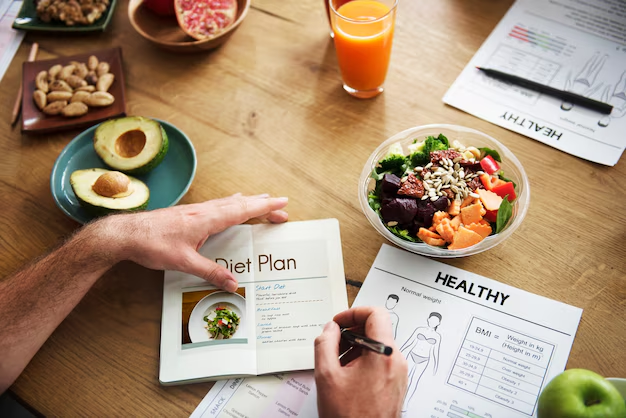
A well-structured semaglutide diet plan pairs the medication with balanced, nutrient-rich meals that support metabolic health and sustain energy levels. Combining Semaglutide with healthy eating habits maximizes weight loss benefits, making it a powerful tool for those struggling with obesity or overweight conditions.
Here’s what makes Semaglutide so unique:
It mimics GLP-1, a hormone your body naturally produces in response to eating.
It slows gastric emptying, meaning you feel full for longer.
It reduces appetite and food cravings by acting on the brain’s hunger centers.
It improves blood sugar regulation and insulin sensitivity.
Semaglutide has become widely accessible via prescription and is administered once weekly via injection, usually under a physician’s guidance.
Why the Semaglutide Diet Plan Matters
While Semaglutide effectively supports weight loss by regulating appetite and increasing feelings of fullness, the role of diet remains crucial for optimal results. What you eat directly impacts how well the medication works, making a balanced eating approach essential.
Clinical trials have demonstrated that patients who combined Semaglutide with a healthy, low-calorie diet and regular exercise lost significantly more weight than those who relied on the medication alone. This highlights the importance of following a structured semaglutide diet plan to maximize benefits.
A thoughtful semaglutide diet plan focuses on nutrient-dense, whole foods, portion control, and consistent meal timing. Pairing Semaglutide with these dietary habits supports sustained weight loss, improved metabolism, and overall health, making your weight loss journey more effective and sustainable in the long term.
The Semaglutide diet plan isn’t a restrictive or fad approach. Instead, it emphasizes:
Nutrient-dense foods
Balanced macronutrients
Hydration
Appetite-friendly meals
Sustainable routines
How Does the Semaglutide Diet Work ?
The semaglutide diet plan works by integrating the medication Semaglutide with healthy eating habits to promote effective and sustainable weight loss. Semaglutide acts as a GLP-1 receptor agonist, which helps reduce appetite by signaling fullness to the brain, leading to reduced calorie intake.
Alongside this medication, the semaglutide diet plan emphasizes nutrient-dense, balanced meals that support metabolism and stabilize blood sugar levels. By focusing on whole foods, lean proteins, healthy fats, and fiber-rich vegetables, the diet helps enhance the medication’s effects while maintaining energy and satiety throughout the day.
This combined approach helps manage hunger, control portion sizes, and reduce cravings. By following a semaglutide diet plan, users can experience more consistent weight loss results, improved metabolic health, and better overall wellness compared to medication or diet alone.
The Semaglutide diet plan works synergistically with the medication by:
Reducing Caloric Intake: Since Semaglutide naturally suppresses appetite, you can comfortably eat less without feeling deprived.
Enhancing Nutrient Absorption: Focusing on nutrient-dense foods ensures your body gets what it needs, even with reduced portions.
Minimizing Side Effects: Proper diet can reduce gastrointestinal side effects like nausea and constipation.
Boosting Energy and Performance: Eating the right foods supports metabolic health and physical activity.
Who Should Follow a Semaglutide Diet Plan ?
A semaglutide diet plan is ideal for individuals looking to lose weight in a safe and effective manner, especially those diagnosed with obesity or overweight conditions. It’s often recommended for people who have struggled with traditional diet and exercise approaches and need additional medical support to achieve their goals.
This diet plan is also suitable for individuals with type 2 diabetes or prediabetes, as Semaglutide helps regulate blood sugar while promoting weight loss. However, it should always be followed under medical supervision to ensure safety and effectiveness.
Anyone considering a semaglutide diet plan should be committed to making lifestyle changes, including healthy eating and regular physical activity. Combining these habits with Semaglutide can maximize weight loss, improve metabolic health, and support long-term wellness for those who need it most.
This plan is ideal for:
Adults with BMI over 30, or BMI over 27 with weight-related conditions (like hypertension or type 2 diabetes).
Individuals prescribed Wegovy, Ozempic, or Rybelsus for weight loss.
People committed to long-term health and lifestyle change.
Those seeking medical weight loss under healthcare supervision.
Top Tips for an Effective Semaglutide Diet Plan
Here are the 8 most effective tips to follow during your Semaglutide journey. Each tip includes benefits, recommended foods, and key ingredients.
Prioritize Lean Protein at Every Meal
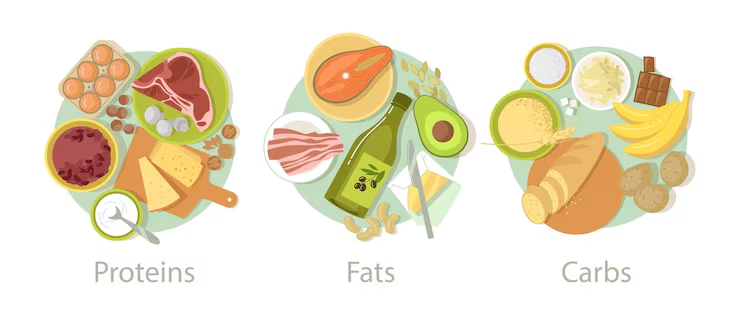
Including lean protein in every meal is a vital part of an effective semaglutide diet plan. Protein helps build and maintain muscle mass, supports metabolism, and promotes feelings of fullness, which is especially important when aiming for weight loss with Semaglutide.
Good sources of lean protein include chicken breast, turkey, fish, tofu, legumes, and low-fat dairy. Incorporating these into your semaglutide diet plan ensures that your body receives the necessary amino acids for muscle repair and overall health while helping control hunger and reduce calorie intake.
By prioritizing lean protein, you not only support your weight loss goals but also maintain energy and prevent muscle loss during the journey. When combined with Semaglutide, a diet rich in lean protein enhances fat loss and helps create a sustainable, balanced approach to healthier living.
Why: Protein promotes satiety, muscle maintenance, and fat loss.
Benefits:
Keeps you full longer
Reduces muscle loss during weight loss
Stabilizes blood sugar levels
Recommended Foods:
Grilled chicken, turkey
Greek yogurt
Eggs
Lentils, tofu, tempeh
Ingredients to Add:
Turmeric, garlic (anti-inflammatory)
Lemon juice (flavor enhancer)
Eat Fiber-Rich Foods Daily
Incorporating fiber-rich foods daily is essential for a successful semaglutide diet plan. Fiber helps promote satiety, keeping you fuller for longer and reducing overall calorie intake. This is especially helpful when paired with Semaglutide’s appetite-suppressing effects, making it easier to manage hunger and avoid overeating.
Fiber also supports healthy digestion by regulating bowel movements and feeding beneficial gut bacteria. Including plenty of vegetables, fruits, whole grains, legumes, nuts, and seeds in your semaglutide diet plan provides both soluble and insoluble fiber, which benefits heart health and blood sugar control.
By focusing on fiber-rich foods, you enhance nutrient absorption, stabilize energy levels, and promote a healthy metabolism. Combined with Semaglutide, a fiber-focused diet improves your chances of achieving sustainable weight loss and overall wellness, making fiber a key component of your daily meals and snacks.
Why: Fiber supports digestion and gut health and reduces appetite.
Benefits:
Prevents constipation (a common Semaglutide side effect)
Slows sugar absorption
Aids fullness
Recommended Foods:
Oats, barley
Chia seeds, flaxseeds
Berries, apples, broccoli, carrots
Ingredients to Add:
Ground flaxseed in smoothies
Cucumber and mint in salads
Stay Hydrated (and Go Beyond Water)
Staying hydrated is a fundamental part of a successful semaglutide diet plan. Drinking enough water throughout the day supports metabolism, aids digestion, and helps control appetite—key factors for effective weight loss. Semaglutide can sometimes cause dry mouth or mild dehydration, making hydration even more important.
Beyond water, incorporating herbal teas, infused water with lemon or cucumber, and natural electrolyte-rich drinks can boost hydration while providing additional health benefits. These beverages keep you refreshed and help maintain electrolyte balance, especially during increased physical activity. A well-rounded semaglutide diet plan encourages mindful hydration habits to support overall wellness and maximize the medication’s effects.
Proper hydration also promotes better skin health, cognitive function, and energy levels, helping you feel your best during your weight loss journey. Pairing Semaglutide with consistent fluid intake ensures your body stays balanced and ready to achieve sustainable results.
Why: Hydration supports metabolism, digestion, and medication absorption.
Benefits:
Prevents dehydration-related fatigue
Reduces bloating
Aids weight loss
Hydrating Options:
Water with lemon or cucumber
Herbal teas (ginger, peppermint)
Electrolyte drinks (low sugar)
Tips:
Set reminders to drink throughout the day
Avoid sugary or carbonated drinks
Eat Small, Frequent Meals
Eating small, frequent meals is a key strategy in an effective semaglutide diet plan. Instead of large, heavy meals, consuming smaller portions throughout the day helps maintain steady blood sugar levels and prevents overeating. This approach aligns well with Semaglutide’s appetite-regulating effects, making it easier to control hunger and avoid cravings.
By spreading your food intake into 4-6 balanced meals or snacks, you provide your body with a consistent supply of energy and nutrients. This supports metabolism and keeps energy levels stable, reducing the likelihood of mid-day slumps or energy crashes. A thoughtful semaglutide diet plan includes nutrient-dense options like vegetables, lean proteins, and healthy fats in these smaller meals to optimize nutrition.
Adopting this eating pattern helps you stay on track with your weight loss goals, improves digestion, and supports overall wellness. When combined with Semaglutide, eating small, frequent meals enhances the medication’s effectiveness and contributes to sustainable, long-term success.
Why: Semaglutide slows gastric emptying — large meals may cause discomfort or nausea.
Benefits:
Reduces nausea
Keeps energy levels steady
Manages portion control
Suggested Meal Timing:
3 main meals + 2 snacks
Avoid eating 2-3 hours before bedtime
Smart Snacks:
Cottage cheese with fruit
Handful of almonds
Baby carrots with hummus
Limit Processed and High-Fat Foods
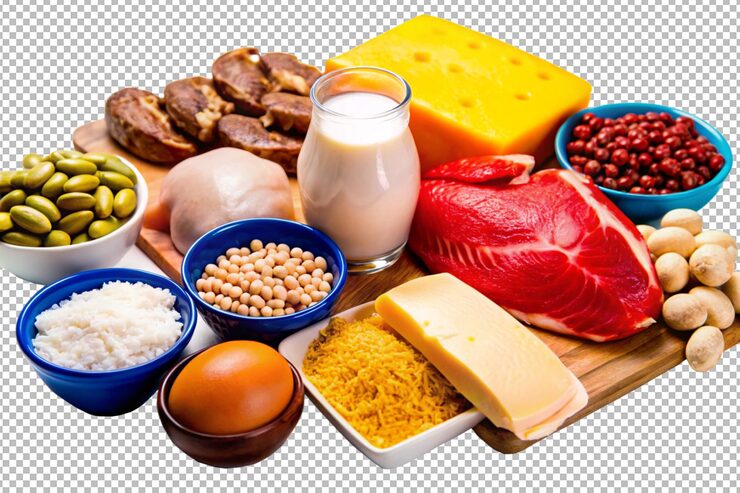
Limiting processed and high-fat foods is an important aspect of a successful semaglutide diet plan. These foods often contain unhealthy trans fats, excess sodium, and additives that can undermine your weight loss efforts and negatively impact overall health. Avoiding processed snacks, fried foods, and fast food helps keep your diet clean and nutrient-dense.
Focusing on whole, minimally processed foods supports Semaglutide’s effectiveness by promoting better digestion, balanced blood sugar, and reduced inflammation. A well-structured semaglutide diet plan emphasizes fresh vegetables, lean proteins, healthy fats, and whole grains to nourish your body and aid in weight management.
By cutting back on processed and high-fat foods, you improve heart health, energy levels, and mood—all critical factors for maintaining motivation during your weight loss journey. Combining these dietary choices with Semaglutide maximizes your chance for lasting success and overall wellness.
Why: These foods increase the risk of side effects and hinder weight loss.
Foods to Avoid:
Fried foods
High-fat dairy
Fast food
Packaged snacks
Alternative Choices:
Baked, grilled, or steamed dishes
Use olive oil or avocado oil in moderation
Low-fat dairy or plant-based milk
Benefits:
Improves digestive comfort
Lowers calorie intake
Add Healthy Fats for Hormonal Support
Including healthy fats in your semaglutide diet plan is essential for hormonal balance and overall well-being. Healthy fats, found in foods like avocados, nuts, seeds, and olive oil, support hormone production and help regulate appetite, which complements Semaglutide’s weight loss effects.
These fats also provide lasting energy and aid in the absorption of fat-soluble vitamins such as A, D, E, and K. By incorporating sources of healthy fats into your semaglutide diet plan, you can improve satiety and reduce cravings, making it easier to maintain a calorie-controlled diet.
Moreover, healthy fats help reduce inflammation and support brain health, contributing to better mood and stress management during your weight loss journey. Pairing Semaglutide with a diet rich in healthy fats enhances your chances of achieving sustainable results and improved hormonal function, promoting a healthier, more balanced lifestyle.
Why: Good fats help absorb vitamins and regulate hormones, crucial for long-term weight loss.
Healthy Fat Sources:
Avocado
Olive oil
Nuts and seeds
Fatty fish (salmon, mackerel)
Benefits:
Supports brain health
Improves cholesterol levels
Boosts metabolism
Reduce Added Sugar and Refined Carbs
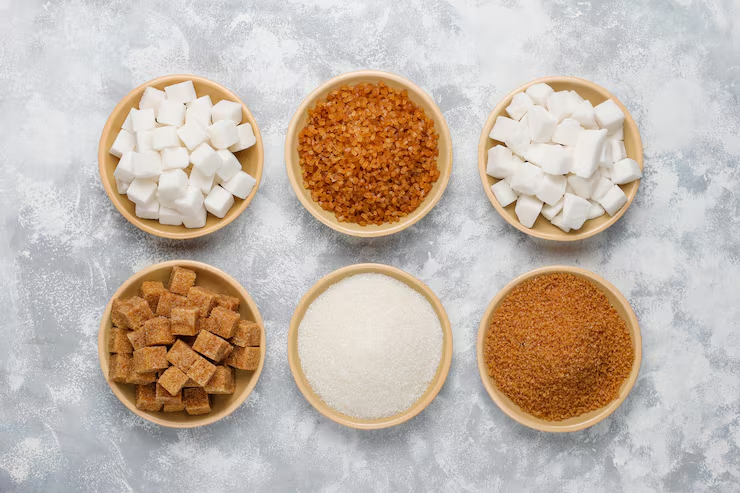
Reducing added sugar and refined carbs is a crucial step in any effective semaglutide diet plan. These foods cause rapid blood sugar spikes and increase insulin resistance, which can hinder weight loss and overall health. Cutting back on sugary snacks, sodas, white bread, and pastries helps stabilize blood sugar and supports the medication’s appetite-regulating effects.
Focusing on whole, unprocessed foods such as vegetables, whole grains, and legumes provides steady energy and essential nutrients. This balanced approach in your semaglutide diet plan promotes better metabolic function and reduces cravings, making it easier to stick to your weight loss goals.
By eliminating or minimizing added sugars and refined carbs, you also protect your heart health and reduce inflammation. When paired with Semaglutide, this dietary focus enhances the medication’s effectiveness, helping you achieve sustainable, long-term weight management and improved well-being.
Why: These foods spike insulin, increase cravings, and reduce Semaglutide effectiveness.
Foods to Minimize:
White bread, pasta
Soda, candy, baked goods
Sugary cereals
Healthy Swaps:
Whole grain bread/pasta
Fruit or stevia as sweetener
Dark chocolate (70%+)
Benefits:
Sustains energy
Improves blood sugar control
Track Your Meals and Progress
Tracking your meals is an essential part of a successful semaglutide diet plan. By logging what you eat, you become more aware of your food choices, portion sizes, and nutrient intake. This awareness helps you stay accountable and make adjustments to stay on track with your weight loss goals.
Using a food journal or mobile app to record your meals and snacks makes it easier to spot patterns and identify any areas that need improvement. Monitoring your progress alongside your semaglutide diet plan allows you to celebrate small victories and stay motivated throughout your journey.
Regularly tracking also helps you communicate better with your healthcare provider, ensuring your diet and medication are working in harmony. By combining consistent meal tracking with your semaglutide diet plan, you maximize the chances of achieving sustainable weight loss and improved overall health.
Why: Mindful eating and accountability boost success rates.
Tracking Tools:
MyFitnessPal
Cronometer
Journals or spreadsheets
Track These Metrics:
Daily meals
Water intake
Weight changes
Mood and energy
Benefits:
Identifies trigger foods or patterns
Keeps you motivated
Provides data for medical reviews
Sample 1-Day Semaglutide Diet Plan
Here’s your meal plan in a clear table format with the keyword semaglutide diet plan included:
| Meal | Menu |
|---|---|
| Breakfast | Scrambled eggs with spinach and mushrooms1 slice whole grain toastGreen tea |
| Snack | Greek yogurt with chia seeds and berries |
| Lunch | Grilled chicken breastQuinoa salad with cucumber, tomato, and olive oilSparkling water with lemon |
| Snack | Handful of almonds + 1 apple |
| Dinner | Baked salmonSteamed broccoli and carrotsBrown rice |
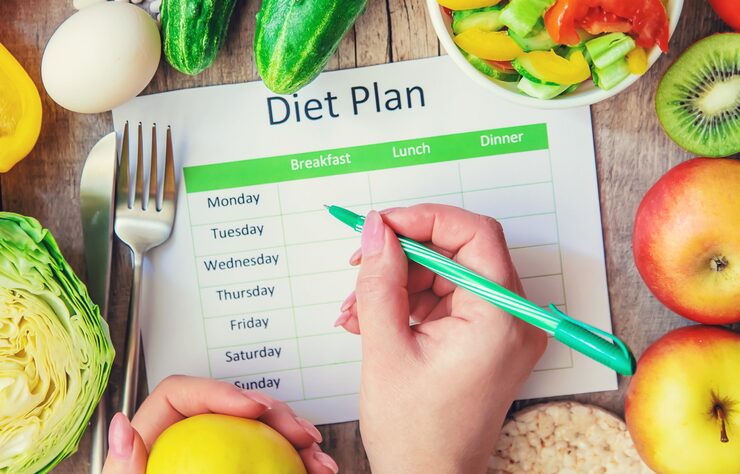
This balanced meal plan supports your semaglutide diet plan by providing nutrient-dense, protein-rich foods that help control appetite and stabilize blood sugar levels.
Conclusion
Semaglutide is a powerful aid for weight loss, but it’s not a magic solution on its own. Combining it with a well-structured, balanced, and sustainable semaglutide diet plan is key to unlocking the best results. Focusing on lean proteins, portion control, proper hydration, and high-quality foods makes a significant difference in your progress.
Following the eight essential tips shared earlier and maintaining consistency can help you transform your body, improve overall health, and boost your energy levels day by day. The right diet supports Semaglutide’s effects, helping to control appetite and stabilize blood sugar naturally.
If you’re ready to succeed on your Semaglutide journey, start by planning your next nutritious meal with a thoughtful semaglutide diet plan. Small, mindful choices lead to lasting change and a healthier, happier you.
FAQs
Q1. What is the best diet to follow on Semaglutide ?
The best Semaglutide diet plan includes high protein, low processed food, and plenty of fiber and hydration. Small, balanced meals help reduce side effects and improve medication effectiveness.
Q2. Can I eat carbs while on Semaglutide ?
Yes, you can eat carbs on Semaglutide, but it’s best to choose complex carbs like oats, brown rice, and quinoa. Avoid refined and sugary carbs that spike blood sugar.
Q3. What foods should I avoid on the Semaglutide diet ?
Avoid fried, processed, and high-sugar foods. These may cause nausea, bloating, and weight gain, making your Semaglutide diet plan less effective.
Q4. How much weight can I lose on Semaglutide with diet ?
With a consistent Semaglutide diet and exercise plan, most people lose 10-15% of their body weight over 6-12 months. Individual results vary based on adherence and starting weight.
Q5. Is it necessary to exercise on the Semaglutide diet plan ?
Yes, while not mandatory, adding 30 minutes of moderate activity 5 days a week greatly enhances results. Exercise also improves mood, metabolism, and helps maintain lean muscle.